
Creatine for Young Athletes: The Honest Guide for Parents
Every parent wants an edge for their kid. Creatine for young athletes is one of the most Googled sports nutrition questions right now.
Upload a photo of your player, pet or team, choose an available template, and preview your design before ordering a printed card.
Youth coaches mention it. Teammates are already taking it. Your 14-year-old comes home asking about creatine, and suddenly you're buried in contradictory Reddit threads, supplement-brand blogs with obvious conflicts of interest, and vague pediatrician shrugs. The confusion is real. The stakes feel high. Creatine is one of the most studied sports supplements on the planet—but most of that research focuses on adults, not kids still in development. Parents deserve a straight answer, not a sales pitch wrapped in medical-sounding language.
This guide pulls together what the science actually says about creatine for young athletes—who it might benefit, what the real risks are, what age thresholds matter, and how to have a productive conversation with your child's doctor. No supplement ads. No hype. Just the information youth athletes and their families need to make a smart, informed call. And when your athlete earns a milestone worth celebrating, Snapshot's custom sports trading cards are ready to mark that moment in a way they'll never forget.
Let's get into the facts—starting with what creatine actually does inside a young athlete's body.
Related Topics
We ship custom cards to youth teams and families in all 50 states every single week, and we hear from parents and coaches about what these cards mean to the athletes who receive them.
Common Mistakes Parents Make with Creatine for Young Athletes
Starting with a loading phase
A loading phase uses 20+ grams daily for 5–7 days. It's unnecessary for long-term results and dramatically increases GI discomfort risk—especially for younger athletes whose tolerance hasn't been tested.
Buying unverified products from big-box stores
Supplement manufacturing is loosely regulated. Products without third-party certification (NSF Certified for Sport or Informed Sport) have been found to contain contaminants including banned substances. For a competing athlete, that's a serious problem.
Skipping the doctor conversation
A pediatrician or sports medicine physician knows your child's kidney function, growth stage, and full health history. Skipping that conversation based on what a coach or teammate said is the single most common mistake—and the most avoidable one.
Expecting creatine to compensate for poor nutrition
Creatine won't fix a calorie deficit, a protein shortfall, or chronic sleep deprivation. Young athletes who aren't eating enough will not see meaningful benefits from supplementation, and may mask hunger signals by attributing fatigue to the wrong cause.
Trying it for the first time right before competition
New supplements should never debut on game day. The initial water retention, potential GI response, and simple unfamiliarity with how it feels make pre-competition introduction a rookie mistake worth avoiding every time.
Before You Consider Creatine for Young Athletes — Work Through This List First
- ✅ Is your athlete eating enough total calories to support their training load?
- ✅ Are they consistently hitting 0.7–1g of protein per pound of body weight daily?
- ✅ Are they sleeping 8–10 hours per night (non-negotiable for adolescent recovery)?
- ✅ Is their hydration consistent—not just on game day, but every day?
- ✅ Have they been doing structured, progressive resistance training for at least 6 months?
- ✅ Has a physician evaluated their current health and cleared supplementation?
- ✅ Have you researched third-party tested products to avoid contamination risk?
- ✅ Does your athlete understand that supplements support training—they don't replace it?
Free to design, instant preview. Free US standard shipping on orders $30+. Review delivery options at checkout.
Potential Benefits of Creatine for Young Athletes (When Used Appropriately)
When a physician signs off and proper conditions are met, some older adolescent athletes may see real, measurable benefits. Here's what the research suggests.
Short-Burst Power Output
Studies consistently show creatine improves performance in activities lasting under 30 seconds—sprinting, jumping, lifting. For high-school athletes in power sports, this is the most evidence-backed benefit. The gains are modest but real, typically 5–15% improvement in repeated sprint capacity over several weeks of supplementation.
Faster Recovery Between Efforts
Replenishing phosphocreatine stores speeds up recovery between high-intensity intervals. A youth basketball player running back-to-back plays, or a track athlete doing interval sets, may notice less drop-off in effort quality during later reps. That consistency across a full practice compounds over a season.
Lean Mass Support During Growth
Some adolescent-focused studies show modest lean body mass increases, partly from water retention in muscle tissue and partly from enhanced training. For a 16-year-old trying to add functional muscle, that edge can complement a solid resistance-training program—assuming nutrition and sleep are already dialed in first.
Potential Cognitive and Neurological Benefits
Emerging research—still early-stage—suggests creatine may support brain energy metabolism. Some studies show improvements in memory and cognitive performance under mental fatigue. For student-athletes juggling intense practice schedules and academic loads, that's an area researchers are watching closely, though it's not yet a primary reason to supplement.
How Creatine Works in a Young Athlete's Body
Creatine isn't a steroid, a hormone, or a mystery compound. It's a naturally occurring molecule your body already makes—and understanding exactly how it functions helps put the youth debate in clear perspective.
Creatine Fills Your Phosphocreatine Tank
Your muscles store energy as ATP. During explosive, short-burst efforts—a sprint, a jump, a wrestling takedown—that ATP depletes in seconds. Phosphocreatine acts as a rapid backup reserve, quickly regenerating ATP so your muscles can fire again. Supplemental creatine tops off that reserve beyond what diet alone typically provides. More reserve means more explosive reps before fatigue hits.
The Body Responds with Greater Training Output
Because an athlete can now sustain higher-intensity effort slightly longer before exhaustion, training sessions produce more total work. More quality reps, more resistance overload, more speed development. Over weeks, that accumulated training stimulus drives measurable strength and power gains. The supplement doesn't build muscle directly—the harder training it enables does the actual building work.
Adolescent Physiology Changes the Equation
Kids and teenagers are still building skeletal muscle, developing hormonal systems, and growing bone. Creatine research on adults doesn't automatically transfer to a 13-year-old. Kidney function, hydration demands, and neurological development all factor in. That's why most sports medicine and pediatric organizations recommend caution under age 18—not because creatine is inherently dangerous, but because long-term adolescent-specific data is genuinely thin.
Understanding the mechanism makes every decision downstream—dosing, timing, age thresholds—much easier to evaluate clearly.
Why Parents and Youth Coaches Trust Clear, Honest Answers
Youth sports families across all 50 states are asking the same creatine questions—and the ones who feel most confident are those who got clear information from their child's pediatrician or sports medicine doctor, not supplement brand websites. At Snapshot, we work with youth sports teams every week.
We see the dedication these athletes pour into their craft, and we know their parents take every decision seriously. That's the same energy we bring to every custom card we print.
Which Young Athletes Are Most Likely to Benefit?
Creatine isn't equally relevant for every sport or every age. Context matters—a lot. Here are the scenarios where the conversation most commonly comes up.
High-School Strength and Power Athletes (Ages 16–18)
Older high-school athletes in football, wrestling, track and field, or competitive swimming often encounter creatine discussions first. At 16–18, skeletal maturity is closer to adult levels, training loads are genuinely high, and the cost-benefit calculation shifts. With physician clearance, proper hydration, and a clean diet already in place, this group has the most research support for potential benefits.
Club and Travel Sport Athletes Under 16
Youth club athletes in soccer, lacrosse, volleyball, and similar sports often train year-round at high intensity. Parents ask about creatine hoping to reduce injury risk or speed recovery. Here, the honest answer is that the evidence base doesn't support routine use under 16. Foundational work—sleep, whole-food protein, progressive training—delivers bigger returns with zero uncertainty about developmental effects.
Young Athletes Returning from Injury
Muscle atrophy after injury is real and frustrating. Some sports medicine physicians have explored creatine as a rehabilitation support tool for older adolescent athletes trying to regain muscle mass during recovery. This is a highly individualized scenario requiring direct physician involvement—not a general recommendation. If your athlete is post-injury, this is worth raising specifically during their next appointment.
Celebrate Your Young Athlete with a Snapshot Custom Trading Card
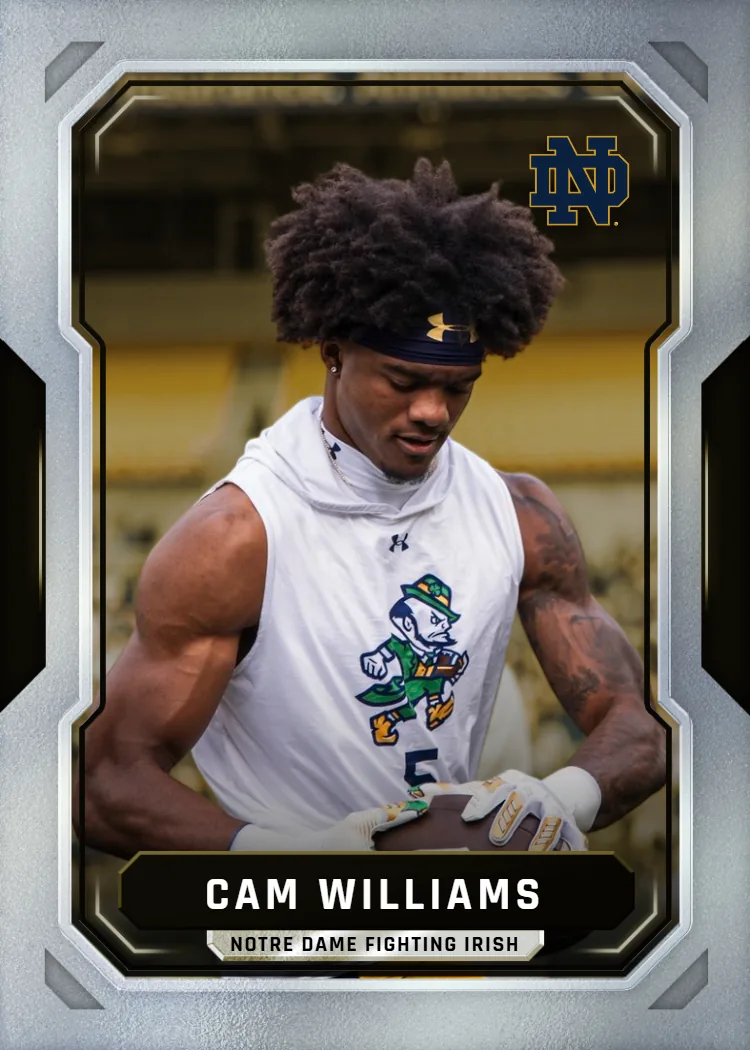
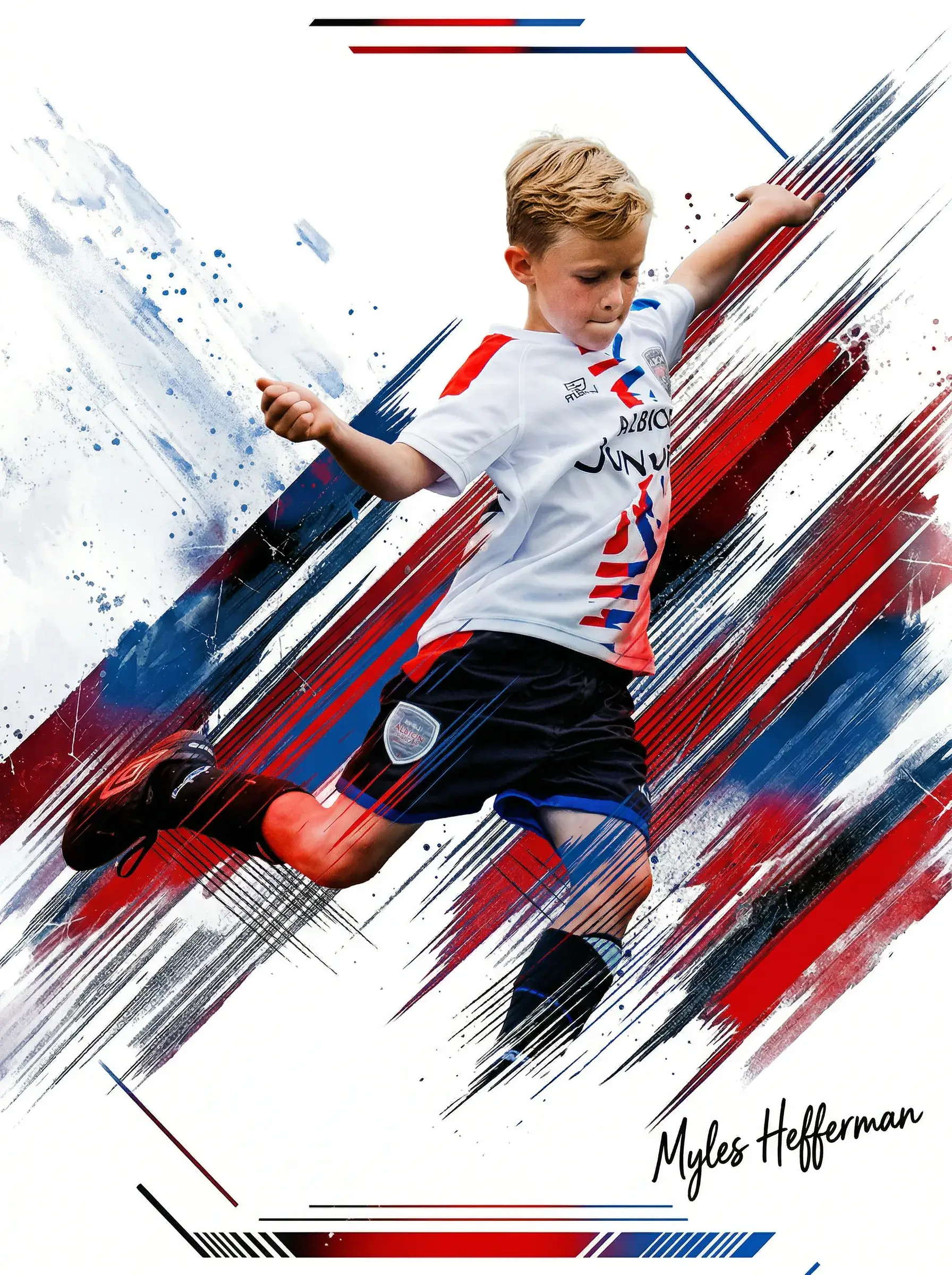
Your athlete trains hard, pushes through fatigue, and earns every milestone. A Snapshot custom sports trading card is a premium, tangible way to honor that effort—printed on professional card stock and shipped in 2–3 days.
Single custom card starts at $17.99. Card packs available up to $49.99. MEGA 11"×15" poster card at $49.99. Free shipping over $30 throughout the USA. Every order ships from Des Moines, Iowa.
Upload any photo, pick from pro-style templates, and get a card that looks like it belongs in a real collection. Free magnetic case included with every order.
Box Options
Simple, collectible pricing. No subscriptions, no hidden fees.

The Rookie Box
Perfect for those unforgettable moments
$17.99 - $49.99

MEGA Card
Their moment, bigger than ever
$49.99
Create for free • Ships the next business day • Made in Des Moines, IA, USA
Frequently Asked Questions
Does creatine actually work for teenage athletes?
Research does show creatine can improve short-burst power output, sprint recovery, and resistance training performance in adolescents, though most of the well-controlled studies involve athletes 16 and older. The gains aren't dramatic—think 5–15% improvement in repeated sprint capacity—but they're consistent across multiple studies. The catch is that many young athletes haven't yet maximized the foundational elements: adequate protein intake, quality sleep, structured progressive training. Those basics produce bigger returns with zero risk before a supplement conversation even becomes relevant.
What are the side effects of creatine for young athletes?
The most commonly reported side effect is water retention in muscle tissue, which causes a small initial weight increase—typically 1–3 pounds. This isn't fat gain; it's intracellular fluid. Gastrointestinal discomfort, including cramping or bloating, occasionally occurs, usually when doses are too high or taken without adequate water. Concerns about kidney stress get raised often, but studies in healthy individuals show no evidence of kidney damage at standard doses. That said, athletes with pre-existing kidney conditions should never take creatine without explicit physician clearance. Staying well-hydrated reduces most minor side effects significantly.
How much creatine should a young athlete take?
For adults, the standard evidence-based protocol is 3–5 grams per day of creatine monohydrate—no loading phase required for long-term results. For adolescent athletes approved by a physician, doses at the lower end of that range are typically recommended, adjusted for body weight. Skip the loading phase (which uses 20+ grams daily for a week) entirely for younger athletes, as it increases GI side effect risk with no meaningful long-term advantage. Always take creatine with adequate fluid, and purchase only products that have undergone third-party purity testing to avoid contamination from unregulated manufacturing.
Can creatine affect a young athlete's growth or development?
No credible research has established that creatine supplementation at standard doses harms normal growth or hormonal development in adolescents. However, the absence of evidence of harm isn't the same as evidence of safety—long-term studies specifically tracking developmental outcomes in under-16 athletes simply don't exist in meaningful numbers yet. That uncertainty is precisely why the precautionary guidance from sports medicine bodies is what it is. Parents who want to be confident rather than just hopeful will wait until their athlete is older and their physician is fully in the loop before introducing any supplementation.
What should young athletes eat instead of taking creatine?
Red meat and fish are the richest dietary sources of creatine. A 4-ounce serving of raw beef contains roughly 0.9–1.5 grams of creatine. Athletes who eat animal protein regularly already have higher baseline creatine stores than plant-based athletes. Beyond creatine-containing foods, the bigger performance nutrition priorities for young athletes are total calorie adequacy, sufficient high-quality protein (0.7–1 gram per pound of body weight is a reasonable youth target), whole-food carbohydrates for training fuel, and consistent hydration. Get those right first. Supplements fill gaps—they don't replace foundations.
Do young female athletes respond to creatine differently than males?
Research specifically on female adolescent athletes is limited, but existing adult studies suggest women may have a slightly lower baseline muscle creatine saturation, which could mean a proportionally larger response to supplementation. On the flip side, hormonal variation across the menstrual cycle may influence how muscle tissue responds to creatine at different training phases. For young female athletes in particular, the same guidance applies: foundational nutrition first, physician conversation before supplementing, and third-party tested product if supplementation is approved. The general lack of female-specific youth research is itself a reason to be more cautious, not less.
How do I talk to my child's doctor about creatine for young athletes?
Come prepared with specifics. Tell the doctor your athlete's age, sport, training frequency, current diet, and exactly what product you're considering. Ask directly: given my child's current health and development, do the potential benefits outweigh any unknowns? A good sports medicine physician will factor in kidney function, hydration habits, and competition schedule. Bring the product label so they can see the dose and any additional ingredients. Avoid framing it as seeking permission—frame it as a collaborative decision. The pediatrician who knows your child's full health history is the single most qualified person for this specific call.
Should young athletes try creatine before a big competition?
No—and this is a mistake that's easy to make. Introducing any new supplement close to a major competition is risky regardless of how safe it generally is. The initial water retention from creatine can cause a temporary weight bump that affects weight-class sports or simply feels uncomfortable for athletes not expecting it. GI symptoms occasionally emerge in the first few days of use. The right time to start any new supplement is well into an off-season training block, allowing 4–6 weeks to assess response and ensure no adverse effects. Competition day is the worst possible time to discover your body doesn't tolerate something well.
Free to design, instant preview. Free US standard shipping on orders $30+. Review delivery options at checkout.




Celebrate the Young Athlete in Your Life — Order Today
Your athlete doesn't need creatine for young athletes to be remarkable—they already are. Honor their hard work with a custom Snapshot trading card printed on premium card stock. Production takes one business day; shipping time is quoted at checkout for your address. Free shipping over $30. Free magnetic case.
Build Their Card NowNo credit card required | Instant preview | Pro-quality designs
Explore More Card Options
Discover more custom trading card options for every sport and occasion