
How to Find Baseball Card Value (And Make New Cards Worth Keeping)
Grandpa's shoebox full of cards just landed in your lap. Now what's it actually worth?
Upload a photo of your player, pet or team, choose an available template, and preview your design before ordering a printed card.

"I created a few AI cards for my kids. I started collecting back on February and the boys love the Kaboom cards. My daughter loves princesses so I made her a Disney card through AI. I looked for a company to actually make the card and found Snapshots. Very easy to use, very fast, excellent price. They actually called me to verify some of the information on the picture and offered to make any changes. I received them very quickly. I rarely leave reviews, but I felt this company deserved to hear that they are doing it right and I will definitely be using them again very soon."
— jimmy P. · 3 months ago
"We had my son’s senior pictures taken at Target field so I wanted to put those images on a baseball card to give out at his graduation party! I had so much fun creating them on the website! I ordered them on a Wednesday night and they were at my door that Saturday! Very quick! I couldn’t wait to open them! They are awesome! Better than I could have ever imagined! The quality is well worth the money! Amazing job! Will definitely recommend to anyone looking for a unique way to capture a forever memory!"
— Greg S. · 5 months ago
"These are great quality cards and look amazing will be ordering more from them."
— Blaine R. · 5 months ago
"I ordered cards on a Monday so they would be shipped and arrive by Friday. The next day through a series of unexpected events and missed communications on my part, I discovered my order was delayed. I reached out to see if there was anyway my order could still be processed and shipped out on time. Graham (CTO) reached out to me personally via email and phone to fix the issue and ensure my order was processed and shipped out on time. I received them on that Friday as I was originally hoping. Upon opening they were better than expected. The card stock is sturdy and the printing was high quality! I would definitely recommend this company and will be making more cards to order."
— Ron D. · 4 months ago
"This was perfect! Ordered and was in my mailbox within a week. They were exactly what I imagined! I can’t wait for my Kickin Nuggets U4 Soccer team to get their player cards!!!"
— Brittany C. · 5 months agoReviews from Google
Most people who want to find baseball card value start Googling and end up buried in price-guide jargon, grading scales, and eBay listings that contradict each other. Condition, print run, player stats, and market demand all move the number, and none of the free tools explain how they interact. You end up with three different price estimates and zero confidence. Meanwhile the cards that matter most to you — the ones from your kid's Little League season or your own high school team — don't show up in any price guide at all, because they were never printed for a market. They were printed for you.
This playbook breaks the value question into steps you can actually run through today: identifying the card, grading it honestly, checking real sold prices, and knowing when a card's worth is emotional rather than financial. Production takes one business day; shipping time is quoted at checkout for your address.
Let's run the play, step by step, starting with what actually drives a card's price.
See your photo on a card
Pick a photo and preview it on a real Snapshot template, right here.
Your photo stays on your device.
Card Value Checklist Before You Sell Anything
- Identify exact year, set, and card number
- Grade corners, edges, surface, and centering yourself first
- Pull recent sold-price comps, not asking prices
- Check for parallels, inserts, or autograph variations
- Confirm authenticity against a known genuine example
- Decide if the card's worth is financial or sentimental before selling
Market-Value Cards vs. Personal Keepsake Cards
| Priced by scarcity and collector demand; graded and sold to strangers who never met the player | |
| Priced flat starting at $17.99; made from your own photo, kept for the memory it represents, not resold |
Free to design, instant preview. Free US standard shipping on orders $30+. Review delivery options at checkout.
Why Knowing Card Value Actually Matters
Value isn't just about selling. Here's what a clear number actually does for you.
Protects You From Bad Trades
Once you know real value, you stop trading a $40 rookie card for a $5 common because someone talked fast. Confidence in the number changes every negotiation you make at a card show or online.
Tells You What's Worth Insuring
A collection worth $50 doesn't need a rider on your homeowner's policy. One worth $5,000 absolutely does. Finding accurate value is the first step toward protecting what you own properly.
Separates Financial Worth From Sentimental Worth
Some cards are worth $2 on the open market and priceless to you personally. Knowing the real number frees you to treat sentimental cards as keepsakes instead of investments, guilt-free.
Guides What Gets Preserved vs. Recreated
Cards with real market value deserve grading and a hard case. Cards with sentimental-only value — team photos, a kid's first season — deserve to become new custom cards you actually display.
Who Actually Needs to Run This Playbook
Value questions show up in a few very different situations. Here's how the process bends for each one.
Inheriting a Collection
You've got boxes from a parent or grandparent and no idea what's junk wax and what's a legitimate find. Run every card through the identify-and-grade steps before assuming anything is valuable or worthless — 1980s overproduction sets can fool people either way, since some commons from that era are worth pennies while inserts from the same box can be worth real money.
Deciding Whether to Sell or Keep
You found real sold-price comps and now you're torn between cashing out and keeping a card that means something. This is exactly the moment to separate financial and sentimental value — sell the ones that are purely investments, and consider making a custom replica of any card you're letting go of, so the memory stays even after the card ships out.
Preserving a Personal Season, Not a Market Asset
Your daughter's travel-ball championship game will never have a price guide entry, and that's fine — it was never supposed to. Take the photos from that day, choose a pro-style template, and turn them into a real card on premium card stock. That's a different kind of value, and it's the one most families actually care about.
What Collectors and Families Keep Coming Back To
Snapshot ships custom cards to collectors and sports families across all 50 states, and a big share of orders come from people who just finished sorting through an old collection and want to preserve a favorite photo the same way.
Repeat orders cluster around season-end — championship games, senior nights, All-Star selections — because that's when families realize a phone photo deserves a better home than a camera roll.
Frequently Asked Questions
Why don't my family photos have any market value like trading cards do?
Market value comes from scarcity and collector demand across a broad buyer pool, and a personal photo from your kid's game simply doesn't have that pool — nobody else is bidding on it because nobody else was there. That doesn't mean it lacks worth, it just means the worth is personal rather than financial, and price guides were never built to measure that kind of value. This is exactly the gap custom cards fill. You take the photo that means something to your family, choose a professional sports-card template, and turn it into a real printed card on premium card stock. It won't show up in a price guide next year, and that's fine, because it was never meant to be sold. It's meant to sit in a frame or a magnetic case on a shelf, which is a different kind of return on investment entirely.
Is it worth grading a card I only plan to keep?
Usually not, unless the card has significant resale value or you're worried about long-term preservation and want the tamper-proof case a grading company provides. Grading costs money per card, plus shipping and turnaround time that can stretch weeks or months depending on volume at the grading company. If your goal is simply to protect and display a card you love, a quality magnetic case does most of the same protective job without the fee or the wait. Reserve grading for cards you believe carry real market value, ones you might sell down the road, or cards you want formally authenticated for insurance purposes. For everything else — the cards you're keeping purely because you love them — a solid protective case and proper storage away from light and humidity will keep them in great shape for decades without spending anything extra.
How do I know if my card is a reprint or a fake?
Check the card stock thickness and texture against a known authentic example from the same set — reprints often use noticeably different paper weight or a glossier finish than the original print run. Look closely at the printing quality under magnification; genuine vintage cards typically show slight dot-pattern printing consistent with the era, while modern reprints often look too crisp or too perfectly aligned. Compare the exact font and logo placement against verified images of the authentic card, since counterfeiters frequently get small details wrong. Weight and card stock feel are also giveaways once you've handled a few authentic examples. If you're still unsure after checking these details yourself, a reputable dealer or grading company can authenticate it for a fee before you spend real money assuming it's genuine. When in doubt on an expensive purchase, always ask for authentication before paying.
Does a player's current performance change old card values?
Yes, significantly — a strong season, a milestone, or even playoff performance can spike demand for a player's rookie card and vintage cards almost overnight. This works in both directions too; a player's value can drop if they're injured, traded to a smaller market, or simply have a slow year that cools collector interest. Hall of Fame induction is one of the biggest value triggers of all, often causing a noticeable jump in prices for a player's key cards the year they're inducted. If you're holding cards and deciding whether to sell now or wait, keep an eye on the player's current season and any upcoming milestones, since timing a sale around peak demand can meaningfully change your return. This is also why checking recent sold prices, rather than prices from a year or two ago, matters so much for active or recently retired players.
What's the fastest way to find baseball card value for a whole collection?
Sort first, value second — separate your collection into rough piles by era, since 1980s-1990s commons, vintage pre-1980 cards, and modern cards each need different research approaches. Pull out anything that looks like a rookie card, an insert, an autograph, or a numbered parallel, since these are far more likely to carry real value than base commons. Photograph anything you suspect might be valuable so you can quickly search and compare against sold listings without handling the cards repeatedly. Focus your research time on the standout pile first rather than trying to individually price every common card in a thousand-card box, most of which are worth pennies. Once you've valued the standouts, a rough per-card estimate for the remaining commons based on similar sold lots is usually accurate enough for insurance or sale purposes without exhaustive individual research.
Should I sell valuable cards or keep them as family keepsakes?
That decision comes down to whether the card's financial value or its sentimental weight matters more to you, and there's no universally right answer. Cards with strong, verified market value that don't carry personal meaning are generally good candidates to sell, especially if the market for that player or era looks like it's peaked. Cards tied to real memories — a card someone gave you, one from a game you attended — often deserve to stay put regardless of price, because that kind of value doesn't come back once it's gone. A middle-ground option plenty of collectors use is selling the original valuable card while creating a custom replica card from a photo of it, or from the moment itself, so the memory stays represented on your shelf even after the original ships to its new owner.
Free to design, instant preview. Free US standard shipping on orders $30+. Review delivery options at checkout.
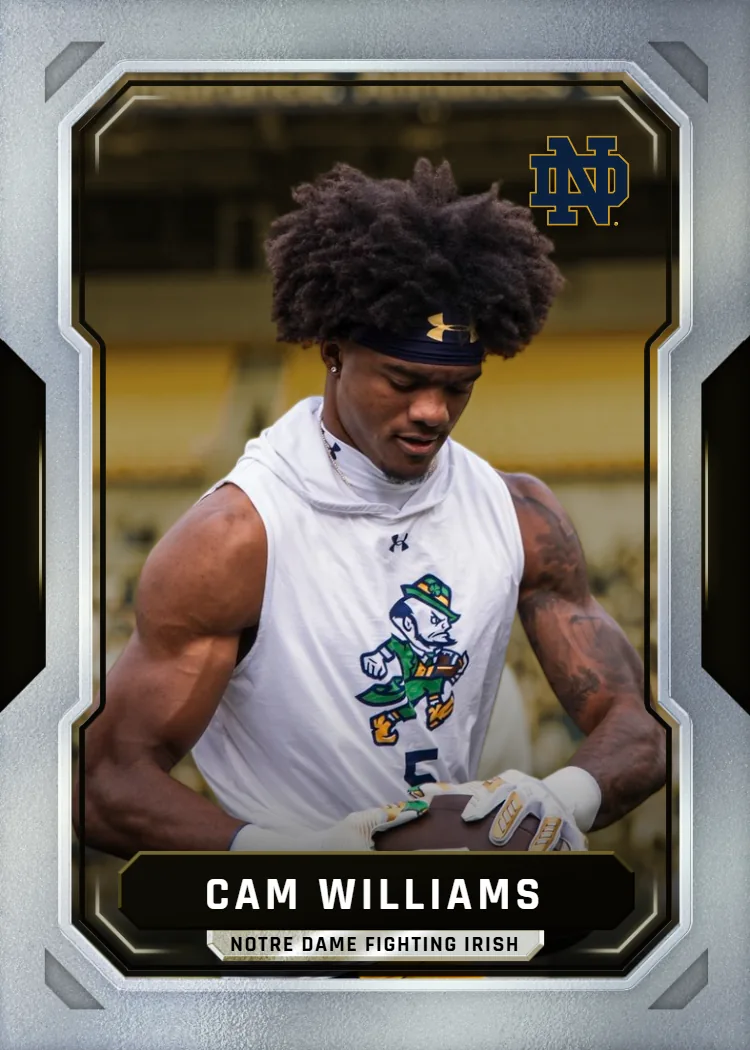





Ready to Find Baseball Card Value — and Create Something New?
Run the playbook, know what you've got, then turn the photos that matter into a custom card built to last. Upload a photo, pick a template, and we'll print it on premium card stock and ship it the next business day with a free magnetic case.
Start Your Custom CardNo credit card required | Instant preview | Pro-quality designs
Explore More Card Options
Discover more custom trading card options for every sport and occasion