
Fundraising for Sports Clubs: Separating Myth From Fact
Most coaches assume fundraising for sports clubs means another candy bar table outside the gym. That's the myth talking.
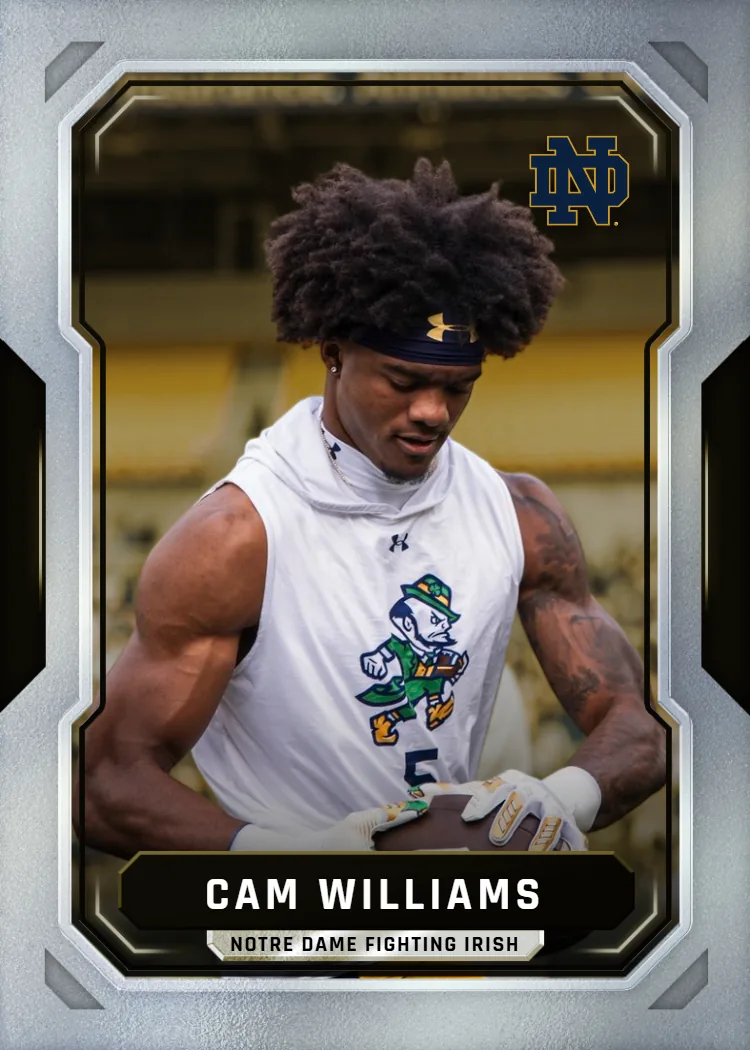
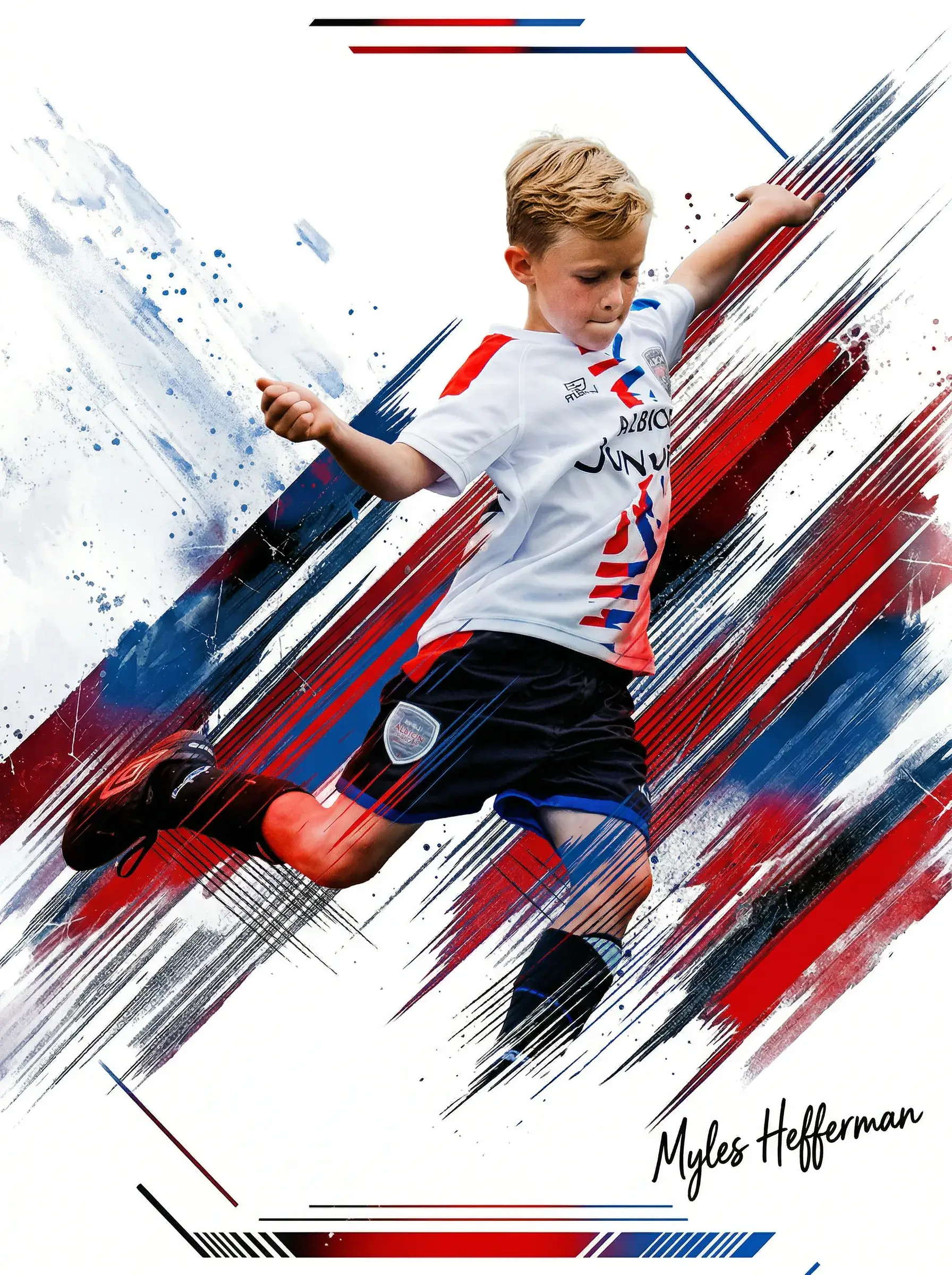
Upload a photo of your player, pet or team, choose an available template, and preview your design before ordering a printed card.
Every club, from rec-league soccer to a high school wrestling program, hits the same wall: parents are tapped out on wrapping paper catalogs, and kids don't want to knock on doors. Traditional fundraisers eat weeks of planning for a few hundred dollars in profit, and half the inventory ends up unsold in someone's garage. Coaches end up doing the selling themselves because families quietly opt out. The result is burnout on both sides, and a club treasury that never quite covers the season's real costs — uniforms, travel, tournament fees, equipment replacement.
Here's the fact: fundraising for sports clubs works best when the product is something families already want to buy — not something they're guilted into. Custom trading cards flip the model. Players get a personalized card of themselves in a pro-style design, parents happily pay for a keepsake, and the club keeps the difference. No inventory, no unsold boxes, no door-to-door awkwardness.
Let's separate what actually moves the needle from what's just fundraising folklore.
Related Topics
We ship custom cards to teams and clubs in all 50 states every week, from small-town rec leagues to competitive travel programs.
Frequently Asked Questions
How long does it take to get cards printed and shipped for a fundraiser?
Cards print and ship within 2-3 business days once photos and orders are submitted, which is fast enough to fit into most mid-season fundraising windows. That turnaround matters because many clubs don't plan fundraisers months in advance — a tournament cost or equipment need often pops up with only a few weeks' notice. Coaches can collect photos at a single practice, submit orders within a day or two, and have physical cards in hand well before the next game or banquet. This also means clubs aren't stuck waiting on a slow vendor while trying to hit a fundraising deadline tied to travel costs or registration fees. For end-of-season banquets specifically, this timeline allows clubs to finalize photos late in the season and still have cards ready for the event. It's one of the more underrated advantages compared to fundraisers that require weeks of lead time for custom printed goods.
Do we need professional photography for the cards to look good?
No, and this is one of the biggest misconceptions coaches have going in. Snapshot's templates are designed to work with everyday smartphone photos, including action shots taken during practice or a game. The pro sports-card-style layouts do a lot of the visual heavy lifting, framing the athlete's photo in a way that looks polished regardless of who took the picture or what camera was used. That said, good lighting and a clear, in-focus shot of the athlete will always produce a better final card than a blurry or poorly lit one. Many teams designate one parent with a decent phone camera to spend twenty minutes at a single practice capturing photos of every player. Some clubs even do this during a scheduled picture day alongside normal team photos, which streamlines the whole process. There's no need to hire an outside photographer or invest in special equipment, which keeps the fundraiser's overhead close to zero and protects the overall profit margin for the club.
What sports and age groups does this fundraising approach work for?
It works across essentially every sport and age level, from 6-and-under recreational soccer to adult club leagues and everything in between. The template designs aren't sport-specific in a limiting way — coaches can select layouts that fit baseball, basketball, wrestling, volleyball, lacrosse, or dance and cheer programs equally well. Younger teams tend to see strong buy-in from parents who want a keepsake of their child's first season, while older competitive athletes and travel teams often use cards as part of a bigger fundraising push tied to tournament travel. The flexibility means a club running multiple teams across different age groups and sports can standardize on the same fundraising approach without needing a different plan for each squad. This consistency also makes it easier for a club's board or booster organization to manage fundraising calendars across an entire season, rather than juggling different vendors or products for different teams.
How much should our club charge families for the cards to make a profit?
Most clubs mark up somewhere between 30% and 60% over the base cost, though the right number depends on your community and fundraising goals. A single card at $17.99 might retail for $25, while a pack priced at $49.99 could sell for $65-$75 as part of a bundle deal. It helps to think about what comparable keepsakes cost elsewhere — professional team photo packages often run $40-$80, so custom cards are competitively priced even with a healthy markup. Clubs raising money for a specific goal, like a tournament travel fund, often communicate that goal directly to families, which tends to support a higher price point without pushback. It's worth testing pricing with a smaller group first, like one team, before rolling it out club-wide. That way you can gauge what families are comfortable paying before committing to a price across every roster. Being transparent about where the markup goes also builds trust and encourages repeat participation in future seasons.
Can we bundle cards with other fundraising items for a bigger event?
Absolutely, and bundling is one of the more effective strategies clubs use to boost per-family spend at banquets or end-of-season events. A common approach pairs an individual card pack with the MEGA 11x15 poster card featuring the whole team, priced together at a slight discount compared to buying separately. This gives families both a personal keepsake and a group memento, which increases the average transaction size without much added effort on the club's end. Some clubs also bundle cards with spirit wear or a banquet ticket, turning the card sale into part of a larger end-of-season package deal. Because cards ship quickly, coordinating a bundle around a banquet date is usually straightforward as long as photos are submitted with enough lead time. Bundling also simplifies the sales pitch to parents — instead of multiple separate asks throughout the season, it becomes one clear purchase decision at a single event, which tends to reduce fundraising fatigue for families juggling several kids' activities.
What if a parent wants a reprint or made a mistake in their order?
Reordering is straightforward since there's no fixed print run or minimum order tied to the original batch. If a parent needs an additional copy, a different size, or wants to fix a photo selection, they can place a new order without waiting on the rest of the team's batch to be adjusted. This is different from bulk-print fundraising products where mistakes often mean living with an error until the next print cycle, sometimes an entire year later. Because each card is produced individually, an error on one player's card doesn't hold up delivery for the rest of the roster. It's a good idea for coaches to double-check spelling of names and jersey numbers before submitting the full team's order, since that's the most common source of reprint requests. Building in a short review window — even just 24 hours for parents to check proofs — cuts down on late corrections and keeps the fundraiser timeline on track for the whole team.
Is there a minimum number of cards or players required to run this fundraiser?
No, there's no minimum order requirement, which makes this approach workable for teams of any size. A small club with eight athletes can run the exact same fundraiser as a large program with sixty kids across multiple squads. This flexibility matters because many traditional fundraising vendors impose minimum case orders or bulk pricing tiers that don't make sense for smaller rosters. Without that constraint, a tee-ball team with a dozen players can still generate meaningful fundraising revenue without overordering or getting stuck with a required inventory level they can't sell through. It also means clubs can pilot the fundraiser with one team before rolling it out across an entire organization, testing pricing and parent response on a smaller scale first. That kind of low-risk testing is hard to do with fundraisers that require committing to inventory purchases before knowing whether families will actually buy in.
How do we collect payment from parents before or after ordering cards?
Most clubs handle payment collection directly, either through a team management app, a simple online form, or cash and check collected at practice, then place a single consolidated order with the marked-up price already built in. Some clubs prefer to collect money upfront before submitting any card orders, which removes the risk of a coach or treasurer fronting costs. Others set a deadline, collect a roster of confirmed orders and payments, then submit everything at once to keep things organized. Because pricing and payment collection happen outside of the printing process itself, clubs have full control over how they manage cash flow, whether that means requiring payment before design proofs go out or allowing a short payment window after cards are ordered. It's worth designating one point person, often the team manager or treasurer, to handle collection and reconciliation so there's a clear record of who's paid and who still owes for their child's card.
Will this fundraiser actually appeal to parents who are tired of traditional sales pitches?
Generally yes, because the psychology behind it is fundamentally different from asking someone to buy candy or wrapping paper they don't need. Parents aren't being asked to sell anything to coworkers or neighbors — they're being offered the chance to buy a keepsake of their own child playing a sport they love. That distinction removes almost all of the social discomfort that makes traditional fundraisers exhausting for families juggling multiple kids' activities and busy schedules. Coaches consistently report less pushback and higher participation rates with keepsake-based fundraisers compared to catalog sales, largely because there's no obligation dynamic at play. It also helps that the product itself has lasting value — a custom card sits in a display case or scrapbook for years, unlike a box of chocolate that gets eaten within a week. For clubs worried about fundraising fatigue among families who've been asked to sell things for years, this approach tends to feel like a welcome change rather than one more ask.
Can multiple teams within one club run separate fundraisers at the same time?
Yes, and many larger clubs with multiple age groups or divisions do exactly this without any conflict between teams. Because there's no shared inventory or bulk order requirement, one team's card fundraiser doesn't compete with or limit another team's ability to run theirs simultaneously. This is particularly useful for club organizations managing several teams across different sports or age brackets, where a single all-club fundraiser might not fit every team's specific budget needs. Instead, each team's coach or team parent can manage their own photo collection, template selection, and order timeline independently. Some larger clubs choose to centralize the process slightly by having one volunteer coordinate template choice across all teams for a consistent look, while still allowing each team to set its own pricing and collect its own funds. This decentralized approach scales well for club organizations with dozens of teams, since there's no logistical bottleneck created by everyone ordering through a single shared batch or deadline.
What's the biggest myth about fundraising for sports clubs that this approach disproves?
The biggest myth is that fundraising has to involve selling something nobody actually wants, and that profit only comes from volume. Traditional models assume you need to move a lot of low-margin product to distant customers to hit a fundraising goal, which is why teams end up asking parents to sell to coworkers, neighbors, and extended family. Custom card fundraisers prove that a smaller number of higher-value, higher-margin transactions with people who already have a reason to buy — the athlete's own family — can raise comparable or better funds with far less effort. There's no need to canvas a neighborhood or set up a table outside a grocery store. The other myth this disproves is that fundraisers require significant upfront financial risk from the club or its volunteers. Because cards are ordered per athlete after payment, there's no upfront inventory purchase and no risk of being stuck with unsold product. That single shift, from bulk-and-hope to personalized-and-paid, is what makes this model fundamentally different from the fundraising tactics most coaches grew up with.
How far in advance should a club plan a card fundraiser before the season ends?
Ideally, start collecting photos at least three to four weeks before you need funds in hand, which builds in a buffer for the 2-3 day print and shipping window plus time to collect payments from families. Many clubs make the mistake of waiting until the very last practice to gather photos, which compresses the timeline and adds pressure if any reprints or corrections are needed. A better approach is to schedule a dedicated picture day early in the back half of the season, giving coaches time to review photos, confirm names and numbers are spelled correctly, and set pricing before opening orders to parents. For banquet-focused fundraisers, working backward from the event date is the safest strategy — count back at least two weeks to allow for order processing, printing, shipping, and any last-minute reorders. Clubs that plan this way rarely run into a situation where cards arrive after the event they were meant for, which is the most common regret coaches mention when they've cut the timeline too close.
Free to design, instant preview. Free US standard shipping on orders $30+. Review delivery options at checkout.
How Does Fundraising for Sports Clubs With Custom Cards Actually Work?
It's a three-step process built around photos you already have on your phone.
Upload Team Photos
Coaches or team parents collect action shots or posed photos of each athlete — no professional photographer required. Upload them to Snapshot's platform, one photo per player is enough to start. Most teams gather these during a single practice with a smartphone camera.
Pick a Template and Set Pricing
Choose from pro sports-card-style templates that match your sport, whether that's a stat-back design or an action-shot layout. Decide what the club will charge families — many clubs mark up from Snapshot's base price and keep the margin as fundraising profit, similar to how spirit wear works.
Print, Ship, and Collect
Cards print on premium card stock and ship in 2-3 days with a free magnetic case, with free shipping over $30 across the USA. Families pay the club directly, cards arrive at practice or get mailed home, and there's no leftover inventory sitting in a closet.
No upfront inventory cost, no returns, no awkward sales pitch at the grocery store.
What Makes This Approach Better Than Traditional Club Fundraisers?
The math and the mood both improve when the product sells itself.
Higher Margins, Less Waste
Traditional fundraisers often net 30-40% after inventory costs and unsold stock. Custom cards eliminate leftover product entirely since orders are placed per athlete, which protects your margin from day one.
Families Want to Buy In
Nobody feels obligated to buy a keepsake of their own kid. That removes the social friction of asking neighbors or coworkers to purchase something they don't need.
Zero Setup Time for Coaches
There's no popcorn machine to rent, no order forms to chase down, and no cash box to reconcile. Photos go in, cards come out — coaches stay focused on practice, not paperwork.
Works for Every Level
Whether it's a 6-and-under rec team or a varsity program, the model scales. Small rosters order small batches; large clubs can run it across multiple teams at once without extra logistics.
Where Do Sports Clubs Actually Use This for Fundraising?
Three scenarios show up again and again across clubs we work with nationwide.
End-of-Season Banquets
Clubs sell custom cards as banquet keepsakes, often bundling a pack with a MEGA 11x15 poster card for team photos. Families pay at pickup or online, and the club pockets the difference between wholesale and retail pricing — often the single largest fundraising event of the year for smaller programs.
Travel and Tournament Costs
Travel clubs facing airfare or hotel costs for out-of-state tournaments use card sales as a low-effort supplement to bigger fundraisers. Because cards ship in 2-3 days, clubs can run a sale mid-season and have product in hand before the next tournament weekend.
New Equipment or Uniform Drives
When a club needs to replace pads, nets, or jerseys, a card fundraiser can run alongside a GoFundMe or sponsor push. It gives donors something tangible in return, which tends to boost participation compared to asking for a straight donation.
Do Clubs Actually Stick With This Fundraising Method?
Coaches who run a card fundraiser once tend to build it into the annual calendar, largely because there's no leftover inventory to manage after the season ends. Clubs across the country — from small-town rec leagues to competitive travel programs — have shifted at least part of their fundraising calendar toward keepsake-based sales for exactly this reason.
What Does Fundraising for Sports Clubs With Snapshot Cost?
Pricing is straightforward, with no minimum order size or setup fee.
A single custom card runs $17.99, packs go up to $49.99, and the MEGA 11x15 poster card is $49.99. Shipping is free over $30 anywhere in the USA.
Clubs typically mark up the retail price to families, keeping the spread as fundraising profit — with no unsold inventory risk.
Box Options
Simple, collectible pricing. No subscriptions, no hidden fees.
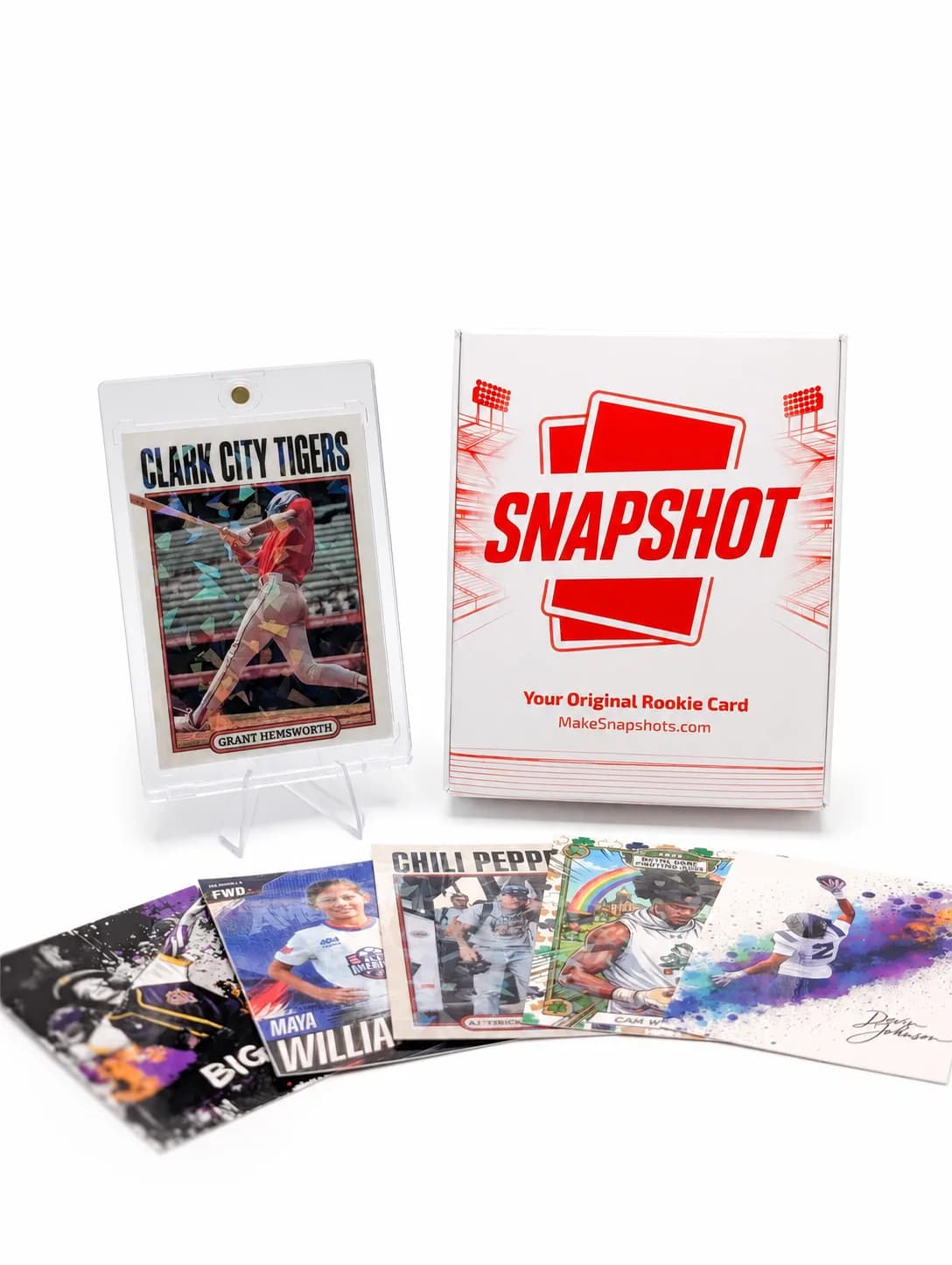
The Rookie Box
Perfect for those unforgettable moments
$17.99 - $49.99
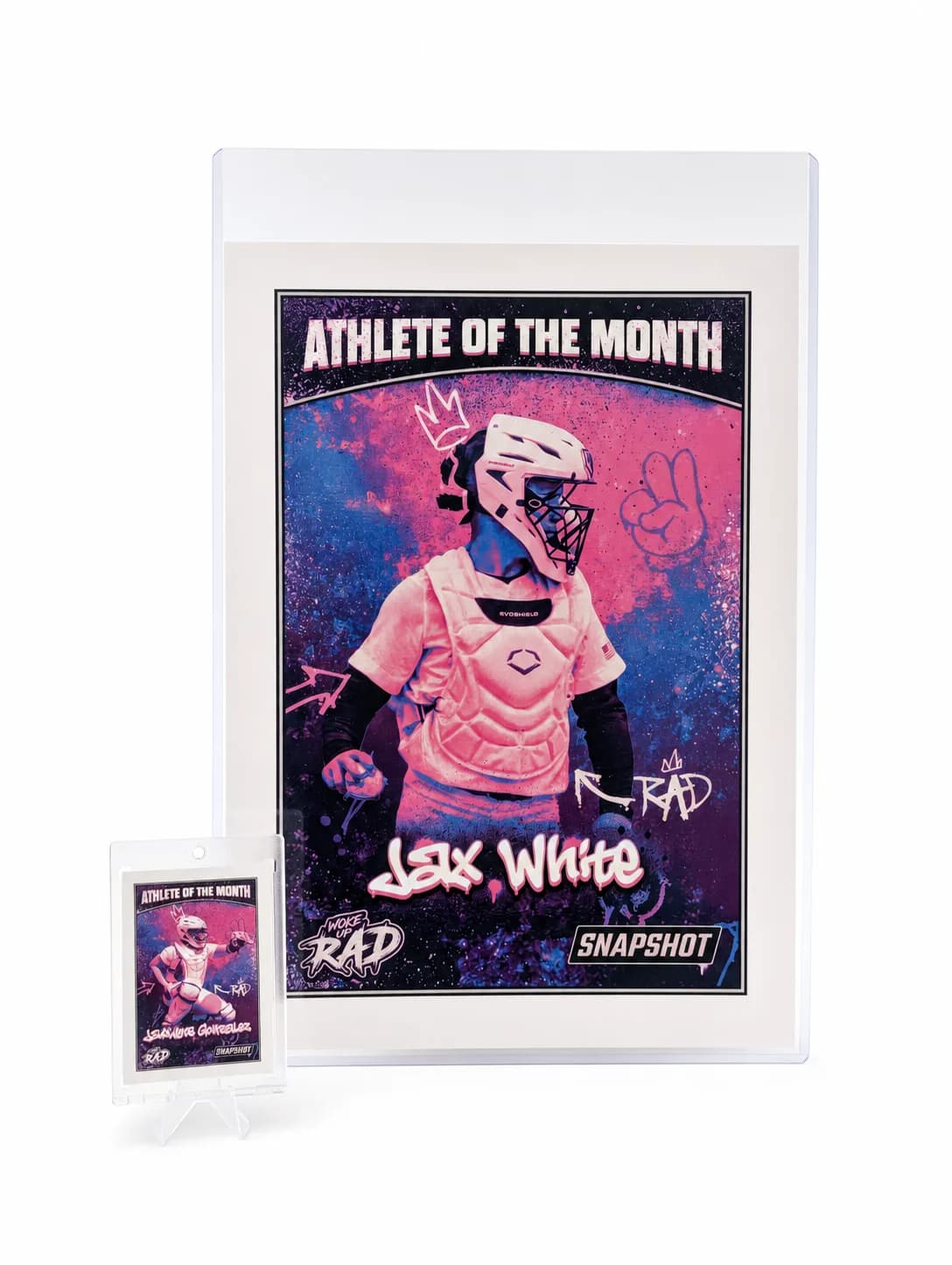
MEGA Card
Their moment, bigger than ever
$49.99
Create for free • Ships the next business day • Made in Des Moines, IA, USA


Ready to Start Fundraising for Sports Clubs the Simple Way?
Upload your team's photos, pick a template, and let families order what they actually want to buy. Production takes one business day; shipping time is quoted at checkout for your address.
Start Your Team FundraiserNo credit card required | Instant preview | Pro-quality designs
Explore More Card Options
Discover more custom trading card options for every sport and occasion