
Mental Coaching for Young Athletes Needs a Confidence Anchor
A nine-year-old missed the game-winning shot, went quiet in the car, and didn't touch a ball for three days.
Upload a photo of your player, pet or team, choose an available template, and preview your design before ordering a printed card.

"I created a few AI cards for my kids. I started collecting back on February and the boys love the Kaboom cards. My daughter loves princesses so I made her a Disney card through AI. I looked for a company to actually make the card and found Snapshots. Very easy to use, very fast, excellent price. They actually called me to verify some of the information on the picture and offered to make any changes. I received them very quickly. I rarely leave reviews, but I felt this company deserved to hear that they are doing it right and I will definitely be using them again very soon."
— jimmy P. · 3 months ago
"We had my son’s senior pictures taken at Target field so I wanted to put those images on a baseball card to give out at his graduation party! I had so much fun creating them on the website! I ordered them on a Wednesday night and they were at my door that Saturday! Very quick! I couldn’t wait to open them! They are awesome! Better than I could have ever imagined! The quality is well worth the money! Amazing job! Will definitely recommend to anyone looking for a unique way to capture a forever memory!"
— Greg S. · 5 months ago
"These are great quality cards and look amazing will be ordering more from them."
— Blaine R. · 5 months ago
"I ordered cards on a Monday so they would be shipped and arrive by Friday. The next day through a series of unexpected events and missed communications on my part, I discovered my order was delayed. I reached out to see if there was anyway my order could still be processed and shipped out on time. Graham (CTO) reached out to me personally via email and phone to fix the issue and ensure my order was processed and shipped out on time. I received them on that Friday as I was originally hoping. Upon opening they were better than expected. The card stock is sturdy and the printing was high quality! I would definitely recommend this company and will be making more cards to order."
— Ron D. · 4 months ago
"This was perfect! Ordered and was in my mailbox within a week. They were exactly what I imagined! I can’t wait for my Kickin Nuggets U4 Soccer team to get their player cards!!!"
— Brittany C. · 5 months agoReviews from Google
That's the part mental coaching for young athletes tries to fix — the gap between how a kid performs and how they talk to themselves about it afterward. Parents hire sports psychologists, buy workbooks, sign up for breathing apps. But most of that coaching happens in a room, gets written in a notebook, and fades by Tuesday. Kids need something physical to hold onto between sessions. Something that says 'you're an athlete' even on the days the scoreboard disagrees. Without a tangible reminder, the mental work resets every time confidence takes a hit.
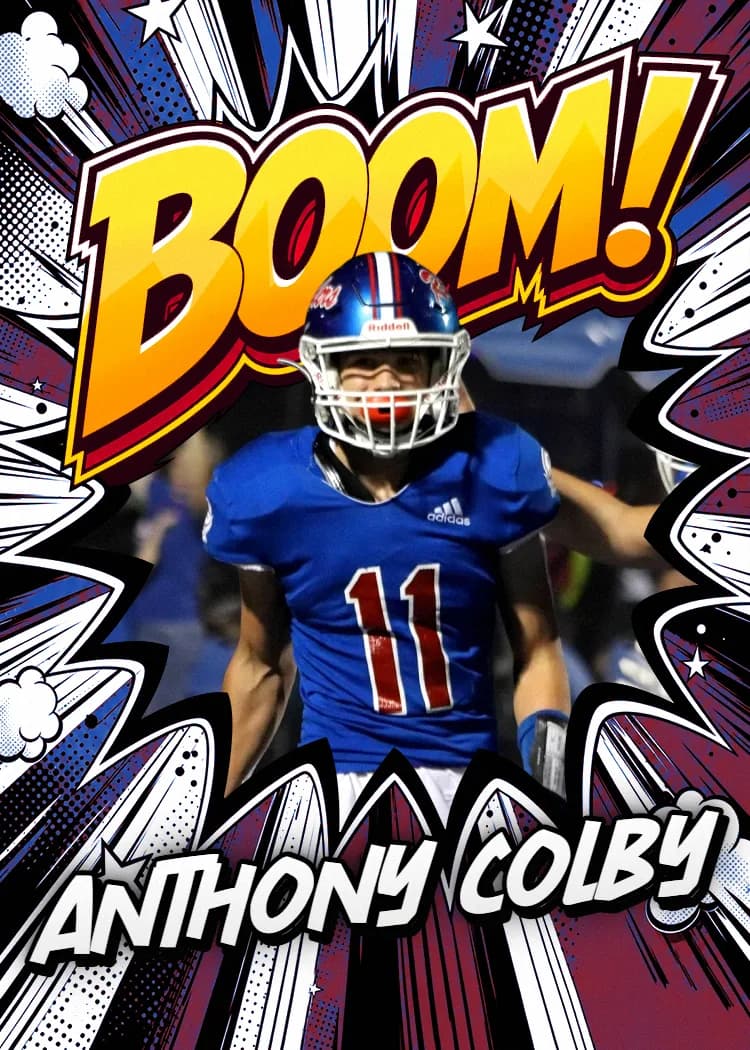
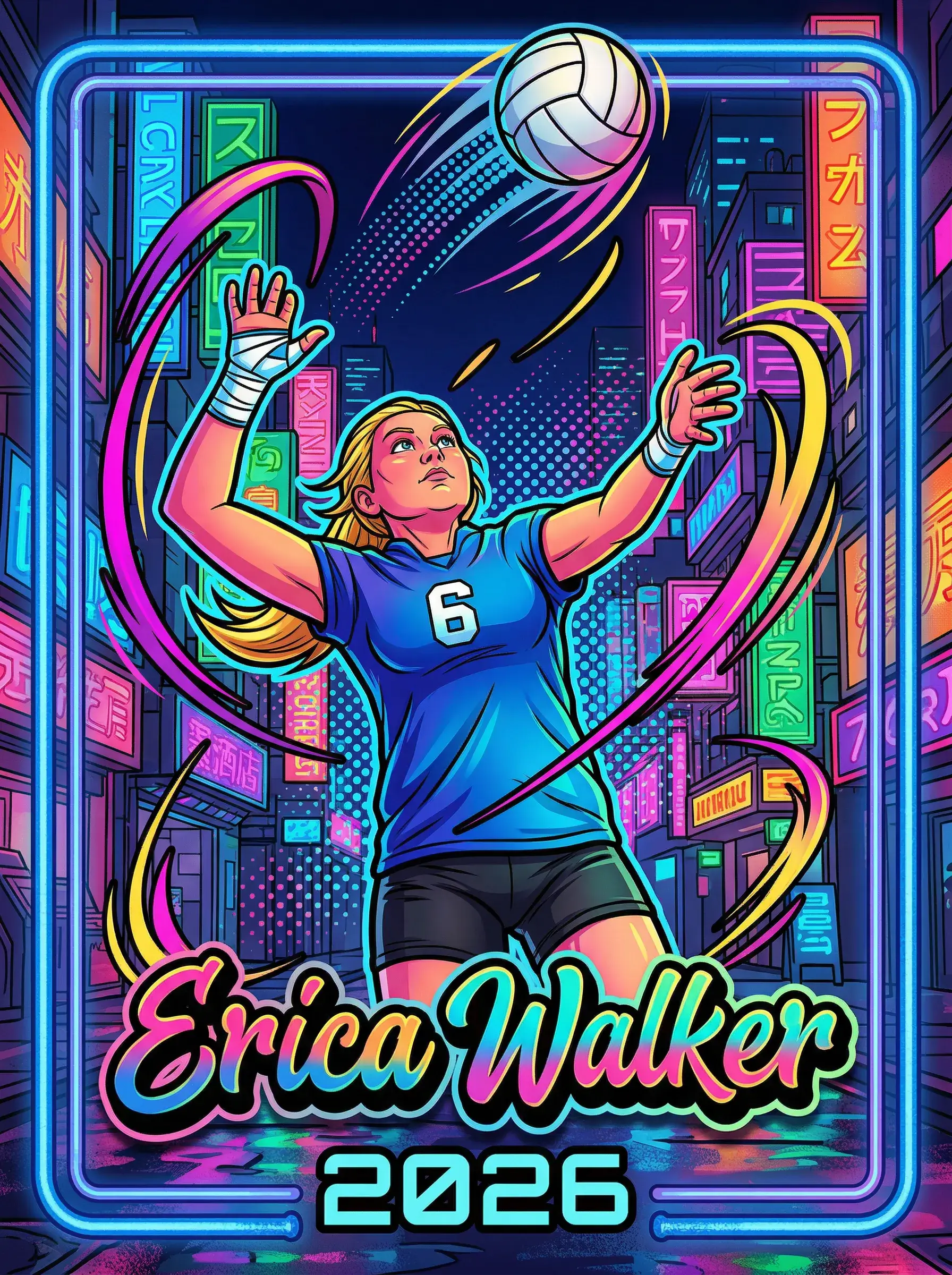
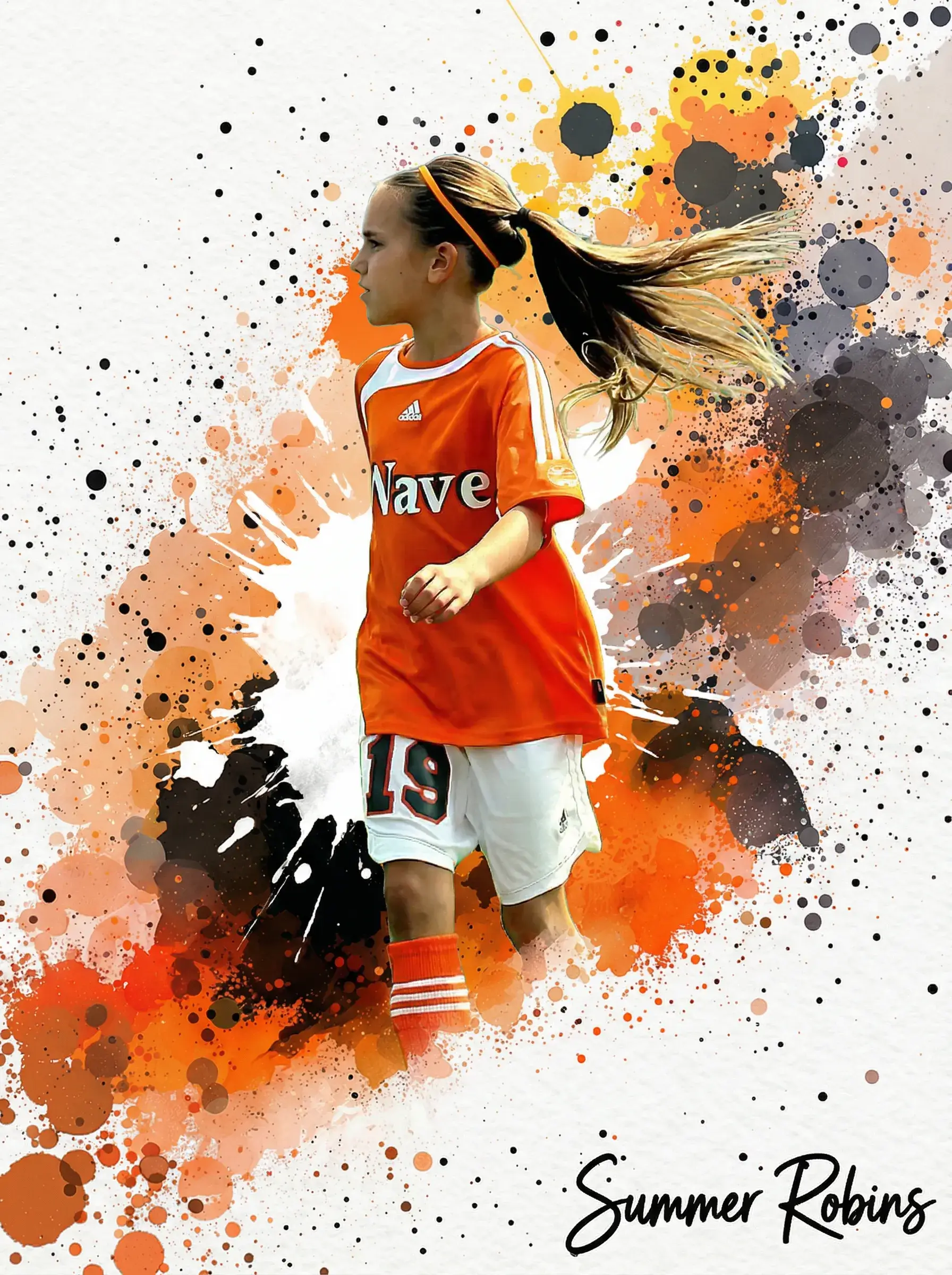
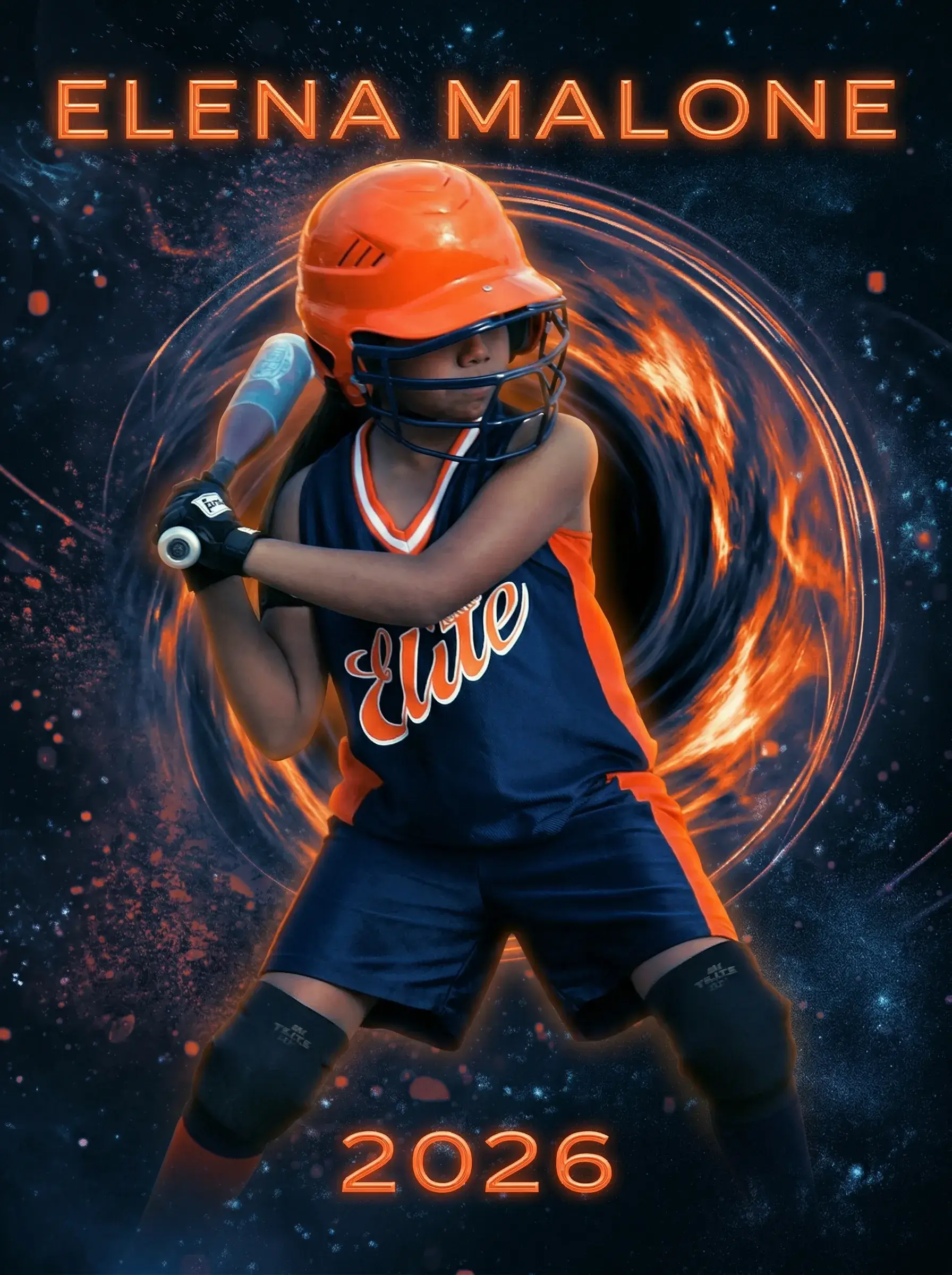
Snapshot makes custom trading cards from any photo — practice, bench, game day, doesn't matter. You upload the picture, pick a pro-style template, and a professional card stock card ships the next business day with a free magnetic case. It's not a replacement for a mental skills coach. It's the artifact that makes the coaching stick, something a kid can hold before a free throw or tuck in a bag on a bad day.
Here's how a $17.99 card fits into a mental training plan that actually holds up under pressure.
Related Topics
See your photo on a card
Pick a photo and preview it on a real Snapshot template, right here.
Your photo stays on your device.
Mental Coaching Tools: Notebook vs. App vs. Custom Card
| Option | Strength | Limitation |
|---|---|---|
| Journaling notebook | Good for tracking patterns over time | Rarely used consistently by kids under 12 |
| Mental training app | Structured exercises and reminders | Adds screen time; needs a device on hand |
| Custom trading card | Portable, tactile, no screen required, ready before every game | Not a substitute for guided coaching sessions |
Getting the Most Out of a Confidence Card
- •Choose a photo from a moment of effort, not just a win
- •Let the athlete pick which card they want made, if ordering more than one
- •Keep it somewhere they'll actually see it — bag pocket beats a drawer
- •Don't overexplain the purpose; let them form their own connection to it
Free to design, instant preview. Free US standard shipping on orders $30+. Review delivery options at checkout.
What a Custom Card Adds to a Mental Training Plan
A trading card isn't therapy. It's leverage for the therapy that's already happening.
Portable confidence
A wallet-sized card travels to tournaments, tryouts, and the bench in a way a workbook never will. Kids can glance at it in the dugout thirty seconds before their at-bat.
Visual proof of progress
Mental coaching often asks kids to 'remember a time you did well.' A card makes that memory literal instead of asking a nine-year-old to conjure it from nothing under pressure.
A calmer pre-game ritual
Sports psychologists love routines. Looking at a card, reading a stat line, tracing an edge — it's a small, repeatable action that settles a racing mind before first pitch.
Something to be proud of, not judged by
Unlike a trophy or a stat sheet, a card doesn't rank performance. It just says 'this happened, and it mattered,' which is exactly the message most mental skills work is trying to reinforce.
How Does Mental Coaching for Young Athletes Actually Work?
Most programs follow a three-part loop: build awareness, rehearse the response, anchor it to something concrete.
Name the moment that rattles them
A coach or parent helps the kid identify the exact trigger — a missed serve, a bad inning, getting pulled from the lineup. Naming it takes away some of its power. This is the diagnostic stage most mental coaching for young athletes programs start with, and it's the one step families often skip because it feels slow.
Rehearse a steadier response
Breathing drills, visualization, or a simple phrase repeated before the next rep. The goal isn't to stop nerves — it's to keep performing through them. Coaches usually pair this with a visual cue, something the athlete looks at right before the moment that used to derail them.
Anchor it to something real
This is where a custom card earns its spot. Upload a photo from the season, choose a template that looks like the pro cards they collect, and it arrives printed on premium card stock in a free magnetic case. It becomes the visual cue from step two — proof they've competed before and survived it.
None of this requires a therapist's office. It requires repetition and one good object to repeat it around.
Why Coaches and Parents Keep Reordering These
Youth sports psychologists have started recommending a physical confidence object as part of pre-competition routines, and a printed card fits that need without adding screen time. It's a small, repeatable purchase that stays relevant as long as the kid keeps playing.
Where Families Are Using This Alongside Mental Coaching
The applications aren't flashy. They're small, daily, and that's the point.
The comeback season
A kid returning from injury or a slump gets a card from their best moment of the prior season — not their worst. Coaches use it as a bridge: 'you've been this athlete before, you can be it again.' It sits in their bag through the whole comeback stretch.
Pre-competition nerves
Gymnasts, wrestlers, and swimmers deal with individual pressure differently than team-sport kids — there's nowhere to hide. A card tucked into a gym bag becomes a two-second grounding exercise before stepping onto the mat or the blocks, something tactile when everything else feels out of control.
Working with a sports psychologist
Some therapists now ask families to bring a physical reminder of the athlete's identity to sessions. A custom card works well here — it's specific, it's theirs, and it opens conversation faster than a generic worksheet ever does.
What Does This Cost Alongside a Coaching Program?
Mental coaching sessions run anywhere from $75 to $200 an hour. A card that supports that work costs a fraction of one session.
Single cards start at $17.99, packs run up to $49.99, and the MEGA 11"×15.4" poster card is $49.99. Free shipping over $30 across the USA, one-business-day turnaround, free magnetic case included.
One card costs less than a single training session but gets used every single day the athlete needs it — practice, bench, or bad-day pep talk.
Box Options
Simple, collectible pricing. No subscriptions, no hidden fees.
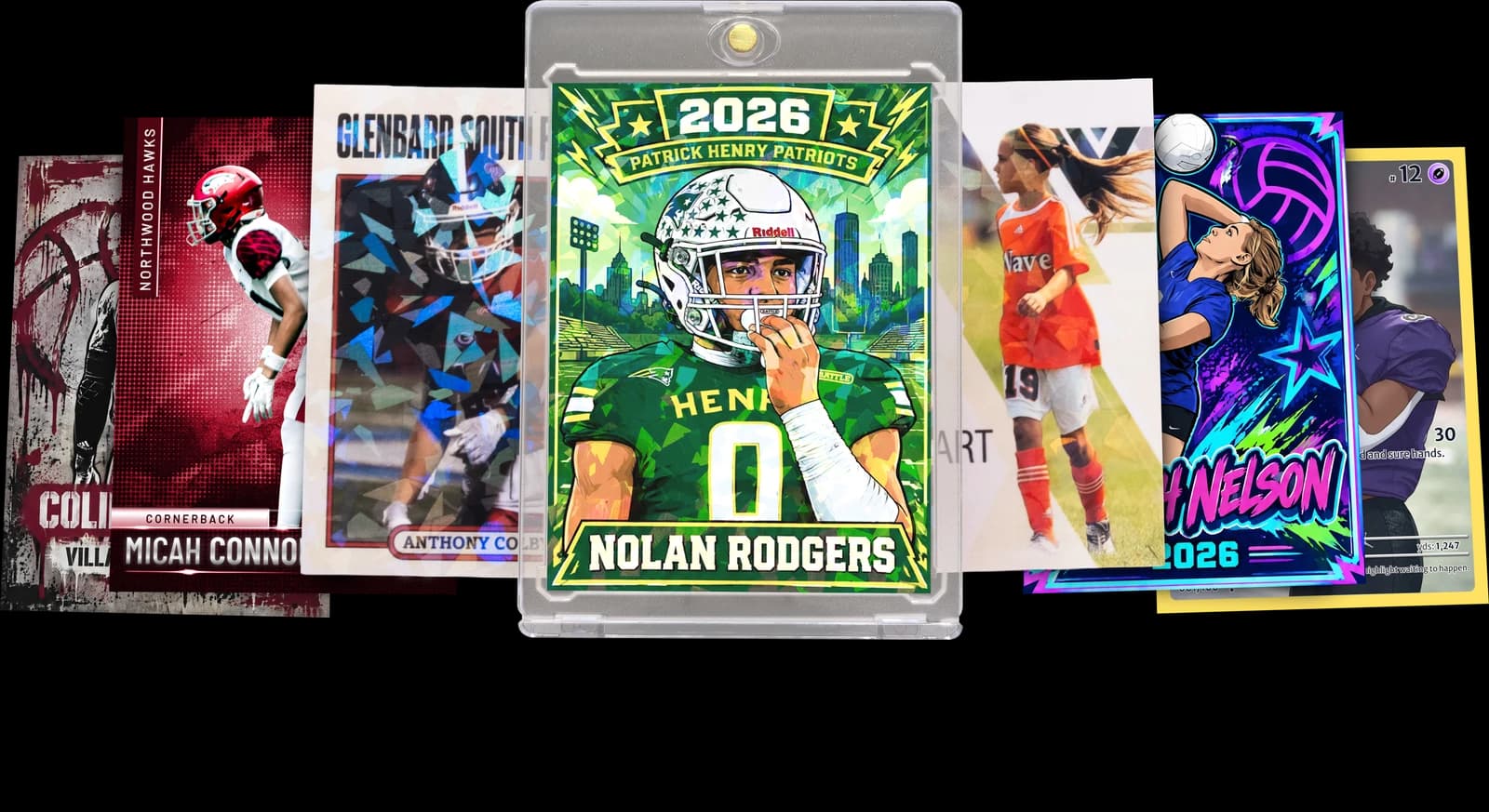
The Rookie Box
Perfect for those unforgettable moments
$17.99 - $49.99
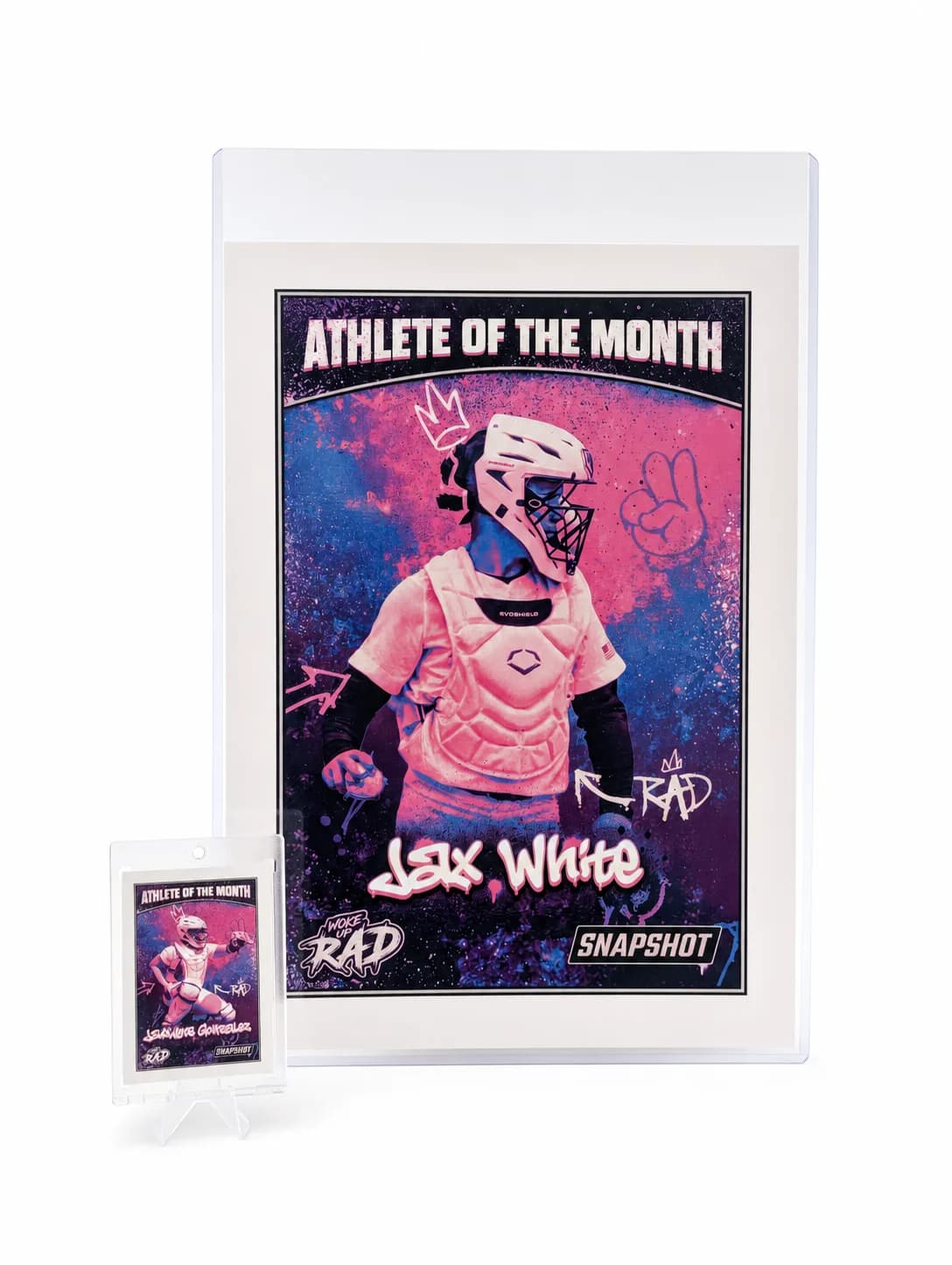
MEGA Card
Their moment, bigger than ever
$49.99
Create for free • Ships the next business day • Made in Des Moines, IA, USA
Frequently Asked Questions
At what age should a kid start mental coaching?
Most sports psychologists say somewhere between ages 8 and 10 is a reasonable starting point, though it really depends on the individual kid and how much pressure they're already feeling. Some children show performance anxiety as early as six or seven, especially in individual sports like gymnastics or swimming where there's no teammate to share the spotlight. Others don't need formal mental coaching until competition ramps up in middle school, when tryouts and rankings start to matter more. The signs to watch for are avoidance — not wanting to go to practice, physical complaints before games, or meltdowns after a loss that seem disproportionate. If you're noticing those patterns, it's worth a conversation with a coach or a sports psychologist rather than waiting it out. Early intervention tends to be gentler and shorter than fixing an entrenched pattern of anxiety later on. It doesn't have to be intensive, either — even light-touch tools, like a visualization habit or a confidence object, can make a real difference before formal coaching starts.
Can a trading card really help with sports anxiety?
On its own, no — a card isn't a substitute for actual coaching or therapy when anxiety is significant. But used alongside mental skills work, it functions as what psychologists call an anchor object, something concrete that triggers a calmer, more confident mental state through repetition. Kids who look at the same card before every game start to associate that image with the feeling of being prepared, not anxious. It's the same principle behind a pre-game playlist or a specific pair of socks, just more personal because it's their own face and their own moment on it. We've heard from parents whose kids started asking for the card specifically before high-pressure games, which suggests the association is forming. It won't fix a clinical anxiety disorder, and we're not claiming it will. But as a small, repeatable ritual that reinforces coaching work already happening, it earns its place in a kid's bag.
How is this different from a regular photo print?
A regular print just shows a moment. A Snapshot card frames that moment the way professional athletes are framed — with a sports-card template, stats, team colors, and a layout kids already recognize from cards they collect. That familiarity matters psychologically; it tells the athlete 'you belong in this category,' which is a subtle but real confidence cue. The card also ships on professional card stock and comes with a free magnetic case, so it holds up to being handled daily, unlike a paper print that curls or fades. Kids treat it differently too — they display it, they show teammates, they keep it in a specific pocket of their bag. A photo print rarely gets that treatment. For the mental coaching use case specifically, the format matters almost as much as the image, because it's the format that makes the object feel earned rather than sentimental.
Do I need my child's coach involved to order one?
Not at all — most orders come directly from parents or the athletes themselves, no coach approval or involvement required. You just need a photo, which can come from a phone, a team photographer, or even a screenshot from game footage if the resolution holds up. That said, some coaches do get involved when they're running a season-long mental skills program, ordering cards as milestone rewards for the whole team. If you're working with a sports psychologist who wants to incorporate a physical confidence object into sessions, you can absolutely order one independently and bring it to the next appointment. There's no approval process on our end either way. The only thing that matters is that you have rights to the photo and it's clear enough to print well, which we'll flag if there's an issue before your order ships.
What kind of photo works best for this?
Action shots tend to work best — mid-swing, mid-stride, right before a jump, anything that captures effort rather than a posed smile. That said, plenty of families use candid bench shots or even practice photos, especially for younger kids who don't have polished game-day images yet. The template does a lot of the visual work, so the photo doesn't need to be professionally shot, just reasonably sharp and well-lit. Phone photos print just fine as long as they weren't taken in low light or heavily zoomed in, which can introduce blur. If you're choosing a photo specifically to support mental coaching goals, pick one from a moment the athlete remembers feeling strong or proud, not necessarily their best statistical outing. The emotional association matters more than the technical achievement. We've seen great results from photos taken seconds after a hard practice, sweaty and unposed, because that's often when kids feel most like real athletes.
How fast will the card actually arrive?
Standard turnaround is one business day from order to shipment, and we ship free over $30 anywhere in the USA. That timeline holds for single cards, multi-card packs, and the larger MEGA poster card, since everything runs through the same production process in Des Moines, Iowa. If you're ordering ahead of a specific competition or a mental coaching session, we'd suggest placing the order at least a week out just to leave buffer room for standard shipping transit after production. Rush situations do come up — a big tournament announced with short notice, for example — and reaching out directly is the best way to see what's possible. Rush orders are available at checkout: Priority and Overnight orders placed before the same-day cut-off on a business day are printed and shipped that same day.
Is one card enough, or should we order a pack?
For most mental coaching use cases, one card is genuinely enough — the goal is a single, meaningful anchor object, not a collection. That said, packs make sense if you're covering multiple moments across a season, like one card for the comeback game and another for the championship. Some families order a small pack so the athlete can rotate cards depending on what kind of confidence boost they need that day — one for nerves, one for pride, one for pure fun. Packs run up to $49.99 and don't cost meaningfully more per card than ordering singles repeatedly. If budget is a factor, though, a single $17.99 card does the job just as well for the core mental coaching purpose. The MEGA poster card is a different category entirely — that's more of a bedroom-wall confidence piece than a pocket anchor, and some families do both.
Will this actually work for a kid who hates attention?
Yes, and honestly it can work especially well for that kid, because the card is private by default — it lives in a bag or a room, not on a wall unless they choose. Kids who dislike public praise often still respond to quiet, personal reminders of competence, which is exactly what this format offers. Mental coaching for young athletes frequently runs into this exact tension: the athlete needs encouragement but recoils from being singled out in front of teammates. A card sidesteps that completely. There's no ceremony, no announcement, just an object they can look at alone before stepping onto the field. Several parents have told us their more introverted kids ended up more attached to their card than outgoing siblings were, precisely because it didn't come with any spotlight attached. If your child shuts down under praise, this tends to be a low-risk, high-comfort option worth trying.
Free to design, instant preview. Free US standard shipping on orders $30+. Review delivery options at checkout.
Give Your Athlete a Physical Anchor for Mental Coaching for Young Athletes
Upload a photo from their season, pick a template, and get a premium card in a free magnetic case shipped the next business day. It's a small piece of the mental coaching puzzle, but it's one they'll actually carry with them.
Create Their Card NowNo credit card required | Instant preview | Pro-quality designs
Explore More Card Options
Discover more custom trading card options for every sport and occasion