
Shutter Speed for Sports Photography: Myths vs. Facts
One number separates a blurry mess from a frame-worthy freeze: your shutter speed for sports photography.
Upload any photo — your kid, your pet, your whole team — pick a pro template, and we print and ship a real, holdable card the next business day.
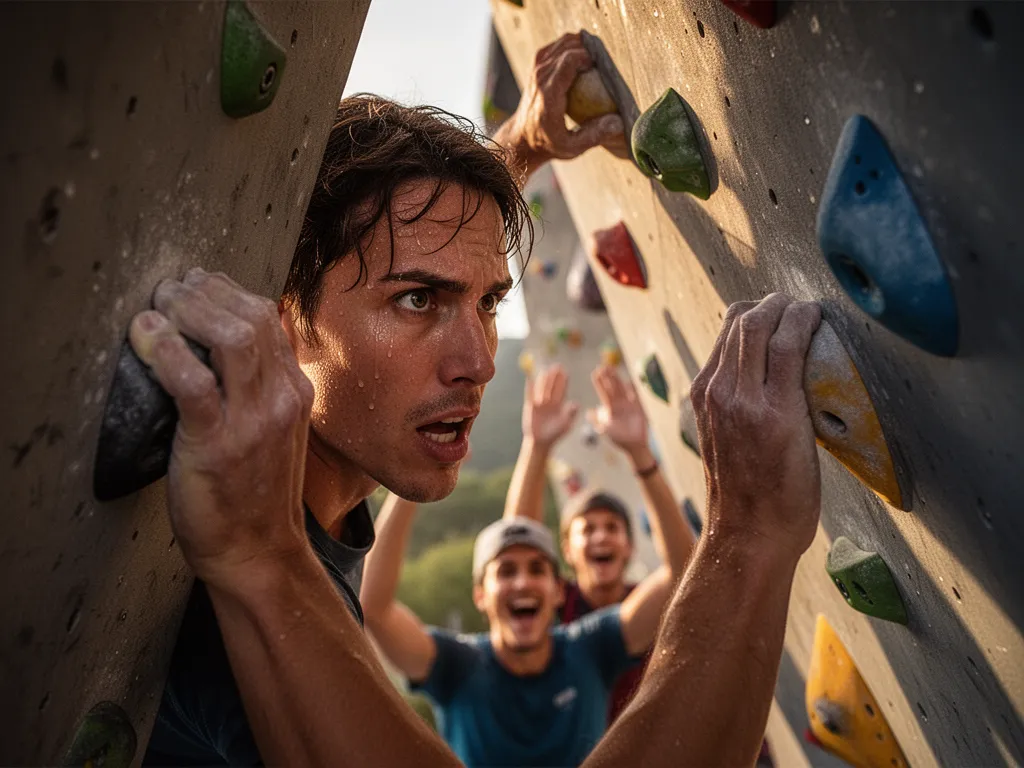
Most photographers shooting youth games, rec leagues, or amateur competitions dial in settings based on advice meant for NFL sideline shooters with $10,000 lenses. That mismatch produces soft images — arms blurred, faces unrecognizable, peak moments lost forever. Gym lighting at a wrestling meet is not the same as a sunny Saturday soccer field, and treating them identically is exactly why so many sports photos never make it off the memory card. The technical gap isn't about gear; it's about understanding the specific demands of motion, light, and timing.
The right shutter speed for sports photography depends on the sport, the lighting environment, and the moment you're trying to capture — not on a single universal rule. This guide cuts through the contradictions you've probably read elsewhere, separates proven technique from persistent myths, and gives you a practical framework you can apply at your next event. And once you finally get that perfect freeze-frame shot, Snapshot turns it into a professional custom trading card worth keeping forever.
Start with the facts — then we'll show you what to do with the shot you nail.
We ship custom trading cards to athletes, parents, and coaches in all 50 states every single week, and we see firsthand how much the quality of the source photo determines the quality of the final card.
Shutter Speed Quick Reference by Sport Type
- Outdoor field sports (soccer, lacrosse, football)
- 1/1000s–1/1250s in full sun; 1/800s on overcast days
- Indoor court sports (basketball, volleyball)
- 1/800s–1/1000s; push ISO to 3200+ as needed
- Swimming and aquatic sports
- 1/1000s for mid-stroke freeze; 1/500s for start/turn peak moments
- Track and field (sprinting, hurdles)
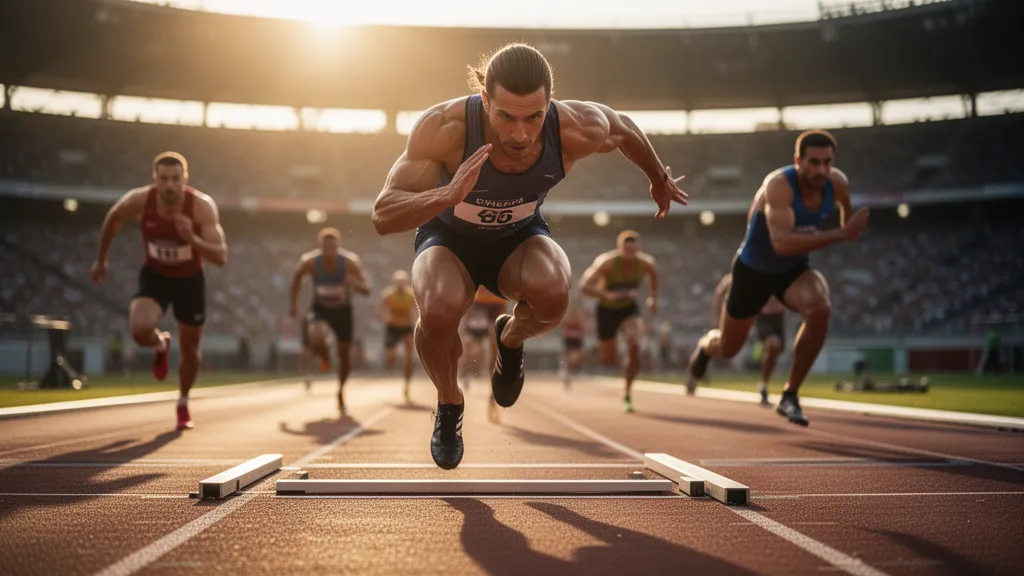
- 1/1250s–1/1600s; faster for finishes where arms and legs move at max speed
- Gymnastics and cheer (aerial elements)
- 1/1000s minimum; 1/1250s preferred for tumbling passes
- Youth recreational sports (all levels)
- 1/640s outdoors; 1/800s indoors; err faster when unsure
- Intentional panning (motion blur technique)
- 1/60s–1/125s; subject sharp, background blurred; requires practice
The 5 Most Common Shutter Speed Mistakes in Sports Photography
Using the same setting for every sport
Adjust shutter speed for the specific motion you're freezing — a swimmer's arm and a pitcher's throw require different speeds even though both sports feel 'fast.'
Refusing to push ISO above 800
Noise is almost always more acceptable than motion blur. A sharp, slightly grainy image at ISO 3200 prints better and looks better on a custom card than a technically clean blurry one.
Setting shutter speed and never adjusting for changing light
Outdoor light changes dramatically as clouds move and as the sun angle shifts. Check your histogram every 10–15 minutes and adjust rather than assuming your settings from game start still apply.
Trying to freeze everything when peak moments are slower
The top of a jump, the moment after contact in a kick, a swimmer's breath — these are biomechanically slower instants. You can shoot them at slightly lower speeds and still get a sharp freeze.
Ignoring autofocus tracking mode
Even a perfect shutter speed can't compensate for a missed focus. Use continuous autofocus (AI Servo on Canon, AF-C on Nikon/Sony) for moving subjects so focus tracks as athletes approach or retreat.
Free to design, instant preview. Ships the next business day.
What Sharp Sports Photos Actually Give You
A technically crisp sports photo isn't just satisfying to look at — it opens up uses that a blurry shot simply can't fill. Here's what sharp images unlock.
Print-Ready Resolution
Motion blur destroys fine detail at the pixel level. A sharp freeze-frame at 1/1000s or faster holds enough resolution to print large — including Snapshot's 11×15 MEGA poster card — without the soft edges that expose technical failures the moment you scale up.
Readable Emotion
Facial expressions in sports tell the whole story: the grimace at the finish line, the wide-eyed celebration, the focus before a free throw. A fast enough shutter speed preserves those micro-expressions in full clarity, making the photo emotionally compelling rather than just technically acceptable.
Custom Card Worthiness
Snapshot's pro trading card templates are designed around sharp, high-contrast action images. Crisp photos with frozen motion fit those layouts cleanly — the subject pops, the background reads as context, and the final card looks genuinely professional rather than like a snapshot someone snapped by accident.
Timeless Keepsakes
Parents, coaches, and athletes return to good sports photos for decades. A technically sharp image ages gracefully; a blurry one looks worse every year. Getting shutter speed right is the single investment in quality that multiplies in value over time.
Shutter Speed Settings That Work Across Every Level
From kindergarten T-ball to adult club sports, the principles are consistent — but the specific numbers shift with environment and sport type.
Youth and Recreational Leagues
Kids move unpredictably and often slower than college or pro athletes — but their excitement is real and the photos matter just as much to families. Start at 1/640s for outdoor daytime games; bump to 1/800s for any sport involving throwing or kicking. Indoor youth sports like gymnastics or basketball need 1/800s minimum and a willingness to push ISO to 3200 or higher without apology.
Outdoor Field and Court Sports
Soccer, lacrosse, tennis, flag football — outdoor daylight is your best friend. A bright midday sun gives you plenty of exposure headroom to push shutter speed to 1/1250s or 1/1600s without sacrificing aperture or ISO. Overcast days require a 1/3 to 2/3 stop compromise, but you can usually hold 1/1000s comfortably and still freeze most field action cleanly.
Indoor and Evening Events
Wrestling gyms, swim meets under fluorescent lights, evening track events — these are where shutter speed compromises hurt most. The reliable floor here is 1/500s for sports with slower peak moments (wrestling holds, swim starts) and 1/800s for anything explosive. Accept higher ISO, shoot RAW, and plan on post-processing noise reduction. One sharp photo at ISO 6400 beats twenty blurry ones at ISO 800.
Why Athletes and Families Across the Country Choose Snapshot
Snapshot ships custom trading cards to customers in all 50 states every week — coaches ordering team sets, parents commemorating a senior season, athletes keeping the best shot from their career. Every order is produced and printed by hand in Des Moines, Iowa, on professional card stock, with a free magnetic case included.
The response from families who finally see a great action photo printed as a real trading card is consistent: they wish they'd done it sooner.
Frequently Asked Questions
Is 1/500s fast enough for sports photography?
It depends entirely on what's moving. For slower sports or peak-moment shots — a diver at full extension, a batter at the top of the backswing before they swing — 1/500s can absolutely work. For fast-twitch actions like a tennis serve, a sprinter's legs mid-stride, or a hockey stick during a slap shot, 1/500s will likely produce visible motion blur. In low-light indoor environments, 1/500s is often a necessary compromise, and it produces acceptable results if you time your shots carefully and shoot during natural pauses in motion.
How does shutter speed affect photo quality beyond just freezing motion?
Shutter speed affects exposure — how much total light hits the sensor. A faster shutter speed means less light, which forces trade-offs in aperture or ISO. Wider apertures (lower f-number) create shallower depth of field, which can beautifully isolate a subject but may cause focus issues when athletes move quickly. Higher ISO introduces digital noise. Understanding these relationships means you're not just picking a shutter speed in isolation; you're managing the whole exposure triangle. Shutter speed is often the variable that drives every other camera decision in sports shooting.
What shutter speed should I use for indoor sports like gymnastics or wrestling?
Indoor sports are genuinely challenging because typical gym and arena lighting is significantly dimmer than outdoor daylight — often by four stops or more. For gymnastics, 1/800s to 1/1000s is ideal to freeze aerial elements, but you'll need to push ISO aggressively, often to 3200–6400. Wrestling allows slightly more flexibility; hold times and slower transitions can be captured at 1/500s–1/640s. The key is to prioritize sharpness over clean ISO. A slightly noisy but sharp photo is always more usable than a technically clean but blurry one.
Does my lens focal length change the shutter speed I need?
Yes, in two important ways. First, longer focal lengths magnify camera shake from hand-holding, so the old rule of thumb — use a minimum shutter speed equal to 1 divided by your focal length — still applies as a baseline for avoiding shake blur on static subjects. At 300mm, that's 1/300s minimum just for camera stability, not even accounting for subject motion. Second, longer lenses used at distance make an athlete's motion appear faster across the frame, which can require slightly higher shutter speeds to achieve the same apparent freeze quality you'd get shooting closer with a wider lens.
Should I use shutter priority mode or manual mode for sports?
Both work; which one is better depends on your shooting environment. Shutter priority (Tv or S mode) is fast to adapt when lighting changes — useful at outdoor events where cloud cover comes and goes. You set the shutter speed, the camera handles aperture automatically. Manual mode gives you complete consistency, which is valuable in controlled indoor environments where light doesn't change shot to shot. Many experienced sports photographers default to manual in gyms and arenas and switch to shutter priority for variable outdoor conditions. Neither is wrong — consistency in your results matters more than dogma about mode selection.
How do I freeze motion in low light without a fast lens?
If your fastest available aperture is f/4 or f/5.6, you're working at a real disadvantage in dim conditions — but it's not hopeless. First, push ISO as high as your camera handles acceptably; modern cameras at ISO 3200 or 6400 often produce serviceable results. Second, use continuous autofocus and burst mode so you're maximizing the chances of catching the exact peak moment where motion slows briefly. Third, position yourself to shoot with available light behind you rather than in front. And fourth, accept a slightly lower shutter speed — 1/500s instead of 1/1000s — and time your shots to the pauses in action.
Free to design, instant preview. Ships the next business day.




Turn Your Best Shutter Speed for Sports Photography Shot Into a Card
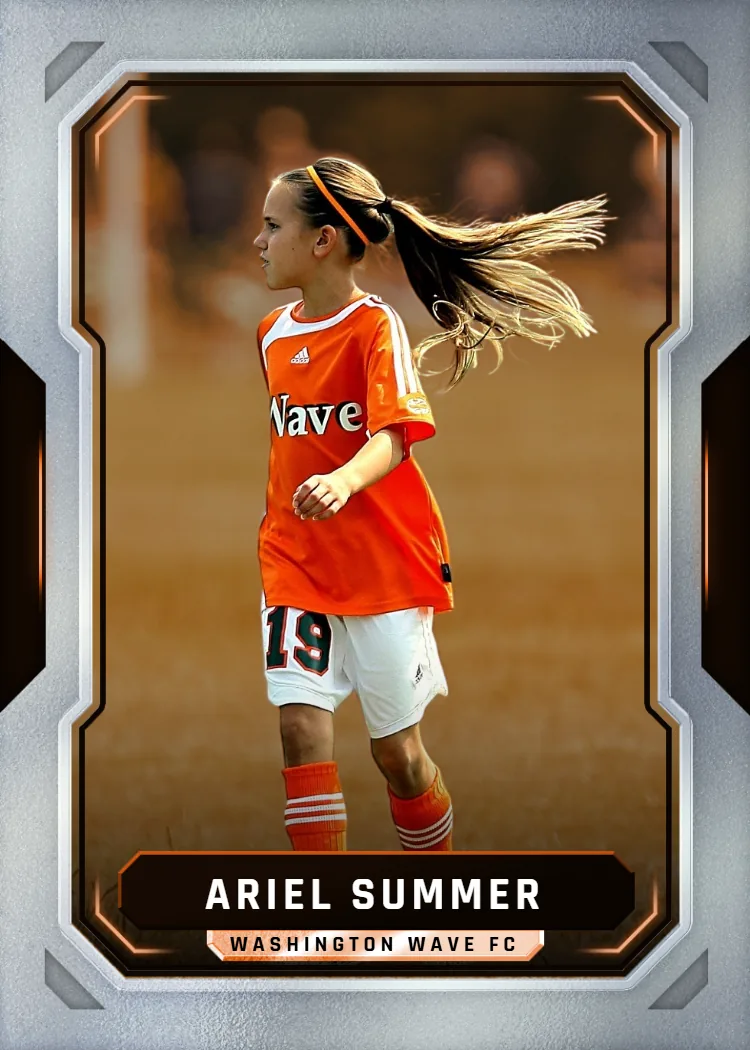
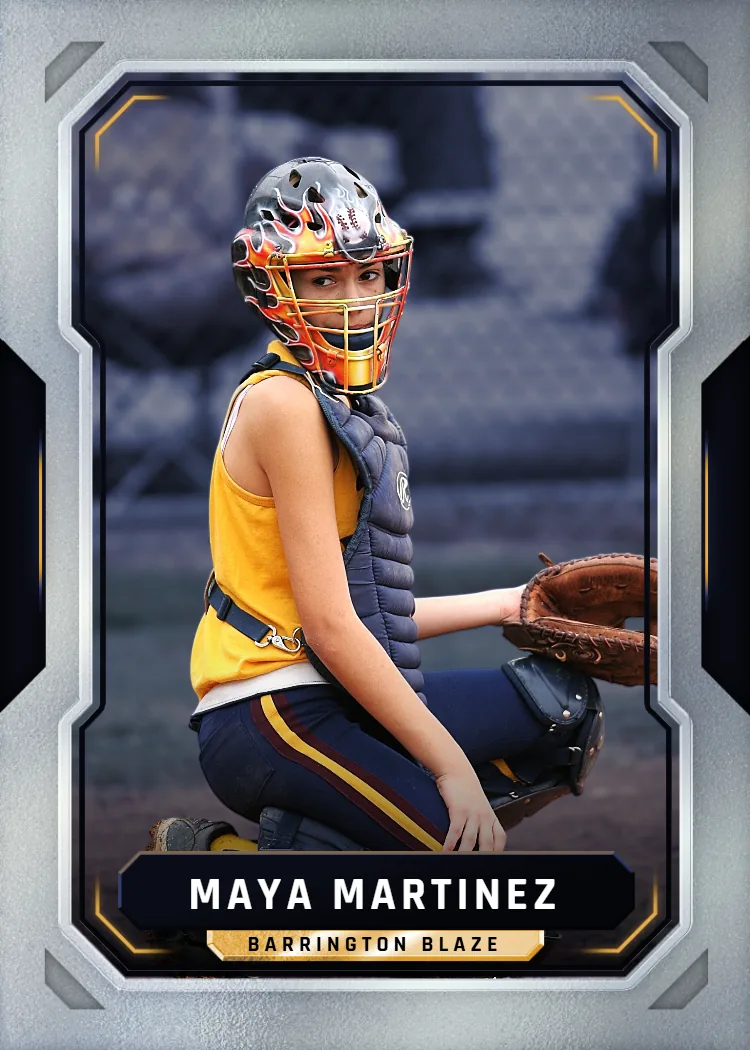
You put in the work to capture a perfect freeze-frame — that image belongs on a real trading card, not buried in a camera roll. Upload your photo, choose a template, and Snapshot prints it on premium card stock with free shipping in 2–3 days. Single cards from $17.99.
Build Your Card NowNo credit card required | Instant preview | Pro-quality designs
Explore More Card Options
Discover more custom trading card options for every sport and occasion