
Where to Get Card Graded: Every Real Option Ranked
Grading a card sounds simple. It isn't. The right service depends entirely on what you're trying to accomplish.
Upload a photo of your player, pet or team, choose an available template, and preview your design before ordering a printed card.

"I created a few AI cards for my kids. I started collecting back on February and the boys love the Kaboom cards. My daughter loves princesses so I made her a Disney card through AI. I looked for a company to actually make the card and found Snapshots. Very easy to use, very fast, excellent price. They actually called me to verify some of the information on the picture and offered to make any changes. I received them very quickly. I rarely leave reviews, but I felt this company deserved to hear that they are doing it right and I will definitely be using them again very soon."
— jimmy P. · 3 months ago
"We had my son’s senior pictures taken at Target field so I wanted to put those images on a baseball card to give out at his graduation party! I had so much fun creating them on the website! I ordered them on a Wednesday night and they were at my door that Saturday! Very quick! I couldn’t wait to open them! They are awesome! Better than I could have ever imagined! The quality is well worth the money! Amazing job! Will definitely recommend to anyone looking for a unique way to capture a forever memory!"
— Greg S. · 5 months ago
"These are great quality cards and look amazing will be ordering more from them."
— Blaine R. · 5 months ago
"I ordered cards on a Monday so they would be shipped and arrive by Friday. The next day through a series of unexpected events and missed communications on my part, I discovered my order was delayed. I reached out to see if there was anyway my order could still be processed and shipped out on time. Graham (CTO) reached out to me personally via email and phone to fix the issue and ensure my order was processed and shipped out on time. I received them on that Friday as I was originally hoping. Upon opening they were better than expected. The card stock is sturdy and the printing was high quality! I would definitely recommend this company and will be making more cards to order."
— Ron D. · 4 months ago
"This was perfect! Ordered and was in my mailbox within a week. They were exactly what I imagined! I can’t wait for my Kickin Nuggets U4 Soccer team to get their player cards!!!"
— Brittany C. · 5 months agoReviews from Google
Most collectors asking where to get card graded already own a card they believe has value — a vintage pull, a rookie parallel, a card with a sharp population report. The problem is that grading services aren't interchangeable. Turnaround times range from 15 business days to 12-plus months depending on the tier you choose. Fees start around $18 and climb past $300 for express submissions. And a misgraded card that comes back a PSA 7 instead of a 9 can cut resale value by 40% or more. Choosing wrong costs real money.
This page breaks down the major grading companies side by side — PSA, BGS, SGC, CGC, and HGA — so you can match the right service to your specific card and budget. We'll also explain how Snapshot's custom printed trading cards fit into the collector ecosystem: not as a replacement for graded originals, but as premium display pieces and gifts built around the photos and moments that matter to you.
Start with the facts, skip the guesswork — here's what grading actually involves.
See your photo on a card
Pick a photo and preview it on a real Snapshot template, right here.
Your photo stays on your device.
Frequently Asked Questions
Where to get card graded: which company is best overall?
PSA (Professional Sports Authenticator) remains the dominant name for resale value and market recognition. A PSA 10 commands a premium over equivalent grades from other companies on most cards. BGS (Beckett Grading Services) uses a half-point scale and is preferred by some collectors for its subgrade transparency — you see separate scores for centering, edges, corners, and surface. SGC is favored for vintage cards and has gained momentum among modern collectors for faster turnaround. There's no single 'best' — the right company depends on your card type, target market, and timeline.
How much does it cost to get a card graded?
Costs vary significantly by service tier and declared card value. PSA's economy tier starts around $18-$25 per card but currently has long backlogs. Standard service runs $50 per card. Express and walk-through tiers can reach $150-$300+ per card. BGS economy starts around $22, with faster tiers climbing similarly. SGC's pricing is competitive, often slightly below PSA for comparable turnaround. Factor in return shipping costs — typically $10-$30 depending on insurance level — when calculating total submission cost per card.
How long does card grading take?
This is one of the most misunderstood parts of the process. Advertised turnaround times are business days from when the company receives and logs your cards — not from when you ship them. Economy submissions at PSA have historically run 80-150+ business days during peak demand periods. Standard service typically runs 20-45 business days. Express tiers are 5-10 business days. Walk-through at major shows can return results same-day or next-day. Always check the grading company's current estimated turnaround on their website before submitting, as times shift seasonally.
Can I get a custom-printed card graded by PSA or BGS?
No. PSA, BGS, SGC, CGC, and all major third-party graders authenticate and grade officially licensed, commercially produced trading cards from recognized manufacturers like Topps, Panini, Upper Deck, and Leaf. Custom printed cards — including Snapshot cards — are not eligible for third-party grading. That's by design: they serve a completely different purpose. Custom cards are personal keepsakes, gifts, and display items. They don't need a numeric grade because they're not entering the secondary resale market. They exist to celebrate a moment, a player, or a memory.
What grades actually matter for resale value?
On the PSA scale, the difference between a PSA 9 and a PSA 10 is enormous. For popular modern cards, a PSA 10 can be worth 3x to 10x a PSA 9 of the same card. PSA 8 and below typically adds modest value over raw unless the card is vintage or ultra-scarce. On BGS, a BGS 9.5 (Gem Mint) is generally considered equivalent to PSA 10 for most cards. A BGS 10 (Pristine) is rare and commands a substantial premium. For most collectors, targeting PSA 9 or higher is the only submission worth making on modern cards.
Is it worth grading low-value cards?
Rarely. If a raw card sells for $15-$30, a $25 grading fee plus return shipping puts you underwater even if it comes back a PSA 10. The exception is bulk submissions — some graders offer reduced per-card rates when submitting 20+ cards at once, which can make the math work on mid-tier cards. The general rule: only submit cards where a PSA 9 or 10 grade would realistically sell for at least 3-4x the all-in cost of grading. Run the eBay sold listings for PSA 9 and 10 copies before you submit anything.
What's the difference between PSA and BGS grading?
PSA uses a clean 1-10 numeric scale with no subgrades on standard submissions, making it the most universally recognized in the hobby. BGS uses a 1-10 scale with half-point increments and provides four subgrades — centering, corners, edges, and surface — giving collectors more transparency into why a card received its grade. BGS also has a Black Label designation (all subgrades 10) that's extremely rare and carries a significant premium. For modern cards, PSA 10 typically drives higher resale prices; for high-end vintage, BGS grading is equally respected.
What is SGC grading, and when should I use it?
SGC (Sportscard Guaranty) has been grading cards since 1998 and is particularly well-respected for pre-war and vintage cards. In recent years, SGC gained significant traction in the modern market due to competitive pricing and faster turnaround times relative to PSA during peak demand periods. SGC grades on a 1-10 scale with half-point grades and uses a distinctive black label design. Their holders are also thinner than PSA slabs, which some collectors prefer for storage. SGC is a legitimate, trusted option — especially when PSA backlogs are extended.
How do I prepare a card for submission to avoid lowering my grade?
Never clean a card with anything — no cloth, no breath, no compressed air directly on the surface. Handling introduces oils and micro-scratches. Hold cards by the edges only. Before packaging, examine the card under angled light to spot surface issues you might have missed. Sleeve immediately in a perfect-fit sleeve, then a semi-rigid. Cards should have no play inside the sleeve. Document your submission with photos front and back before shipping. A card that arrives damaged due to poor packaging is your loss — graders don't assume liability for shipping damage.
Are there grading alternatives beyond PSA, BGS, and SGC?
Yes. CGC (Certified Guaranty Company), known primarily for comic grading, entered the trading card space and has built a solid reputation quickly, particularly for Pokémon and non-sports cards. HGA (Hybrid Grading Approach) uses a color-matched label system and appeals to collectors who value aesthetics in their slabs. TAG (Technical Authentication and Grading) is another newer entrant gaining traction. For mainstream sports cards with resale intent, PSA and BGS remain the market leaders — but if you're grading Pokémon, Magic: The Gathering, or non-sports cards, CGC deserves serious consideration.
Free to design, instant preview. Free US standard shipping on orders $30+. Review delivery options at checkout.
Where to Get Card Graded: The Submission Process, Step by Step
Submitting a card for grading follows a predictable path regardless of which company you use. Understanding each step helps you avoid costly mistakes that delay or devalue your submission.
Select Your Grading Company and Service Tier
PSA, BGS, SGC, CGC, and HGA each publish tiered service levels based on declared card value and desired turnaround. Economy tiers are cheapest but slowest — sometimes exceeding 100 business days. Express and walk-through tiers cost significantly more but return results much faster. Match your card's current market value against the grading fee before committing. A $40 raw card rarely justifies a $150 express submission.
Package and Ship Your Card Securely
Each grading company publishes specific packaging requirements. Generally, you'll sleeve the card in a perfect-fit sleeve, then a semi-rigid sleeve, and place it between two pieces of cardboard inside a bubble mailer or small box. Never use rubber bands or tape directly on the card. Use registered or insured shipping with tracking. Cards valued over $500 should be insured for full replacement value — carriers won't automatically cover collectibles.
Track, Receive, and List or Display
Most grading companies provide an online tracking portal. Once graded and slabbed, your card ships back in its plastic holder with a numeric grade and certification label. From there, collectors typically list on eBay or PWCC, hold for long-term appreciation, or display in a case. A PSA 10 on a high-demand rookie can multiply raw value by 5x or more, making the wait worthwhile for the right card.
Three steps, real decisions at each one. The company you choose in step one shapes everything that follows.
Where to Get Card Graded: Major Services Side by Side
A direct comparison of the five most-used grading services for US collectors in 2025.
| Company | Scale | Economy Turnaround | Economy Fee (approx.) |
|---|---|---|---|
| PSA | 1–10 | 80–150+ business days | ~$18–$25 |
| BGS (Beckett) | 1–10 (half-points) | 60–120+ business days | ~$22–$30 |
| SGC | 1–10 (half-points) | 30–60 business days | ~$18–$22 |
| CGC | 1–10 | 45–90 business days | ~$20–$25 |
| HGA | 1–10 | 20–45 business days | ~$15–$20 |
Why Getting a Card Graded Actually Matters
Grading isn't just a certificate — it's a standardized trust signal that the entire collector market relies on. Here's what a certified grade does for your card.
Verified Authenticity
A graded slab from PSA, BGS, or SGC confirms the card is genuine. In a market flooded with reprints and altered counterfeits, third-party authentication removes buyer doubt instantly. Certified cards sell faster and at higher prices precisely because neither party has to take the other's word for condition.
Standardized Condition Score
Raw card descriptions like 'near mint' are subjective. A PSA 9 or BGS 9.5 is a precise, universally understood benchmark. Serious buyers on eBay, COMC, or at shows use grade as a primary filter — without one, your card competes only on price, not on documented quality.
Long-Term Value Protection
A plastic slab physically protects the card from humidity, UV light, and handling damage. Preservation matters for cards you're holding five or ten years. A 1986 Fleer Jordan that's been in a slab since 2005 typically shows better surface integrity than one that's been loose in a binder.
Resale Market Access
Certain platforms and auction houses — PWCC, Heritage Auctions, Goldin — heavily favor or require graded submissions for higher-value lots. A raw card over $500 is a harder sell in those venues. Grading opens doors to the most active, highest-dollar corners of the secondary market.
Who Actually Benefits Most From Card Grading
Not every card needs a slab. Here's where grading delivers the clearest return — and where it doesn't make economic sense.
High-Value Rookie Cards and Key Parallels
A Patrick Mahomes Prizm Silver raw card selling for $200 could fetch $600-$1,200 in a PSA 10. The math on grading fees becomes obvious fast. If you pulled a short-print or numbered parallel from a modern set and the raw price is already above $75-$100, grading is likely worth the cost and wait — especially on copies with sharp centering and clean surfaces.
Vintage Pre-1980 Cards With Condition Upside
Vintage grading is where SGC and PSA have long dominated. A 1952 Topps Mickey Mantle doesn't need to be a PSA 9 to be worth grading — even a PSA 4 or 5 adds significant authentication value and liquidity. Dealers and auction houses trust slabbed vintage over raw at virtually every price point. If you inherited a collection with pre-1980 material, grade before selling.
Custom Cards and Personal Keepsakes
Here's the honest answer: grading companies won't grade custom printed cards, including those from Snapshot. They grade officially licensed production cards only. Snapshot custom cards serve a completely different purpose — they're premium printed keepsakes for athletes, families, coaches, and fans who want a professional card built around their own photo. Think senior athlete gifts, youth league memories, locker room gifts. No wait, no fees, ships the next business day.
Why Collectors Keep Coming Back to Snapshot
Snapshot ships custom trading cards to collectors, coaches, parents, and athletes across all 50 states. Every order arrives with a free magnetic display case because we think a card worth making is worth protecting. Customers regularly order multiple cards per session — one for display, one for a gift, one to keep — because the per-card value at $17.99 makes it easy to justify.
Snapshot Pricing: No Submission Fees, No Wait Lists
Grading services charge submission fees plus return shipping, and the wait can stretch months. Snapshot works differently — you pay once, and your cards ship the next business day.
Single custom card: $17.99. Card packs up to $49.99. MEGA poster card (11"×15.4"): $49.99. Free US standard shipping on orders $30+. Every order includes a free magnetic display case.
No hidden fees, no grading wait times, no minimum order. Just upload a photo, pick a template, and get professional cards printed and shipped fast.
Box Options
Simple, collectible pricing. No subscriptions, no hidden fees.
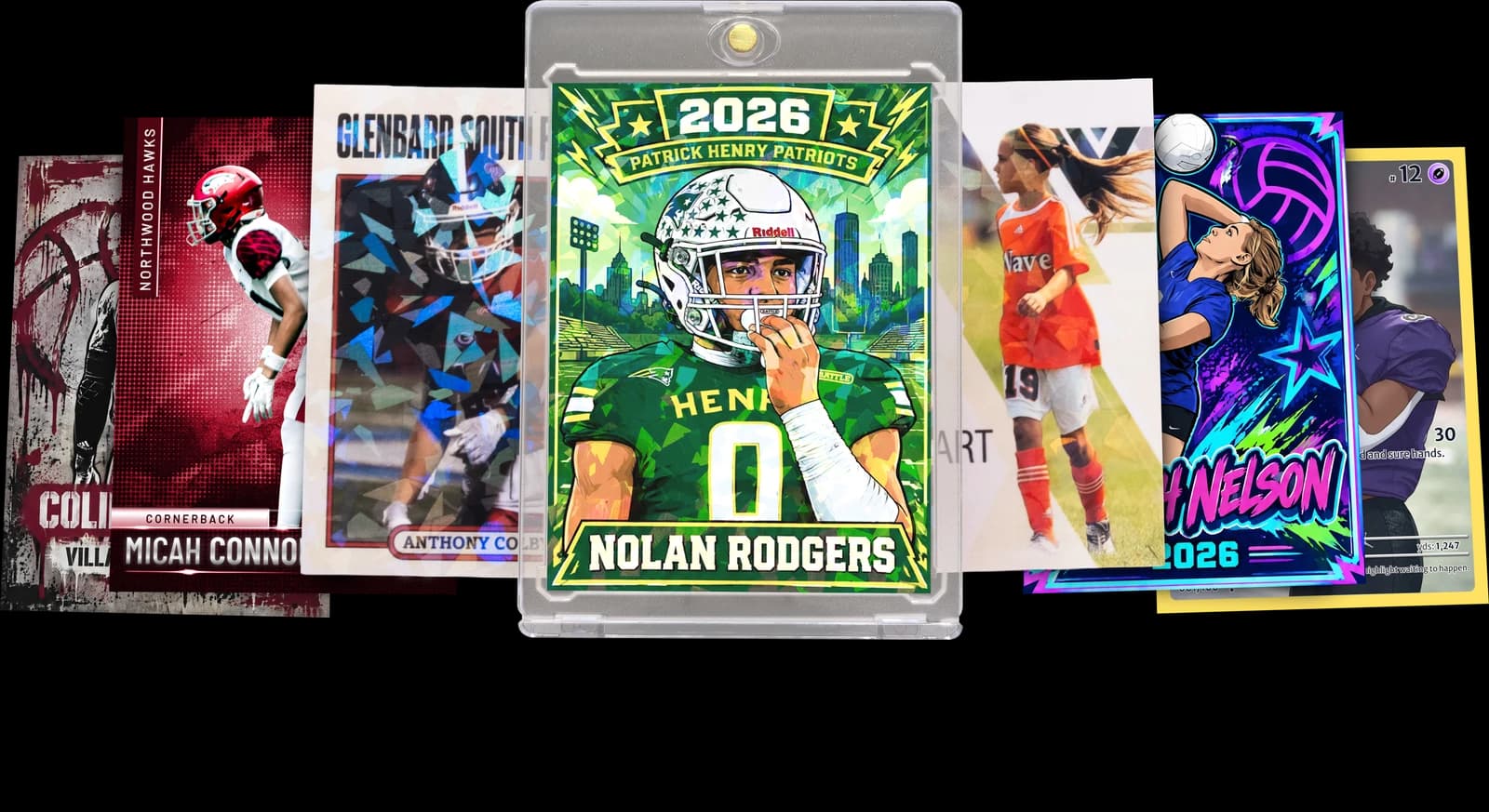
The Rookie Box
Perfect for those unforgettable moments
$17.99 - $49.99
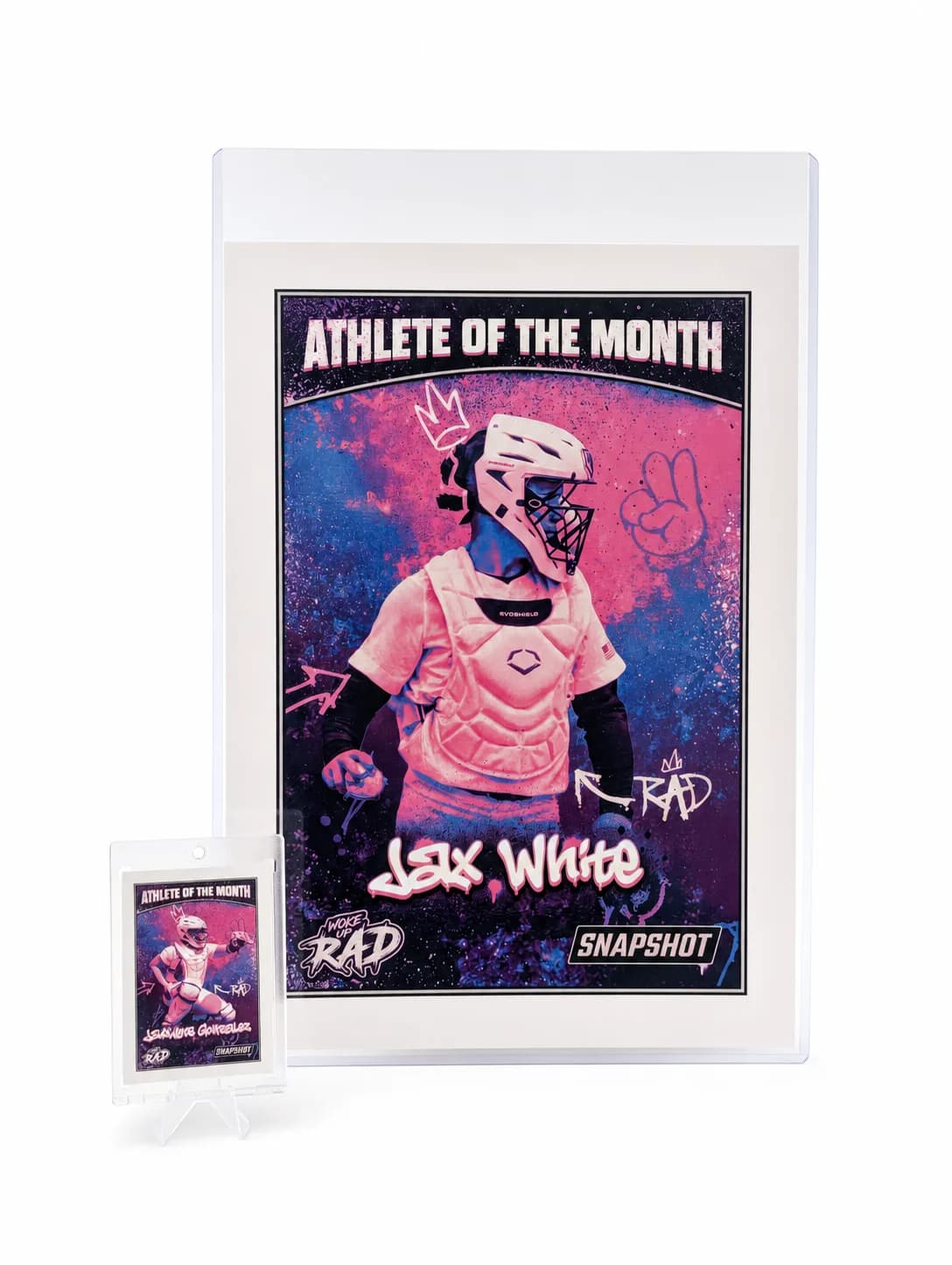
MEGA Card
Their moment, bigger than ever
$49.99
Create for free • Ships the next business day • Made in Des Moines, IA, USA






Can't Get Your Photo Graded? Make It a Card Worth Keeping
While you're figuring out where to get card graded for your collectibles, Snapshot turns your best sports photos into premium printed cards — shipped the next business day with a free magnetic case. Single cards start at $17.99 with free US shipping over $30. No submission fees, no wait lists.
Build Your Card NowNo credit card required | Instant preview | Pro-quality designs
Explore More Card Options
Discover more custom trading card options for every sport and occasion