
Best Baseball Cards to Buy in 2026 (Rookies, Parallels & Vintage)
The best baseball cards to buy in 2026 fall into four buckets collectors actually chase: flagship rookies, Bowman Chrome prospects, low-numbered parallels, and proven vintage. Here's what's worth your money in each category right now, plus how to make a one-of-one card of your own player.
Upload a photo of your player, pet or team, choose an available template, and preview your design before ordering a printed card.

"I created a few AI cards for my kids. I started collecting back on February and the boys love the Kaboom cards. My daughter loves princesses so I made her a Disney card through AI. I looked for a company to actually make the card and found Snapshots. Very easy to use, very fast, excellent price. They actually called me to verify some of the information on the picture and offered to make any changes. I received them very quickly. I rarely leave reviews, but I felt this company deserved to hear that they are doing it right and I will definitely be using them again very soon."
— jimmy P. · 3 months ago
"We had my son’s senior pictures taken at Target field so I wanted to put those images on a baseball card to give out at his graduation party! I had so much fun creating them on the website! I ordered them on a Wednesday night and they were at my door that Saturday! Very quick! I couldn’t wait to open them! They are awesome! Better than I could have ever imagined! The quality is well worth the money! Amazing job! Will definitely recommend to anyone looking for a unique way to capture a forever memory!"
— Greg S. · 5 months ago
"These are great quality cards and look amazing will be ordering more from them."
— Blaine R. · 5 months ago
"I ordered cards on a Monday so they would be shipped and arrive by Friday. The next day through a series of unexpected events and missed communications on my part, I discovered my order was delayed. I reached out to see if there was anyway my order could still be processed and shipped out on time. Graham (CTO) reached out to me personally via email and phone to fix the issue and ensure my order was processed and shipped out on time. I received them on that Friday as I was originally hoping. Upon opening they were better than expected. The card stock is sturdy and the printing was high quality! I would definitely recommend this company and will be making more cards to order."
— Ron D. · 4 months ago
"This was perfect! Ordered and was in my mailbox within a week. They were exactly what I imagined! I can’t wait for my Kickin Nuggets U4 Soccer team to get their player cards!!!"
— Brittany C. · 5 months agoReviews from Google
The baseball card market has exploded over the past several years, and the answer isn't as simple as picking one brand name. Topps, Panini, Upper Deck, Bowman — they all have sets that have produced life-changing pulls and others that are practically worthless. Rookie collectors get burned constantly by chasing the wrong products. Without a clear understanding of what drives card value — brand reputation, print runs, player trajectory, and condition — you're guessing. And guessing with your wallet hurts.
This page breaks down exactly which brands consistently produce high-value baseball cards, what factors push a card's price into the hundreds or thousands, and how serious fans are preserving their most meaningful baseball moments with custom premium cards from Snapshot. Whether you're hunting the secondary market or commemorating your own player, you'll leave here with a clear picture of the hobby.
Let's get straight into the brands, the numbers, and the real reasons cards hold value.
See your photo on a card
Pick a photo and preview it on a real Snapshot template, right here.
Your photo stays on your device.
Frequently Asked Questions
Are vintage baseball cards worth more than modern ones?
Vintage cards — particularly pre-1980 Topps in high grade — can be worth extraordinary sums. A 1952 Topps Mickey Mantle PSA 9 sold for $12.6 million. But most vintage cards are common players in poor condition and worth very little. Modern cards, by contrast, have clear value through numbered parallels and autographs even on newer players. Neither era is universally better — it depends entirely on the player, condition, and specific card. Many sophisticated collectors hold both.
Does a baseball card need to be graded to be worth money?
Not technically, but grading dramatically increases both value and buyer confidence. A raw (ungraded) card can sell, but buyers discount the price to account for condition uncertainty. A PSA 10 of the same card might sell for three to five times more than a raw copy. For any card worth over $50, submitting to PSA, Beckett, or SGC makes financial sense. The grading fee is usually offset by the increased sale price, and graded cards are significantly easier to sell quickly.
What is a Bowman Chrome rookie card and why does it matter?
A Bowman Chrome rookie card is a player's first officially licensed, MLB-sanctioned card produced under the Bowman brand — a Topps subsidiary. These cards are considered the hobby standard for prospect collecting because they're often printed before a player reaches the majors, locking in that first-card status. When a prospect becomes a star, their Bowman Chrome auto can explode in value almost overnight. Juan Soto's 2016 Bowman Chrome auto, for example, appreciated dramatically after his 2018 debut.
What's the difference between a base card and a parallel?
A base card is the standard version of a card, typically printed in large quantities — sometimes hundreds of thousands. A parallel is an alternate version of that same card with a different color refractor, foil treatment, or print run designation. Parallels are numbered on the back (e.g., 47/99) and are intentionally scarce. The value gap between a base card and a low-numbered parallel of the same player can be enormous — sometimes 100x or more — purely because of print run scarcity.
Can I make my own custom baseball card that looks like a real pro card?
Yes — and Snapshot makes this genuinely easy. You upload any photo, choose from professional sports card templates designed to look like authentic MLB-style cards, and Snapshot prints your card on professional card stock. Every order ships with a free magnetic case. Single cards start at $17.99 with free shipping over $30 in the USA. Production takes one business day; shipping time is quoted at checkout for your address. This is a popular option for Little League parents, adult league teams, coaches, and fans who want a personalized baseball keepsake that actually looks and feels like the real thing.
What Topps sets are the best to collect for long-term value?
Topps Chrome and Topps Finest have the strongest track records for holding value on rookie cards. Topps Heritage appeals to vintage-style collectors and can produce strong vintage-photo rookie cards for active players. For pure investment focus, Bowman Chrome Draft is the most targeted set each year — it's where prospect autographs are concentrated. Stadium Club is beloved for photography quality but is less of an investment vehicle. If you're choosing one set to focus on, Bowman Chrome Draft rookies are the hobby consensus pick for growth potential.
Why do some baseball cards sell for millions while others are worthless?
It comes down to five things working together: iconic player, pre-career or rookie-year timing, extreme scarcity, perfect condition, and cultural moment. The 1952 Topps Mantle hits all five. Most cards fail on at least two of those criteria. A common player's base card from 2018 has no scarcity and no cultural cachet — it's worth fractions of a cent. Understanding this equation is what separates informed collectors from people who overpay for bulk lots of cards that will never appreciate.
How do I store baseball cards to preserve their value?
Proper storage is non-negotiable if you care about condition grades. Individual cards should go into penny sleeves first, then into semi-rigid card holders or top loaders. Valuable cards should be stored in a cool, dry location away from direct sunlight — UV exposure yellows card stock over time. Never store cards loose in boxes where they can shift and corner-dent. For cards worth significant money, consider hard plastic one-touch magnetic cases. Humidity is the biggest long-term enemy; silica gel packs in storage boxes help considerably.
Is Panini Prizm Baseball worth collecting even without MLB logos?
Absolutely. Panini Prizm Baseball has been one of the top-selling and most-traded sets in the hobby for years, despite the lack of official MLB team logos on uniforms. Collectors have largely accepted this trade-off because Prizm's refractor technology, color parallel structure, and on-card autographs are genuinely excellent. The Silver Prizm rookie auto is the most universally recognized value card in modern collecting. Trea Turner, Ronald Acuña Jr., and Shohei Ohtani Prizm autos have all sold for four to five figures. Logo or no logo — Prizm moves money.
Are baseball cards a good investment in 2026?
Cards can appreciate, but treat them as a hobby first. The steadiest performers are graded vintage stars and a small number of star-player rookies and autos. Most modern base cards stay low in value because print runs are huge. Buy what you genuinely like, focus on condition, and never spend money you can't afford to lose.
What is the difference between a rookie card and a prospect card?
A rookie card (RC) is issued after a player reaches the majors and carries the official MLB RC logo, usually first appearing in Topps Series 1. A prospect card comes earlier, mainly in Bowman and Bowman Chrome, before a player debuts. Prospect cards can be bought sooner but carry more risk if the player never pans out.
Should I buy graded or raw baseball cards?
For expensive vintage or key rookies, buy graded (PSA, SGC, or BGS) so condition and authenticity are verified by a third party. For cheaper modern cards, raw is fine since grading fees often exceed the card's value. A rule of thumb: only pay to grade a card if a high grade clearly outprices the raw copy plus the grading cost.
Free to design, instant preview. Free US standard shipping on orders $30+. Review delivery options at checkout.
Which Brand of Baseball Cards Are Worth the Most — Brand by Brand Breakdown
Value in the baseball card hobby isn't random. Three major brand families dominate the high-end market, and each earns its reputation for different reasons.
Topps — The Gold Standard Since 1952
Topps holds the MLB license and has for decades. Their flagship Topps Chrome and Topps Finest sets consistently produce the most traded rookie cards in the hobby. A 2011 Topps Update Mike Trout PSA 10 sold for over $400,000. Bowman, also under Topps, is the go-to source for first-ever prospect cards — the cards most likely to explode in value if a prospect becomes a star.
Panini — The High-End Parallel King
Panini's Prizm Baseball and National Treasures sets are where big money chases big parallels. A Prizm rookie card numbered to 10 or a 1/1 logoman patch can sell for five figures easily. Panini doesn't hold the MLB team license (no logos on uniforms), but collectors don't care — the on-card autographs and numbered refractors make these sets fiercely collectible and valuable.
Upper Deck SP Authentic — The Autograph Benchmark
Upper Deck lost its MLB license in 2010 but still produces hockey and retro-style sets. Their legacy in baseball, particularly SP Authentic Future Watch autos from the early 2000s, still commands strong prices. For vintage-era collectors, Upper Deck's 1989 Ken Griffey Jr. rookie is one of the most recognized cards in the hobby's history — still worth $300+ in gem mint condition.
Know the brand, know the set, know the print run — those three factors tell you almost everything about a card's ceiling.
Best Baseball Cards to Buy in 2026, by Category
- Flagship Rookies
- 2026 Topps Series 1 carries 71 rookies. A player's first Topps Flagship RC (Roman Anthony, Jac Caglianone) is the mainstream card most people collect long-term.
- Bowman Chrome Prospects
- 2026 Bowman is the prospecting set. A player's 1st Bowman Chrome card is the one to own before they debut. Ethan Holliday headlines the prospect class.
- Parallels & Refractors
- Color refractors (Green, Gold /50, Orange /25) and the 1/1 Superfractor add scarcity. Lower print runs and on-card autos drive nearly all the resale value.
- Vintage (Pre-1980)
- Graded stars from the 1950s-70s (Mantle, Aaron, Clemente) are the steadiest hold. Buy the best centering and corners you can afford, not the cheapest copy.
- Set Names That Matter
- Stick to recognized lines: Topps Series 1/2, Bowman & Bowman Chrome, Topps Chrome, and Topps Heritage. These hold demand far better than off-brand boxed sets.
- One-of-a-Kind Custom
- A custom card of your own kid, team, or favorite player is a true 1/1. Snapshot prints real cards on premium stock and ships them the next business day, made in the USA.
What Makes a Baseball Card Valuable — The Real Checklist
Brand name is just the starting point. These four factors actually move the needle on card value — ignore any one of them and you'll misread the market every time.
Print Run and Scarcity
A base card printed in the millions is almost never worth much. A numbered parallel — especially /25, /10, or 1/1 — creates real scarcity. The lower the print run, the higher the ceiling. Topps Chrome Superfractors (1/1) regularly sell for thousands, even for semi-star players.
On-Card Autographs
A card signed directly on its surface by the player is worth significantly more than a sticker auto. Panini National Treasures and Topps Dynasty are known for on-card signatures. Collectors pay a steep premium because on-card autos feel authentic and are harder to fake or reproduce.
Player Trajectory at Time of Purchase
Bowman prospect cards bought before a player's MLB debut can multiply 10x or more if they make an All-Star appearance. Fernando Tatis Jr. Bowman Chrome autos were under $50 before his 2019 breakout. Timing a prospect correctly is how the biggest hobby gains happen.
Graded Condition (PSA, BGS, SGC)
A PSA 10 can be worth three to five times a PSA 8 of the same card. Grading companies evaluate centering, corners, edges, and surface. Submitting raw cards to PSA or Beckett is now standard practice for any card with real value potential — don't skip this step.
Why Fans Are Creating Custom Baseball Cards Alongside Their Collections
Collecting cards of pro players is one thing — but a growing wave of baseball fans are also creating their own custom premium cards to celebrate the moments that matter most to them personally.
Little League and Youth Baseball Memorabilia
Parents and coaches across the country are turning their kid's best action shot into a genuine-looking pro-quality card. Upload a photo, pick a template styled after classic MLB card designs, and you've got a keepsake that outlasts any participation trophy. It's the kind of thing kids actually keep. Production takes one business day; shipping time is quoted at checkout for your address.
Adult Baseball League Highlights
Recreational and adult amateur leagues have embraced custom cards as a way to celebrate a season, honor MVPs, or just have fun. A team that commissions a full pack of custom cards for their roster is doing something no one forgets. Snapshot's pack options go up to $49.99 and include multiple cards — perfect for a full infield lineup or a pitching staff.
Gift for the Serious Collector
Giving a hardcore collector a custom card of their favorite player's youth photo, or their own baseball card made from a personal baseball moment, hits differently than a store-bought gift. Snapshot's MEGA 11×15.4 poster card at $49.99 turns a single image into wall-worthy memorabilia. It ships with a free magnetic case — no frame shopping required.
Fans Nationwide Are Printing Their Own Baseball Legacy
We print on professional card stock, not photo paper, because this stuff needs to last.
Snapshot Custom Baseball Card Pricing — No Surprises
Transparent, flat pricing with free US standard shipping on orders $30+. No subscription, no minimum order requirement.
Single custom baseball card: $17.99. Card packs: up to $49.99. MEGA 11×15.4 poster card: $49.99. Every order includes a free magnetic case and ships free over $30 within the USA. Production takes one business day; shipping time is quoted at checkout for your address.
For less than $20, you can hold a premium custom baseball card of any player, any moment, any team. That's a gift, a keepsake, and a conversation piece rolled into one.
Box Options
Simple, collectible pricing. No subscriptions, no hidden fees.
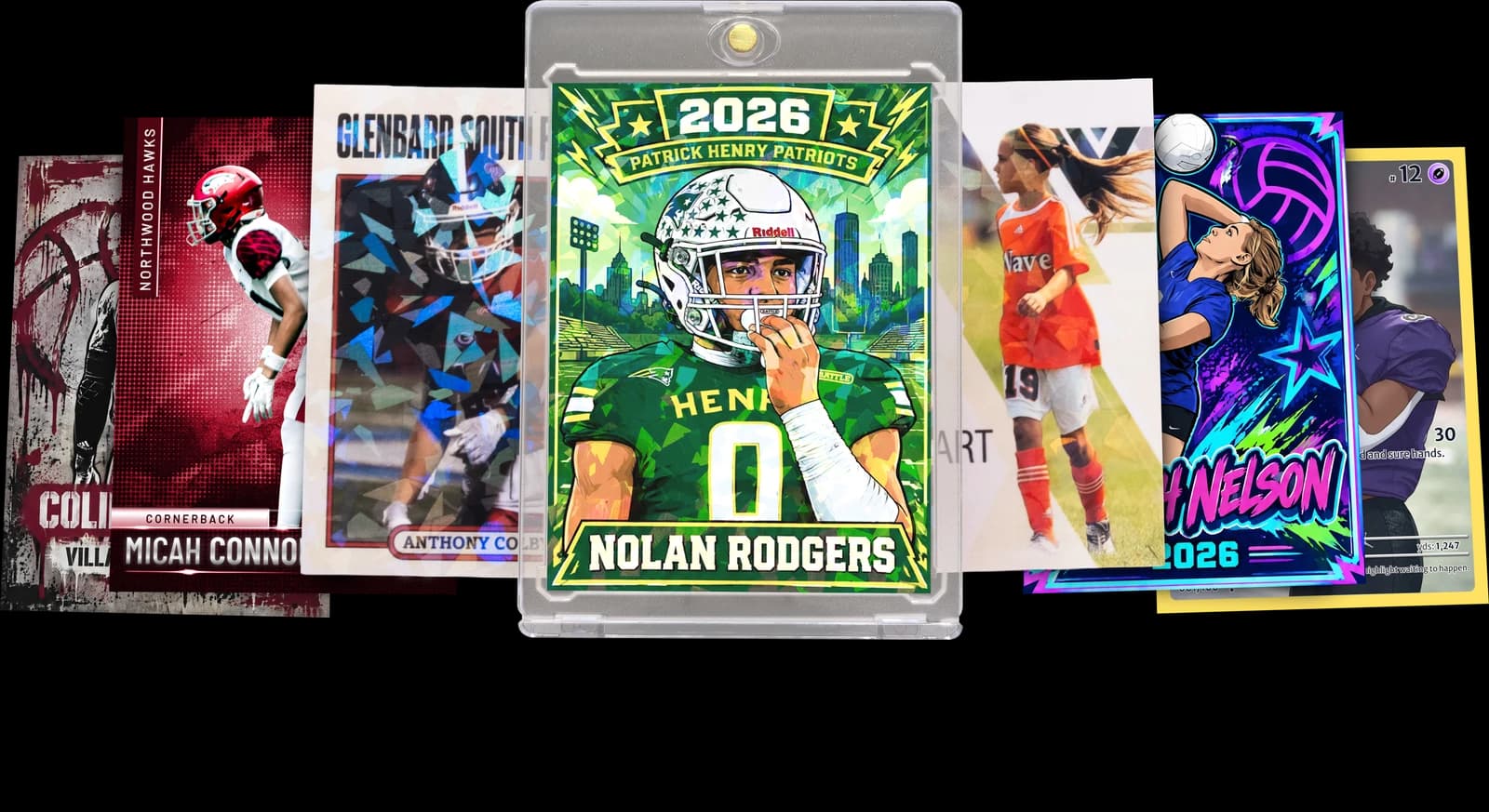
The Rookie Box
Perfect for those unforgettable moments
$17.99 - $49.99
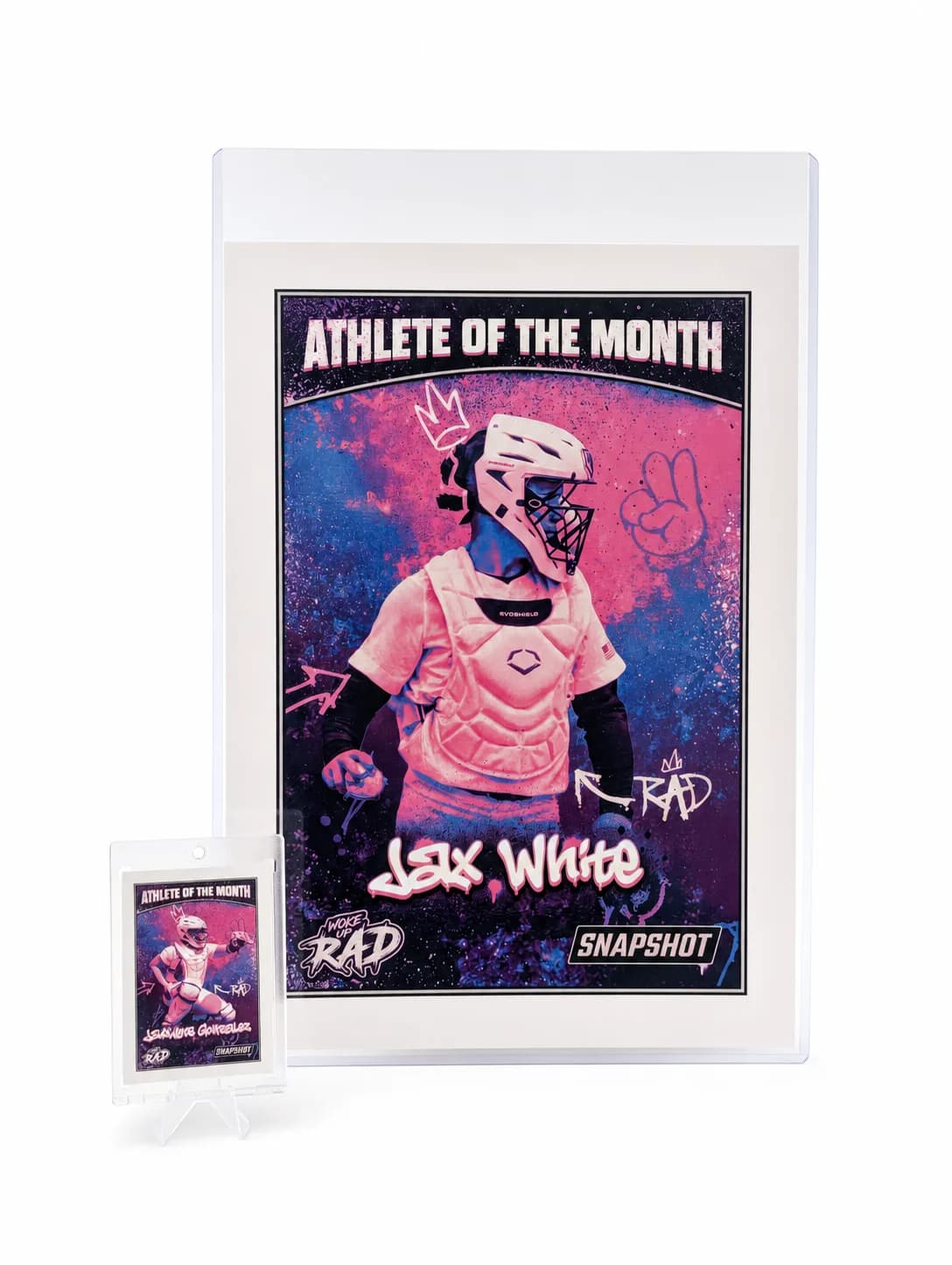
MEGA Card
Their moment, bigger than ever
$49.99
Create for free • Ships the next business day • Made in Des Moines, IA, USA
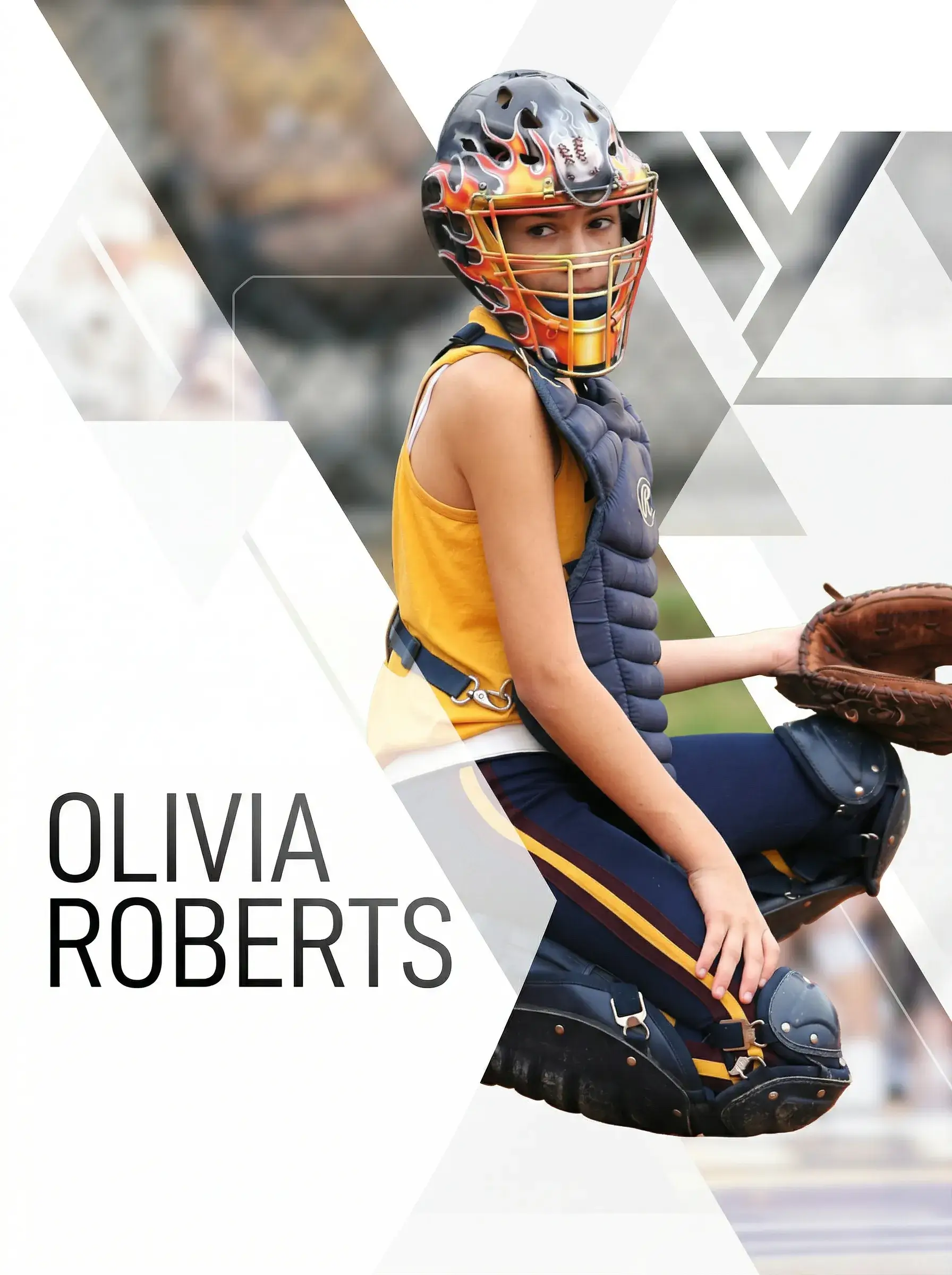
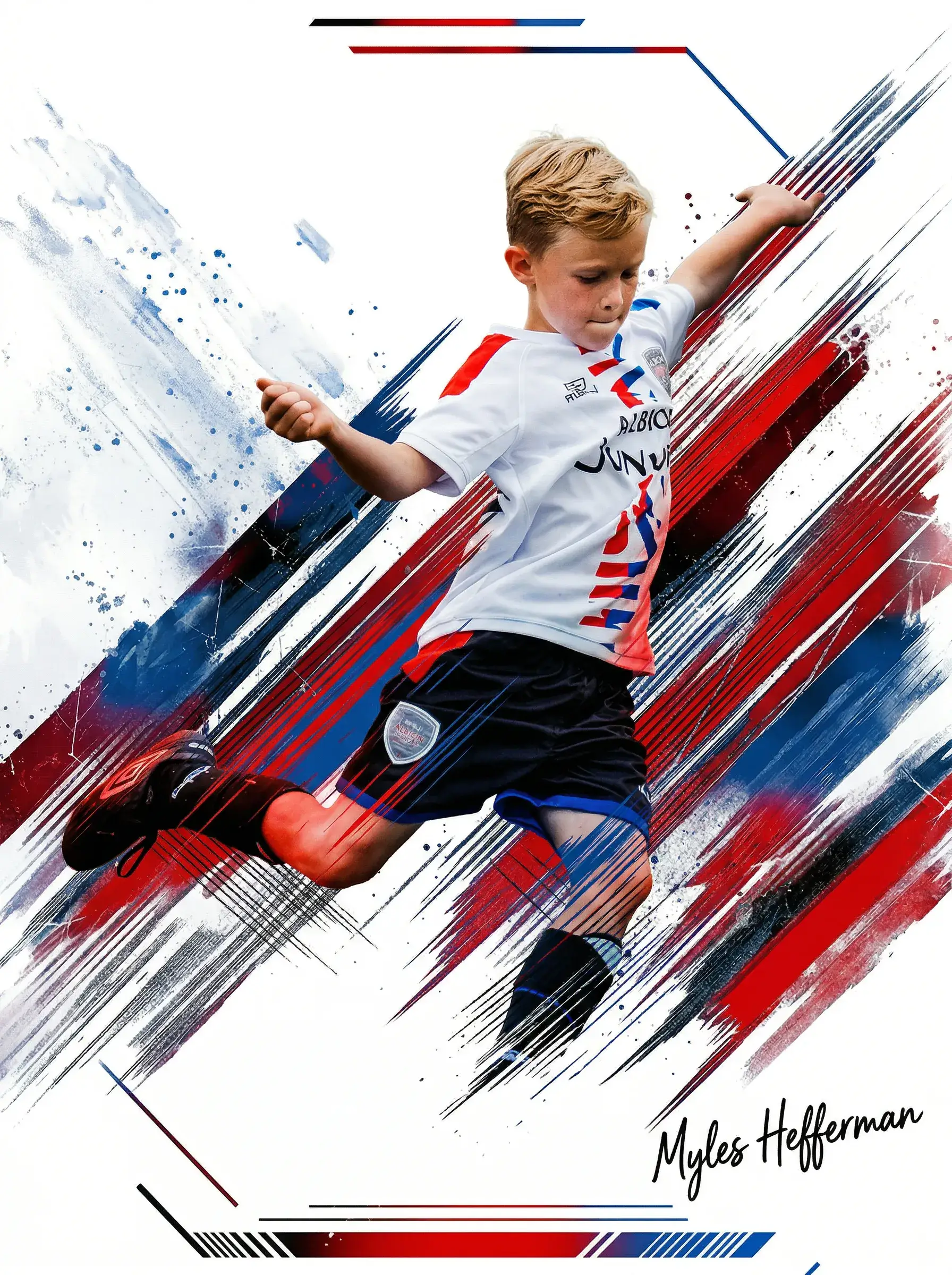
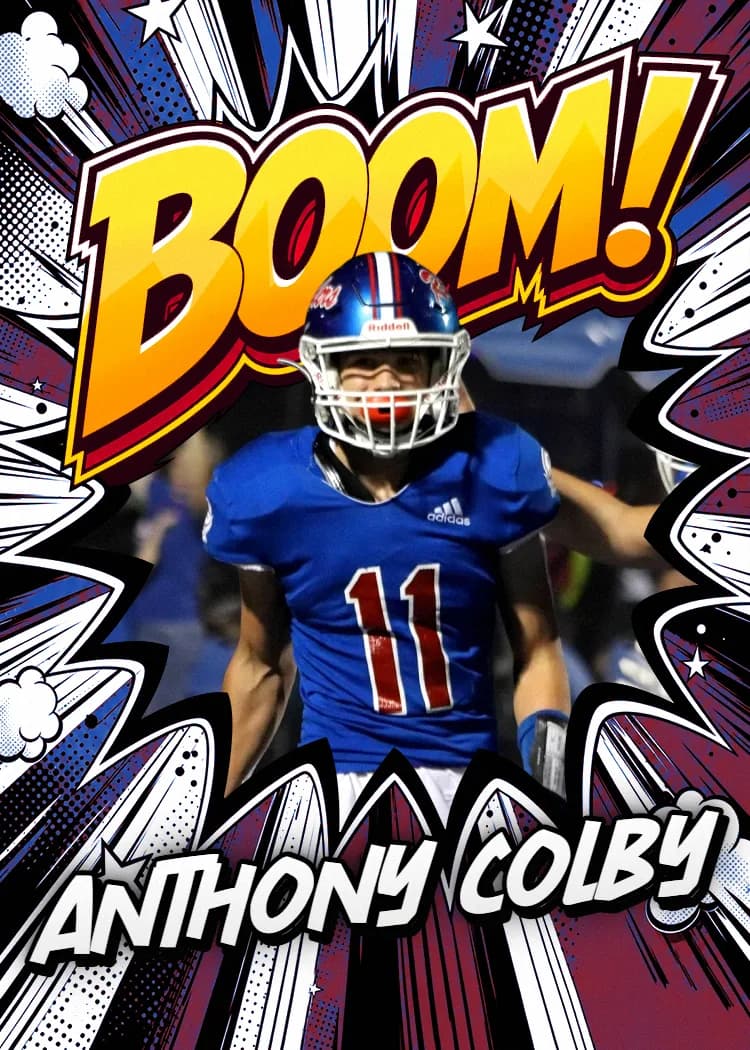
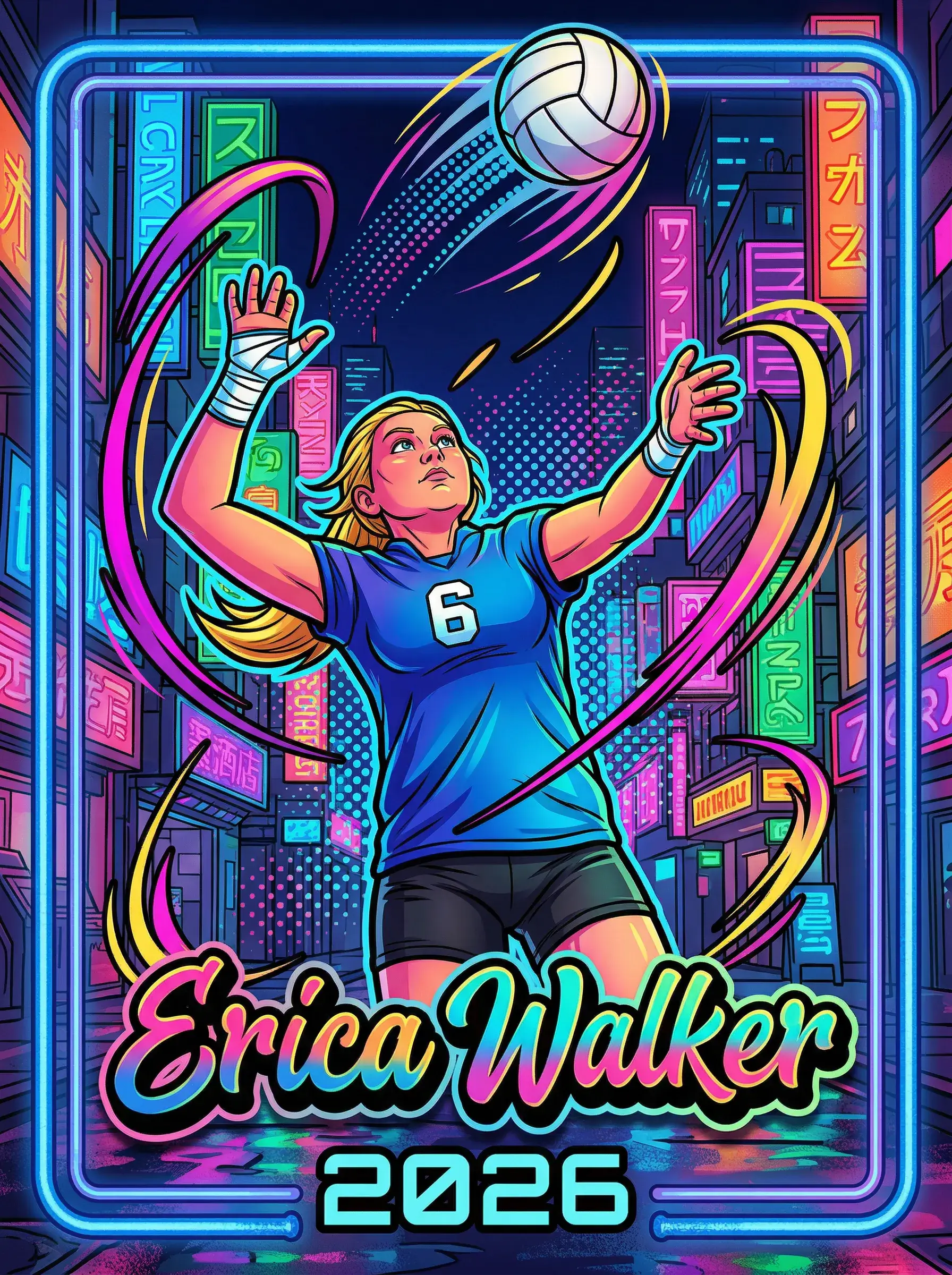

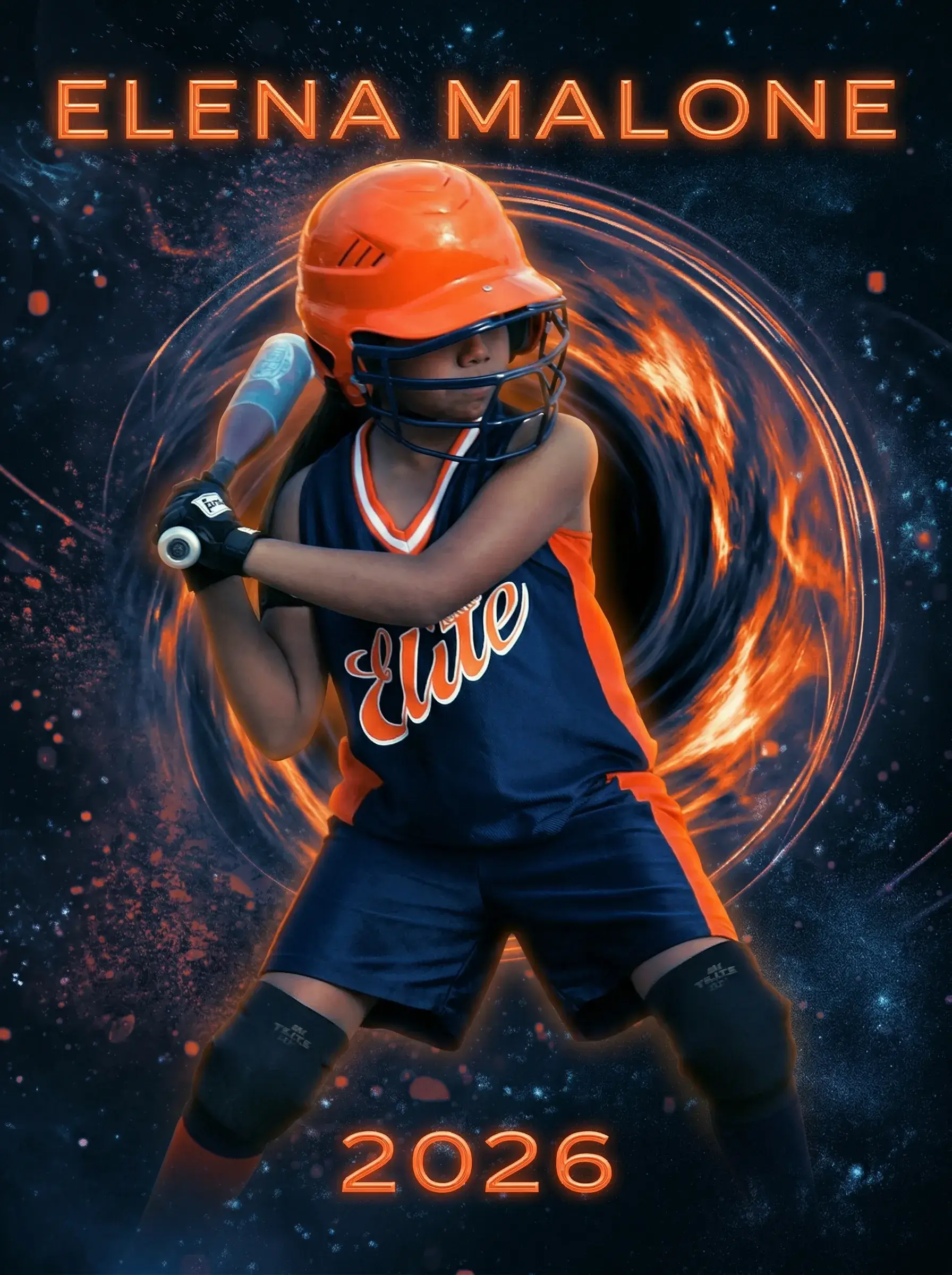
Stop Wondering Which Brand of Baseball Cards Are Worth the Most — Make Your Own
The most valuable card you'll ever own might be the one you create yourself. Upload any photo, pick a pro template, and Snapshot will print your custom baseball card on professional card stock and ship it free the next business day. Starting at just $17.99.
Build Your Card NowNo credit card required | Instant preview | Pro-quality designs
Explore More Card Options
Discover more custom trading card options for every sport and occasion