
Best Sports Photography Lens: A Buyer's Guide
The best sports photography lens separates a blurry sideline snapshot from a frame-worthy career moment.
Upload any photo — your kid, your pet, your whole team — pick a pro template, and we print and ship a real, holdable card the next business day.
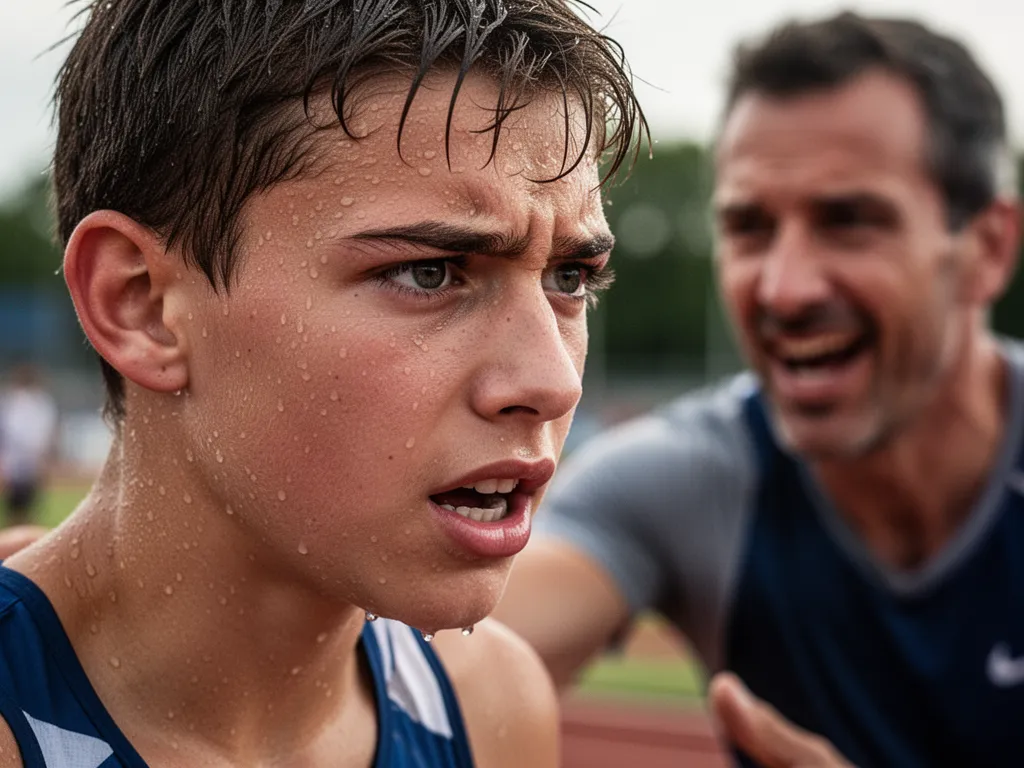
Most photographers — parents, coaches, enthusiasts — spend hours at games and walk away with images that are soft, dark, or just barely too slow to catch the decisive moment. The wrong lens is almost always the culprit. A kit zoom that tops out at f/5.6 simply can't keep up with a sprinter leaving the blocks or a midfielder striking a ball. You end up with motion blur, noisy grain, or a subject that's half out of frame. Those moments don't repeat themselves, and blurry photos don't make memorable keepsakes.
Choosing the right lens — matched to your sport, your distance from the action, and your camera system — fixes most of those problems immediately. This guide breaks down focal lengths, apertures, and real-world performance so you can buy with confidence. And once you've captured that perfect shot? Snapshot turns it into a professional custom trading card, printed on premium card stock and shipped free to your door in two to three days.
Let's start with what actually separates a great sports lens from a mediocre one.
We ship custom trading cards to athletes, coaches, and families in all 50 states every week from our production facility in Des Moines, Iowa.
Best Sports Photography Lens: Zoom vs. Prime vs. Budget — At a Glance
Not sure which category fits your needs? This comparison lays out the practical trade-offs so you can decide fast.
| Lens Type | Best For | Typical Aperture | Price Range |
|---|---|---|---|
| Indoor sports, versatile outdoor coverage | 70-200mm f/2.8 Zoom | High — covers most sports scenarios | $1,200–$2,800 |
| Football, outdoor track, field sports | 100-400mm or 150-600mm Zoom | Very high reach, slower in dim light | $700–$2,400 |
| Dedicated long-distance shooting, max sharpness | 300mm or 400mm Prime | Low — fixed focal length requires positioning | $1,500–$13,000 |
| Indoor sports at close range, portraits after games | 85mm or 135mm Fast Prime | Low reach, excellent low-light performance | $400–$1,100 |
| Outdoor daylight sports, entry-level coverage | Budget Zoom (70-300mm f/4-5.6) | Good reach, struggles in low light | $150–$500 |
Before You Buy: 7-Point Sports Lens Checklist
Run through these before committing to a purchase. Every item on this list affects real-world shooting results.
- Confirm the focal length covers the typical distance between you and the action in your sport
- Check that maximum aperture is f/2.8 or better for any indoor or low-light sport
- Read at least five user reviews that specifically mention continuous autofocus tracking
- Verify lens compatibility with your camera body — mount type and AF motor support both matter
- Consider whether you need image stabilization for the shutter speeds you typically shoot
- Look up the lens's minimum focus distance — it affects usefulness at close-range sports
- Check resale value on used-lens marketplaces before buying new — quality glass holds value well
Common Mistakes Photographers Make When Choosing a Sports Lens
Avoiding these errors saves money and frustration — and gets you sharper photos faster.
Prioritizing zoom range over aperture
A 150-600mm f/6.3 lens looks impressive on paper, but in a gym or at dusk it won't produce usable shots. Aperture matters more than reach for most sports situations.
Ignoring autofocus system reviews
Resolution and sharpness mean nothing if the lens can't track a moving athlete. Read reviews from photographers who shoot sports specifically, not landscape or portrait photographers.
Buying a consumer-grade lens expecting professional results
Budget lenses have narrower apertures, slower AF, and less optical sharpness wide open. If you plan to print cards at large sizes, the quality difference is visible. Rent a professional lens first to see if the upgrade is worth it for you.
Uploading soft or underexposed photos to print on cards
Even the best card template can't save a blurry source image. Review photos at 100% zoom before uploading. If the athlete's face isn't sharp, reshoot rather than printing a soft card.
Free to design, instant preview. Ships the next business day.
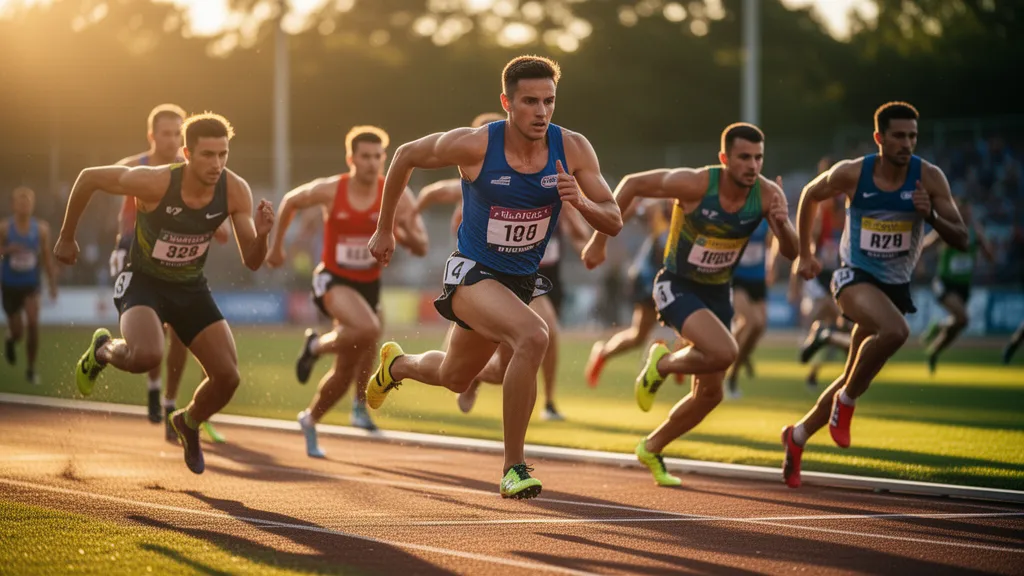
What the Right Lens Actually Delivers
Beyond sharper images, the right sports lens changes what's possible — and what you can do with those photos afterward.
Tack-Sharp Action Frames
A fast prime or professional zoom with a reliable phase-detect AF system keeps subjects sharp even at 1/2000s shutter speeds. You're not chimping through ten soft frames to find one usable shot — most of your burst comes back clean.
Usable Images in Bad Light
Evening games, indoor gyms, and overcast tournament days all punish slow glass. A lens with f/2.8 or better lets you keep ISO under control, which means less noise and more detail in shadows — critical if you're planning to print.
Flattering Subject Separation
Longer focal lengths compress backgrounds naturally. A 200mm or 300mm shot isolates your athlete against a softly blurred crowd, which makes the subject pop. That separation is exactly what makes a photo look like a trading card rather than a snapshot.
Print-Ready Resolution and Sharpness
Snapshot's MEGA poster card prints at 11 by 15 inches. To fill that canvas without pixelation, you need a sharp original. Premium lenses resolve detail that kit glass simply can't — edge-to-edge sharpness that holds up at large print sizes.
Which Lens Works Best for Each Sport?
Different sports demand different focal length strategies. Here's how experienced photographers approach the most common situations.
Indoor Sports: Basketball, Volleyball, Wrestling
The 70-200mm f/2.8 is the definitive choice here. You're rarely more than 50 feet from the action, lighting is controlled but often dim, and you need that wide aperture. On APS-C crop sensor cameras, a 50-135mm or 55-200mm f/2.8 equivalent works well. Prime lenses — an 85mm f/1.8 or 135mm f/2 — are excellent if you can anticipate where the action will happen.
Outdoor Field Sports: Soccer, Lacrosse, Football
Distance is the challenge here. A 300mm f/4 or 400mm f/5.6 gets you into the action from a sideline or end zone position. For serious coverage, a 100-400mm or 150-600mm zoom gives you flexibility to shoot the full field. On bright sunny days, even an f/5.6 aperture is workable — natural light compensates for the slower glass.
Track, Swimming, and Multi-Event Sports
These sports happen in predictable locations — the finish line, the starting block, the turn. A 200mm or 300mm prime excels here because you pre-focus on a zone and wait. Swimming photographers often work with a 70-200mm from the end of the pool. The predictable action path means autofocus tracking matters slightly less, so older or more affordable lenses perform surprisingly well.
Why Athletes and Families Trust Snapshot With Their Best Shots
Thousands of families, coaches, and photographers across all 50 states have uploaded their action shots to Snapshot and received professional trading cards they're genuinely proud to display and share. The detail in a well-shot sports photo translates beautifully to our premium card stock — sharp eyes, clear jersey numbers, real emotion.
We see it every day in the photos that arrive from gyms, fields, and pools from Maine to California.
Frequently Asked Questions
Can I photograph a youth sports game with a 50mm or 85mm prime?
Yes, especially for indoor sports where you're sitting close to the court or mat. An 85mm f/1.8 on a full-frame camera or a 50mm f/1.8 on an APS-C body gives you excellent low-light performance at a fraction of what a fast zoom costs. The trade-off is that you can't zoom — you'll need to position yourself carefully and anticipate the action rather than reframing on the fly. For parents shooting youth basketball from courtside, this approach works remarkably well and produces images with beautiful subject separation.
What's the difference between a fast prime and a zoom lens for sports?
Fast primes — lenses with a fixed focal length like 200mm f/2 or 300mm f/2.8 — are optically superior and gather more light than most zooms. The trade-off is that you can't change focal length without physically moving. Zoom lenses like the 70-200mm f/2.8 or 100-400mm sacrifice a fraction of optical performance for flexibility, which matters enormously when a play moves up the field or you're covering multiple events. For most photographers at the amateur and enthusiast level, a zoom is the more practical choice. Professionals often use both.
How do I get sharp photos in a dark gym without a flash?
Three settings work together: wide aperture (f/2.8 or faster), elevated ISO (typically 3200-6400 depending on your camera), and a shutter speed fast enough to freeze motion (at least 1/500s for most sports, 1/800s or faster for fast-moving subjects). A lens that opens to f/2.8 is the single biggest factor — it doubles the light compared to f/4 and quadruples it compared to f/5.6. Modern cameras handle ISO 3200 cleanly enough that the resulting photos print beautifully. Start there before investing in flash equipment.
What photo specifications does Snapshot recommend for the best card print quality?
For the standard single card, a JPEG at least 1500 by 2100 pixels produces excellent results. For the MEGA 11×15 poster card, we recommend uploading the highest resolution file your camera produces — typically a full-resolution JPEG or a TIFF exported from RAW. This is where a quality sports lens pays dividends: more optical sharpness in the original file means more fine detail visible in the final print. Shots taken at 12-24 megapixels with a sharp lens consistently produce cards that look genuinely professional.
Should I shoot RAW or JPEG for sports photography?
RAW gives you significantly more flexibility in post-processing — better highlight recovery, finer white balance control, and more latitude when correcting exposure. That matters if you're shooting under mixed gym lighting or in golden-hour outdoor conditions. The downside is that RAW bursts fill memory cards faster and require editing software before you can upload. If you shoot JPEG, set your camera's picture style to a neutral or standard profile and nail your exposure in-camera. Either format uploads well to Snapshot — just make sure the resolution is high enough to fill the card size you've selected.
Can I use a mirrorless camera lens for sports, or do I need a DSLR?
Mirrorless cameras have largely matched and in many cases surpassed DSLRs for sports autofocus performance. Sony's G Master lenses, Canon RF sports glass, and Nikon Z telephoto lenses all deliver fast, reliable tracking that holds up with fast-moving athletes. If you already own a mirrorless system, don't let anyone tell you that you need to switch to DSLR for sports. Many photographers covering professional sports have moved entirely to mirrorless. The key is still the same: fast maximum aperture, appropriate focal length, and proven continuous AF tracking.
Free to design, instant preview. Ships the next business day.
You Found the Best Sports Photography Lens — Now Make the Photo Count
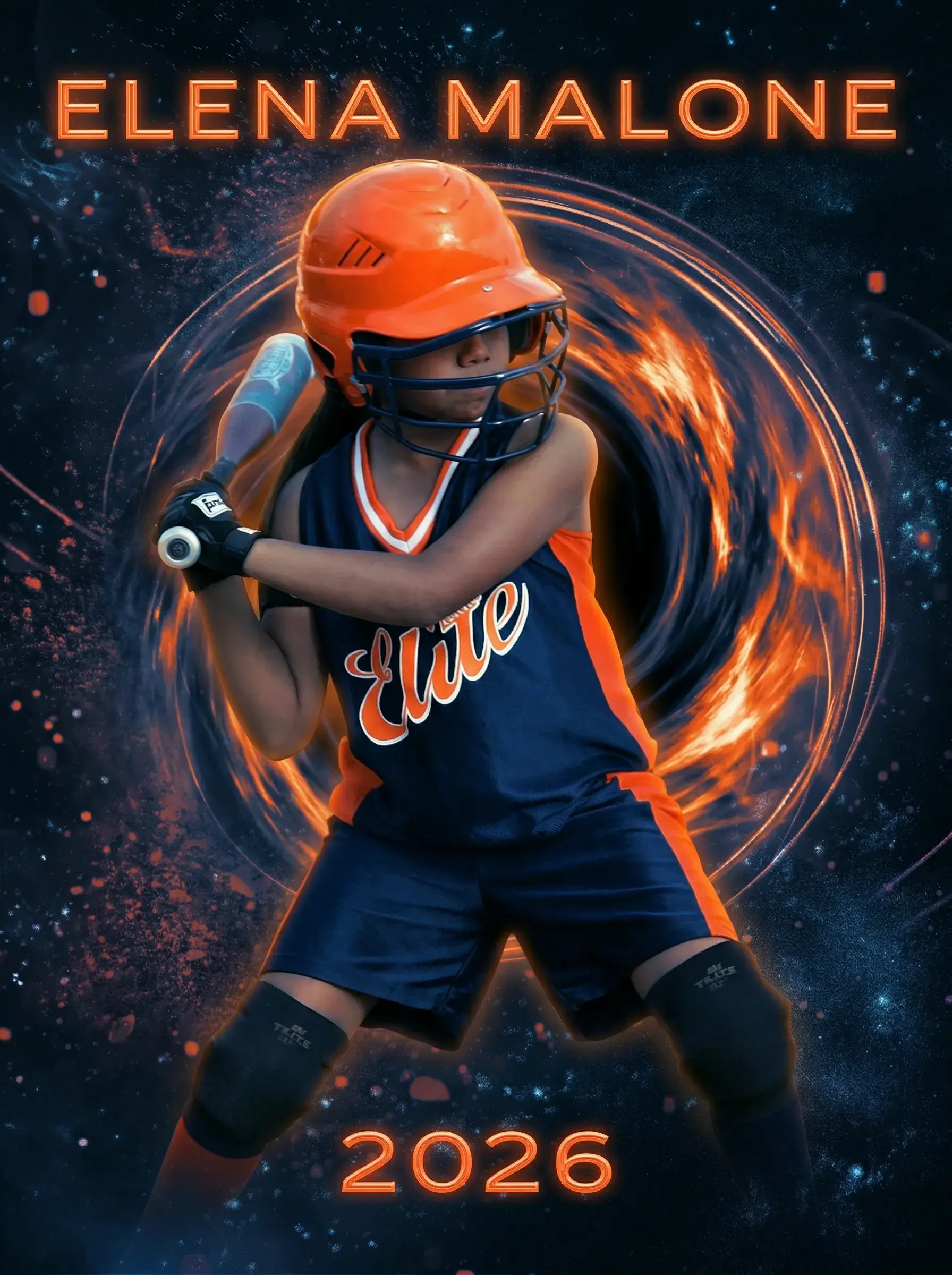
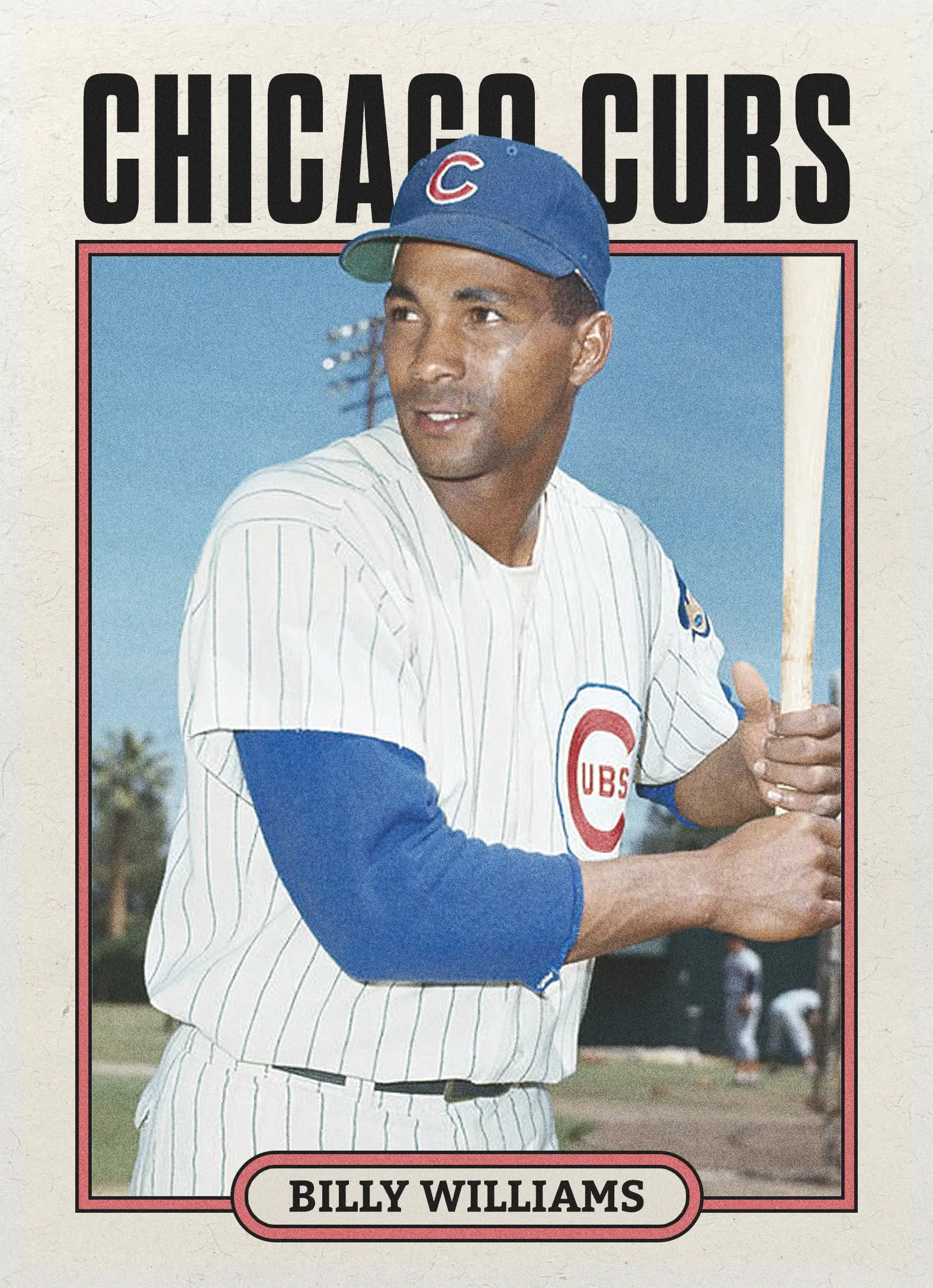
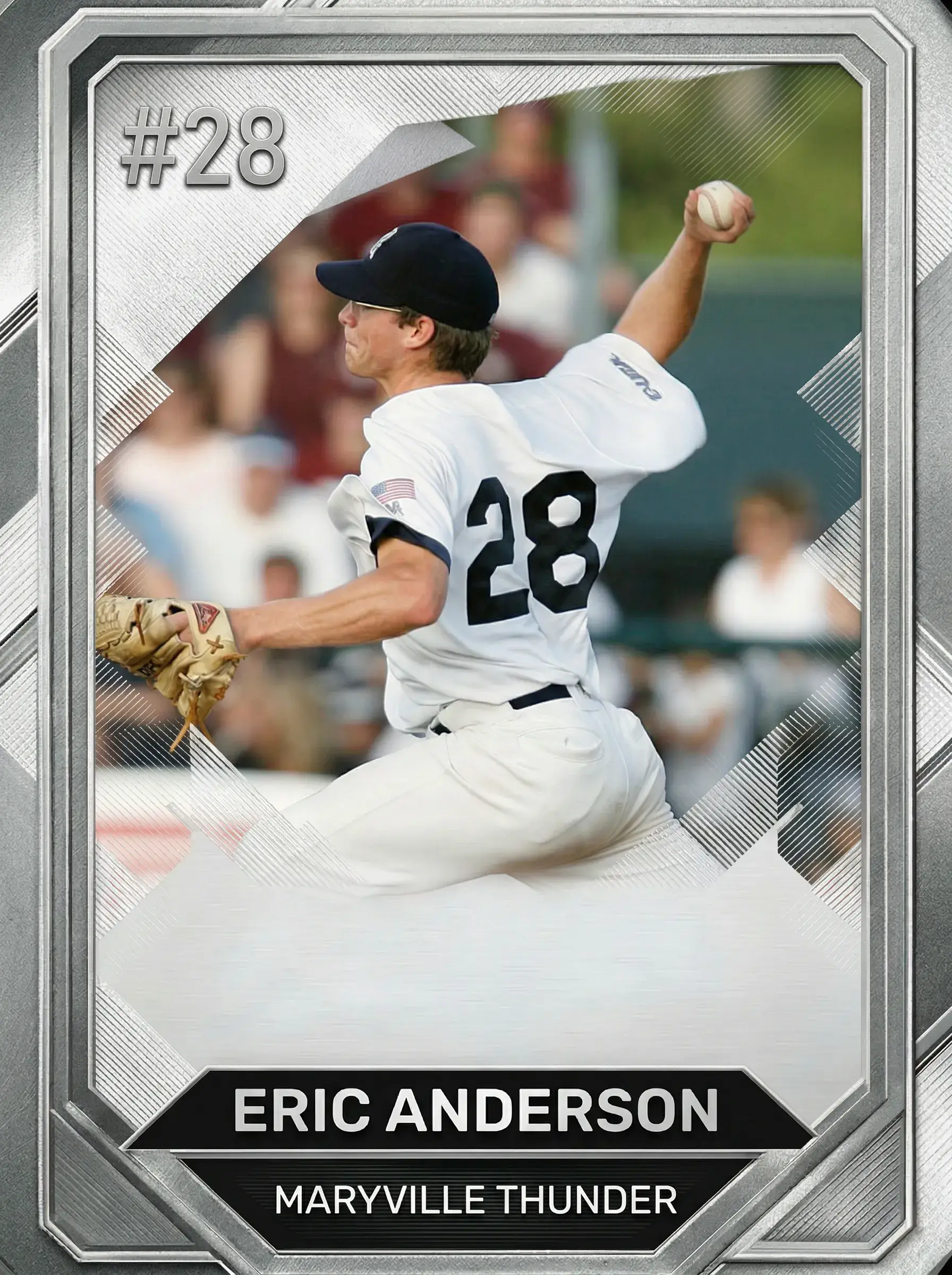
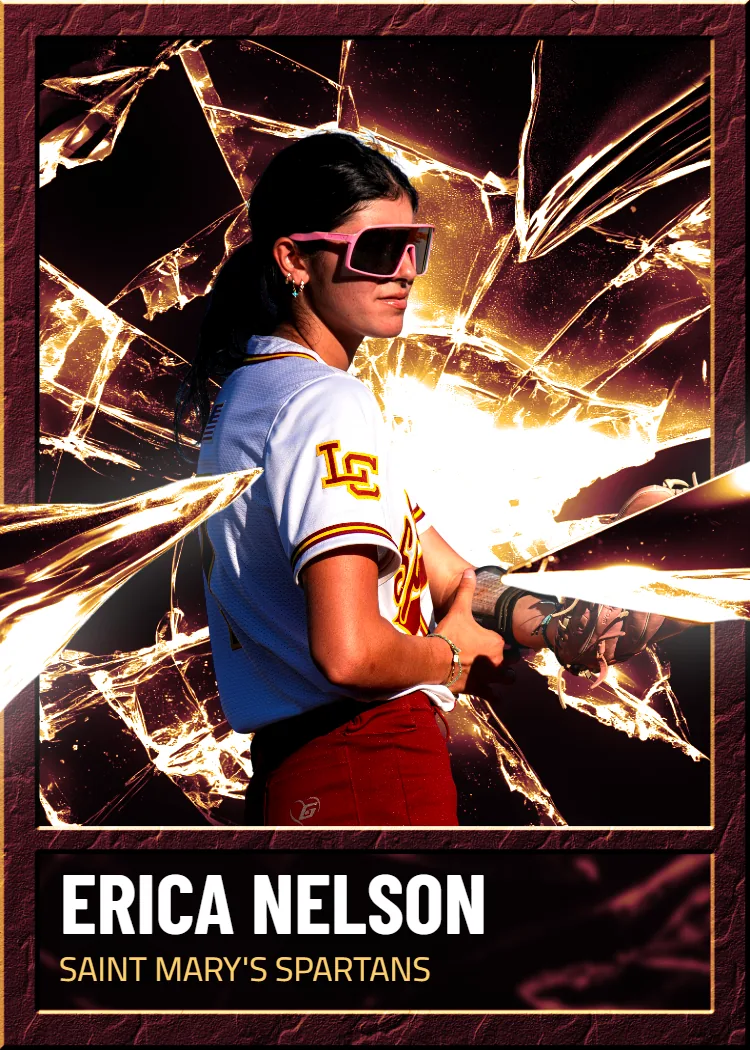
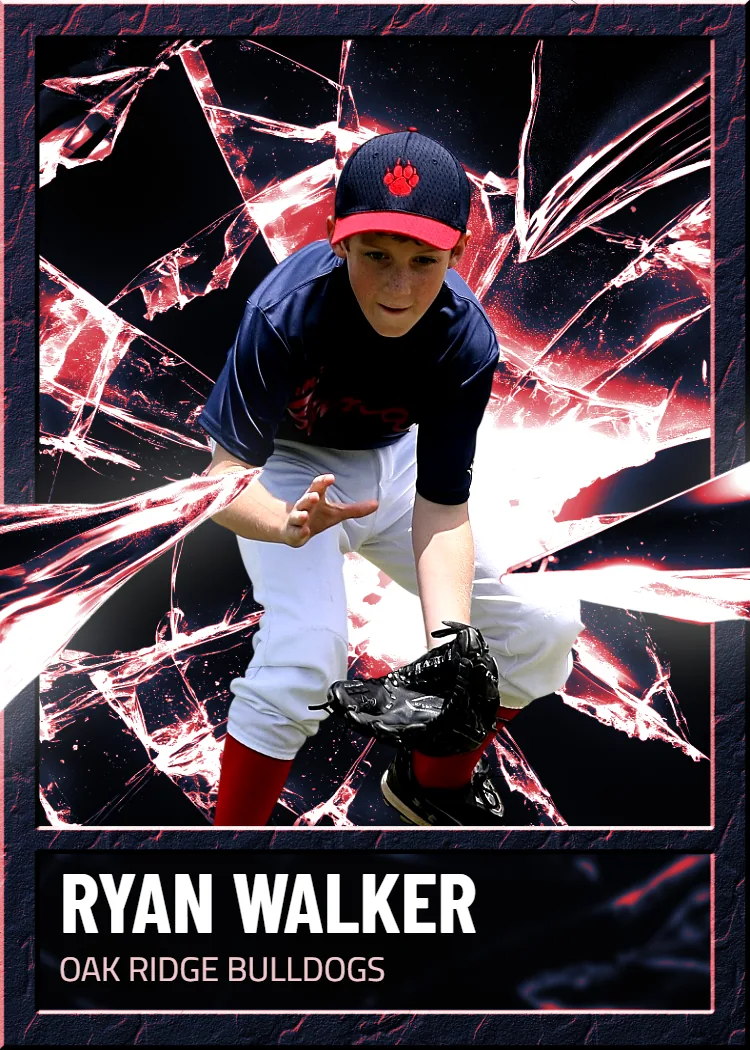
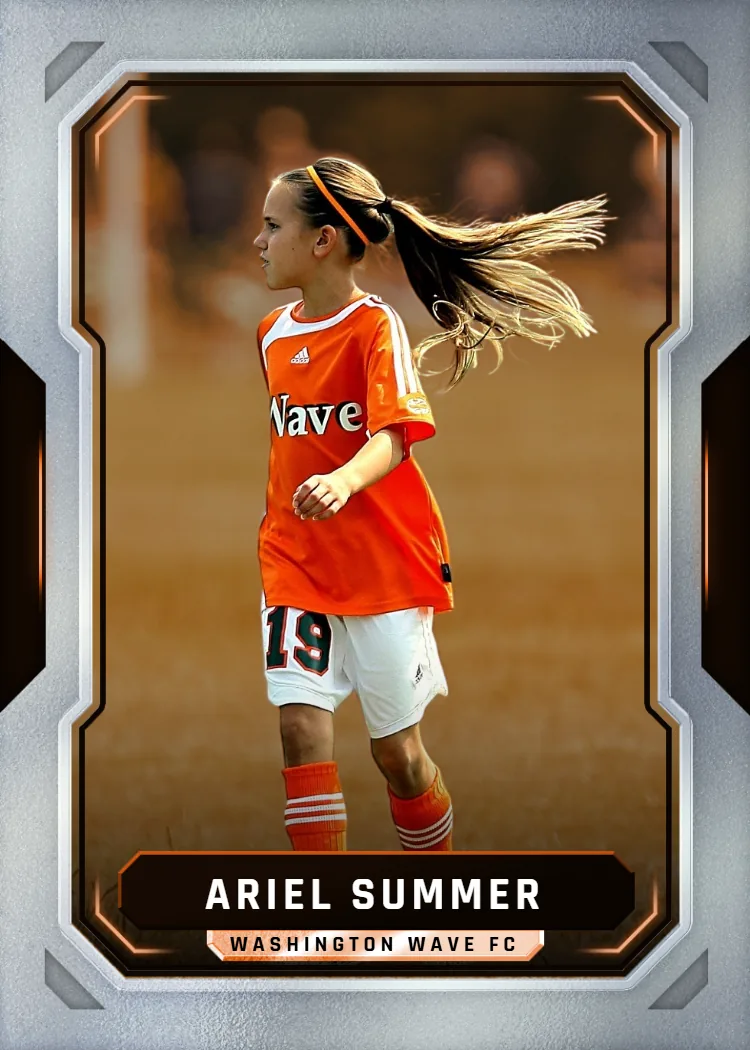
That perfectly timed, sharply focused action shot deserves more than sitting in a camera roll. Upload it to Snapshot and we'll turn it into a professional custom trading card printed on premium card stock — shipped free to your door in two to three days. Starting at $17.99.
Create Your Card NowNo credit card required | Instant preview | Pro-quality designs
Explore More Card Options
Discover more custom trading card options for every sport and occasion