
Best Topps Cards to Buy: Separating Collector Myths From Facts
Every collector's forum has an opinion on the best Topps cards to buy, and half of them contradict each other.
Upload a photo of your player, pet or team, choose an available template, and preview your design before ordering a printed card.

"I created a few AI cards for my kids. I started collecting back on February and the boys love the Kaboom cards. My daughter loves princesses so I made her a Disney card through AI. I looked for a company to actually make the card and found Snapshots. Very easy to use, very fast, excellent price. They actually called me to verify some of the information on the picture and offered to make any changes. I received them very quickly. I rarely leave reviews, but I felt this company deserved to hear that they are doing it right and I will definitely be using them again very soon."
— jimmy P. · 3 months ago
"We had my son’s senior pictures taken at Target field so I wanted to put those images on a baseball card to give out at his graduation party! I had so much fun creating them on the website! I ordered them on a Wednesday night and they were at my door that Saturday! Very quick! I couldn’t wait to open them! They are awesome! Better than I could have ever imagined! The quality is well worth the money! Amazing job! Will definitely recommend to anyone looking for a unique way to capture a forever memory!"
— Greg S. · 5 months ago
"These are great quality cards and look amazing will be ordering more from them."
— Blaine R. · 5 months ago
"I ordered cards on a Monday so they would be shipped and arrive by Friday. The next day through a series of unexpected events and missed communications on my part, I discovered my order was delayed. I reached out to see if there was anyway my order could still be processed and shipped out on time. Graham (CTO) reached out to me personally via email and phone to fix the issue and ensure my order was processed and shipped out on time. I received them on that Friday as I was originally hoping. Upon opening they were better than expected. The card stock is sturdy and the printing was high quality! I would definitely recommend this company and will be making more cards to order."
— Ron D. · 4 months ago
"This was perfect! Ordered and was in my mailbox within a week. They were exactly what I imagined! I can’t wait for my Kickin Nuggets U4 Soccer team to get their player cards!!!"
— Brittany C. · 5 months agoReviews from Google
Walk into any card shop and you'll hear wildly different advice. One person swears rookie cards are the only smart purchase. Another insists vintage Topps from the 1950s is where the real money sits. A third will tell you unopened wax boxes are pure gambling and not worth the risk. If you're a fan trying to figure out the best Topps cards to buy for your own collection or as a gift, this noise makes decisions harder, not easier. Most of what gets repeated online is half-true at best, and some of it is flat wrong.
This guide breaks down the common myths around Topps buying decisions and replaces them with what actually holds up. We'll cover rookie cards, parallels, vintage sets, and grading claims, plus where a personalized keepsake card fits into the picture for fans who want something meaningful rather than speculative. We're not appraisers, but we work with card stock, printing, and collector packaging, so we know the difference between hype and durable value.
Let's look at the claims collectors repeat most often, and what the facts actually say.
See your photo on a card
Pick a photo and preview it on a real Snapshot template, right here.
Your photo stays on your device.
Frequently Asked Questions
Is it a myth that all rookie cards go up in value?
Yes, that's one of the biggest myths in the hobby, and it trips up a lot of new buyers. Plenty of rookie cards from hyped prospects never appreciate at all, and some lose significant value once a player's performance levels off or an injury interrupts their career. The cards that hold value long-term are almost always tied to players who sustain excellence across many seasons, not just a strong debut year. Buying a rookie card the moment a player breaks out is often the worst time to buy, since prices spike on hype before performance is proven. A smarter approach is watching a player's first two or three full seasons before committing serious money to their rookie cards. That patience costs you nothing but time, and it protects you from paying peak prices for a player who turns out to be a one-season story. If you already own early rookie cards of a player who didn't pan out, that's not a wasted purchase if you bought it for enjoyment rather than resale. Treat those as collection pieces, not investments, and the disappointment mostly disappears.
Do unopened wax boxes actually guarantee value?
No, and this is another persistent myth. Unopened boxes carry the appeal of mystery, but the actual contents are entirely random, and most boxes contain mostly base cards with modest resale value. The rare hit that makes headlines happens far less often than marketing suggests, and buying a box purely to open it is closer to gambling than investing. Sealed wax from decades past can hold value due to scarcity and nostalgia, but that's a different category from modern box breaks bought for potential hits. If you're buying a box for the experience of opening it with friends or family, that's a reasonable use of money. If you're buying it expecting guaranteed profit, you're more likely to be disappointed than not. Compare box prices against the expected value of the cards typically found inside before buying, since some releases are priced well above what their contents statistically return. Doing that math first saves a lot of buyer's remorse later, especially for expensive premium releases marketed heavily around one or two chase cards.
Are graded cards always worth more than raw cards?
Not automatically, and that surprises a lot of newer collectors. Grading costs money and time, and a card that grades lower than expected can actually end up worth less than it would have been sold raw with an honest condition description. Grading makes the most sense for cards you already believe are in excellent condition and that carry enough market value to justify the grading fee. Sending a common base card for grading rarely pays off, since the grading cost often exceeds any value increase. High-value vintage cards or scarce modern parallels benefit most from grading, because a verified grade removes buyer doubt and typically commands a real premium in resold listings. If you're unsure whether a card is grading-worthy, compare recent sold prices for both raw and graded versions of that exact card before spending money on submission. That comparison alone prevents most grading regret, and it takes less time than waiting months for a card to come back from a grading service.
Should I buy vintage Topps cards or modern releases?
Both have a place, and the right choice depends on your budget and patience. Vintage Topps cards, especially from the 1950s through 1980s, often carry steadier long-term demand because the supply is fixed and won't ever increase. Modern releases can spike quickly on hype but are also more volatile, since Topps prints far larger quantities and player performance can shift public interest fast. If you're new to collecting, starting with a few well-chosen vintage commons in decent condition teaches you more about grading and value than chasing an expensive modern rookie card. Modern releases make more sense if you're following a specific active player and want to build a collection around their career as it happens. Neither path is objectively better, but mixing both usually creates a more resilient collection than betting everything on one era. Set a rough budget split before you start buying, so hype from a modern release doesn't eat the money you meant to spend on a steadier vintage pickup.
How can I tell if a Topps card is actually rare?
Check for a printed serial number, a parallel designation, or explicit language about limited print runs, since those are the clearest scarcity signals. Base cards from recent decades are produced in the hundreds of thousands or more, so scarcity almost never comes from the base set itself. Older vintage cards can be scarce simply due to age and low survival rates in top condition, even without official numbering. If a seller claims a card is rare without pointing to a specific print run or grading population report, treat that claim skeptically until you can verify it. Population reports from major grading services show exactly how many copies of a card have been graded at each condition level, which is one of the more reliable scarcity checks available. A card can be common in raw form but genuinely scarce in high grade, so scarcity claims need to specify condition, not just the card itself. When in doubt, search recent completed sales rather than active listings, since active prices often reflect what a seller hopes to get, not what buyers are actually paying.
What's the difference between a parallel and an insert card?
A parallel is a variation of an existing base card, usually differing in color, foil, or border design, and often tied to a specific print run number. An insert is a separate card design entirely, not a variation of the base set, frequently built around a special theme like award winners, career highlights, or autograph programs. Parallels tend to be easier to compare in value since they mirror an existing card everyone recognizes. Inserts can be harder to value because they don't have a direct base-card counterpart, so their worth depends more heavily on scarcity and player popularity. Collectors chasing complete sets usually prioritize parallels first, since checklist-based completion is more straightforward. Collectors chasing specific hits or investment pieces often lean toward numbered inserts and autograph cards instead. Neither is inherently better, but knowing which category a card falls into changes how you should research its price and compare it against similar cards before buying.
Is buying cards online riskier than buying in person?
It carries different risks rather than simply being riskier. Online buying gives you a much larger pool of listings to compare, which helps you avoid overpaying, but it also means you can't inspect the actual card before purchasing unless the seller provides detailed photos. Buying in person lets you check centering, corners, and surface condition directly, which reduces surprises, but local shop inventory is naturally more limited. A reasonable approach is using online listings to understand fair market price, then negotiating in-person purchases using that research as leverage. Always request additional photos from online sellers if listing images are low resolution or only show the front of the card. Reputable online marketplaces also offer buyer protection for cards that arrive misrepresented, which reduces some of the inherent risk of not seeing a card in hand first. Neither method eliminates risk entirely, so the safest strategy combines research from both worlds rather than relying on just one.
Can a custom card ever be considered as valuable as an official Topps card?
It depends entirely on how you define value. In resale or market terms, a custom card doesn't carry the same speculative trading value as a licensed Topps release, since it's not part of a graded, tracked product line. But in personal or sentimental terms, a custom card built from your own photo can matter more than any officially licensed card, because it captures a specific memory that can't be replicated or mass produced. Many fans treat custom cards as a separate category entirely, sitting alongside their Topps collection rather than competing with it. A custom card commemorating a milestone game, a youth season, or a family memory holds meaning that has nothing to do with market trends. For gifting purposes especially, that guaranteed personal relevance often outweighs the uncertainty of picking the right licensed card for someone else's taste. Both categories serve different purposes, and a well-rounded collector or fan often ends up with both types represented in their collection.
How long does it take to get a custom card made through Snapshot?
Snapshot ships custom cards the next business day after your order is placed, printed on premium card stock and shipped free over $30 anywhere in the USA. The process starts with uploading any photo you want featured, then choosing from available pro sports-card style templates to match the look you're going for. Every card arrives with a free magnetic case included, which protects it the same way a graded slab would protect a valuable Topps card. Turnaround time doesn't change based on order size, whether you're buying a single card at $17.99 or a full pack up to $49.99. The MEGA option, an 11x15.4 inch poster-sized card, ships on the same timeline as smaller orders. Because everything is produced domestically in Des Moines, Iowa, you're not waiting on overseas shipping delays that can affect international card orders. If you're planning around a specific date, like a birthday or holiday, ordering a few days ahead of that window gives you a safe buffer for standard shipping transit time as well.
What photo quality do I need to make a good custom card?
Higher resolution photos produce sharper, more detailed printed cards, so a clear, well-lit image works best rather than a blurry or heavily cropped screenshot. Photos taken on a modern smartphone camera are almost always sufficient, since most phones capture more than enough resolution for card-sized printing. Avoid images that have already been heavily compressed through repeated messaging app transfers, since each transfer can reduce quality slightly. Good lighting matters more than camera specs in most cases, since a well-lit photo on an older phone often prints better than a poorly lit photo on a newer one. If the photo is a candid action shot, like a mid-swing or mid-play moment, make sure the main subject is still clearly visible and not too small in the frame. Vertical orientation tends to fit most card templates more naturally than wide horizontal shots, though horizontal images can still work depending on the template chosen. If you're ever unsure whether a photo will print well, choosing one with good contrast and a clearly visible subject is the safest bet.
Are there Topps cards that are commonly overpriced right now?
Yes, and it usually happens around cards tied to short-term hype rather than sustained performance. Cards from a player's single standout game or a viral social media moment often spike in price temporarily, then settle back down once attention moves elsewhere. Limited-run promotional inserts tied to marketing campaigns can also carry inflated prices at release that don't hold up once the initial excitement fades. Checking recent sold prices rather than current asking prices is the fastest way to spot this kind of overpricing before you buy. Auction-style listings can be particularly misleading if a small number of aggressive bidders temporarily push a price above its typical range. Waiting a few weeks after a hype spike often reveals a card's more realistic long-term price, since early excitement tends to cool once new releases or storylines take over collector attention. Patience is one of the most underused tools in avoiding overpriced purchases, and it costs nothing but a short delay.
Does Snapshot only make cards for professional sports?
No, Snapshot works across all levels, from professional athletes down to youth leagues, high school teams, and casual pickup games, since the process is built around any photo you upload rather than official licensed player data. That means a custom card can feature a Little League pitcher, a high school senior night moment, a recreational softball league championship, or any other sport and level entirely, not just the athletes featured in official Topps sets. This flexibility is part of why custom cards work well alongside a licensed Topps collection instead of competing with it. Fans of any sport, not just baseball, can use the same templates and printing process to commemorate a favorite moment. The template selection is designed to mimic professional card aesthetics regardless of the actual level of play in the photo. So whether the memory involves a stadium crowd or a backyard game, the finished product carries the same premium card stock and packaging. That range is one of the more practical differences between custom cards and officially licensed products, which are limited strictly to rostered professional or major league players.
Free to design, instant preview. Free US standard shipping on orders $30+. Review delivery options at checkout.
How Do You Actually Evaluate the Best Topps Cards to Buy?
It comes down to three checks: player relevance, print scarcity, and condition — in that order.
Check the player's long-term relevance, not just current buzz
A hot rookie season doesn't guarantee lasting demand. Collectors who bought heavily hyped rookies in their debut year have watched values flatten within a few seasons more often than not. Look at career trajectory, awards history, and whether the player has staying power in the sport's broader story. Cards tied to genuine milestones age better than cards tied to a single good month.
Look at print run and parallel scarcity
Base cards from modern Topps sets are printed in huge numbers, so scarcity comes from parallels, autographs, or serial-numbered inserts. A numbered card out of 99 or fewer holds attention differently than an open base card. If a listing doesn't mention a print run or numbering, assume it's common and price your expectations accordingly.
Verify condition before you verify price
Centering, corners, and surface wear affect value more than most new buyers expect. A card graded a 7 can sell for a fraction of the same card graded a 9. If you're buying raw (ungraded) cards, inspect corners under good light and compare the centering against the border on both axes before deciding it's worth the asking price.
None of this requires expert credentials — just a slower, more skeptical look before you buy.
What Do You Actually Gain From Buying Smart?
Buying carefully protects your money and your enjoyment of the hobby, not just your resale potential.
You avoid paying hype prices for common cards
Understanding print runs keeps you from overpaying for a base card that looked exciting in a video but has zero scarcity behind it. That's the single biggest mistake new buyers make.
You build a collection that holds meaning over time
Cards tied to real milestones or personal fandom hold emotional value even if market value dips. That's worth more to most fans than they initially admit.
You reduce buyer's remorse on grading
Knowing what condition actually affects price stops you from assuming every near-mint card deserves a premium. It also helps you negotiate fairly when buying from other collectors.
You free up budget for cards that matter to you
Skipping overhyped chase cards means more room in your budget for the players and moments you actually care about. That's a better use of a collecting budget than chasing resale trends.
Where Does This Advice Actually Apply?
The best Topps cards to buy depend heavily on why you're buying — collecting, gifting, or preserving a memory.
The collector building a long-term set
If you're chasing a full set or a specific player run, prioritize completing base sets before chasing expensive inserts. Vintage Topps sets from the 1960s-80s are often more attainable in near-complete form than people assume, and completing a set delivers more satisfaction than a handful of scattered chase cards ever will.
The fan buying a gift for another collector
Gifting is where mistakes happen most. A flashy pack purchase can flop if the recipient already owns duplicates. Ask about their team and era preferences first, or consider pairing a purchase with something personal, like a custom card made from a photo of a shared memory, which guarantees the gift is one of a kind.
The fan who wants a keepsake, not an investment
Not every purchase needs resale potential. If you want a card that captures a specific moment — a game you attended, a team you played on, a milestone in your own life — a custom printed card can matter more than any officially licensed Topps product, because it's irreplaceable to you specifically.
What Do Collectors Actually Report Doing Differently Now?
More collectors are splitting their budgets between licensed sets and personalized keepsakes, treating the two as separate categories rather than competing purchases. Shops and online communities increasingly recommend slowing down before big-box purchases, favoring smaller, targeted buys backed by research over blind box breaks.
What Should You Expect to Pay for a Custom Alternative?
A single custom card runs $17.99, with packs scaling up to $49.99 and a large-format MEGA card also at $49.99.
Rookie Box $17.99-$49.99, MEGA 11"x15.4" poster card $49.99, free shipping over $30 across the USA, printed on premium card stock and shipped the next business day with a free magnetic case.
Unlike speculative Topps purchases, a custom card's value is fixed and guaranteed the moment it ships — no grading, no market swings, no guesswork.
Box Options
Simple, collectible pricing. No subscriptions, no hidden fees.
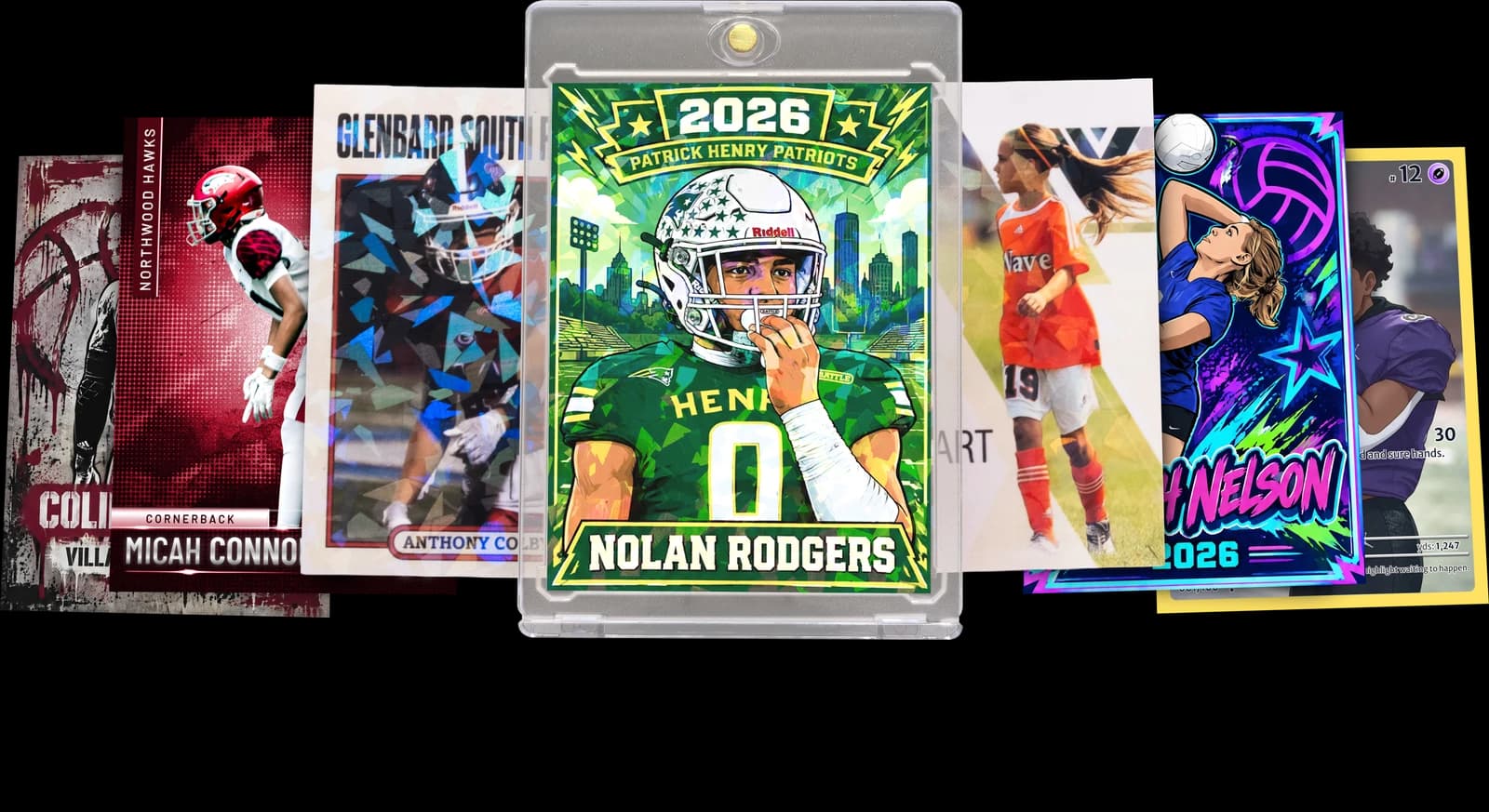
The Rookie Box
Perfect for those unforgettable moments
$17.99 - $49.99
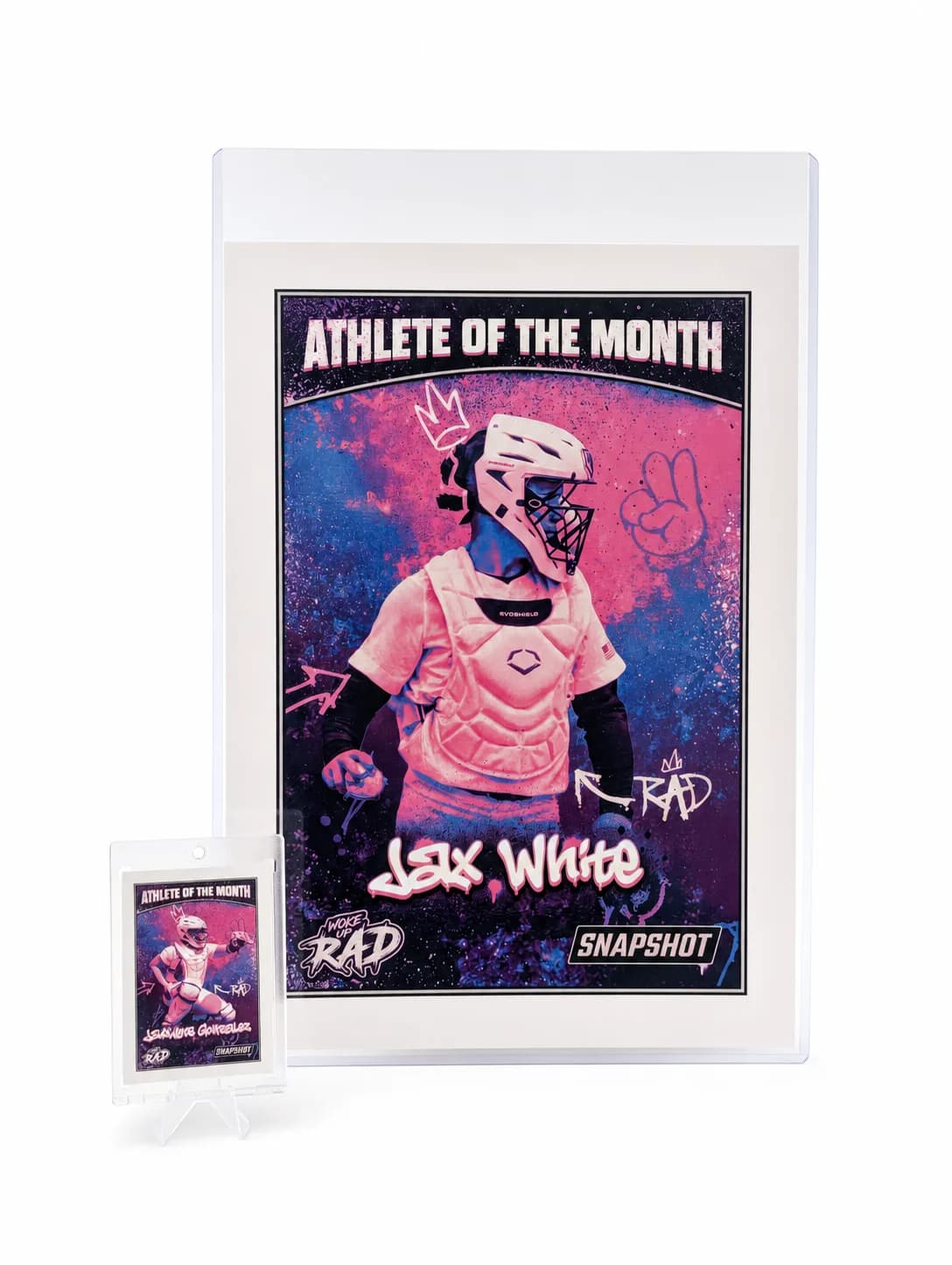
MEGA Card
Their moment, bigger than ever
$49.99
Create for free • Ships the next business day • Made in Des Moines, IA, USA
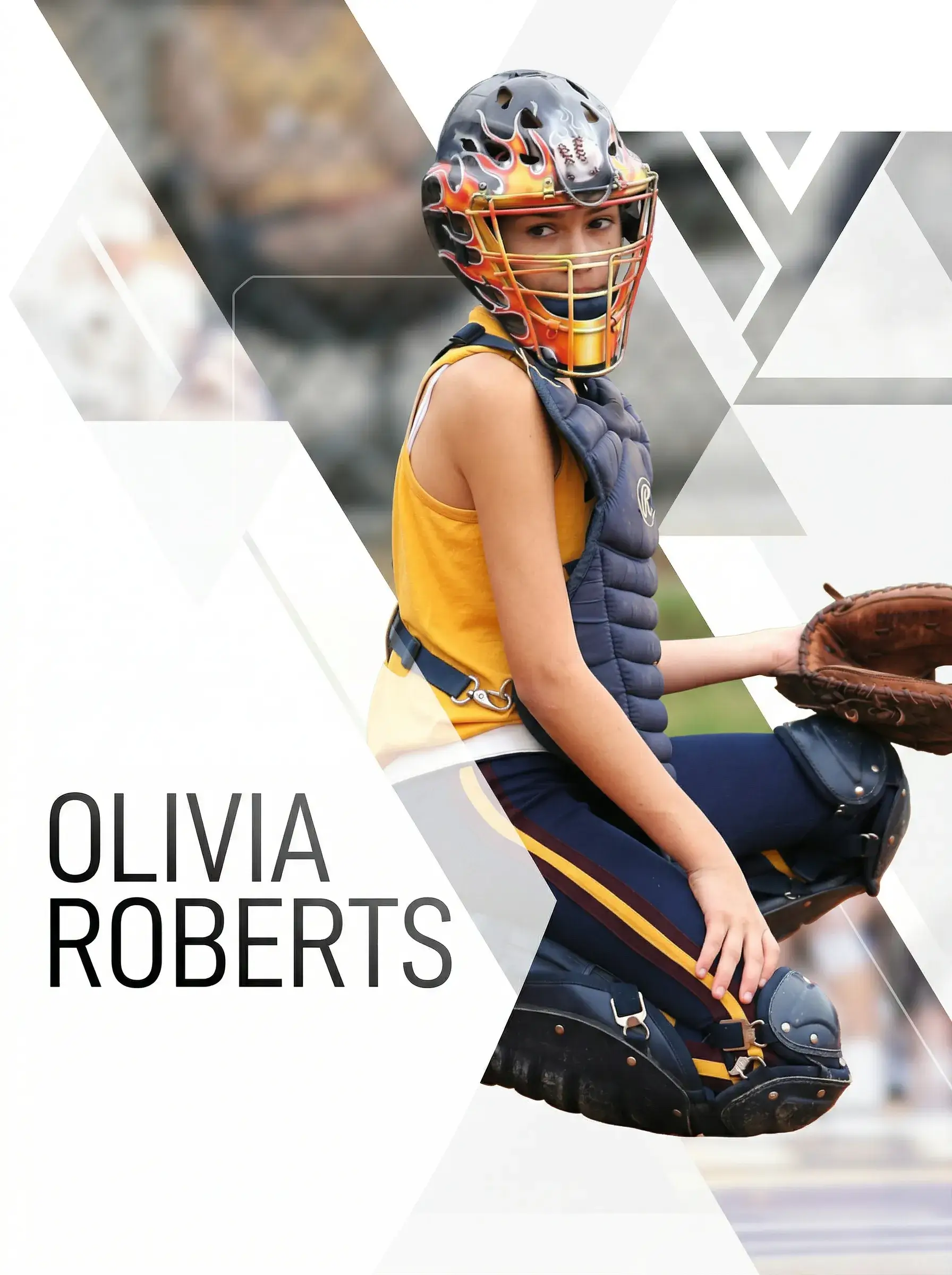
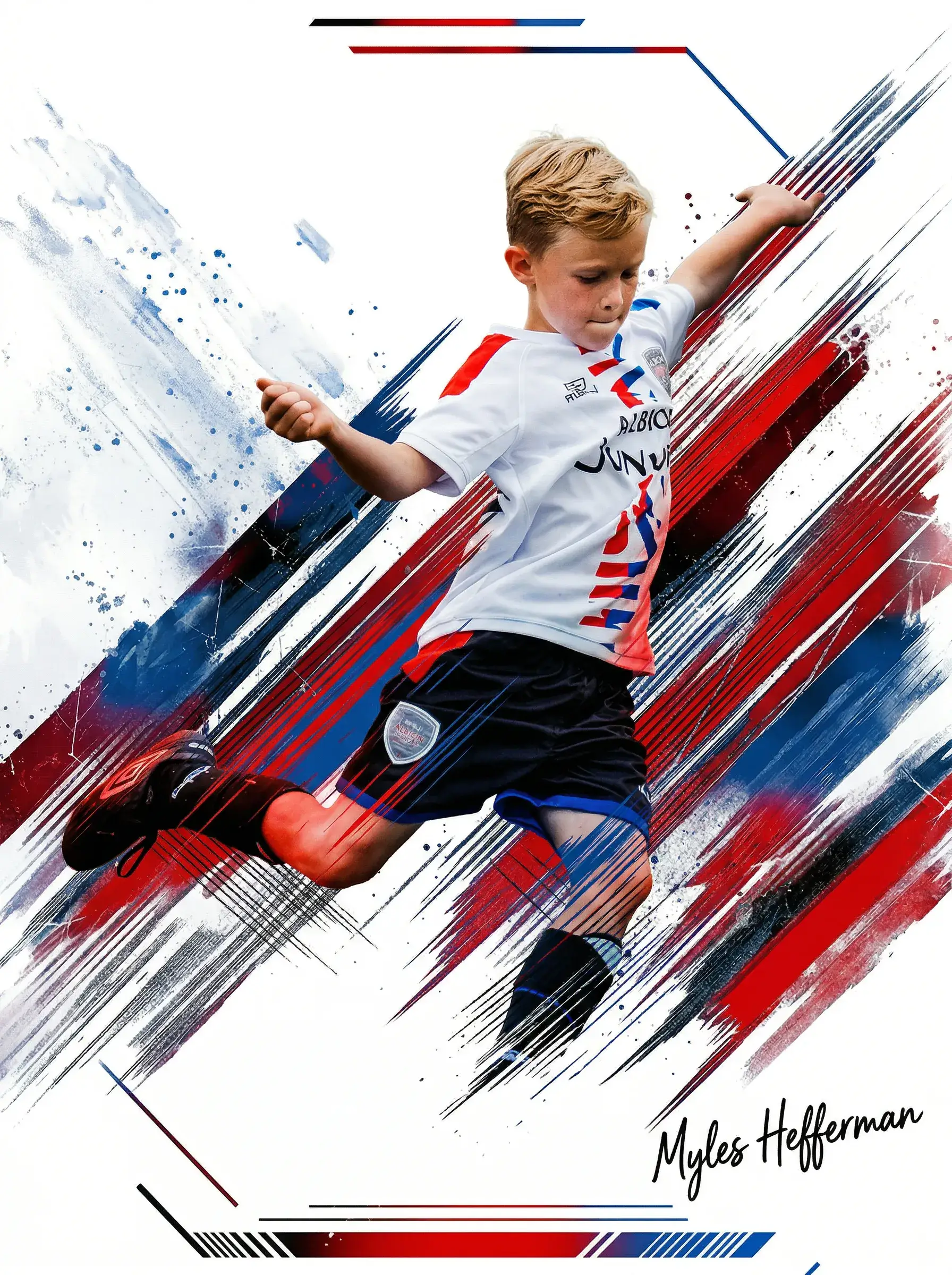

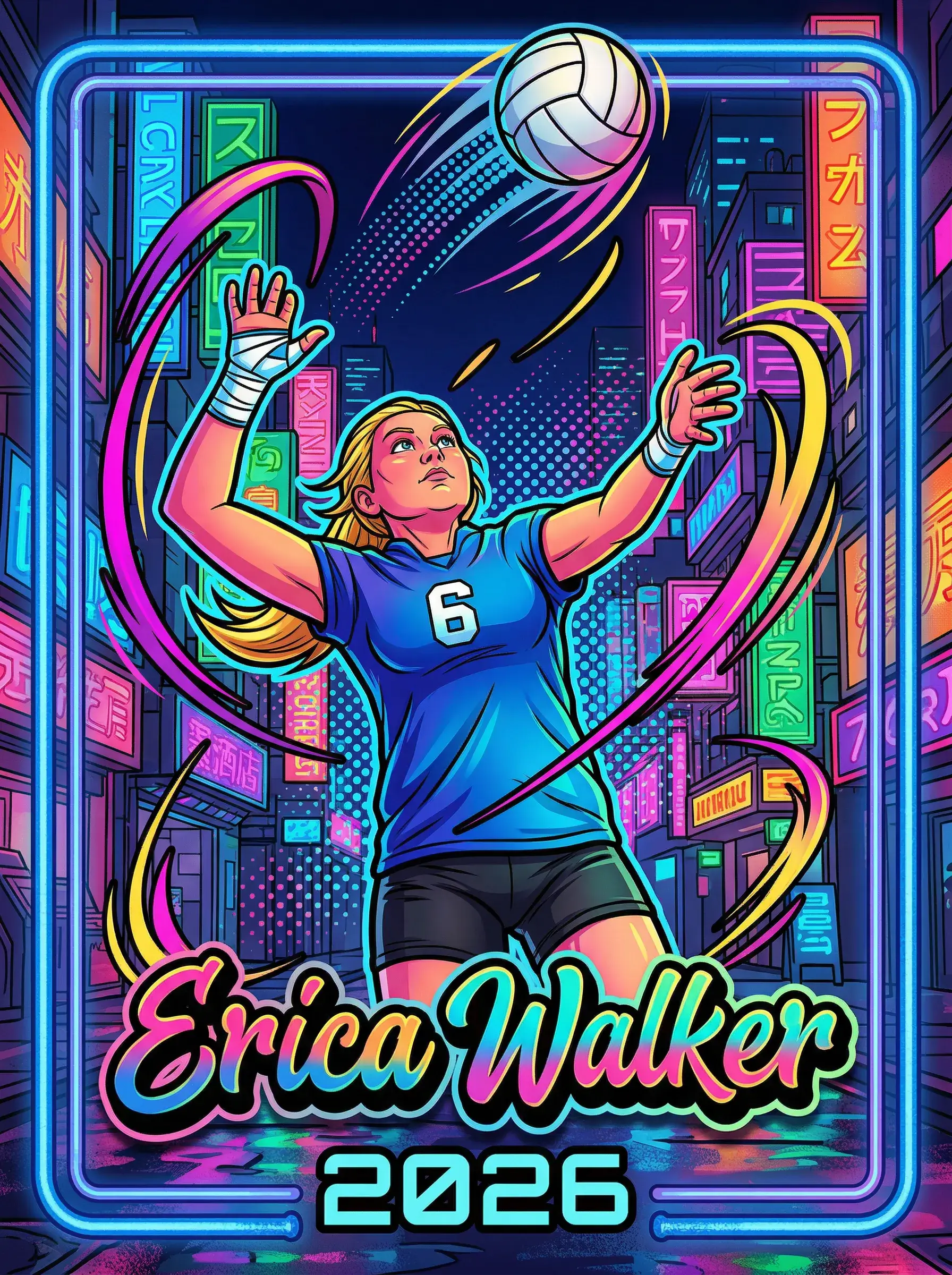


Skip the Guesswork and Make Your Own Best Topps Cards to Buy Story
If you'd rather have a guaranteed keepsake than a speculative purchase, upload your photo and choose a template today. It ships the next business day with a free magnetic case, free US shipping over $30 anywhere in the USA.
Create Your Custom CardNo credit card required | Instant preview | Pro-quality designs
Explore More Card Options
Discover more custom trading card options for every sport and occasion