How to Grade Pokémon Cards Like a Serious Collector
A PSA 10 Charizard sold for $420,000. Grading isn't optional—it's the whole game.
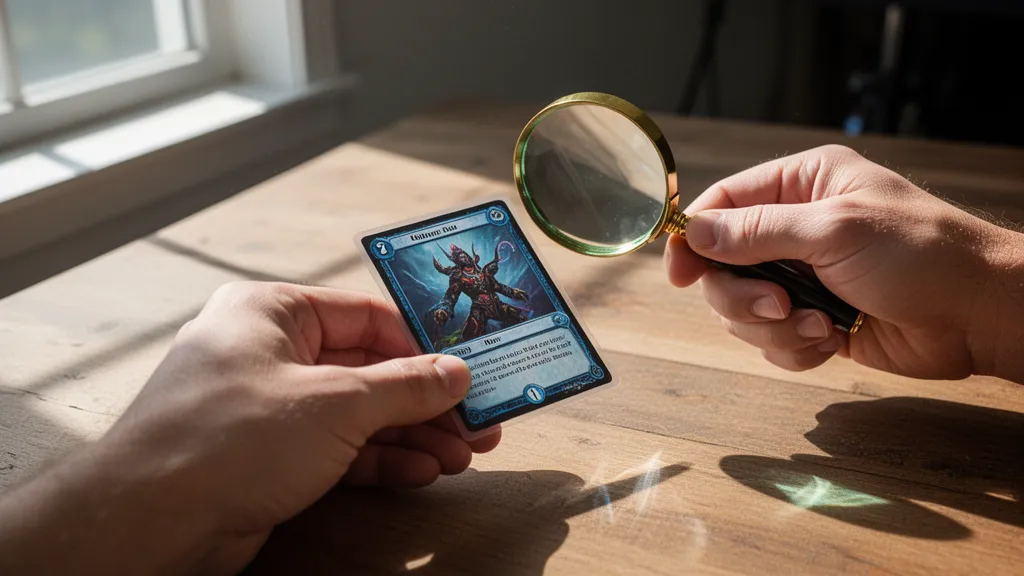
Most collectors who want to know how to grade Pokémon cards start with the wrong assumption: that grading is purely subjective. It's not. Professional grading companies use a structured, four-part rubric—centering, corners, edges, and surface—and they apply it ruthlessly. A single print line or a scratch barely visible under normal light can drop a card two full grades. That gap translates directly into resale value, insurance documentation, and trade legitimacy. Without understanding the system, collectors routinely overpay for mid-grade cards or unknowingly damage high-grade candidates before submission.
Understanding how to grade Pokémon cards starts with learning the grading scale from 1 to 10, then auditing each of the four physical attributes in sequence under proper lighting. From there, you can decide whether a card is submission-worthy, display-worthy, or trade fodder. And if you're celebrating a personal milestone card—a first pull, a childhood favorite, a tournament win—Snapshot lets you turn that moment into a custom printed card you can display proudly without ever risking the original.
Let's break down the grading process the way the pros actually do it.
We ship custom cards to collectors, coaches, and fans in all 50 states every single week from our production facility in Des Moines, Iowa.
The Evolution of Pokémon Card Grading: Key Milestones
1999 — PSA Begins Grading Pokémon
PSA authenticated its first Pokémon cards shortly after the Base Set's US release, establishing the 1-10 grading scale that still governs the hobby today.
2003 — BGS Enters the Market
Beckett Grading Services introduced subgrades for centering, corners, edges, and surface—giving collectors a more granular breakdown of exactly where a card gained or lost points.
2016 — Vintage Prices Surge Dramatically
Base Set Charizard prices broke four figures in raw form, making professional grading economically rational for vintage cards for the first time at scale.
2020 — Pandemic-Era Collecting Boom
Card submissions to PSA tripled, causing backlogs exceeding a year. The surge permanently increased awareness of grading standards among a new generation of collectors.
2021 — CGC Pokémon Grading Launches
CGC—already dominant in comic grading—opened a dedicated trading card division, creating meaningful competition and pushing turnaround times industry-wide.
2024 — Grading Market Stabilizes
Submission volumes normalized, turnaround times shortened, and collector literacy around grading standards reached an all-time high. Self-grading tools and communities made pre-submission auditing standard practice.
Pokémon Card Grading: Myths vs. Facts
MythA card that looks perfect to the naked eye will get a PSA 10.
FactMost cards rejected from a PSA 10 look flawless under normal light. Centering errors, micro-scratches, and print defects only appear under raking LED light or a loupe. Never assume without a proper inspection.
MythCleaning a card before submission improves its grade.
FactWiping a card—even with a soft cloth—introduces micro-scratches that graders detect immediately. The only safe surface intervention is a gentle compressed-air puff to remove loose dust particles.
MythFirst-edition cards always grade higher than Unlimited prints.
FactThe first-edition stamp has no bearing on the physical condition grade. A first-edition card with poor centering will grade lower than a pristine Unlimited print. Edition affects market value, not the grading rubric.
MythA graded PSA 7 is always worth more than the raw card.
FactFor common or lower-value cards, a PSA 7 can actually sell for less than raw price because the grade publicly documents defects. Grading only adds consistent financial premium at grades 9 and above on desirable cards.
Mistakes That Cost Collectors Real Money Before Submission
Submitting without measuring centering
Storing submission candidates in binders
Ignoring the back of the card during inspection
Overvaluing grade based on artwork alone
Free to design, instant preview. Ships in 2-3 days.
Why Grading Knowledge Changes How You Collect
Knowing how to grade Pokémon cards before you ever send one to PSA or BGS changes your buying decisions, your storage habits, and your long-term collection value.
Smarter Purchases at Every Price Point
When you can grade a card yourself, you stop paying raw prices for cards that'll never hit a 9. You'll spot centering problems at a card show before you hand over cash, which is exactly the skill that separates growing collections from stagnant ones.
Proper Storage Before Submission
Cards that sit loose in binders or boxes accumulate surface scratches and corner wear fast. Once you understand what graders look for, you'll sleeve every submission candidate immediately—penny sleeve first, then a semi-rigid, then a top-loader. That sequence preserves grade potential.
Accurate Collection Valuation
Insurance documentation and estate planning require realistic card valuations. A self-graded audit gives you a defensible estimate before you pay for professional appraisals. It's not perfect, but it's far more accurate than guessing from recent sold listings alone.
Better Trade Negotiation
Trading raw cards is a negotiation. Collectors who can articulate why a card is a strong PSA 8 candidate—versus a soft 7—command better trade terms. That confidence comes directly from knowing the grading rubric cold.
Who Actually Uses Pokémon Card Grading Knowledge
Grading knowledge isn't just for professional investors. Three very different types of collectors use it for very different reasons.
The Nostalgic Adult Collector
Millions of collectors rediscovering childhood cards need grading knowledge before they submit anything from the Base Set era. Unlimited Charizards, Blastoise, and Venusaur from the late 1990s have thin cardstock and heavy print defects from factory runs. Knowing what a realistic grade looks like prevents the expensive mistake of submitting a card that comes back a PSA 5 when you were hoping for an 8.
The Competitive Tournament Player
Tournament players often pull valuable cards from prize packs and need to assess them quickly. Grading knowledge helps them decide on the spot whether a pulled card should go straight into a sleeve for submission or get used in play. A single tournament where you sleeve a pulled alternate-art rare correctly can pay off significantly when you sell or trade later.
The Gift and Memorabilia Buyer
Parents, partners, and friends buying Pokémon cards as gifts need to know what they're handing over. Understanding basic grading helps them choose sealed product over loose cards, or select gifts that can be properly stored. For truly special occasions, a custom Snapshot card—printed on professional card stock and shipped in a magnetic case—makes a lasting keepsake that doesn't depreciate.
Why Collectors Trust the Grading Process—and Premium Presentation
The Pokémon card grading market hit record submission volumes in recent years, with PSA alone receiving millions of cards annually. Collectors across all 50 states have increasingly turned to preserved, displayed cards as a form of personal memorabilia—not just investment vehicles.
At Snapshot, we ship custom-printed cards to collectors, fans, and families every week who want to celebrate a card's story without risking the original in a submission queue.
Frequently Asked Questions
Is there a difference between PSA, BGS, and CGC grading for Pokémon cards?
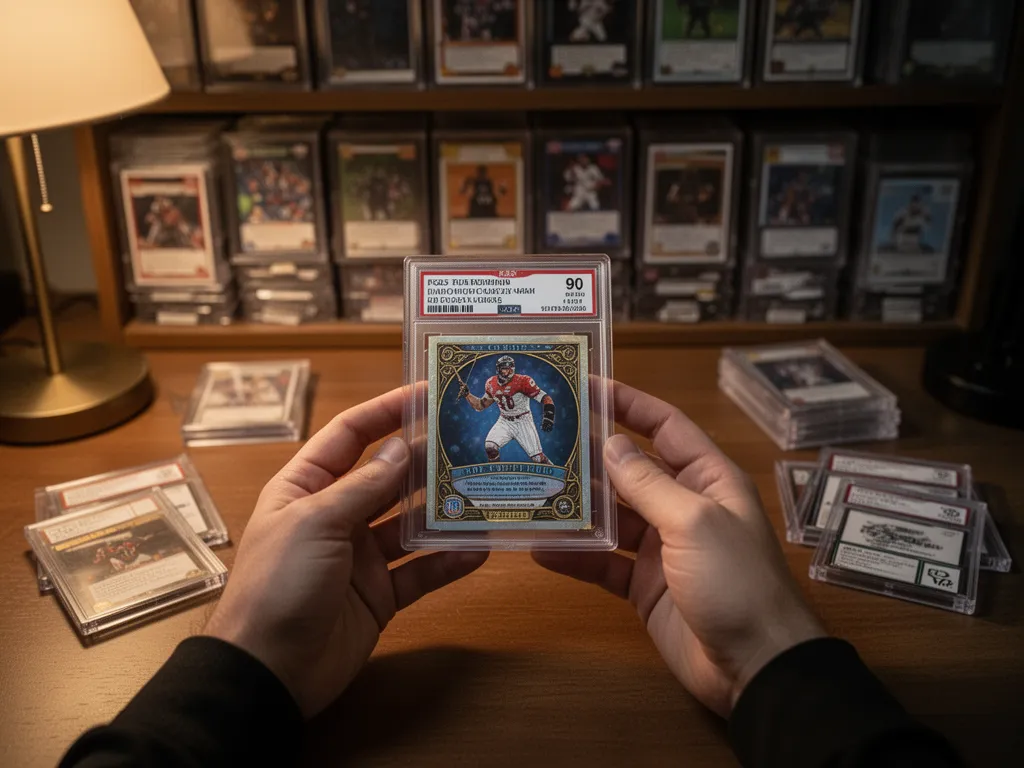
Yes, and the differences matter for resale value and collector preference. PSA is the most recognized name in the hobby and tends to command higher resale premiums on platforms like eBay. BGS (Beckett) grades on four subgrades and is known for being stricter—a BGS 9.5 is considered comparable to a PSA 10 by many collectors. CGC is a newer entrant that's gained credibility quickly, especially for cards under $500 in potential value due to lower submission costs. Each company also has different turnaround times and service tiers, which affect your cost-benefit analysis significantly.
Does the print era of a Pokémon card affect how it grades?
Absolutely. First-edition and Shadowless Base Set cards from 1998-1999 were printed with manufacturing standards that introduce centering and surface variability at a much higher rate than modern sets. Unlimited Base Set cards are notorious for off-center print runs. Modern cards printed from the Sun & Moon era forward benefit from tighter factory quality control, which is why gem-mint grades are more achievable on modern pulls. Understanding which era you're working with sets realistic expectations—a PSA 10 Base Set Charizard is genuinely rare, while a PSA 10 modern full-art rare is attainable with proper storage.
Should I clean my Pokémon cards before grading them?
No—and this is one of the most damaging myths in the hobby. Never wipe a card's surface with a cloth, tissue, or any cleaning solution before submission. Even soft microfiber cloths leave micro-scratches that a grader's inspection lamp will detect. If there's visible dust on the surface, the only safe approach is a gentle puff of clean compressed air from a distance. Fingerprints are detected under UV and raking light as well. Handle all submission candidates by the edges only, and sleeve them immediately after pulling from a pack to prevent oils from your hands from degrading the surface gloss over time.
How much does it cost to get a Pokémon card professionally graded?
Grading fees vary widely by company and service tier. PSA's economy service currently starts around $25 per card with multi-month turnaround times. Express tiers can run $75 to $300 per card depending on declared value and speed. BGS has similar tiered pricing. CGC tends to be more cost-competitive for lower-value cards. You also need to factor in return shipping, insurance for high-value cards, and submission packaging. For a card with raw market value under $50, professional grading often doesn't pencil out financially unless you're confident the graded result will significantly increase the card's market price.
What tools do I need to grade Pokémon cards at home accurately?
A proper home grading setup doesn't require expensive equipment. You'll need a centering tool (available for under $20 from most hobby shops or online), a loupe magnifier at 10x or higher, a bright LED task lamp with a moveable arm for raking light inspection, and penny sleeves plus top-loaders for any card you flag as a submission candidate. Optional but useful: a UV light to check for surface restoration or non-factory alterations on vintage cards. Document everything with a decent phone camera before submission so you have pre-submission condition evidence if you need to dispute a grade.
Can I grade and display Pokémon cards I have emotional attachment to without risking them?
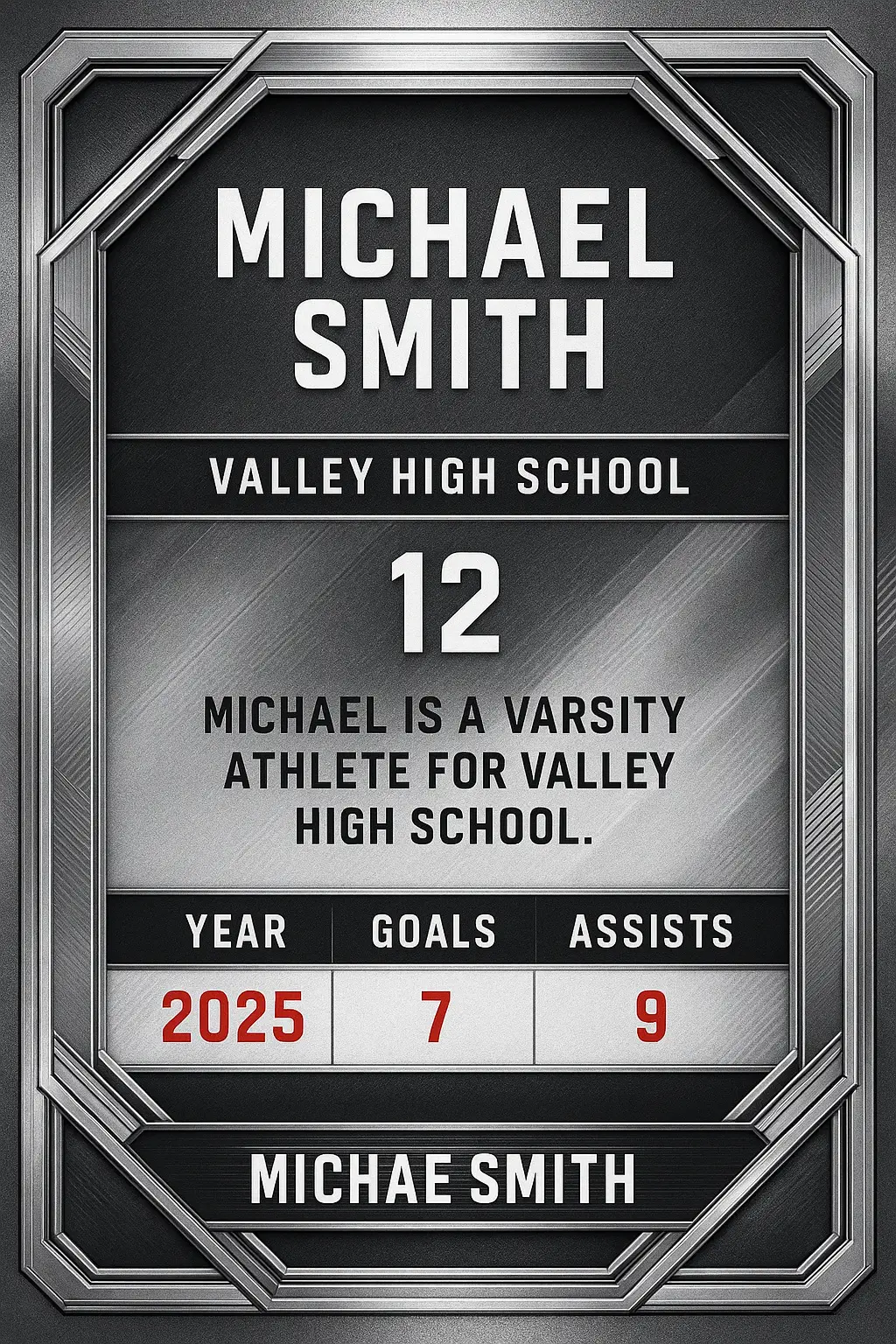
Yes, and this is where a lot of collectors get creative. High-sentimental-value cards—first pulls, childhood favorites, cards signed at conventions—don't have to sit in a submission queue for six months. Many collectors keep the original safely sleeved and create a display version instead. Snapshot prints custom cards from any photo on professional card stock, ships in a magnetic case, and delivers in 2-3 days. It's a genuinely practical way to display the card's artwork and memory without ever exposing the original to handling risk, light damage, or the uncertainty of a grading return.
Free to design, instant preview. Ships in 2-3 days.





Who Actually Uses Pokémon Card Grading Knowledge
Now That You Know How to Grade Pokémon Cards, Celebrate Your Best Ones
Your rarest pulls and most meaningful cards deserve more than a binder pocket. Upload any photo to Snapshot and we'll print it on professional card stock, ship it in a magnetic case, and have it at your door in 2-3 days. Free shipping, made in the USA.
No credit card required | Instant preview | Pro-quality designs
Explore More Card Options
Discover more custom trading card options for every sport and occasion
Order Where To Grade Cards
View card options →
Order Pokemon Grading
View card options →
Order Custom Holographic Pokemon Cards
View card options →
Order Pokemon Grader
View card options →
Order Grading Pokemon Cards
View card options →
Order Pokemon Card Graders
View card options →