
Indoor Sport Photography Settings That Get the Shot
Gyms lie to your camera. The light looks fine to your eyes, but your photos come out blurry, orange, and flat.
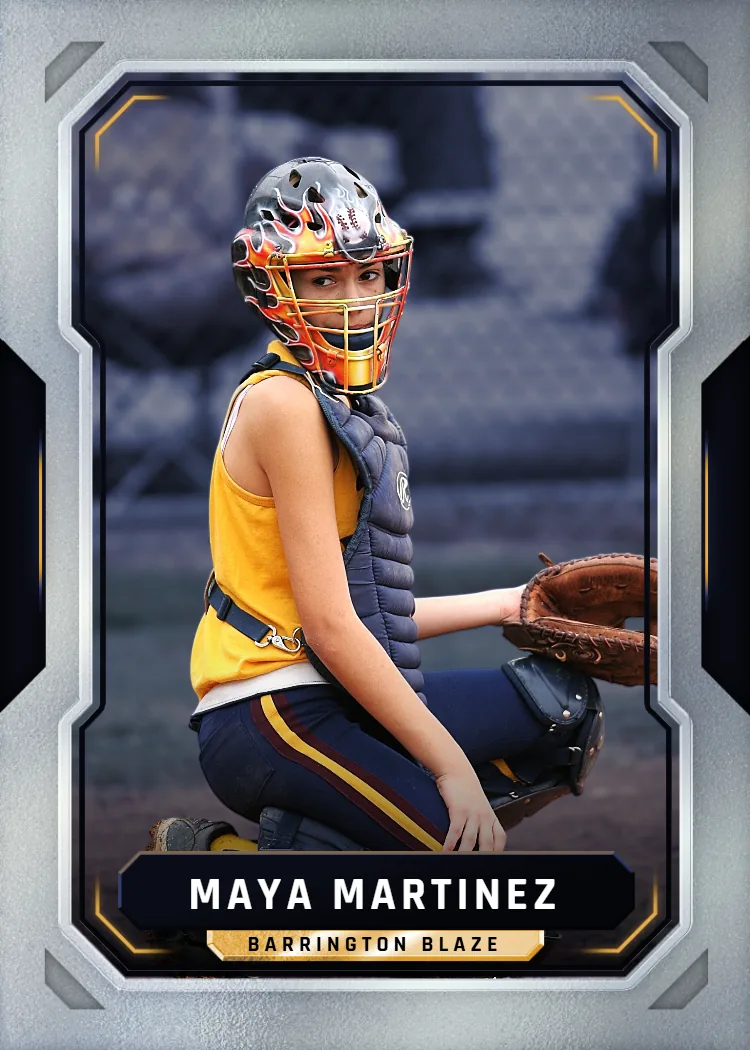
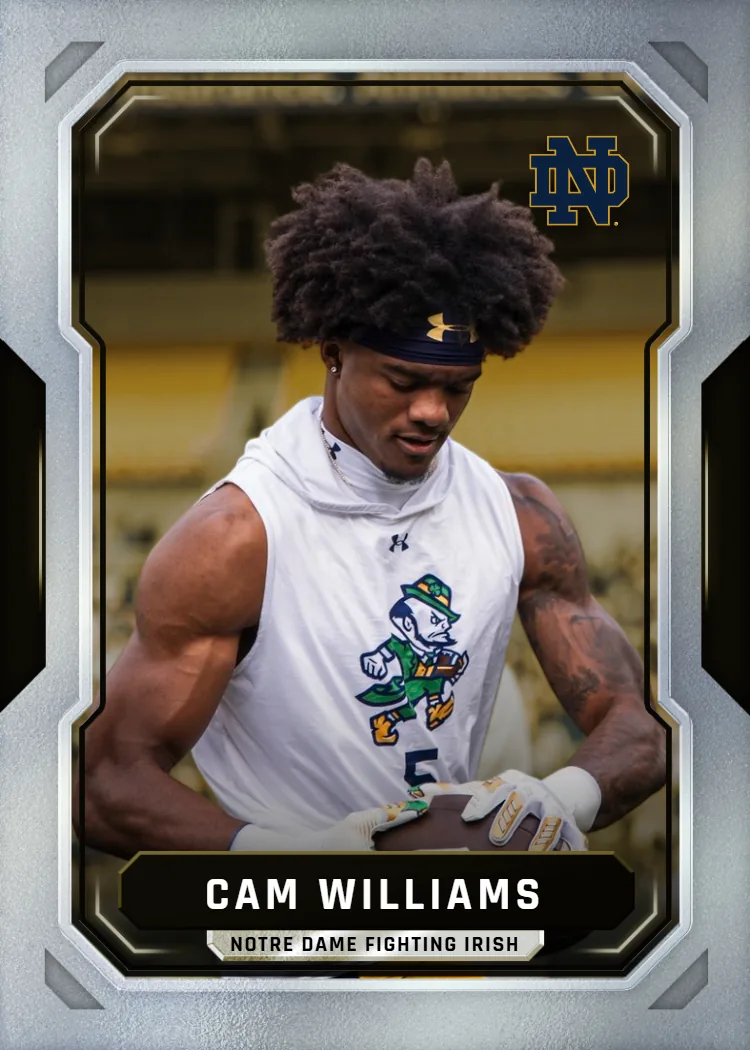
Upload any photo — your kid, your pet, your whole team — pick a pro template, and we print and ship a real, holdable card the next business day.
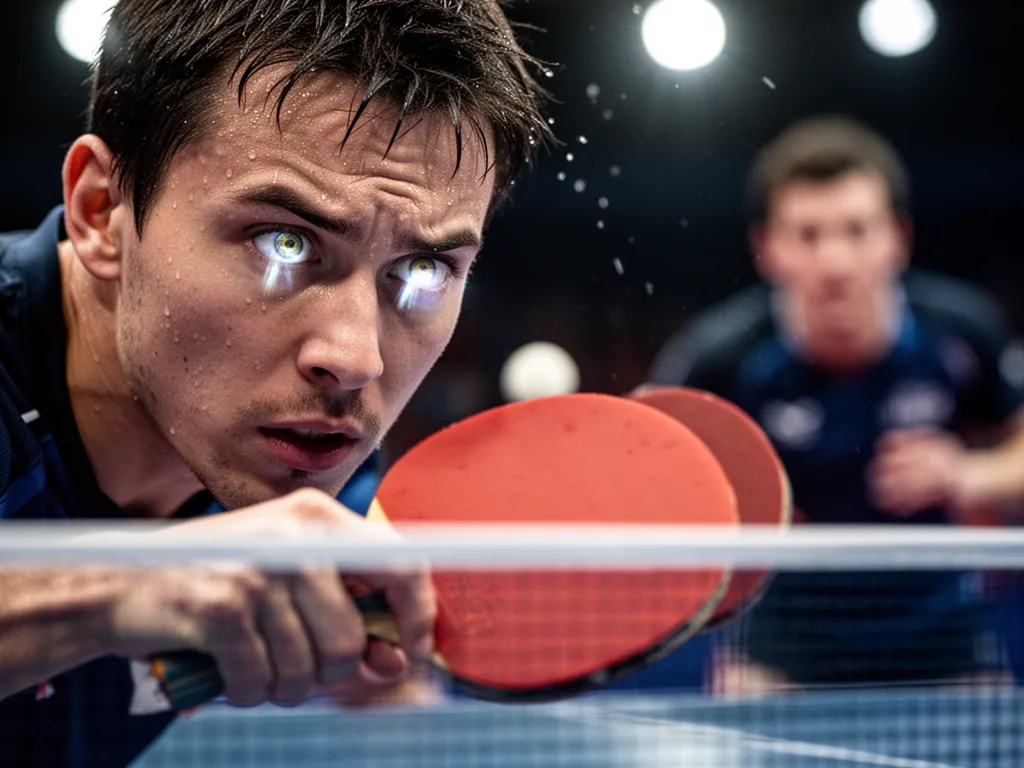
Indoor sports venues are genuinely hostile environments for photography. Fluorescent and LED fixtures flicker at frequencies that create banding in fast-shutter shots. The light is dim enough that your camera compensates with slow shutter speeds — exactly the wrong move when a basketball player is mid-air or a wrestler is driving through a takedown. Most photographers overcorrect by cranking ISO until the image turns to grain. The result: photos that feel like they were shot through a screen door. You captured the moment, but the photo doesn't prove it.
The right indoor sport photography settings are a specific combination of shutter speed, aperture, ISO, and white balance that work together — not independently. Set your shutter speed first, then open your aperture as wide as your lens allows, then raise ISO until the exposure is correct. That's the sequence. It's not glamorous, but it's why some photographers walk out of every gym with usable frames while others delete half their card. Once you have that sharp, dramatic image, it deserves more than a camera roll. Snapshot turns your best photo into a premium custom sports trading card.
Let's break down exactly which settings work, which myths to ignore, and how to make every indoor shot count.
We ship custom trading cards to athletes, families, and coaches in all 50 states every single week — many of them printed from photos taken in gyms and fieldhouses just like yours.
The Five Most Common Indoor Sports Photography Mistakes
Leaving shutter speed on Auto
Switch to Manual (M) or Shutter Priority (Tv/S) mode and lock your shutter speed at 1/500s before entering the venue.
Shooting JPEG in difficult light
Set your camera to RAW. You'll need the white balance and exposure latitude indoors. JPEG locks in those decisions permanently.
Using a single static autofocus point
Switch to continuous AF with zone or subject-tracking enabled. Athletes don't stay in one spot, and your focus mode shouldn't either.
Relying on image stabilization instead of fast shutter
Stabilization corrects camera shake, not subject motion. A running athlete blurs just as much at 1/125s with stabilization as without it.
Horizontal composition for trading cards
Shoot in portrait (vertical) orientation. Trading cards are taller than wide, and landscape photos lose the athlete's face when cropped to card proportions.
Indoor Sport Photography Settings Checklist — Before You Shoot
- Shutter speed set to 1/500s or faster (1/800s for aerial sports)
- Aperture at widest available setting (f/2.8, f/1.8, or f/4)
- ISO set to exposure-correct value — don't fear 3200 or 6400
- Shooting mode set to RAW (not JPEG)
- White balance custom-set or set to the appropriate Kelvin for your venue's lights
- Autofocus mode switched to continuous (AI Servo / AF-C)
- Burst mode enabled for peak-action sequences
- Anti-flicker mode enabled if your camera supports it
- Memory card with enough space for RAW burst sequences
- Photo composition planned for vertical (portrait) orientation for card-ready framing
Myth vs. Fact: Indoor Sport Photography Settings
MythAuto mode handles gym lighting fine
FactAuto mode prioritizes ambient brightness over shutter speed, which produces blurry athletes in almost every indoor sports situation.
MythHigh ISO ruins photos
FactISO 3200-6400 on modern cameras produces clean, printable images. Motion blur from a slow shutter speed is far more damaging than manageable grain.
MythYou need an expensive camera to shoot indoor sports
FactA used DSLR with a 50mm f/1.8 prime lens costs under $400 combined and outperforms a $2,000 kit zoom in gym lighting.
MythFlash solves all indoor lighting problems
FactFlash is prohibited at most sanctioned competitions and causes harsh, flat lighting that removes depth and shadow from athletic images.
MythWhite balance doesn't matter if you fix it in editing
FactWhile RAW files allow white balance correction, extreme casts can introduce color noise during correction. Getting it close in-camera saves significant editing time and quality.
Free to design, instant preview. Ships the next business day.
What Correct Settings Actually Change About Your Indoor Photos
This isn't theoretical. Each setting adjustment produces a specific, visible difference in the final image.
Freeze Motion Cold
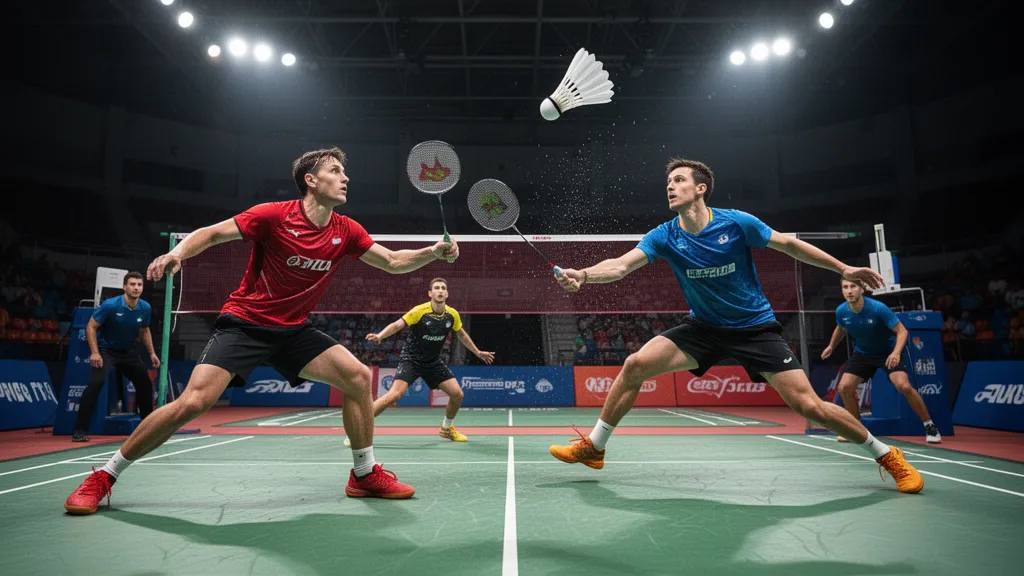
A shutter speed of 1/640s stops a sprinting basketball player in mid-stride without any motion smear around hands or feet. That frozen detail — the grip on the ball, the flex of a knee — is what makes a photo look professional rather than accidental. It's the difference between a snapshot and a card-worthy image.
Cleaner Backgrounds
Shooting at f/2.8 blurs distracting gym bleachers and scoreboards into smooth, out-of-focus backgrounds. Your athlete pops off the frame with visual separation that would otherwise require editing tricks. Wide aperture does this automatically, every frame, without any post-processing.
Accurate Skin Tones
Setting a custom white balance to the specific Kelvin value of your gym's lights — typically 3200K for tungsten, 4000K-5000K for LED — eliminates the sickly yellow or green cast that destroys indoor portraits. Athletes look like athletes, not like they're standing under a highway overpass.
Post-Processing Flexibility
When you nail exposure in-camera with RAW files, you have genuine room to adjust shadows, recover highlights, and reduce noise in editing without degrading image quality. That flexibility matters enormously when you're turning a photo into a printed trading card where every pixel shows.
Which Indoor Sports Benefit Most From These Settings
Different indoor sports demand slightly different priorities within the same core framework. Here's how the settings shift.
Basketball and Volleyball — Speed and Height
Both sports involve athletes launching into the air, where motion is fastest at the peak of the jump. Use 1/640s minimum and aim for 1/800s during fast breaks or back-row attacks. Shoot in continuous burst mode to capture the split-second before ball contact. Position yourself at the end line or corner to get both the athlete and the action in the same frame. ISO 3200-6400 is completely normal in most high school and collegiate gyms.
Wrestling and Martial Arts — Low Light, Close Quarters
Mats are typically surrounded by poor overhead lighting and few windows. These sports also happen at unpredictable angles — you can't anticipate which direction a takedown goes. Use 1/500s with f/2.8 and let ISO go as high as 6400. A fast 50mm or 85mm prime is often better than a zoom here. Focus on faces and expressions; that's where the story lives in contact sports, and it's what makes a trading card image unforgettable.
Gymnastics and Cheer — Dramatic Peaks
Gymnastics routines have predictable peak moments — the top of a bar release, the apex of a floor pass. Pre-focus on that spot and wait. Use 1/800s to freeze twisting or flipping athletes without blur on the extremities. White balance is especially critical here because gymnastics venues often mix lighting types across the same arena. Shoot a custom white balance test frame before competition and lock it in for the session.
Why Athletes and Families Choose Snapshot for Their Best Indoor Shots
Every week, Snapshot produces custom trading cards from photos taken in gyms, fieldhouses, and recreation centers across all 50 states — high school athletes, club sport players, recreational league standouts, and everything between. The photos that become the sharpest, most striking cards are almost always the ones shot with intentional indoor settings rather than auto mode.
Getting the settings right isn't just a technical exercise — it's what separates a photo worth printing from one worth deleting.
Frequently Asked Questions
What's the best lens for indoor sports photography?
A fast zoom in the 70-200mm f/2.8 range is the most versatile choice for indoor sports — it covers most distances in a gym or fieldhouse while maintaining a wide maximum aperture. If budget is a constraint, a 50mm f/1.8 or 85mm f/1.8 prime lens costs a fraction of the price and delivers exceptional low-light performance in smaller venues. The key number is maximum aperture: f/2.8 or wider. A slow kit zoom at f/5.6 will force you into compromises on shutter speed or ISO that hurt image quality significantly.
How do I avoid banding caused by artificial gym lighting?
Banding — horizontal dark stripes across your image — happens because artificial lights flicker at 50 or 60Hz, and fast shutter speeds can catch the light during its off-cycle. Many modern cameras have an Anti-Flicker or Flicker Reduction mode that syncs the shutter to fire during the light's peak brightness. Enable it if your camera has it. If it doesn't, try shutter speeds that are multiples of the lighting frequency: at 60Hz venues in the USA, try 1/500s (which is close to 1/480s) rather than 1/640s. Shooting RAW also gives you more latitude to recover banding in post.
How do I keep focus sharp on fast-moving athletes indoors?
Use your camera's continuous autofocus mode — AI Servo on Canon bodies, AF-C on Sony and Nikon. Set your AF area to track a subject rather than relying on a single static point. Most modern cameras have subject or eye-tracking that works reliably in gym lighting conditions. Lock focus on the athlete's face or upper body, not the ball or equipment, since the face gives autofocus the most contrast to track. Shoot in burst mode at peak action moments to increase the odds of capturing the sharpest frame in a sequence.
Can I get a good trading card photo with a smartphone in a gym?
Yes, with specific conditions. Modern flagship smartphones — iPhone 15 Pro, Samsung Galaxy S24 Ultra — perform surprisingly well in gym lighting at night game events. Use the native camera app in Pro or Manual mode to lock shutter speed around 1/500s and increase ISO manually rather than letting the phone choose. Avoid digital zoom; stay in the main lens's native focal length. The photos won't match a dedicated camera with a fast prime lens, but a well-exposed smartphone photo with good composition absolutely works for a premium custom trading card from Snapshot.
What composition makes indoor sports photos work as trading cards?
Trading cards are vertical rectangles, so compose with that frame in mind. Tight shots — waist-up or closer — work better than wide establishing shots when the final format is a 2.5×3.5-inch card. Center the athlete's face or action in the upper two-thirds of the frame. Leave a little room at the bottom for card text or team branding. Peak action frames — the release of a shot, a jump at its apex, the split-second before contact — read as trading card images immediately. Candid bench moments and celebration shots work beautifully for lifestyle-style card designs.
How does Snapshot handle photos that aren't perfectly edited?
Snapshot's upload process accepts your photo as-is and prints it at high resolution on professional card stock. The sharper and better-exposed your original image, the better the final card looks — which is exactly why indoor sport photography settings matter. That said, you don't need to be a professional photo editor. Basic edits in your phone's native editor or free tools like Snapseed can correct white balance and brightness before upload. If your photo is sharp and well-framed, Snapshot's print process will do the rest.
Free to design, instant preview. Ships the next business day.
Got a Sharp Indoor Sports Photo? Make It a Card With the Right Indoor Sport Photography Settings
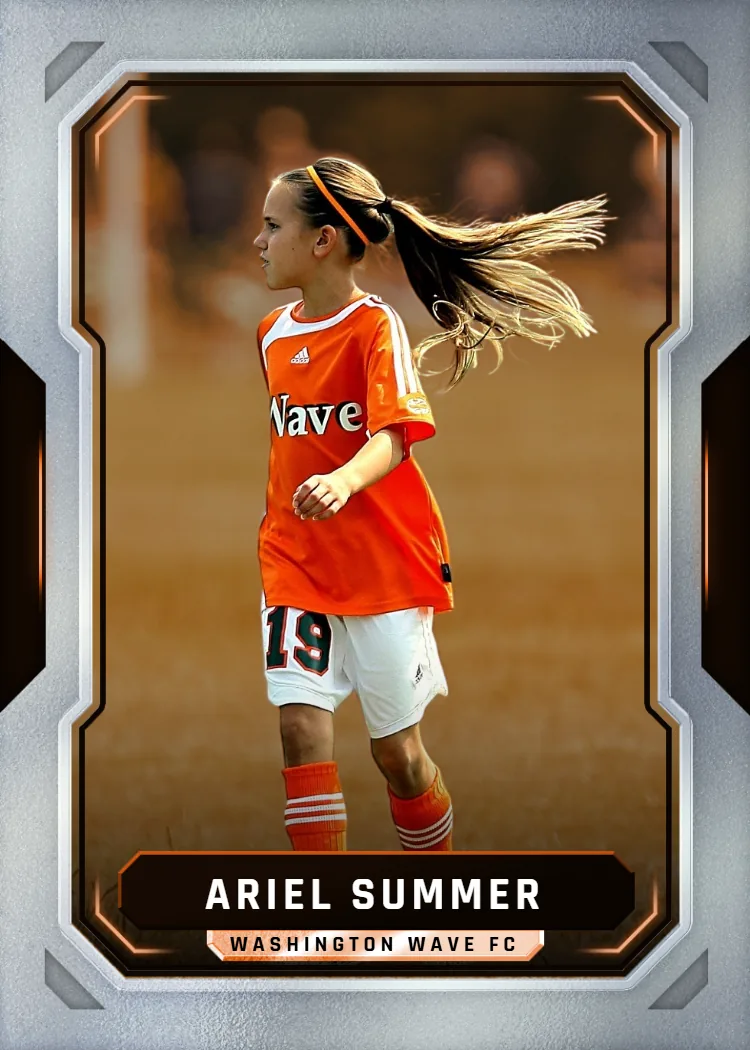
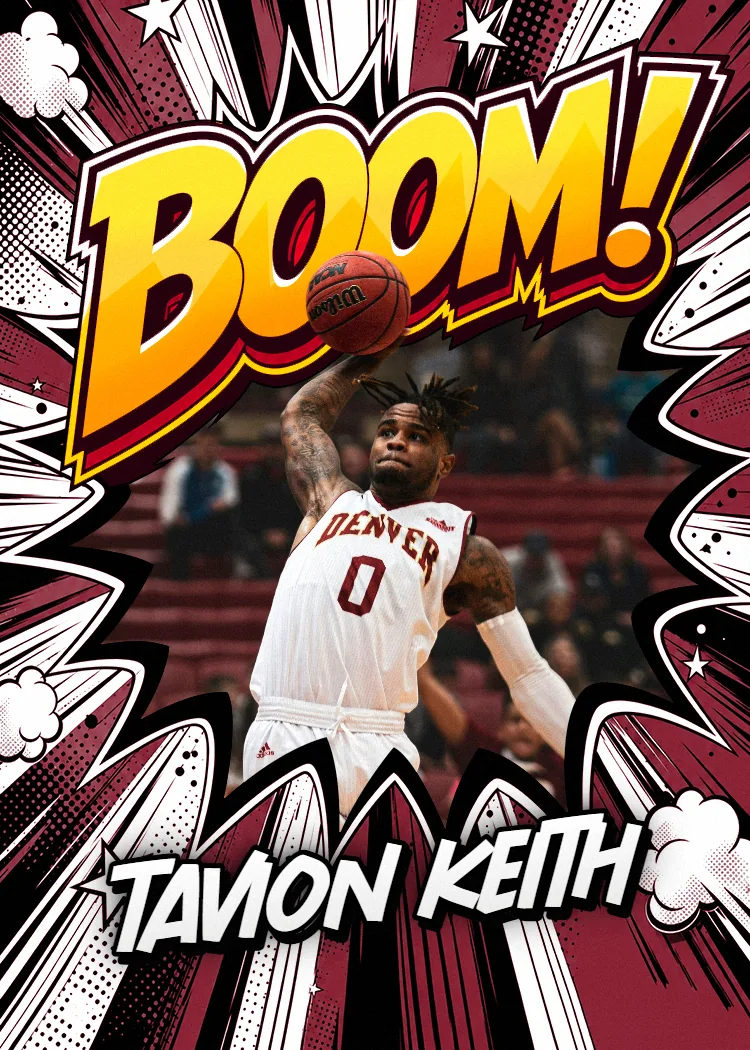
Upload your best gym photo to Snapshot, choose from pro sports-card templates, and we'll print it on premium card stock and ship it to your door in 2-3 days — free. Every order includes a free magnetic display case. Made in Des Moines, Iowa, USA.
Build Your Card NowNo credit card required | Instant preview | Pro-quality designs
Explore More Card Options
Discover more custom trading card options for every sport and occasion