
Sports Photography Settings Canon Shooters Actually Use
One wrong setting and a perfect athletic moment turns into a blurry, unusable frame. Canon gives you the tools — but only if you know which dials to turn.
Upload any photo — your kid, your pet, your whole team — pick a pro template, and we print and ship a real, holdable card the next business day.
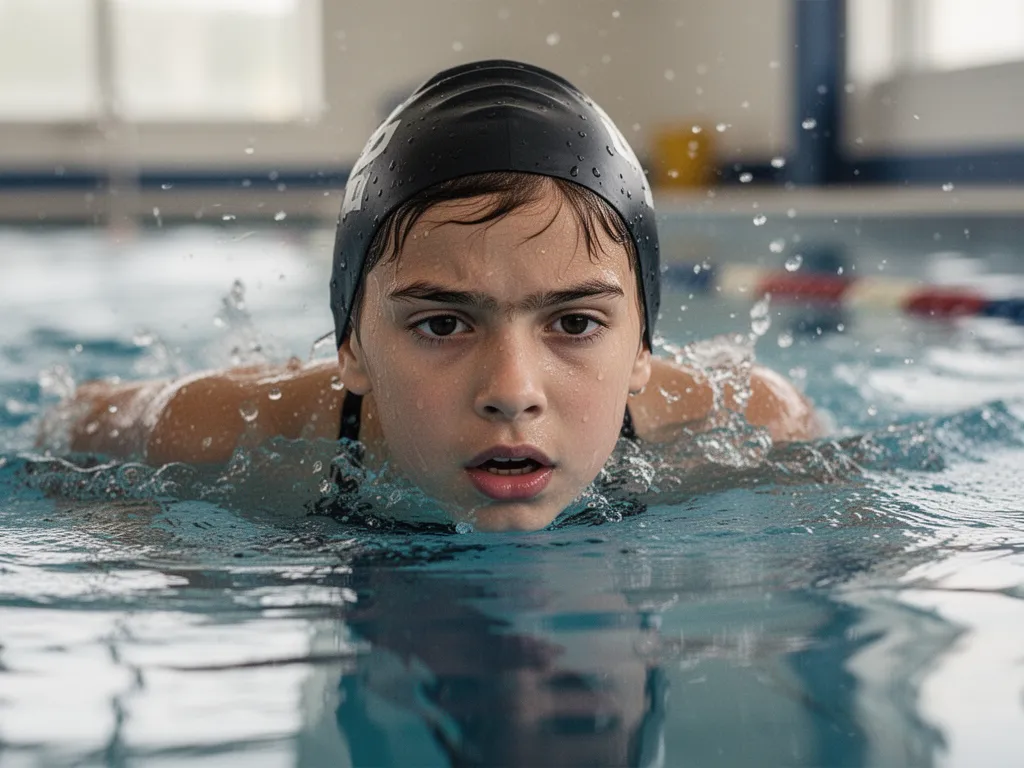
Most people chasing sports photography settings on Canon cameras start in the wrong place. They crank ISO without thinking about shutter speed. They leave AF mode on the default single-point setting that was designed for portraits, not sprinting athletes. The result: sharp backgrounds, blurry subjects, and a memory card full of almost-great photos. Indoor gymnasiums, outdoor tracks, and youth game sidelines all present different lighting problems, and a one-size-fits-all approach wastes shots that could have been special.
The right Canon settings for sports photography are more systematic than mysterious. Shutter speed is your anchor — 1/1000s or faster for most sports, 1/1250s for fast projectiles. From there, you build around it: AI Servo AF for continuous tracking, aperture wide enough to separate your subject from the crowd, and ISO set to match your venue's light. Once you've nailed the settings and captured something worth keeping, those photos deserve more than a phone album. Snapshot turns your best frames into premium custom trading cards, shipped in 2–3 days.
Here's the systematic breakdown that separates consistently sharp sports photos from lucky accidents.
We ship custom sports cards to customers in all 50 states every week, and we see firsthand which photos print best — consistently, it's the ones captured with proper sports photography settings on Canon and other DSLR and mirrorless systems.
Myth vs. Fact: Canon Sports Photography Settings Edition
A lot of bad advice circulates about sports photography. Here's where the myths break down.
MythSports mode on the Mode Dial is good enough for action shots
FactSports mode makes guesses. Manual or Tv mode lets you set the exact shutter speed needed for your specific sport and light — there's no substitute for understanding your settings.
MythHigher megapixels always mean better sports photos
FactMegapixels matter far less than burst rate, AF system quality, and high ISO performance. A 20MP camera that tracks at 12fps in low light outperforms a 45MP camera with slower AF every time.
MythYou need full-frame Canon to shoot sports seriously
FactAPS-C bodies like the Canon R7 or 7D Mark II are preferred by many sports photographers specifically because the crop factor extends effective focal length — useful for distance sports.
MythISO 3200 will ruin your sports photos
FactOn modern Canon bodies, ISO 3200 produces very usable images. A correctly exposed, slightly grainy photo is always better than a noise-free but motion-blurred shot.
MythYou have to shoot in RAW for sports
FactRAW gives maximum editing flexibility, especially for exposure recovery. But well-exposed JPEGs from Canon's in-camera processing are print-ready, including for custom Snapshot trading cards.
Five Canon Sports Photography Mistakes Worth Avoiding
These errors consistently account for the difference between a card-worthy photo and a deleted file.
Leaving AF on One-Shot for moving subjects
Switch to AI Servo. One-Shot locks focus once — any subsequent movement and your subject is out of focus. AI Servo recalculates continuously through the burst.
Using a single center AF point for tracking
Single point AF requires perfect framing on every frame of a burst. Zone AF gives the tracking system room to work as your subject moves through the frame.
Shooting at 1/500s because it 'worked last time'
Check what sport and motion you're freezing. A soccer player jogging might be fine at 1/500s. A sprinter at full stride or a pitcher mid-throw will be blurry. Match shutter speed to motion speed.
Not checking exposure after the first burst
Light changes between warm-ups and game time, and between different parts of a field or court. Review your first burst, check the histogram, and adjust. Don't assume your initial settings held.
Filling the card with volume and skipping curation
High-speed continuous shooting generates hundreds of frames. The best card-worthy shots come from intentional selection — the peak expression, the peak action moment, the one frame that tells the story.
Free to design, instant preview. Ships the next business day.
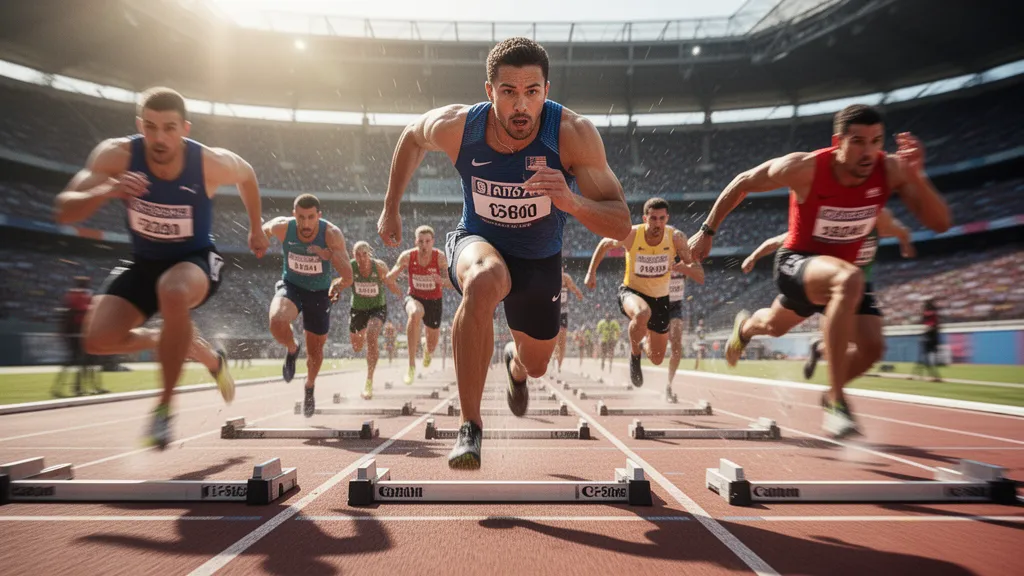
What Correct Canon Settings Actually Deliver
Dialing in your sports photography settings on Canon doesn't just improve hit rate — it changes what you can do with your photos afterward.
Print-Ready Sharpness
A photo captured at 1/1250s with accurate AI Servo focus holds up at large print sizes. That matters when you're ordering a Snapshot MEGA 11×15 poster card. Soft images fall apart at that scale. Sharp ones look like they belong on a professional card.
Consistent Results Across Venues
Once you understand the ISO-shutter relationship, you can adapt it to any venue in under two minutes — indoor pool, outdoor track, lit gymnasium. That consistency means you're not starting from scratch every time you shoot a new sport or location.
More Usable Frames Per Burst
AI Servo combined with high-speed continuous drive means a six-frame burst might yield three keepers instead of one. More usable frames means more choices for the card-worthy peak-action moment. Selection beats luck every time.
Confidence to Shoot Difficult Conditions
Fluorescent gym lighting, late-afternoon sun, overcast outdoor fields — these stop being obstacles once you've practiced your Canon settings for each scenario. You'll start seeking out the harder shots because you know your setup can handle them.
Canon Sports Photography Settings: Where to Start
Getting sharp, print-worthy sports photos on a Canon body follows a clear three-step priority order. Set these in sequence and you'll stop guessing.
Lock Your Shutter Speed First
1/1000s is the floor for most sports. Baseball swings, soccer kicks, and basketball drives all need at least that. Bump to 1/1250s or 1/1600s for anything involving a thrown or struck ball. Use Tv (Shutter Priority) mode if you're still learning Canon's exposure triangle, or go full Manual once you've memorized your venue's typical light levels. Shutter speed is non-negotiable — everything else adjusts around it.
Configure AI Servo AF and Burst Mode
Navigate to your Canon's AF menu and switch from One-Shot to AI Servo. This mode continuously recalculates focus as your subject moves — critical for tracking a runner, a cyclist, or a player driving to the basket. Set your AF area to Zone AF or the Large Zone setting so the camera has a wider target to track. Then set your drive mode to High-Speed Continuous. You want 8–12 frames per second capturing the peak moment, not just the approach.
Set ISO to Match Your Venue
Outdoor daylight games are the easy case: ISO 400–800 handles most midday and afternoon situations cleanly. Indoor gyms and evening fields are harder. Don't fear ISO 3200 or even 6400 on modern Canon bodies — a properly exposed shot with grain beats a clean but motion-blurred image every time. Check your LCD after the first burst, look at the histogram, and adjust. Canon's Auto ISO with a minimum shutter speed cap is a useful safety net for variable-light environments.
Nail these three in order and you'll stop reviewing blurry frames. Sharp photos are the foundation for everything that comes next.
Why Athletes and Families Trust Snapshot With Their Best Shots
Snapshot ships custom sports cards to customers in all 50 states every week — from parents photographing their kid's first season to coaches commissioning cards for an entire roster. The photos that look best on our templates are the ones captured with proper sports photography settings: sharp, well-exposed, with the subject clearly separated from the background.
We see thousands of uploads, and the difference between a phone snapshot and a Canon-shot image dialed in for sports is immediately visible in the final printed card.
Sports and Situations Where These Canon Settings Shine
The same core settings framework applies across sports, but each context has a specific adjustment worth knowing before you walk onto the sideline.
Youth Leagues and School Sports
Youth league gyms and school fields are lighting nightmares — fluorescent overhead lights, inconsistent coverage, and fast-moving kids. Set AI Servo, push ISO to 3200 without guilt, and use the widest aperture your lens allows. The goal is freezing the moment, not a technically pristine histogram. These are the photos families will actually want on a custom Snapshot card for years.
Track, Cross Country, and Running Events
Runners move predictably along a path, which makes Zone AF and pre-focus a powerful combo. Pick a spot on the track or trail, pre-focus on that point, and switch to One-Shot once the athlete hits it. At outdoor events, 1/1250s and ISO 400 in good light will freeze even the fastest sprinters cleanly. The finish-line moment makes for an exceptional custom trading card capture.
Recreational and Adult League Sports
Adult rec leagues — softball, flag football, volleyball — get photographed far less often than youth or school sports. That's exactly why a well-shot photo from one of these games becomes something people actually want. Your Canon settings don't change much: AI Servo, 1/1000s minimum, aperture around f/2.8–f/4. The cards Snapshot produces from these photos often become the most meaningful ones because they're the rarest.
Snapshot Pricing: Turn Your Canon Shots Into Real Cards
Premium custom trading cards printed on professional card stock, shipped from Des Moines, Iowa in 2–3 days with free shipping anywhere in the USA.
Single card starts at $17.99. Packs run up to $49.99 and are ideal for team sets or gifting a full season's best moments. The MEGA poster card — 11×15 inches — is $49.99 and turns one exceptional photo into something you can frame. Every order ships free.
You spent real time getting the settings right and capturing that moment. A custom Snapshot card makes sure it doesn't just live on a hard drive.
Box Options
Simple, collectible pricing. No subscriptions, no hidden fees.
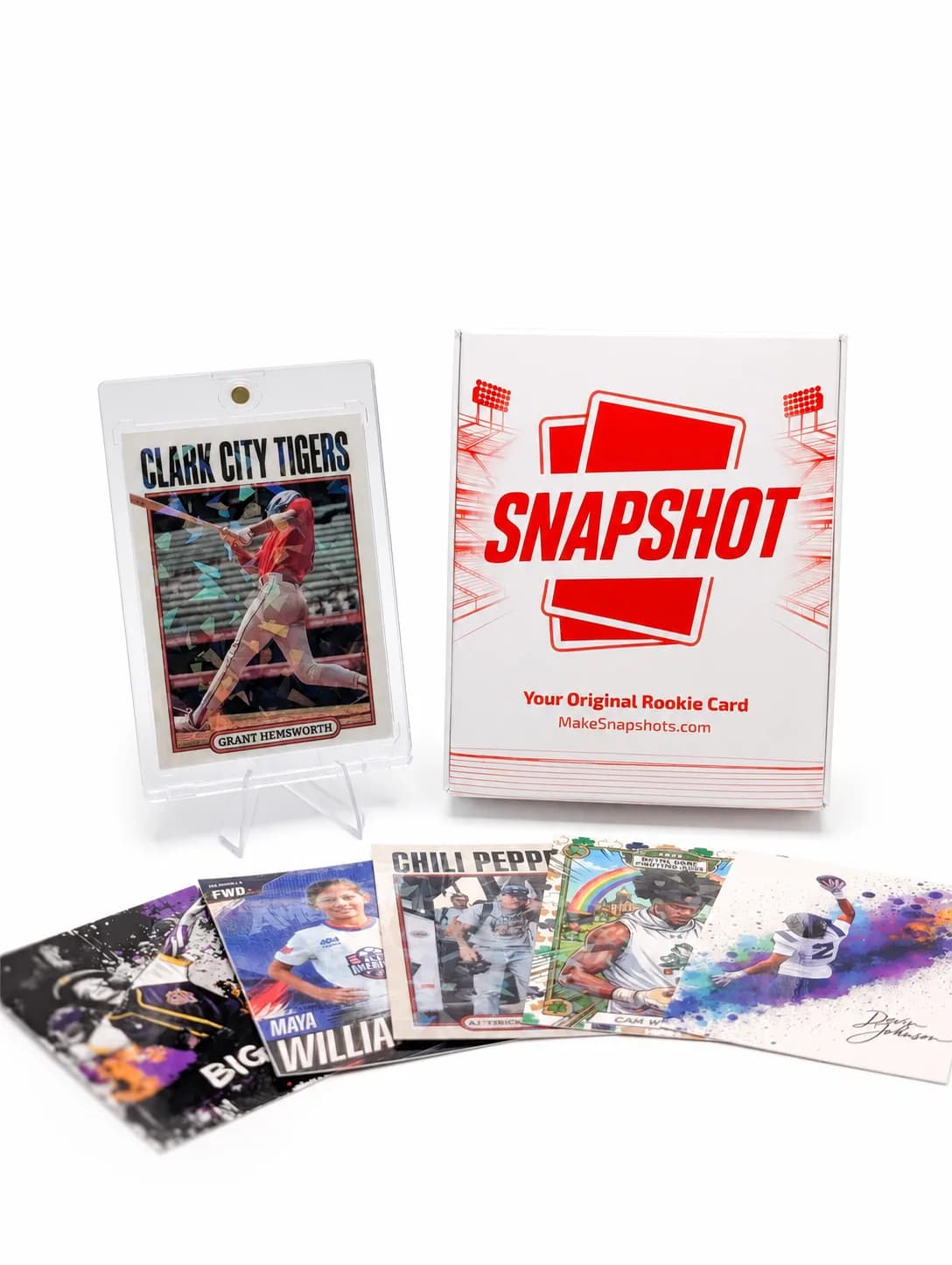
The Rookie Box
Perfect for those unforgettable moments
$17.99 - $49.99
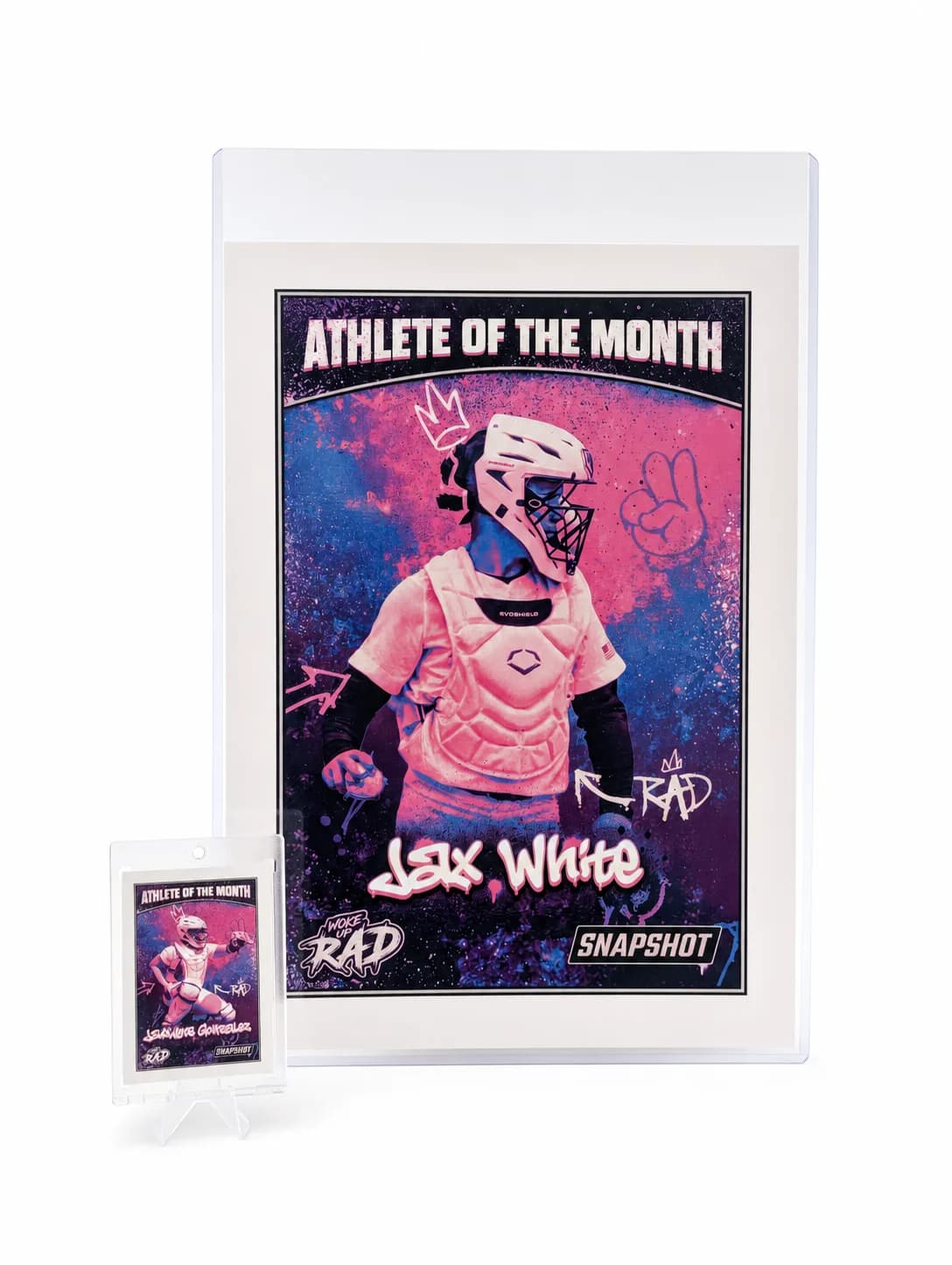
MEGA Card
Their moment, bigger than ever
$49.99
Create for free • Ships the next business day • Made in Des Moines, IA, USA
Frequently Asked Questions
Should I shoot sports in Manual mode or Tv (Shutter Priority) on my Canon?
Both work, but they suit different experience levels. Tv mode lets you lock shutter speed while the camera handles aperture — great when light is changing quickly, like at a late-afternoon outdoor game. Manual mode gives you complete control and is worth learning once you're comfortable with your venue's lighting patterns. The advantage of Manual is predictability: your exposure won't shift when a bright jersey enters the frame. Many experienced sports photographers shoot Manual with Auto ISO as a hybrid approach, keeping shutter locked while letting ISO float within a ceiling they set.
What AF mode is best for sports photography on Canon cameras?
AI Servo is the correct mode for any moving subject. It continuously recalculates focus as your subject moves toward, away from, or across the frame. One-Shot AF, the default, locks focus on a stationary subject and won't track — it's designed for portraits and still subjects. For AF area selection, Zone AF or Large Zone AF gives the camera a wider region to track within, reducing the chance of losing a fast-moving subject. On newer Canon R-series bodies, the subject tracking options are more sophisticated, but AI Servo remains the foundational setting you build on top of.
What ISO should I use for indoor sports on a Canon?
Indoor gyms are the hardest scenario in sports photography settings Canon users face. Most school and recreational gyms have inconsistent fluorescent or LED lighting that forces high ISO use. Start at ISO 1600 and check your exposure after the first burst. ISO 3200 is commonly necessary, and ISO 6400 is usable on most modern Canon bodies — especially the R6 Mark II or 7D Mark II — without unacceptable noise. The key mindset shift: grain is recoverable in editing, motion blur is not. Shoot at the ISO that lets you maintain 1/1000s and accept the grain.
What aperture is best for sports photography?
The widest aperture your lens allows is generally the right starting point for sports. f/2.8 is the gold standard — it lets in maximum light, enables faster shutter speeds at lower ISO, and creates subject separation from busy backgrounds. f/4 is very workable in good outdoor light. Kit lenses that max out at f/5.6 are usable outdoors on bright days but struggle indoors. If you're serious about sports photography settings, a Canon 70-200mm f/2.8 or a third-party equivalent is the single biggest upgrade available beyond the camera body itself.
What's the difference between sports photography settings for Canon DSLR vs. Canon mirrorless?
The core settings — AI Servo, 1/1000s+, wide aperture, appropriate ISO — apply to both. Where they differ is in the tools available. Canon R-series mirrorless bodies offer subject-detection AF that can automatically identify and track athletes, which makes Zone AF even more effective. DSLRs like the 7D Mark II use the optical viewfinder and their own dedicated AF sensor, which has different tracking characteristics. Mirrorless bodies also allow silent shooting, useful in quiet venues. The settings logic is identical; the execution speed and subject-detection capability differ noticeably between the two systems.
How do I photograph sports in harsh sunlight with a Canon?
Bright midday sun is actually easier than most people expect — the challenge is managing it, not fighting it. Use 1/1000s to 1/2000s, ISO 200–400, and stop down to f/4 or f/5.6 to keep exposure controlled. The real problem is harsh shadows on faces. If possible, position yourself so the sun is behind you and falling on your subject. Avoid shooting directly into the sun unless you're intentionally going for a silhouette. Overcast days are genuinely better for even, flattering sports lighting. On sunny days, the golden hour before sunset produces the best results with the least technical fighting.
What Canon camera is best for sports photography on a budget?
The Canon 7D Mark II remains one of the strongest budget options for sports specifically — its 10fps burst rate, dedicated sports-oriented AF system, and weather sealing make it purpose-built for action photography. It's widely available used for under $600. On the mirrorless side, the Canon R7 offers 30fps electronic shutter, subject detection AF, and APS-C crop factor that extends reach on telephoto lenses — extremely valuable for sports like track or football where you're shooting across a field. Neither requires a massive investment to produce card-worthy, print-quality sports photos.
Can I turn a Canon sports photo into a custom trading card?
Absolutely — that's exactly what Snapshot was built for. Upload your photo at snapshot.com, choose from our pro sports-card templates, and we handle the rest. Photos shot with proper sports photography settings Canon cameras produce — sharp, well-exposed, with clean subject separation — translate especially well to our templates. The card is printed on premium card stock and ships with a free magnetic case in 2–3 days. Single cards start at $17.99. The MEGA 11×15 poster card is the format that really shows off an exceptional action shot.
Free to design, instant preview. Ships the next business day.
You Got the Settings Right — Now Make It a Card
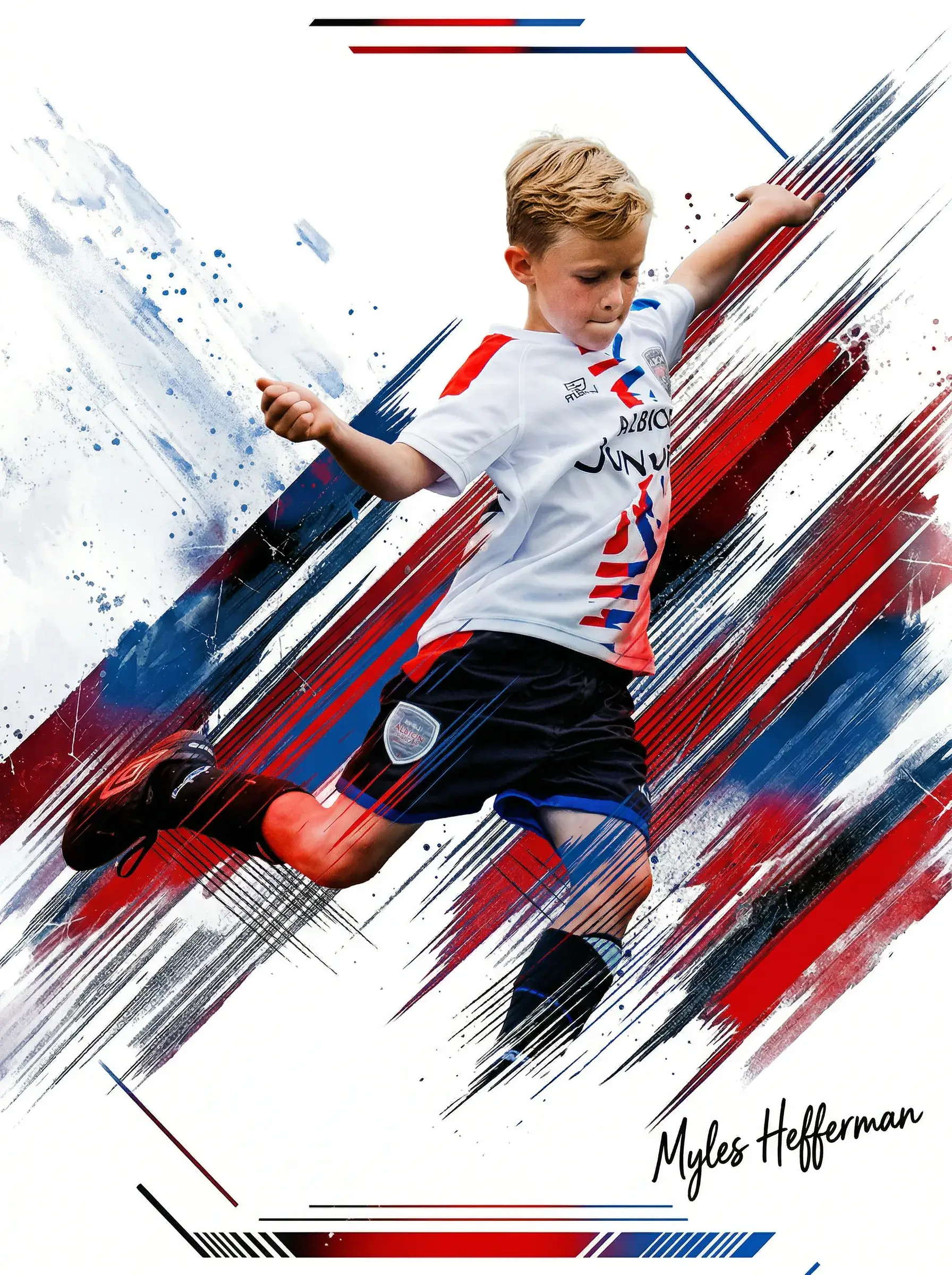
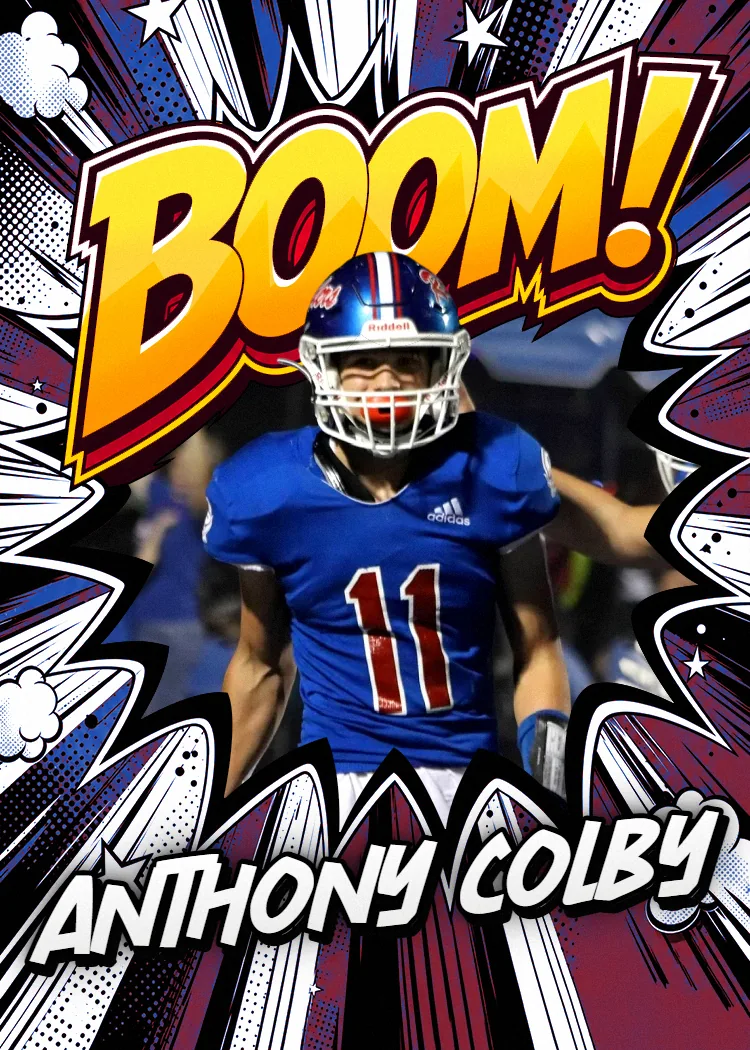
Sports photography settings Canon shooters dial in are meant to capture moments worth keeping. Don't let your best frames sit on a memory card. Upload your sharpest photo to Snapshot and we'll turn it into a premium custom trading card, shipped free in 2–3 days.
Build Your Card NowNo credit card required | Instant preview | Pro-quality designs
Explore More Card Options
Discover more custom trading card options for every sport and occasion