
Camera Settings for Sports Photography That Win
A blurry action shot ends up deleted. A sharp one can become a card someone keeps for decades.
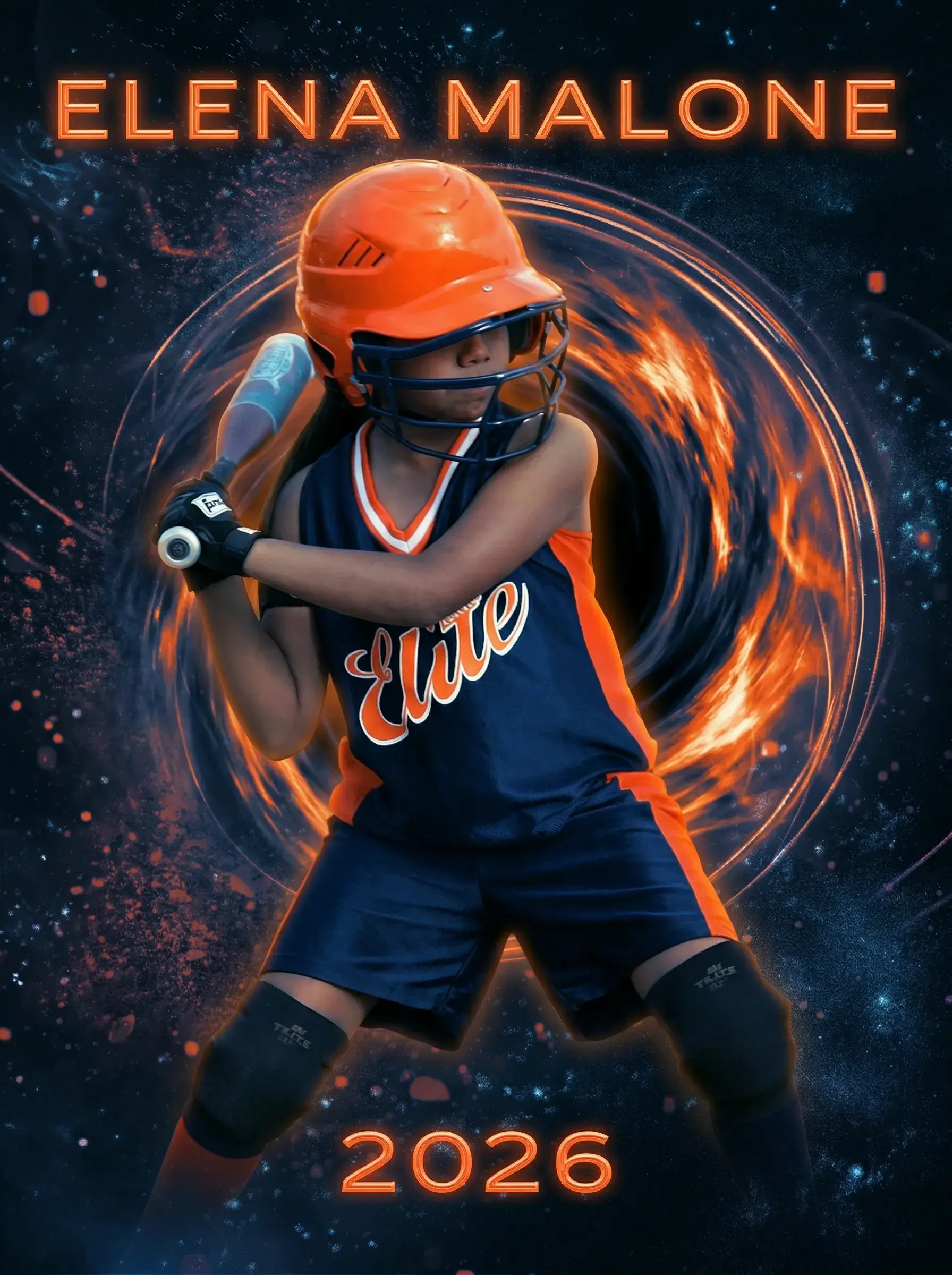
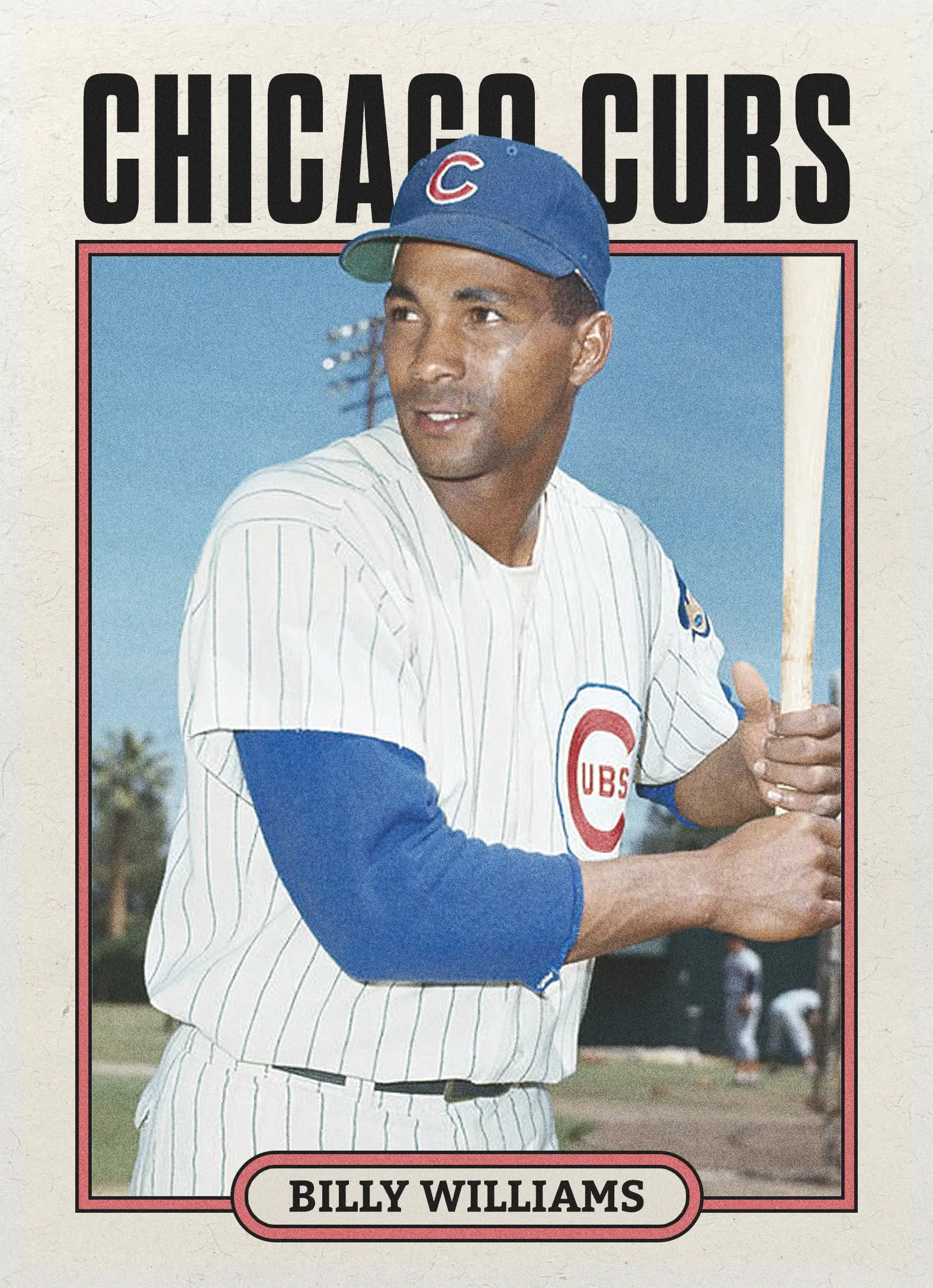
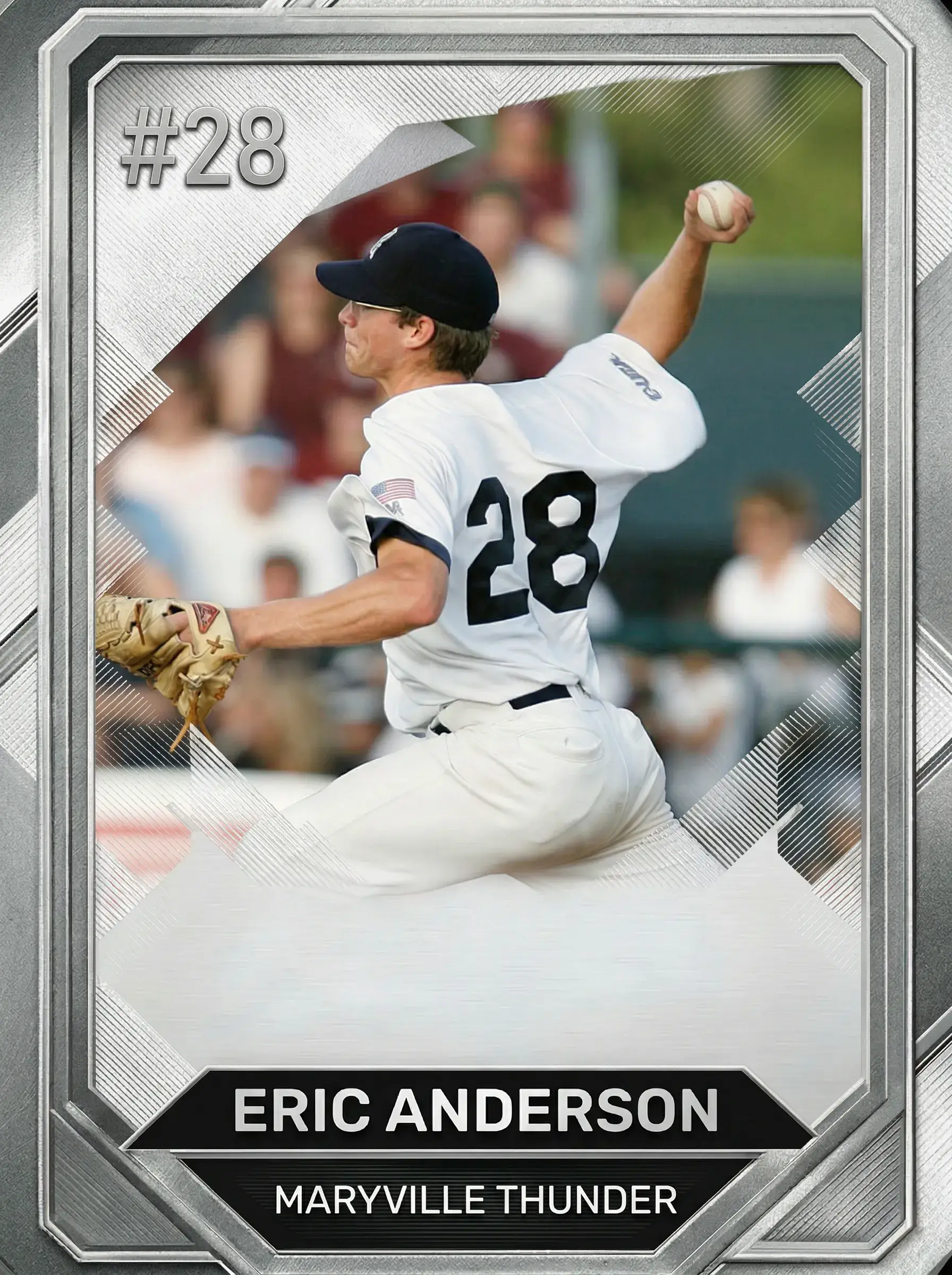
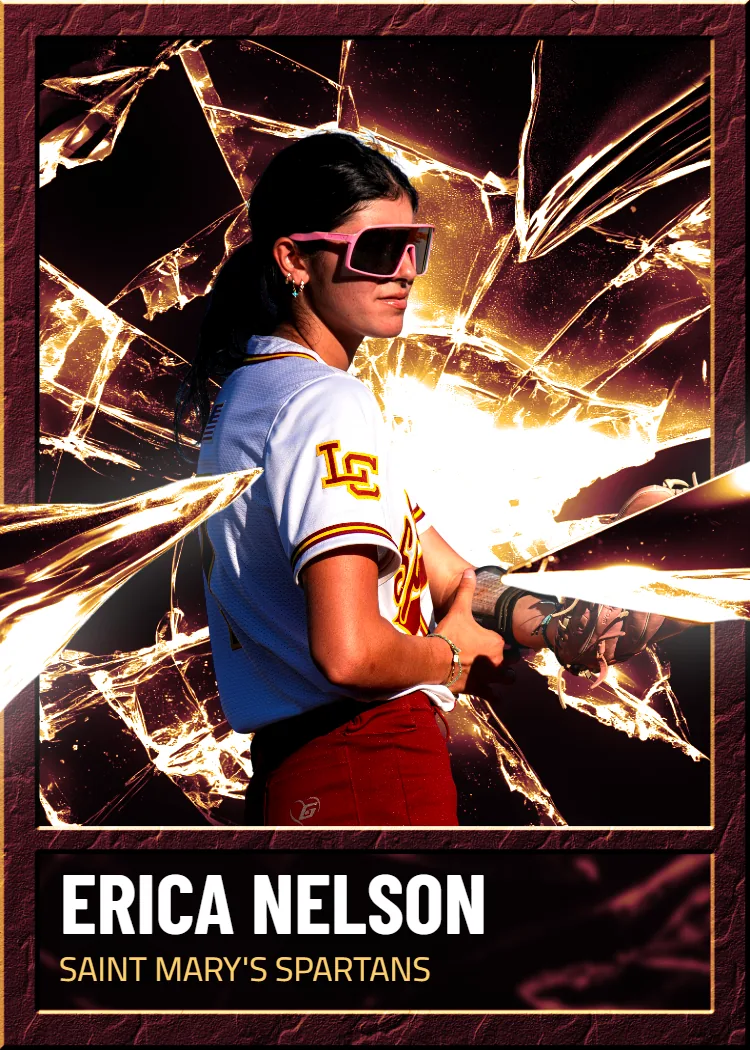
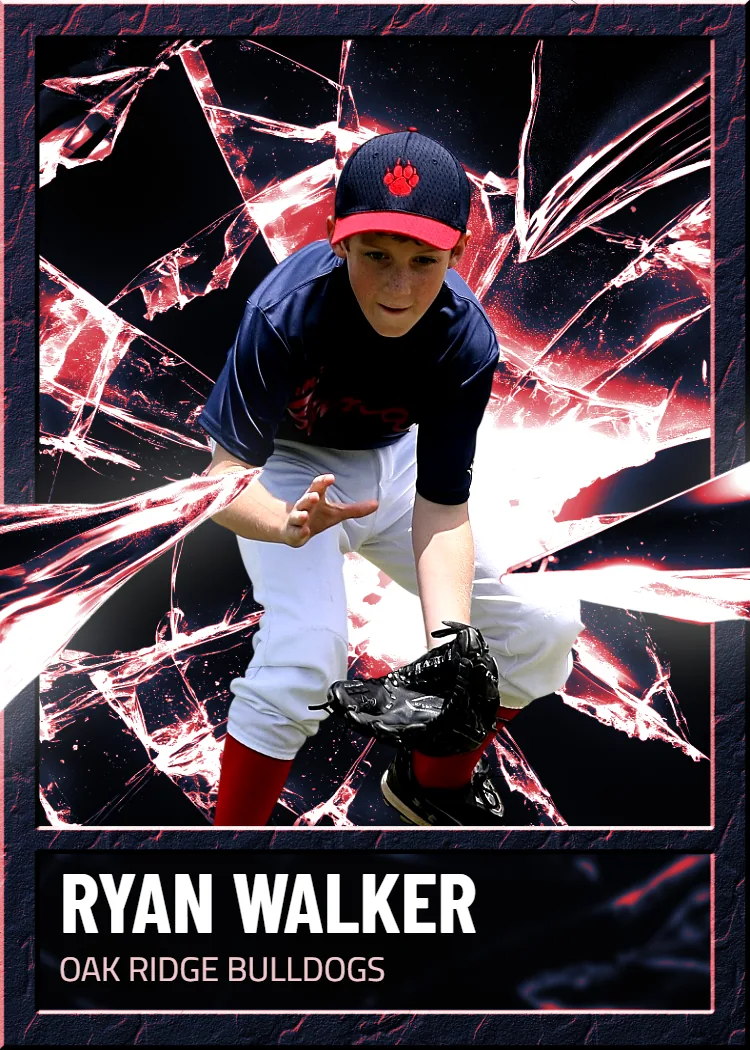
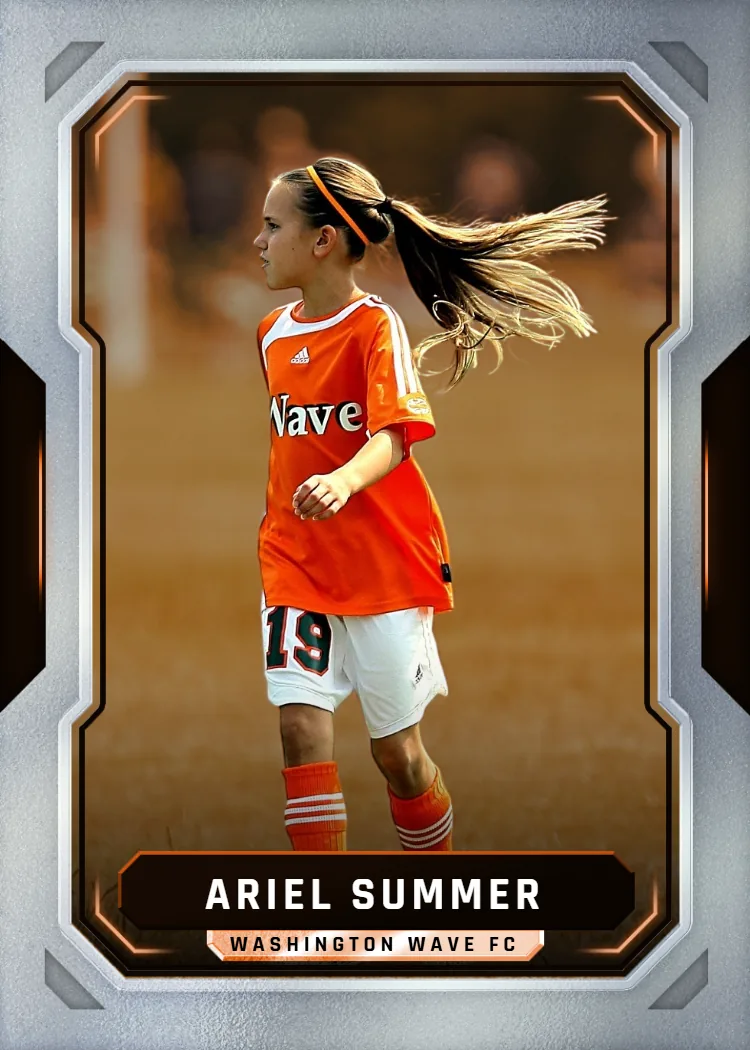
Upload any photo — your kid, your pet, your whole team — pick a pro template, and we print and ship a real, holdable card the next business day.
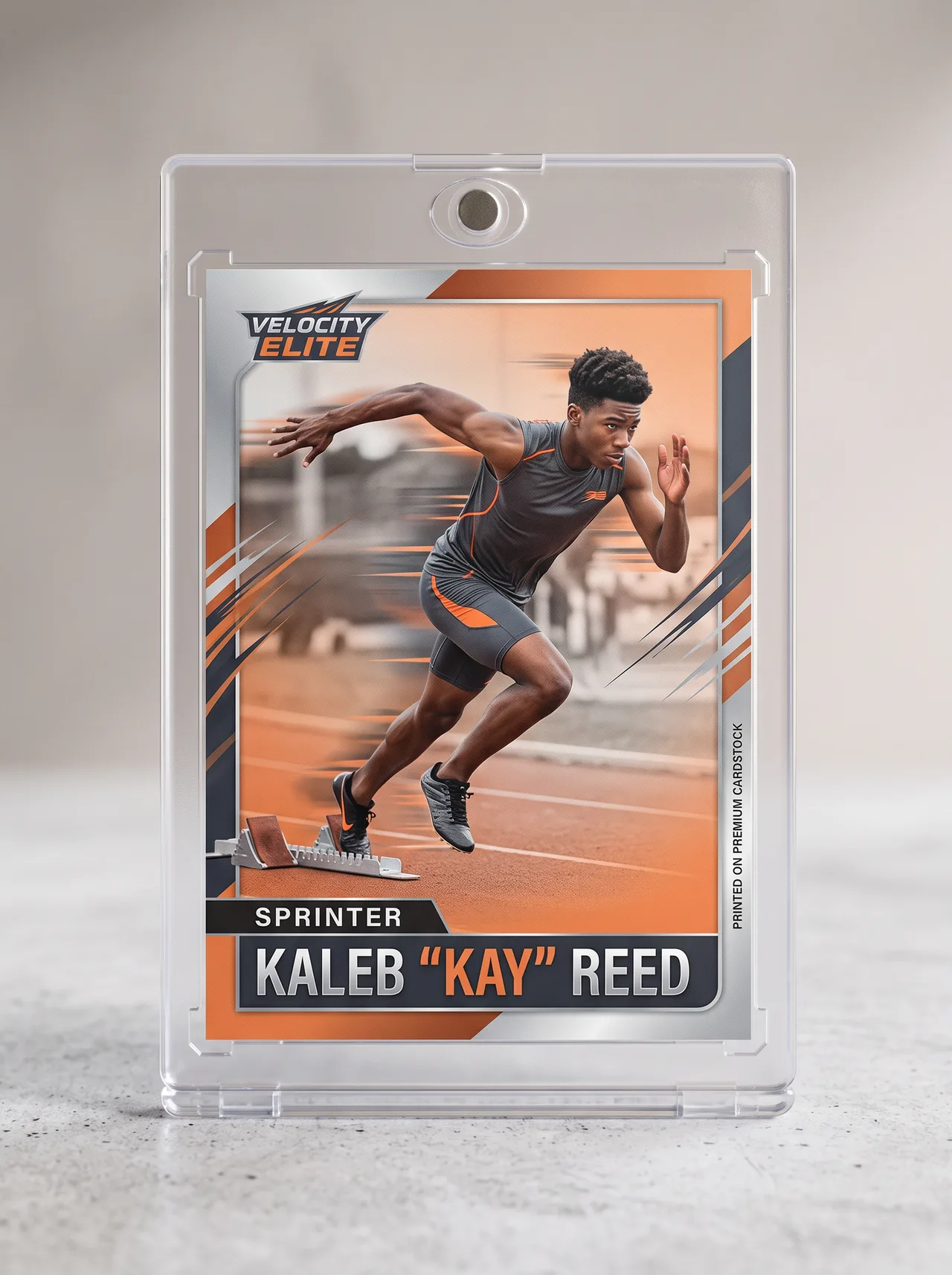
Most people shooting sports for the first time dial in the wrong settings and lose the moment entirely. Shutter speed too slow, aperture too wide, autofocus mode set for portraits instead of action — the result is a memory card full of soft, smeared disappointment. Getting camera settings for sports photography right isn't complicated once you know which three or four controls actually matter. The problem is most guides bury the practical numbers under layers of theory. You don't need theory at the sideline. You need the right numbers fast.
This guide gives you specific, actionable camera settings for sports photography — shutter speeds, autofocus modes, burst rates, ISO ranges — organized by situation so you can set up confidently before the whistle blows. And once you've captured that perfect frame? Snapshot turns it into a professional custom sports trading card printed on premium card stock, shipped anywhere in the USA within two to three days. One great photo deserves more than a phone folder.
Start with the settings, then we'll show you what to do with the best shot you take.
We ship custom sports trading cards to customers in all 50 states every week from our production facility in Des Moines, Iowa, and we see firsthand which photo qualities produce the sharpest, most detailed card prints.
What You Gain When You Photograph Sports the Right Way
Correct camera settings don't just produce sharper images — they change what's possible with every frame you take.
Peak-Action Sharpness
A properly set shutter speed freezes the moment of contact, the jump at its apex, the finish-line lean. That kind of sharpness is what separates a photograph from a memory. It's also what makes a photo print-worthy at custom card or poster size without looking soft.
Consistent Results Across Lighting Conditions
Once you understand how ISO, aperture, and shutter interact, you can adjust quickly as clouds roll in or you move from sideline sun to shadowed bleacher areas. Consistent exposure means consistent color, which matters enormously when you're printing premium cards.
More Keepers Per Game
Combining burst mode with continuous autofocus dramatically increases your keeper rate. Shooting 10 frames of a single play might yield two or three sharp, well-composed images. That's a huge improvement over single-shot AF, where one mistimed press means the moment's gone.
Print-Ready Image Quality
Snapshot's custom cards look best when source photos are sharp and properly exposed. A well-exposed RAW or high-quality JPEG from a camera using correct sports settings gives you the resolution and detail needed for the MEGA 11×15 poster card format without artifacts or noise.
Free to design, instant preview. Ships the next business day.
Why Photographers Trust Snapshot for Their Best Shots
Snapshot ships custom sports trading cards to customers in all 50 states every week, and the photos that print most beautifully come from people who took time to get their camera settings right before the game started. Our production team in Des Moines, Iowa reviews card orders daily and has seen firsthand how sharp, well-exposed action photos translate into genuinely stunning custom cards.
When the photo is good, the card is something people actually display — not just keep in a drawer.
Which Camera Settings for Sports Photography Actually Matter
Three controls do ninety percent of the work in sports photography: shutter speed, autofocus mode, and burst rate. Get those right first, then fine-tune from there.
Set Shutter Speed First — Start at 1/1000s
For most outdoor sports in good light, 1/1000s freezes motion cleanly. Soccer kicks, basketball drives, track sprints — 1/1000s handles all of them. Drop to 1/800s only if you're losing too much light and your subject isn't moving laterally across the frame. For fast-twitch sports like baseball batting or volleyball spikes, push to 1/1250s or 1/1600s. Shutter speed is your single most important setting for sharp sports images.
Switch Autofocus to Continuous Tracking Mode
Single-shot AF locks focus once and holds it. That's fine for portraits. For athletes in motion you need continuous autofocus — Canon calls it AI Servo, Nikon calls it AF-C, Sony uses Continuous AF. This mode constantly recalculates focus as your subject moves toward or away from you. Point at the jersey, half-press the shutter, and let the camera track. Most modern cameras do this remarkably well. Practice on warm-ups so the motion isn't a surprise when the play unfolds.
Turn On Burst Mode and Raise ISO Responsibly
Burst mode — usually 8 to 20 frames per second depending on your camera — multiplies your chances of capturing the exact peak moment. The decisive instant in sports lasts a fraction of a second. Meanwhile, raise ISO to maintain that 1/1000s shutter without underexposing. Outdoors in sun you might stay at ISO 200. Indoors under gym lights you might need ISO 3200 or higher. Modern sensors handle ISO 3200 cleanly. Don't be afraid of it.
Nail those three controls and you'll come home with frames that are genuinely worth printing as custom sports cards.
Pre-Game Camera Setup Checklist
- Set autofocus to Continuous mode (AI Servo / AF-C)
- Set shutter speed to 1/1000s or faster (1/800s minimum indoors)
- Open aperture to widest available for the venue and lens
- Set ISO: start at 400 outdoors, 2000+ indoors — adjust after first test shots
- Enable burst / high-speed continuous shooting mode
- Set White Balance to Auto or match the venue lighting type
- Format memory card and confirm sufficient free space
- Check battery level — at least 75% before the game starts
- Select your focus point cluster — center or zone AF for tracking
- Review exposure on histogram after first 3-5 shots and adjust before play begins
Camera Settings for Sports Photography: Quick Reference
- Outdoor shutter speed
- 1/1000s–1/1600s
- Indoor shutter speed floor
- 1/800s minimum
- Autofocus mode
- Continuous (AI Servo / AF-C)
- Burst rate target
- 8+ frames per second
- Outdoor ISO
- 200–400 in full sun
- Indoor ISO range
- 1600–6400 depending on venue
- Ideal aperture
- f/2.8 for indoor, f/4–f/5.6 outdoor
- File format
- RAW preferred; high-quality JPEG works for cards
Settings by Situation: Indoor, Outdoor, and Low Light
Not every venue is the same, and your camera settings shouldn't be either. Here's how to adjust by environment.
Outdoor Sports in Good Light
Sunny afternoons at the soccer field or baseball diamond are forgiving. Start at 1/1000s, f/4 or f/5.6, ISO 200-400. Use Auto White Balance unless you want warmer tones — in that case try Cloudy. Continuous AF with your center cluster of focus points works well here. You have light to spare, so prioritize high shutter speed over everything else. Don't feel pressured to open aperture wide unless you want background blur for a specific creative effect.
Indoor Gyms and Arenas
This is where it gets challenging. Gym lighting is often mixed — fluorescent or LED overhead, uneven across the court. Set White Balance to Auto or Fluorescent, bump ISO to 2000-6400 depending on your camera, and open aperture as wide as your lens allows — f/2.8 is ideal, f/4 is workable. Maintain 1/800s minimum. You may see some grain at high ISO, but a slightly noisy sharp image is always better than a clean blurry one for card printing purposes.
Twilight or Evening Games
Evening games under stadium or field lights require the highest ISO settings and the widest aperture you own. ISO 6400 or 8000 isn't unusual. Modern full-frame and even crop-sensor cameras handle this surprisingly well. Keep shutter speed at 1/800s or above. Use your camera's in-body stabilization if available, though stabilization doesn't help motion blur from subject movement — only shutter speed does. Review your histogram after a few shots to avoid clipping shadows.
Turn Your Best Sports Photos into Custom Cards — Pricing
Snapshot keeps pricing straightforward so the value is obvious from the start.
Single custom card starts at $17.99. Card packs run up to $49.99. The MEGA poster card — an 11×15 oversized format — is $49.99 and makes a statement on any wall. Free shipping throughout the USA on all orders. Orders are printed on premium card stock and shipped within two to three business days from our Des Moines, Iowa facility.
Every order ships free in the USA. Premium card stock, pro sports-card templates, and delivery in 2-3 business days. One photo — one card they'll actually keep.
Box Options
Simple, collectible pricing. No subscriptions, no hidden fees.
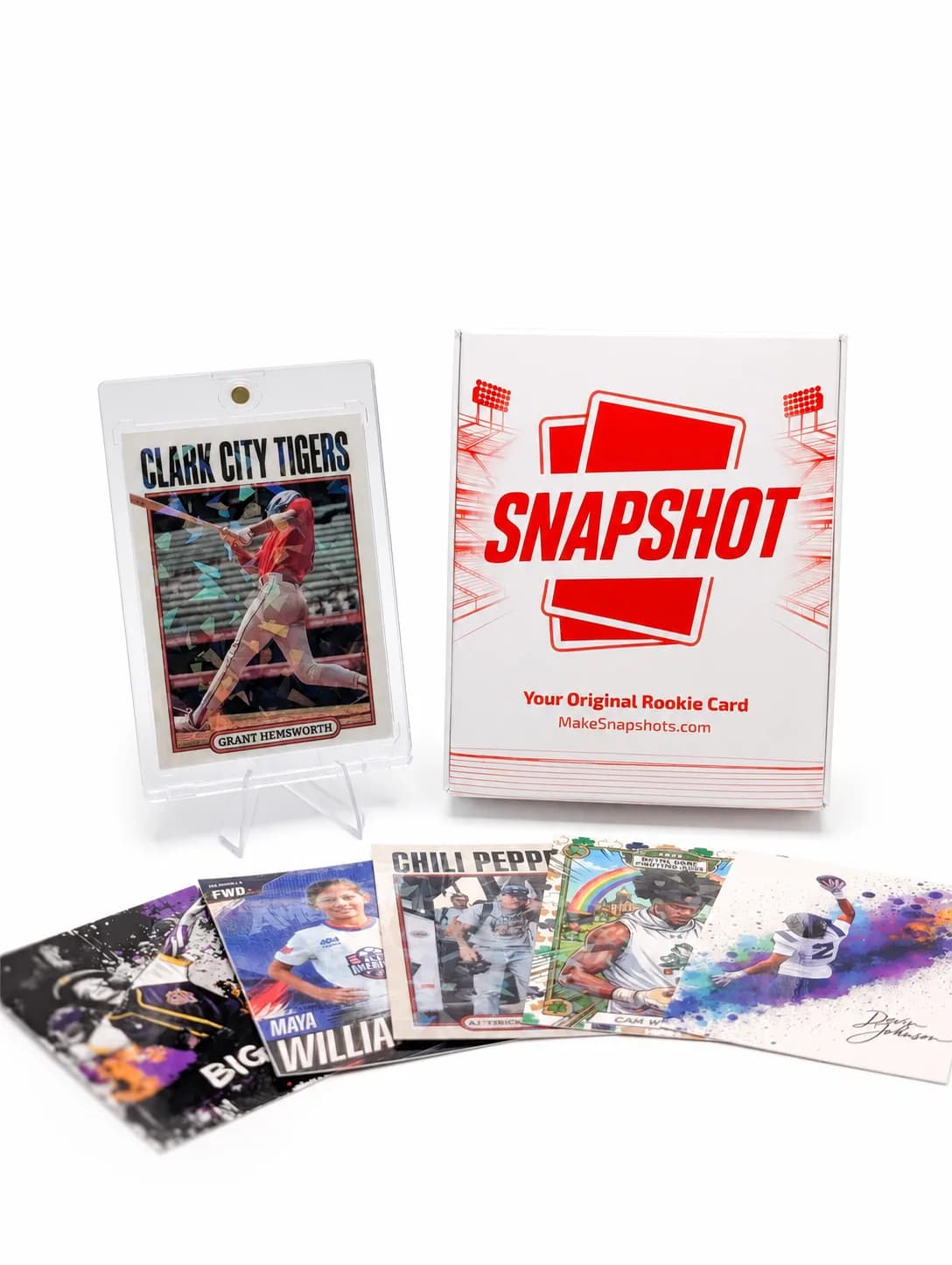
The Rookie Box
Perfect for those unforgettable moments
$17.99 - $49.99
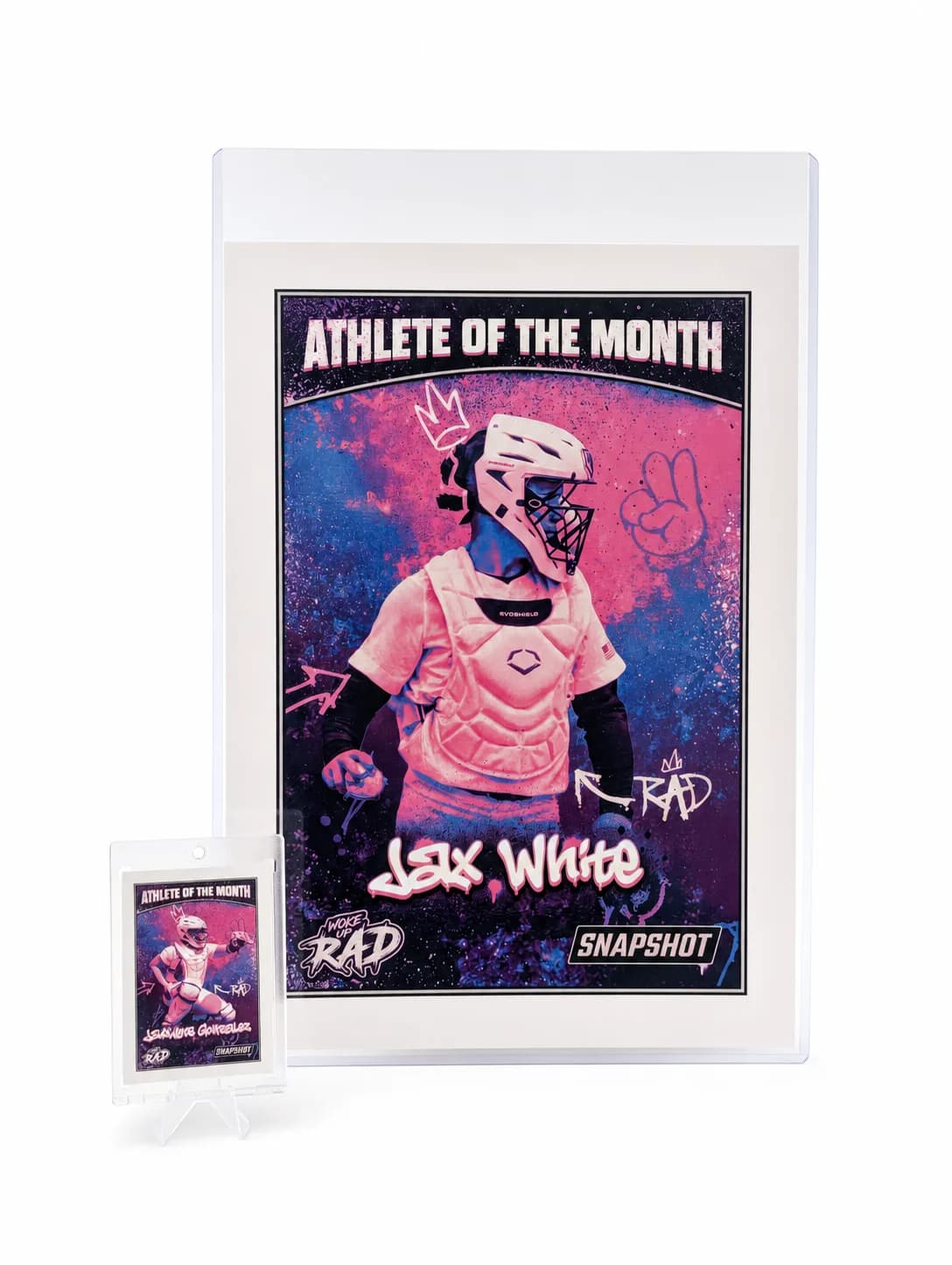
MEGA Card
Their moment, bigger than ever
$49.99
Create for free • Ships the next business day • Made in Des Moines, IA, USA
Frequently Asked Questions
What is the best shutter speed for sports photography?
For most sports, 1/1000s is the standard starting point and handles the majority of athletic motion cleanly. Basketball, soccer, running events, and field sports all work well at this speed in outdoor light. For extremely fast actions — a baseball swing at contact, a volleyball spike, a track hurdle clearance — consider 1/1250s or 1/1600s. The tradeoff is that faster shutter speeds require more light or a higher ISO to maintain proper exposure. In low-light indoor situations, 1/800s is an acceptable floor if your camera and lens combination forces the compromise.
What autofocus mode should I use for sports?
Always use continuous autofocus for sports, not single-shot. Canon labels it AI Servo, Nikon calls it AF-C, and Sony uses Continuous AF — but the function is the same on all platforms: the camera keeps recalculating focus as your subject moves rather than locking and holding. For tracking athletes running toward or away from you, this is non-negotiable. Pair it with a center focus point cluster or use your camera's subject-tracking feature if available. Practice during warm-ups so you're comfortable with how the camera responds before the actual competition begins.
What ISO should I use for indoor sports photography?
Indoors, expect to use ISO 1600 to 6400 depending on the quality of lighting in the venue. High school gyms with fluorescent overhead lights often require ISO 3200 or higher to maintain a shutter speed fast enough to freeze motion. Don't be afraid of high ISO — a slightly grainy sharp image is almost always more useful than a noise-free blurry one. Modern cameras from the last five years produce very clean images at ISO 3200. If you're shooting RAW files, you'll also have more latitude to reduce noise in post-processing without losing critical detail.
Does lens choice affect sports photography settings?
Absolutely. A faster lens — one with a maximum aperture of f/2.8 versus f/5.6 — lets in significantly more light, which means you can maintain your target shutter speed at a lower, cleaner ISO. A 70-200mm f/2.8 is considered the gold-standard sports lens for good reason. That said, a kit lens at f/5.6 used with correct ISO and shutter settings will still produce usable sports images. Focal length matters too: you generally want at least 135mm equivalent for court or field sports to fill the frame without cropping heavily in post-production.
How do I avoid motion blur in sports photos?
Motion blur in sports photos has two sources: subject movement and camera shake. Shutter speed handles subject movement — stay at 1/1000s or faster. Camera shake is addressed through proper handholding technique, image stabilization, or a monopod. For handholding, tuck your elbows in, support the lens with your non-dominant hand, and press the shutter gently rather than jabbing it. A monopod is excellent for sideline shooting because it dampens vertical shake while still letting you pan horizontally to track athletes. Eliminating both types of blur gives you consistently sharp results.
Should I shoot RAW or JPEG for sports photography?
RAW files give you significantly more editing flexibility — better exposure recovery, finer white balance adjustment, and more detail in highlights and shadows. If your camera buffer handles it, RAW is the professional choice. The practical tradeoff is file size and buffer depth: continuous burst shooting fills a RAW buffer faster than JPEG, which can interrupt your shooting during long action sequences. A workable compromise is RAW + small JPEG, or simply JPEG if you're shooting a camera with a limited buffer. For Snapshot card printing, a high-quality JPEG from a well-exposed shot is entirely sufficient.
What's the best camera setting for photographing fast sports like track or swimming?
Track sprints and swimming turns are among the fastest movements in youth and collegiate sports. For track, set shutter speed to 1/1250s minimum — 1/1600s for the 100-meter finish. Swimming is uniquely challenging because poolside lighting is often dim and the water surface reflects in unpredictable ways. At indoor pools, ISO 3200-6400, f/2.8 or widest available, and 1/800s is a realistic target. Focus on the lane closest to the wall so your autofocus has high-contrast material to lock onto rather than open water, which has little contrast for AF systems to grab.
How do I photograph sports at night or under stadium lights?
Stadium and field lights vary widely in quality. Older metal halide systems have a color cast and can flicker in a way that causes banding at certain shutter speeds — if you notice horizontal bars across your images, try adjusting shutter speed slightly (1/800s, 1/640s) to sync with the light cycle. Modern LED stadium lighting is cleaner. Use the widest aperture your lens offers, set ISO aggressively (6400 or higher if needed), and review your first few shots carefully for exposure accuracy. Shoot in Tungsten or Auto White Balance and adjust in post if the color looks off.
Can I use a smartphone for sports photography that's good enough to print on a card?
Modern flagship smartphones — iPhone 15 Pro, Samsung Galaxy S24 Ultra, and similar — have Action Mode or Sports Mode features that use fast electronic shutter speeds to freeze motion. In good outdoor light, these modes produce images sharp enough for a single custom card print at standard size. The limitations show in low indoor light, where smartphone sensors struggle more than dedicated cameras. If you're shooting on a phone, use the rear main camera in good light, keep the subject well-lit, and submit your best-resolution export to Snapshot. We print from your uploaded photo directly.
Free to design, instant preview. Ships the next business day.
Use Your Camera Settings for Sports Photography to Make a Card
You've invested the time to learn the right camera settings for sports photography. Now do something with the best frame you captured. Upload it to Snapshot, pick a template, and get a premium custom sports trading card printed and shipped free — anywhere in the USA — in two to three days.
Build Your Card NowNo credit card required | Instant preview | Pro-quality designs
Explore More Card Options
Discover more custom trading card options for every sport and occasion