
Pokémon Card Grading Companies: Myths vs. Facts
Pokémon card grading companies have turned a hobby into a high-stakes market — but half of what collectors believe about them isn't accurate.
Upload your own artwork or photo, choose an available template, and preview your design before ordering a printed card.
Collectors spend weeks waiting for grades, hundreds of dollars in fees, and sometimes get results that feel inconsistent or hard to predict. The major pokemon card grading companies — PSA, BGS, CGC, and others — each use different scales, timelines, and pricing tiers. A card graded a 9 by one company might score a 9.5 from another. That inconsistency trips up new collectors who assume grading is a purely objective science. It's not. Subjectivity, centering tolerances, and surface grade criteria vary meaningfully across services.
Understanding how grading companies actually work — and where the myths break down — helps you make smarter decisions as a collector. Whether you're submitting a first-edition Charizard or a modern alt-art pull, knowing the real mechanics behind grading scores saves money and frustration. Production takes one business day; shipping time is quoted at checkout for your address.
Let's separate fact from fiction across every major grading question collectors ask.
We ship custom cards to collectors and sports fans in all 50 states every week, printed and packed by hand in Des Moines, Iowa.
Grading Companies Compared: PSA vs. BGS vs. CGC
| Feature | PSA | BGS (Beckett) | CGC Trading Cards |
|---|---|---|---|
| Scale | 1–10 whole points | 1–10 with half points + sub-grades | 1–10 with half points |
| Resale Premium | Highest on most Pokémon cards | Strong, especially BGS 9.5 and 10 | Growing, accepted on major platforms |
| Sub-Grade Visibility | Not shown on label | Shown on label (C/E/Cor/S) | Shown on label |
| Economy Tier Price | ~$25/card | ~$22/card | ~$20/card |
| Registry / Lookup | PSA Set Registry | Beckett Marketplace | CGC Registry |
| Best For | Vintage and high-value modern cards | Collectors who want detailed grade breakdowns | Budget-conscious modern card submissions |
Common Mistakes Collectors Make With Card Grading Companies
Submitting cards without checking declared value tiers
Always verify the fee schedule for your card's estimated value before submitting. Cards declared above certain thresholds automatically move to higher-cost service tiers.
Assuming grading is objective and consistent across companies
Grading involves human evaluation with defined criteria, but real-world outcomes vary. Research recent grades for your specific card across companies before choosing where to submit.
Skipping photography before shipping
Photograph every card front and back in good lighting before packaging. This documentation is essential for any damage dispute with the grading company or shipping carrier.
Over-grading condition at home before submission
Graders use UV lighting and magnification that reveal issues invisible in normal viewing. Assume your 'near-perfect' card has at least minor surface issues and calibrate expectations accordingly.
Ignoring total cost vs. expected value increase
Add submission fee, return shipping, and any insurance cost. Then check the price gap between raw and graded copies of your card at the expected grade. The math doesn't always favor submitting.
Free to design, instant preview. Free US standard shipping on orders $30+. Review delivery options at checkout.
What Grading Actually Does for Your Collection
Graded cards aren't just protected — they're authenticated, standardized, and liquid on the resale market. Here's the concrete value grading delivers.
Market Liquidity
A PSA 10 Charizard sells faster than a raw copy because buyers trust the third-party grade. Graded cards trade on major platforms with clear price histories, removing negotiation friction and buyer skepticism that raw cards always carry.
Authenticity Verification
Counterfeit Pokémon cards exist at scale. Grading companies use UV lighting, thickness gauges, and print-quality inspection to catch fakes. A slab from a reputable grader is one of the strongest authenticity signals a Pokémon card can carry.
Long-Term Preservation
Encapsulated slabs protect against humidity, handling damage, and UV fading better than penny sleeves and binders. For cards you plan to hold 5–10 years, a slab is a serious preservation upgrade that doesn't require any active maintenance from you.
Collection Organization
Serial numbers and the grading registry give you a verifiable, organized record of your collection. Insurance claims, estate documentation, and resale listings all benefit from having graded certificates rather than raw cards with no paper trail.
How Pokémon Card Grading Companies Actually Score Cards
Most grading services use a 1–10 scale, but the criteria behind each number differ more than most collectors realize. Here's how the process typically unfolds.
Submission and Intake
You package your cards, fill out a submission form, and ship to the grading company. PSA, BGS, and CGC each have their own submission portal and service-tier pricing — ranging from economy tiers around $20–$25 per card up to express tiers exceeding $150. Turnaround at economy tiers currently runs weeks to months depending on volume backlog. Declaring the card's estimated value accurately matters for insurance purposes during transit.
Grading and Evaluation
Graders examine four primary attributes: centering, corners, edges, and surface. Each category receives a sub-grade (visibly broken out on BGS labels, implied on PSA). A single corner ding can drop a card from a PSA 10 to a PSA 8. Surface scratches under UV light catch issues invisible to the naked eye. This stage is where most collector expectations collide with reality — cards that look perfect often aren't.
Encapsulation and Return
Graded cards are sealed in a tamper-evident plastic slab with a certification label and unique serial number. You can verify any graded card's authenticity through the company's online registry. Once returned, the grade is permanent — re-submissions are allowed, but grades don't always improve and re-slabbing fees add up. Factor total cost into your ROI calculation before submitting.
Understanding each step helps set realistic expectations before your first submission arrives back in the mail.
Why Collectors Keep Coming Back to Both Grading and Custom Cards
The Pokémon card hobby has grown into one of the most active collector markets in the country, with hundreds of thousands of submissions flowing through grading companies annually. At Snapshot, we see collectors use custom cards alongside graded slabs — printing display pieces, gifts, and personal keepsakes that complement the formal grading side of the hobby.
It's two different expressions of the same passion, and both have a real place in a serious collection.
Who Actually Benefits Most From Grading Services
Not every Pokémon card deserves a $25 grading fee. The calculus depends heavily on card value, condition, and your goals as a collector.
High-Value Modern Pulls
Alternate art cards, secret rares, and special illustration rares from recent sets often retail raw between $50–$300. A PSA 10 grade can push those values significantly higher. If a card raw is worth $100 and a PSA 10 copy sells for $300, the math on a $25 submission fee is straightforward. Modern holos and full-art trainers fall squarely into this category for serious collectors.
Vintage Base Set and Neo Era Cards
First-edition shadowless Charizard, Blastoise, and Venusaur are among the most scrutinized cards in the hobby. For vintage cards worth hundreds raw, grading isn't optional — it's expected by serious buyers. Even a PSA 7 on a first-edition Charizard commands respect and a price premium over any ungraded copy of equivalent visual quality.
Casual Collectors Celebrating Favorite Cards
Not every collector is chasing ROI. Some just want to honor a card they love — a childhood holographic Mewtwo or a favorite Eeveelution. For those collectors, grading fees may not pencil out. A more personal option is creating a custom printed version through Snapshot, preserving the memory of that card in a way that's uniquely yours without sending anything away.
Snapshot Pricing: Custom Pokémon-Inspired Cards
Grading fees add up fast. Snapshot offers a different kind of value — custom premium cards you design yourself, printed and shipped quickly.
Single custom card starts at $17.99. Card packs available up to $49.99. MEGA 11"×15" poster card at $49.99. Free shipping over $30 anywhere in the USA. Every order ships in 2-3 days with a free magnetic case included.
Professional card stock, pro sports-card templates, and free magnetic case included — no waiting months, no submission anxiety, just your card in your hands.
Box Options
Simple, collectible pricing. No subscriptions, no hidden fees.

The Rookie Box
Perfect for those unforgettable moments
$17.99 - $49.99
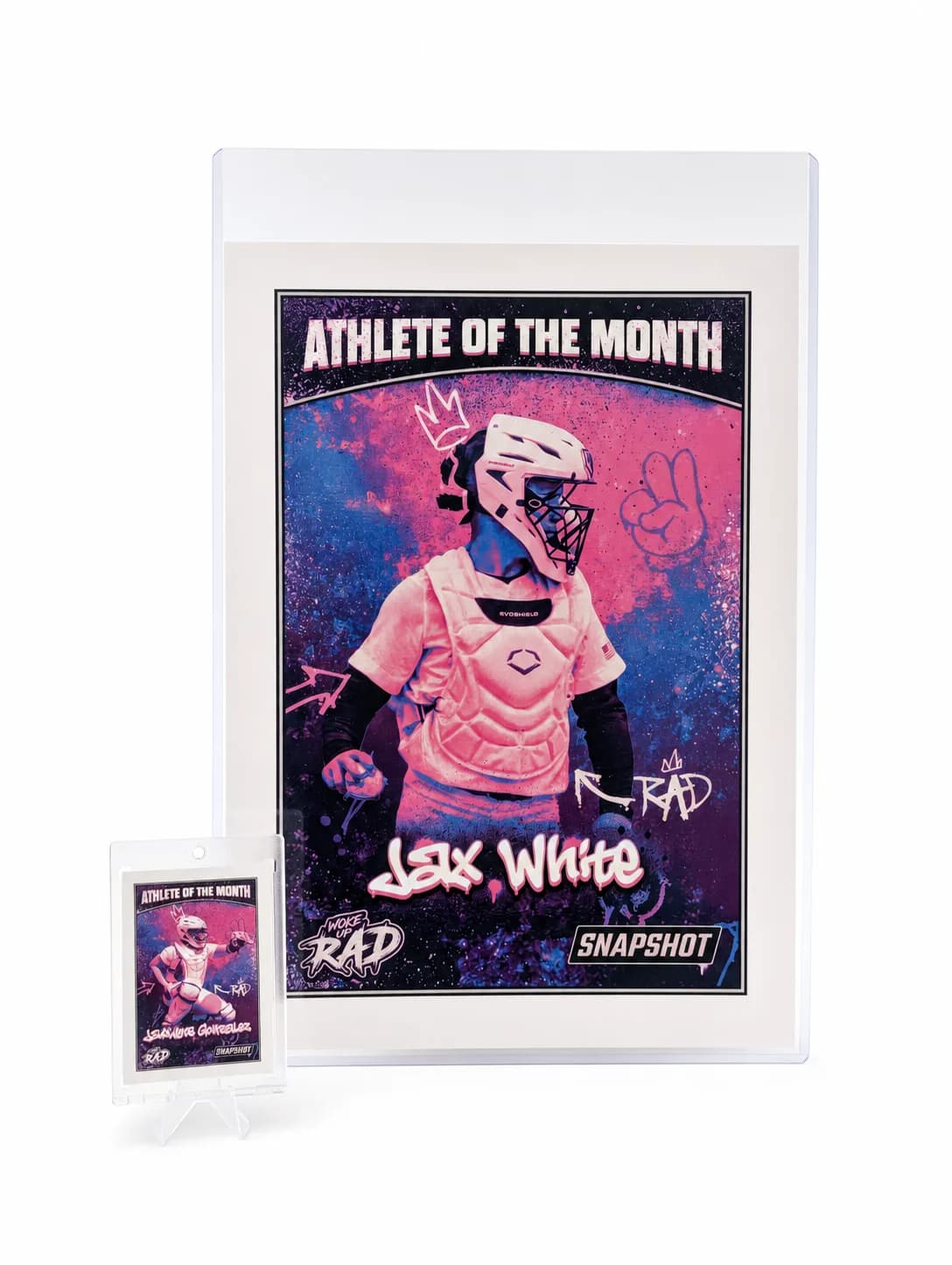
MEGA Card
Their moment, bigger than ever
$49.99
Create for free • Ships the next business day • Made in Des Moines, IA, USA
Frequently Asked Questions
How long does it take to get cards back from grading companies?
Turnaround time varies dramatically by service tier and submission volume. Economy tiers at PSA have historically run anywhere from 30 to 120 business days during peak periods. Express and walkthrough tiers move much faster — sometimes same-day — but cost significantly more per card. BGS and CGC have their own tier structures with similar variability. The honest answer is that grading timelines are unpredictable. Before submitting, check each company's current estimated turnaround on their website, since backlogs shift constantly with hobby trends and product releases. Budget both time and money realistically before committing.
Is grading worth it for Pokémon cards under $50 raw value?
Mathematically, it's tough to justify grading a card worth $40 raw when the submission fee alone is $20–$30, plus return shipping. Even a perfect grade might not generate enough upside to cover costs. That said, value isn't always about resale. If a card has personal significance — a childhood favorite, a birthday gift, a set you completed — the decision changes. For cards under $50 in raw value, consider whether your goal is financial return or personal enjoyment. If it's the latter, alternative ways to honor that card, like a custom printed version, may deliver more satisfaction dollar-for-dollar.
Can a graded Pokémon card ever be re-graded at a different company?
Yes, cracking slabs and resubmitting to a different grading company is a common practice called 'crossover grading.' Some collectors believe certain cards will score higher at specific companies due to grading philosophy differences. For example, a BGS 9.5 might be submitted to PSA hoping for a PSA 10. It doesn't always work out — grades can stay the same or drop — and you're paying additional fees each time. Crossover grading makes financial sense only when the expected grade bump at the new company would produce a meaningful value increase above the combined submission costs.
What do Pokémon card grading companies look for when evaluating condition?
All major grading companies evaluate four core attributes: centering (the border alignment on front and back), corners (sharpness without fraying or bends), edges (clean cuts without nicks or chips), and surface (freedom from scratches, print lines, haze, or dents). Surface is often the hardest category to pass at the highest grades because damage shows up under lighting conditions most collectors don't replicate at home. A card that looks flawless in hand may have print lines or light scratches visible under grader lighting. This is the most common reason cards miss PSA 10 or BGS 9.5 grades.
Are there budget-friendly alternatives to PSA for grading Pokémon cards?
CGC Trading Cards and HGA (Hybrid Grading Approach) both offer lower entry-point pricing compared to PSA's standard tiers. CGC's economy tier has been competitive for modern cards, and their grading is accepted on most major resale platforms. HGA stands out for colored label customization, which appeals to collectors who want aesthetic variety in their slabs. However, PSA grades still command the highest resale premiums on most Pokémon cards, so budget-friendly options trade cost savings for somewhat lower secondary market liquidity. Research recent sold prices on your specific card at each company's grades before deciding.
Does the Pokémon set or edition affect grading fees?
The card's declared value — not the set itself — is what drives tiered pricing at most grading companies. You declare an estimated value at submission, and that value determines which service tier you're eligible for. High-value vintage cards like first-edition base set holos typically land in higher-cost tiers automatically. Modern cards with lower declared values qualify for economy tiers at lower per-card rates. Some companies also offer set submission specials for specific products after release. Always check each company's current fee schedule since pricing structures are updated periodically and vary by card value brackets.
What happens if a grading company damages my Pokémon card?
All major grading companies have damage policies, but they vary significantly. Most require you to insure your submission at the declared value during shipping — if damage occurs in transit, your claim is with the shipping carrier. Damage caused during the grading process itself is handled case by case; companies typically offer limited liability, often capped at the declared value. Documentation is critical — photograph every card front and back in high resolution before packaging and shipping. Keep all receipts, tracking numbers, and submission confirmations. A well-documented submission gives you meaningful leverage if a dispute arises.
How do I safely ship Pokémon cards to a grading company?
Use penny sleeves first, then semi-rigid card savers or top loaders — never ship raw cards loose. Stack cards between two pieces of cardboard cut slightly larger than the cards, tape the cardboard sandwich securely, and place it in a bubble mailer or small box with additional padding. Don't use rubber bands directly on cards. Ship with a carrier that offers tracking and insurance. USPS Priority Mail with declared value insurance is a common choice. Follow each grading company's specific submission packaging guidelines exactly — non-compliant packaging can be flagged or returned without grading.
Free to design, instant preview. Free US standard shipping on orders $30+. Review delivery options at checkout.






Skip the Wait — Create Your Own Card While Researching Pokémon Card Grading Companies
You don't need to wait months to hold something you're proud of. Production takes one business day; shipping time is quoted at checkout for your address.
Build Your Card NowNo credit card required | Instant preview | Pro-quality designs
Explore More Card Options
Discover more custom trading card options for every sport and occasion
pokemon card generator
View card options →
pokemon card creator
View card options →
custom pokemon cards
View card options →
how to grade pokemon cards
View card options →
free printable pokemon cards
View card options →
create pokemon trainer card
View card options →