
Senior Banner Ideas: Separating What Works From What's Just Noise
Every senior night, somebody's parent is Googling senior banner ideas at 11 p.m., panicking about a deadline.
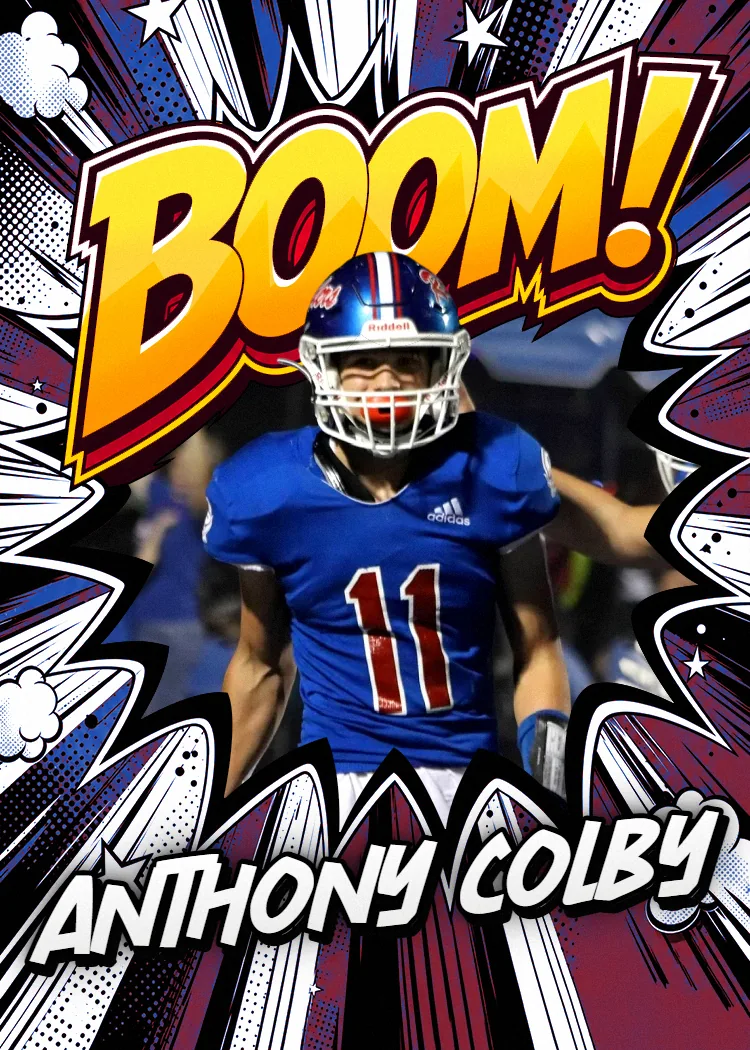
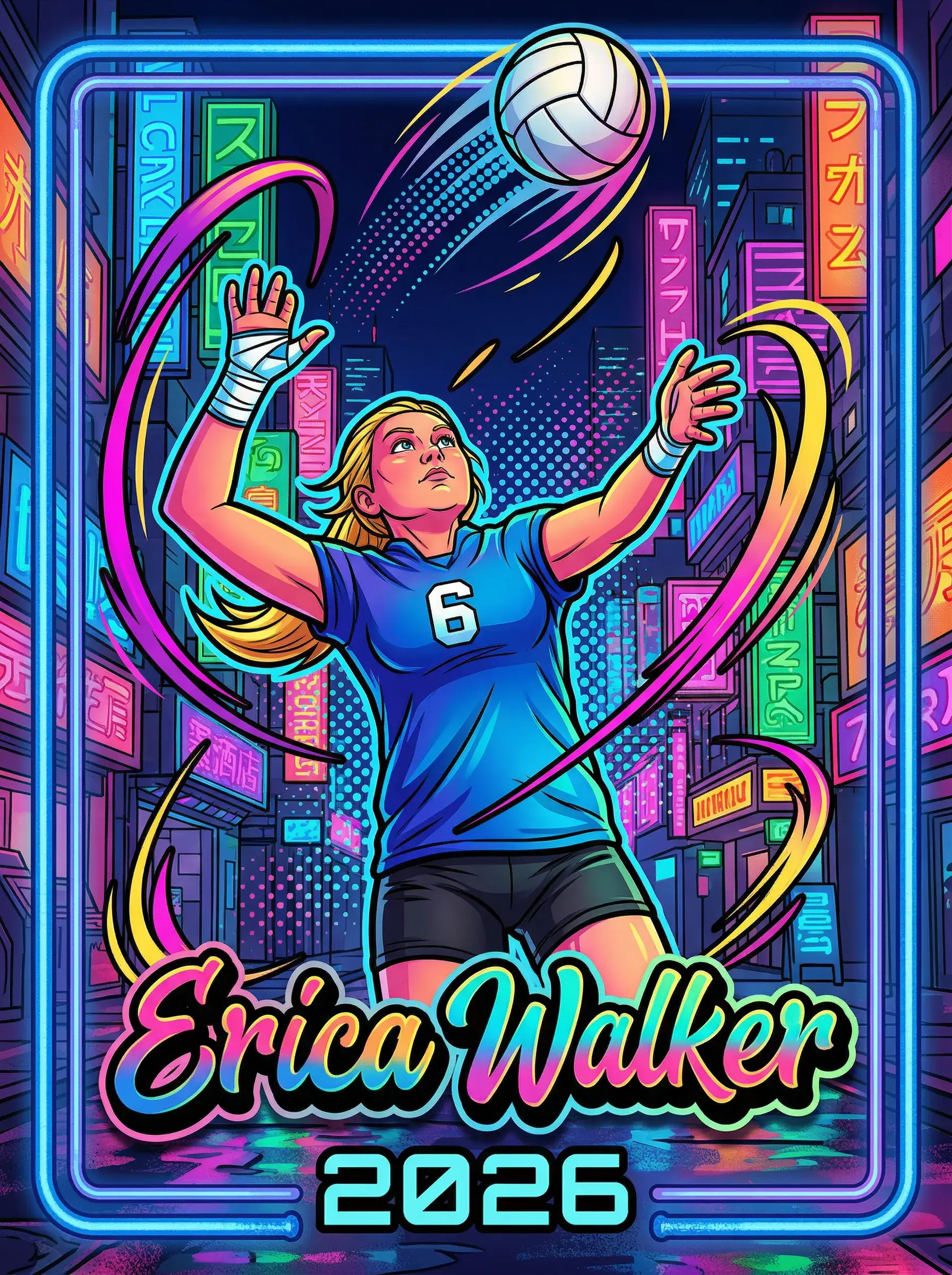
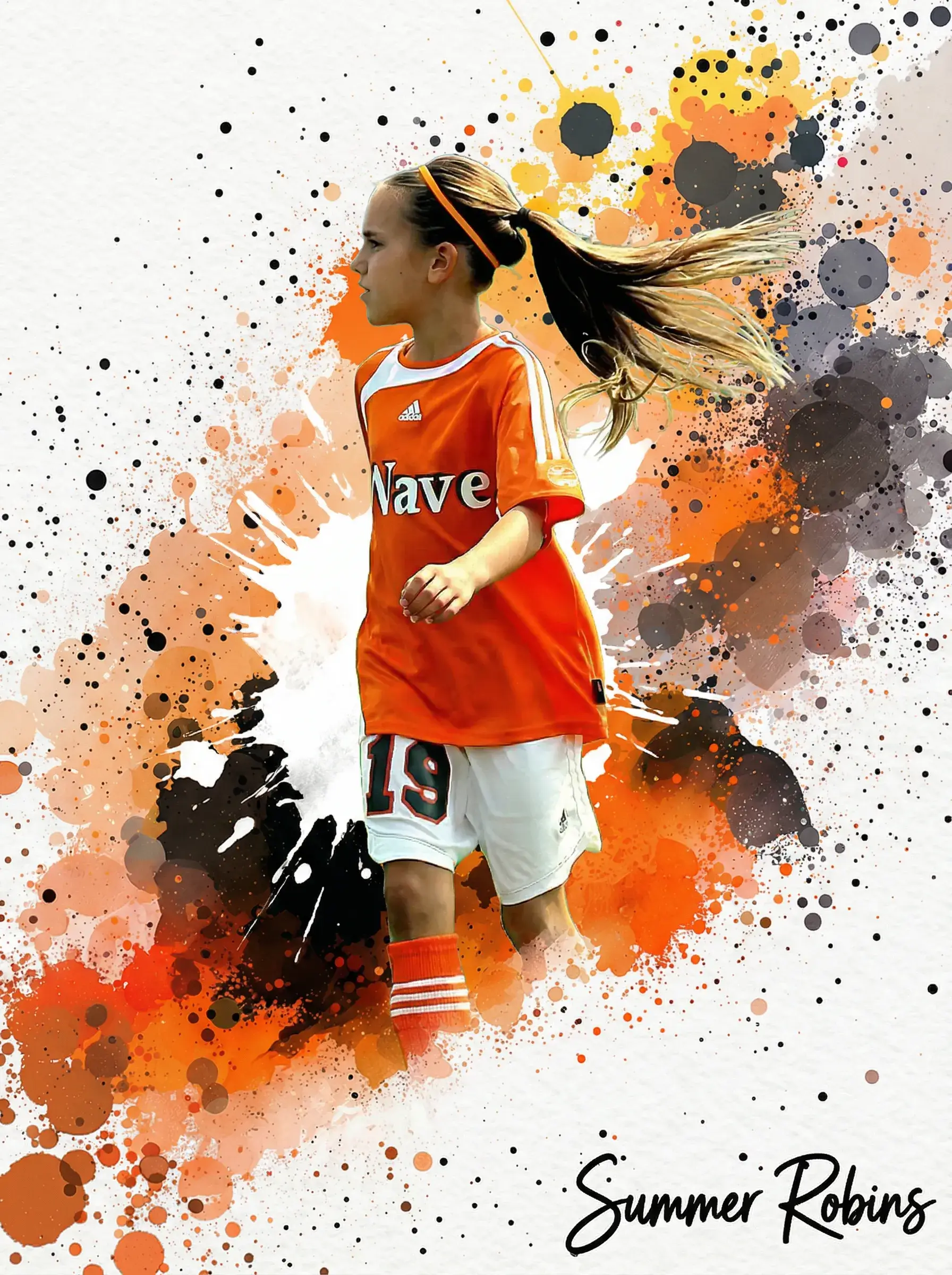
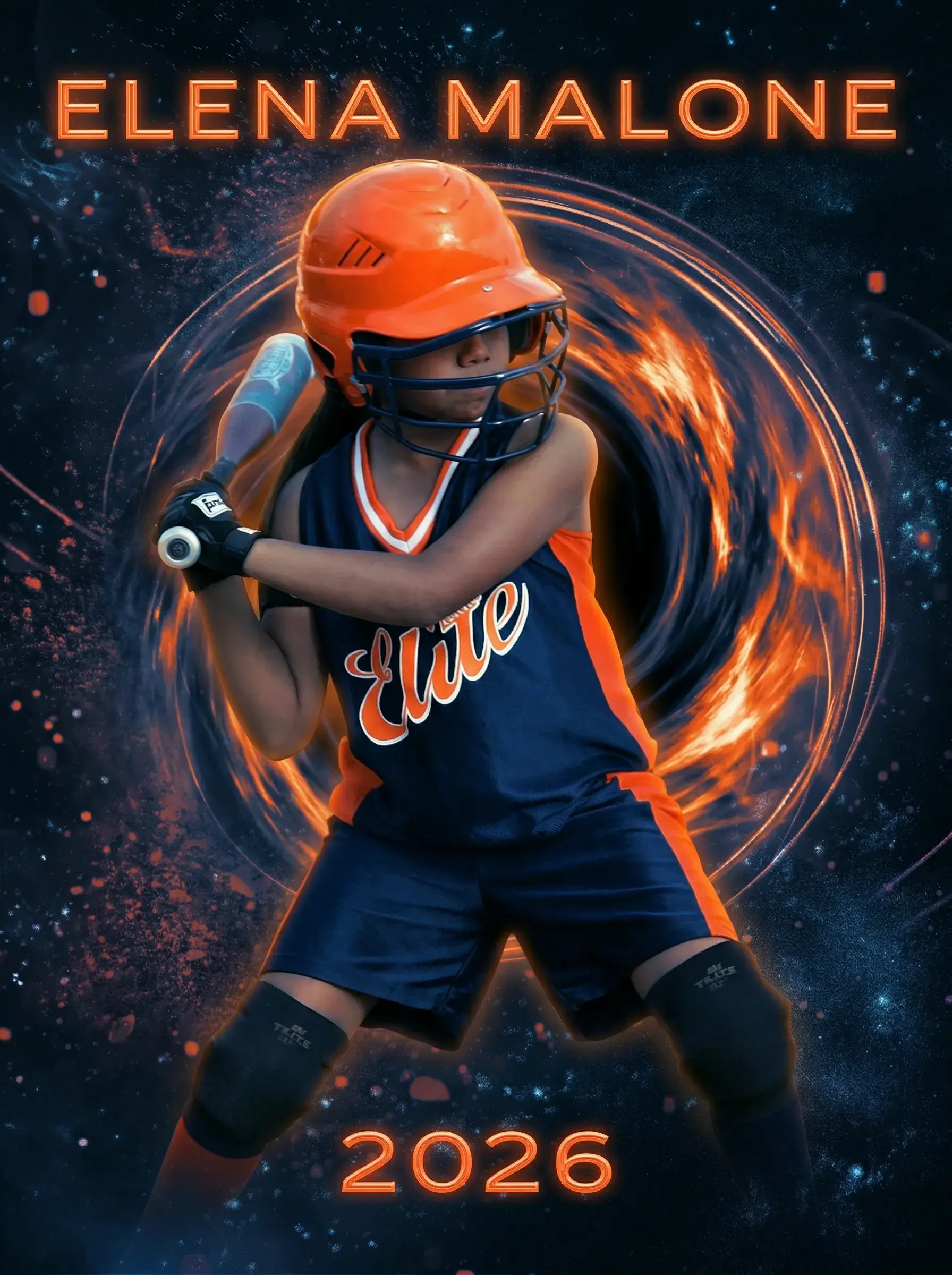
Upload a photo of your player, pet or team, choose an available template, and preview your design before ordering a printed card.
Here's the problem: most advice out there repeats the same three tips — big photo, team colors, senior's name in bold — without addressing what actually goes wrong. Banners fade in the sun. Vinyl companies charge rush fees that double the price. And a 3-foot banner looks great on a fence but terrible in a photo album or on a shelf ten years later. Parents end up with a one-time display item and nothing they can actually hold onto once the season ends.
That's where the myth-vs-fact approach helps. We'll walk through what's actually true about banner sizing, materials, and timelines, then show you a companion option a lot of families don't know about: a custom trading card version of the same senior tribute, printed on professional card stock and shipped in 2-3 days with a free magnetic case.
Let's separate the fact from the assumption, starting with how these projects typically get made.
We ship custom cards to families and booster clubs in all 50 states every week, including plenty tied to senior night recognition.
Frequently Asked Questions
Do vinyl banners really last multiple seasons outdoors?
This is one of the most repeated myths in banner marketing, and it's only partly true. Vinyl is more durable than fabric, sure, but constant sun exposure fades ink within a single season, and grommets tear loose after repeated wind and rain cycles. Most schools we've talked to end up reordering banners every year rather than storing and reusing them, which quietly doubles the long-term cost nobody budgeted for. Indoor storage helps extend life, but banners stored in humid garages often develop mildew spots by the next fall. If you're ordering a banner expecting five years of use, you'll likely be disappointed by year two. That's not a knock on vinyl as a material, it's just a realistic expectation to set going in. A printed card, by contrast, sits in a magnetic case indoors and doesn't face any of that weather exposure, so it holds up indefinitely without any special care.
Can I use any photo for a senior banner or card?
Technically yes, but resolution matters more than most people realize before they order. A photo taken on an older phone or pulled from social media often looks fine on a screen but turns blurry or pixelated once it's blown up to banner size or even printed at 5x7 on card stock. The safest bet is using the original camera photo rather than a screenshot or a downloaded, compressed copy. If you're only working with a lower-resolution image, a smaller printed card tends to hide quality issues better than a giant banner does, since enlarging a flawed photo to three feet wide makes every flaw more obvious. We'd also suggest checking lighting and cropping before you submit anything, since a photo that's slightly dark on a phone screen can look even darker once printed. When in doubt, send the highest-resolution version you have and let the print team make adjustments from there.
How far in advance should I order a senior banner?
Most vinyl print shops recommend ordering 10-14 days ahead of senior night, and rush orders inside that window often carry extra fees that can add 30-50% to the total cost. That timeline gets tighter during fall sports season when every school in the district is placing similar orders at once, so shops get backed up fast. If you're ordering during September or October, it's smart to add a few extra days of buffer just in case. A printed card alternative moves much faster, typically shipping within 2-3 days of the order being placed, which makes it a solid backup plan if the banner deadline sneaks up on you. Some families actually order both: the banner early for the big display, and a card closer to the event date once the final photo choice is locked in. That flexibility is worth factoring into your planning timeline either way.
Are personalized senior banners worth the extra cost over a generic template?
Generally, yes, though the value depends on what you're optimizing for. A generic template with just a name swapped in is cheaper and faster, but it reads as an afterthought next to a banner built around the senior's actual action photo and personal details like jersey number or a signature phrase. Coaches and teammates notice the difference immediately, even if they can't always articulate why. That said, a fully custom banner from scratch can run significantly more than a template, especially with rush fees factored in. If budget is tight, a middle path works well: use a semi-custom banner template for the big outdoor display, then put the real personalization budget toward a fully custom printed card that the senior actually keeps. That way you're not overspending on the disposable item and underspending on the one that lasts.
What's the actual difference between a banner and a custom card for senior recognition?
A banner is built for one moment, typically a single night under stadium lights, viewed from a distance by a crowd. A custom card is built for the opposite purpose entirely, meant to be held, displayed on a shelf, and kept for years after the season ends. Neither format is objectively better, they just solve different problems. Banners deliver scale and visibility that a card simply can't match in a stadium setting. Cards deliver detail, portability, and longevity that a rolled-up vinyl banner in a garage can't match either. Plenty of families do both: the banner for the public moment, the card for the personal keepsake. If you're choosing just one, ask whether the priority is the crowd's experience that night or the senior's experience five years from now. That single question usually clarifies which format matters more for your situation.
Do I need design experience to make a good senior banner or card?
No, and this is a common misconception that stops a lot of parents from even starting the project. Most banner companies and card platforms provide templates built by people who design these layouts professionally, so you're really just choosing a template and uploading a photo rather than designing from a blank canvas. That said, a few basic choices still matter: pick a template with good contrast so text doesn't disappear against the background, and choose a photo where the senior's face or jersey number is clearly visible rather than obscured by motion blur or shadow. Beyond that, most of the heavy lifting is handled by the template itself. If you're using a card platform, you'll typically get to preview the layout before it prints, which catches most issues before they become a problem. Design experience helps, but it's genuinely not required to get a clean, professional-looking result.
Can senior banners include team logos and school colors legally?
Generally yes, for personal, non-commercial use like a senior night display, but this varies slightly depending on your school district's policies and any licensing agreements with mascot or logo providers. Most schools are fine with families using official colors and logos for banners displayed at games, since it's promotional for the team rather than commercial resale. Where it gets more complicated is if you're selling banners or cards to other families for profit, which can trigger licensing questions depending on the league or conference. For a one-off personal banner or card made for your own senior, this is rarely an issue in practice. If you're working with a booster club ordering in bulk, it's worth a quick check with the athletic department just to confirm there's no specific policy you're missing, since those rules do vary district to district.
What size senior banner is standard for most sports?
There's no single universal standard, but 3x5 feet is the most common size for outdoor fence displays at football, soccer, and volleyball senior nights, since it's large enough to read from the bleachers without being unwieldy to hang. Indoor gym banners for basketball or volleyball sometimes run smaller, closer to 2x3 feet, since the viewing distance is shorter and ceiling clearance can be limited. Track and field programs sometimes go bigger, closer to 4x6 feet, since athletes are spread across a larger area during meets. If you're unsure, check with whoever manages the fence or wall space at your venue, since some schools have specific size limits to keep displays uniform. On the smaller end of the spectrum, a printed card doesn't have this sizing debate at all, since it's meant for a shelf rather than a fence, with the 11x15 MEGA card being the largest option for anyone wanting a poster-style display indoors.
How do I make sure the colors on my banner or card actually match my team's colors?
Screen colors and printed colors don't always match perfectly, which catches a lot of first-time banner and card orderers off guard. What looks like your exact team red on a laptop screen can print slightly orange or slightly darker depending on the printer's color calibration, since screens use light-based color and print uses ink-based color. The safest approach is providing the specific color code, like a hex or Pantone value, rather than just eyeballing it from a photo. Most reputable print providers, whether banner shops or card printers, will use professional color calibration to get as close as possible to that code. If exact color matching is critical, ask whether a physical proof or digital preview is available before the full order prints, since that catches most mismatches early. Minor variation is normal and usually not noticeable once the item is displayed, but for official school colors, providing the code upfront saves a reprint headache later.
Is a custom card a good gift alongside a senior banner, or is it redundant?
It's rarely redundant, mostly because the two items serve completely different purposes even when they're built from the same photo. The banner is public-facing, displayed once during a specific event for a crowd to see from a distance. The card is private and personal, something the senior actually holds, keeps in a wallet or on a desk, and can look back on years later without needing to unroll a giant piece of vinyl from a garage shelf. Plenty of parents and grandparents order both specifically because they serve those different moments so well. If budget only allows for one, it usually comes down to whether you want a public display or a personal keepsake, but for many families the card ends up being the item that actually gets kept, while the banner becomes a one-night display piece that's harder to store afterward.
What happens if the photo I want to use isn't high enough quality?
This comes up more often than people expect, especially with photos pulled from team social media accounts or texted between parents, which often get compressed and lose detail in the process. If a photo is too low resolution, enlarging it to banner size will make the loss of quality obvious, resulting in a blurry, pixelated final product that doesn't look professional. Smaller print formats, like a standard card size, tend to forgive lower resolution photos better than banners do, simply because there's less enlarging happening. If you're not sure whether your photo will hold up, it's worth asking whoever's handling the print job to check resolution before committing to the order, since most platforms can flag a low-quality upload before it goes to production. When possible, always use the original photo file rather than a screenshot or a repost, since each time an image gets shared or downloaded, it typically loses a bit more quality along the way.
Can I order a senior card or banner if I'm not in a school sport, like club or travel teams?
Absolutely, and this is actually one of the more overlooked use cases for senior recognition. School athletic departments often handle banner ordering for varsity sports, but club, travel, and rec league seniors frequently get left out of that process entirely, since there's no booster club budget covering them. In those cases, families typically order directly from a banner or card company on their own, which actually gives you more control over the design since you're not working within a district's template restrictions. A custom card is particularly well suited here, since club team photos are often more casual, action-based shots rather than posed team portraits, and a card format handles that kind of image nicely. There's no requirement that recognition has to come through a school-sponsored program, so if your senior played travel soccer or club volleyball for years without a formal banner night, ordering something yourself is a completely normal and increasingly common choice.
Free to design, instant preview. Free US standard shipping on orders $30+. Review delivery options at checkout.
How Do Senior Banner Ideas Actually Come Together?
Most banner projects follow a predictable production path — here's what really happens behind the scenes.
Design and Photo Selection
A parent or booster club picks a senior photo, usually an action shot from a game or a posed portrait, then builds a layout around it — jersey number, graduation year, team colors. This step takes longer than people expect because the photo often needs cropping or color correction to look sharp at banner size, and low-resolution phone photos stretched to 3x5 feet get blurry fast.
Material and Print Selection
Vinyl banners are the standard for outdoor use because they resist weather, but that durability comes with a printing minimum and a per-square-foot cost that adds up quickly. Indoor fabric banners are cheaper but fade under gym lights within a season. Most print shops require 5-10 business days unless you pay a rush fee.
Display and Afterward
The banner hangs on a fence, gym wall, or car window for the season, then usually gets rolled up and stored in a garage. Very few families display them long-term indoors, simply because a 3-foot banner doesn't fit a bookshelf or a frame. That's the gap a smaller, printed keepsake fills nicely.
None of this is wrong — it's just incomplete without knowing the tradeoffs.
What Are the Real Benefits Worth Weighing?
Some benefits get oversold online. Others barely get mentioned. Here's what actually holds up.
Visibility at the Field or Gym
A banner's biggest real advantage is size — it's visible from the parking lot or the top row of bleachers. That's genuinely useful for senior night recognition in front of a crowd.
One-Time Cost, Long-Term Use Is a Myth
Vinyl banners are often marketed as reusable, but colors fade and grommets tear within one to two seasons of outdoor exposure. Most families replace them, they don't reuse them.
Photo Quality Matters More Than Size
A crisp 5x7 image on premium card stock often reads better up close than a stretched, pixelated banner photo does from ten feet away. Detail, not scale, is what people remember.
Keepsake Value Is Where Cards Win
A banner gets folded up after the season. A printed card in a magnetic case sits on a desk or shelf indefinitely — it's the difference between decoration and something you actually keep.
Where Do Senior Banner Ideas Get Used Across Sports?
Banners show up everywhere from football fields to cross country meets, but the format shifts depending on the sport and the setting.
Football and Volleyball Senior Nights
These are the classic use case — large banners strung along a fence line or gym wall before the final home game. Parents typically order one per senior, and the visual impact works well outdoors under stadium lights. A companion card version, handed out to teammates and family afterward, extends the moment past that single night.
Track, Swim, and Individual Sports
Team sports get the big banner treatment, but individual-sport seniors — swimmers, runners, wrestlers — often get overlooked in group displays. A personalized card built around their own action shot gives them the same recognition without needing a fence to hang it on. It works just as well at a small awards banquet as it does at a meet.
Club and Rec League Farewell Nights
Club teams and rec leagues rarely have banner budgets or the vinyl printing minimums that school programs get. A single custom card or a small printed pack costs far less than a banner order and still gives every senior something personal to take home after the last practice.
What Are Other Families Actually Doing With Senior Banner Ideas?
Booster clubs across the country still order banners every fall and spring for senior recognition nights — that's not changing. What's shifted is that more families now pair the banner with a smaller printed keepsake, ordered directly from a photo, that seniors and parents keep long after the banner comes down.
How Much Should Senior Banner Ideas Actually Cost?
Vinyl banner pricing varies widely by size and shop, but a card-based keepsake has fixed, predictable pricing nationwide.
Single custom card $17.99, packs up to $49.99, MEGA 11"x15" poster card $49.99, free shipping over $30 across the USA.
One flat price, no rush fees, no per-square-foot math — just upload a photo and get a printed keepsake in 2-3 days.
Box Options
Simple, collectible pricing. No subscriptions, no hidden fees.
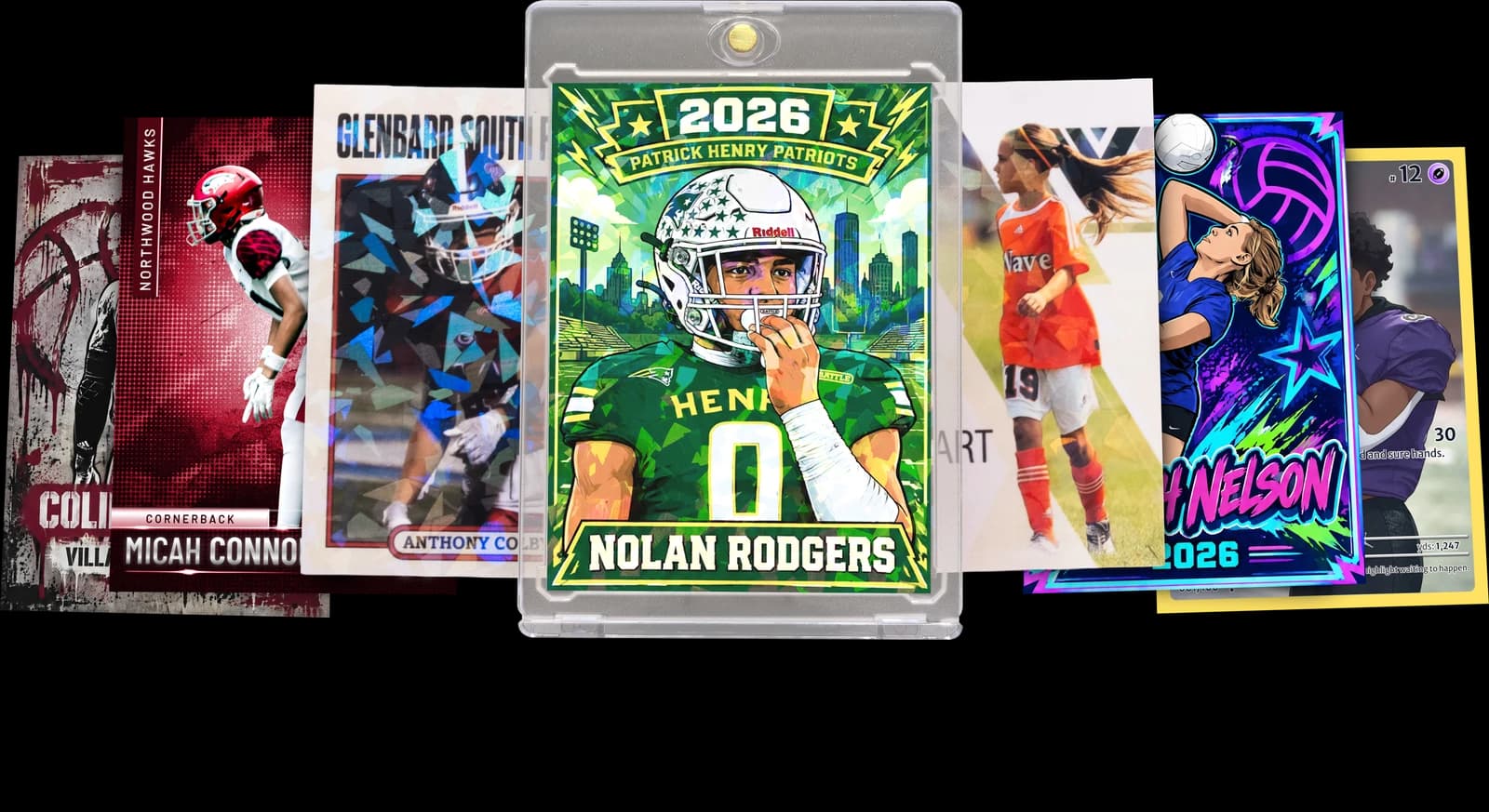
The Rookie Box
Perfect for those unforgettable moments
$17.99 - $49.99
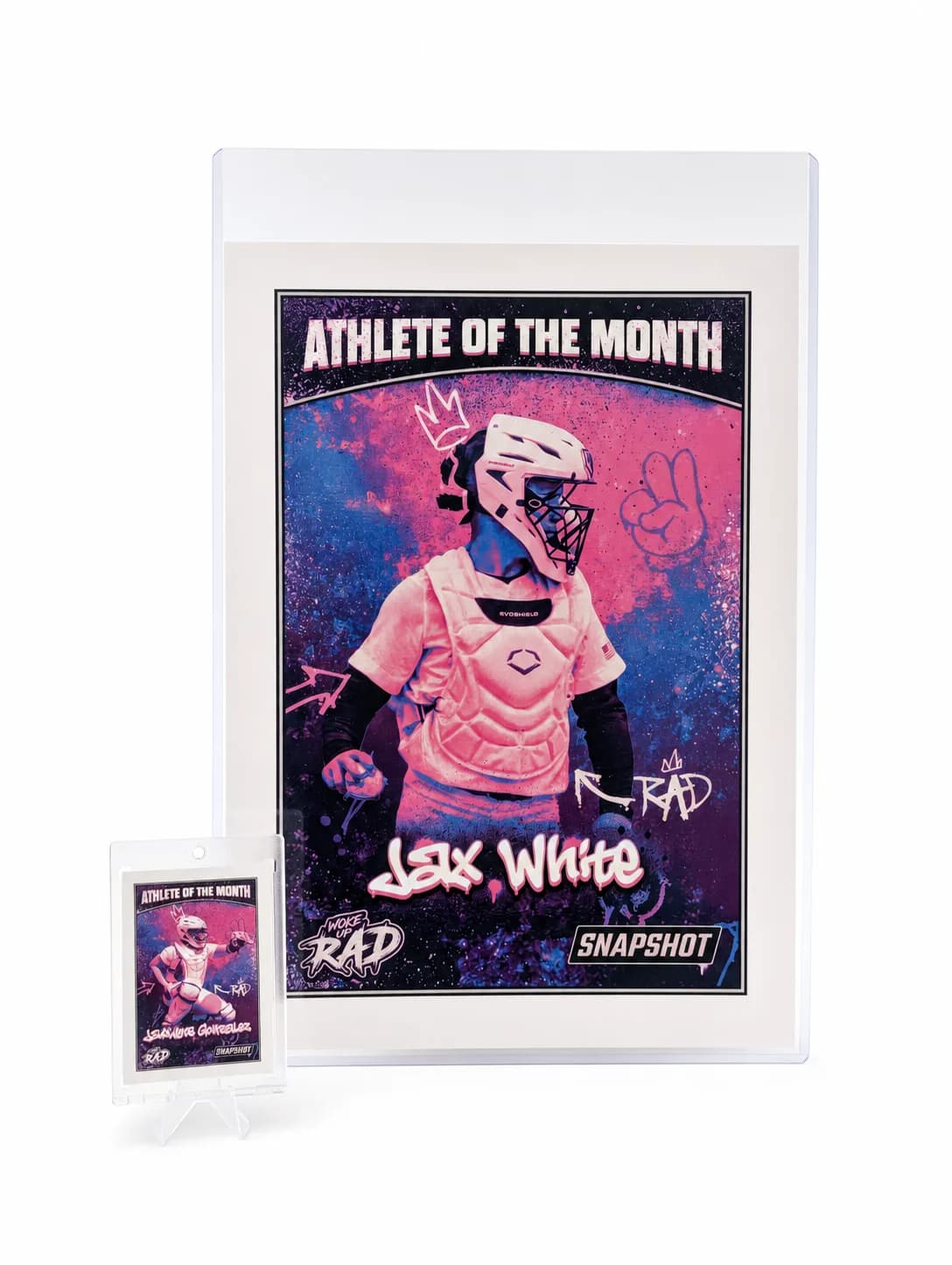
MEGA Card
Their moment, bigger than ever
$49.99
Create for free • Ships the next business day • Made in Des Moines, IA, USA
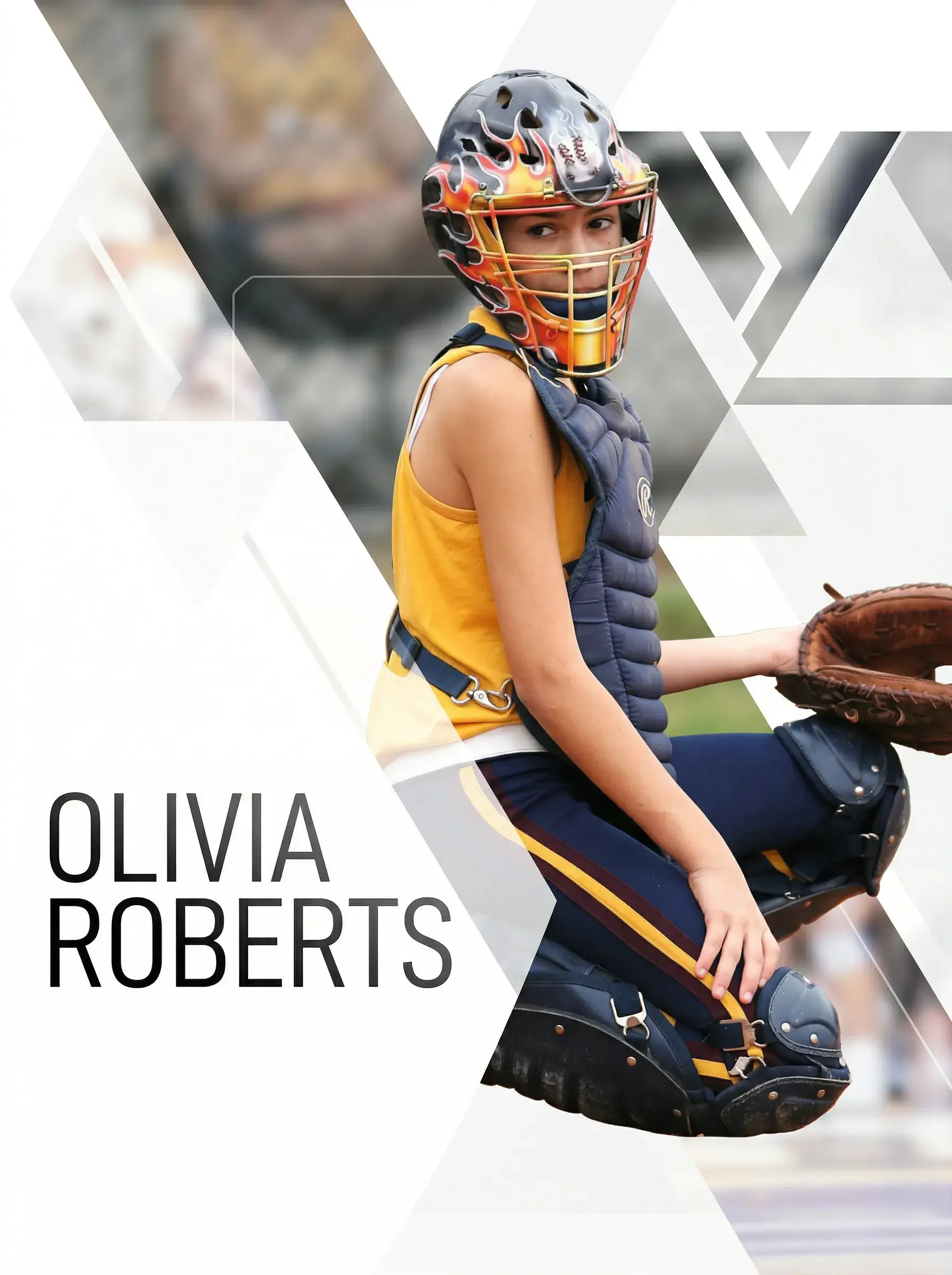
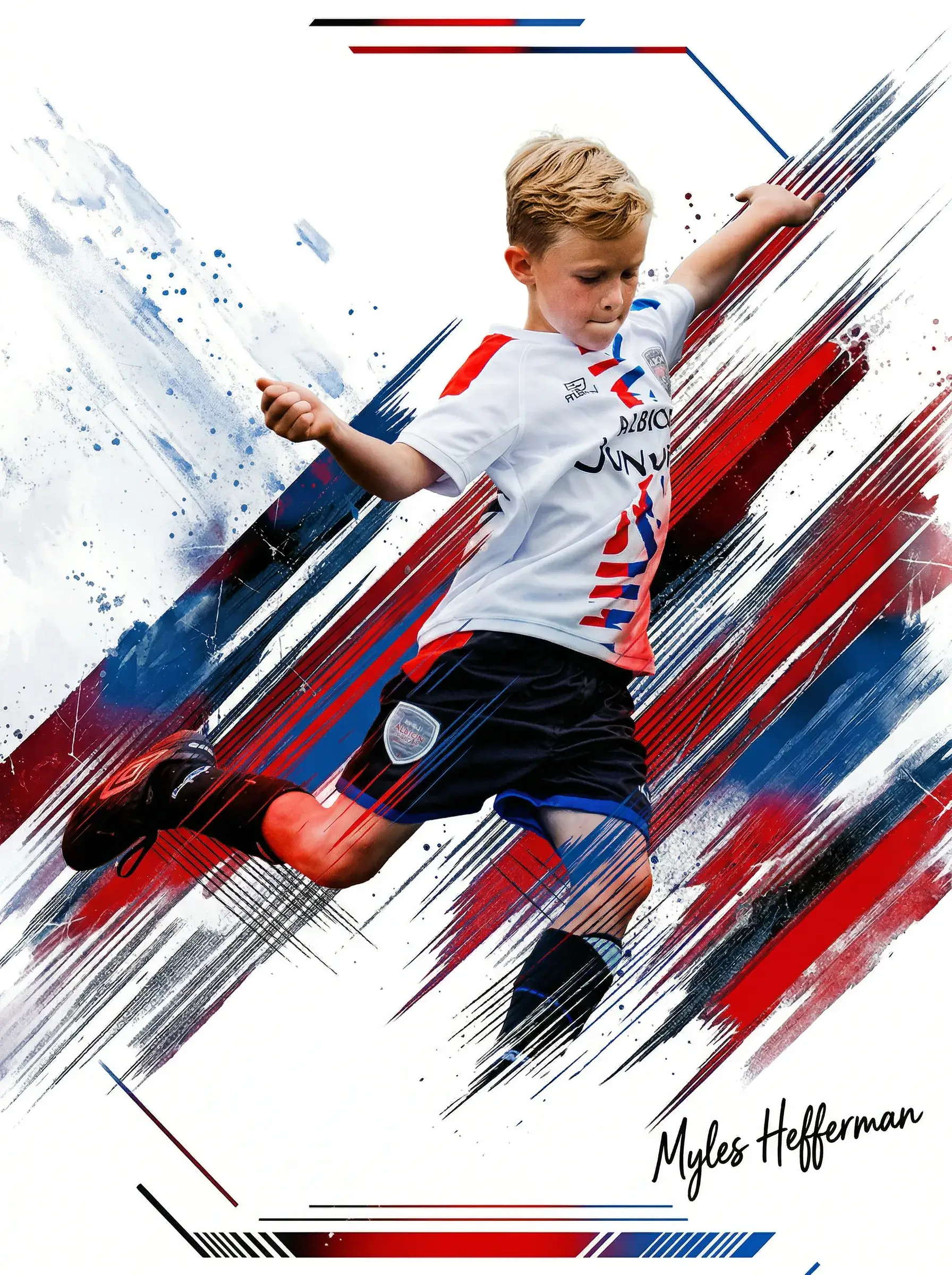
Turn Your Senior Banner Ideas Into Something They'll Actually Keep
Upload the same photo you're using for the banner and get a matching custom card, printed on professional card stock and shipped in 2-3 days with a free magnetic case. Free shipping over $30 anywhere in the USA.
Create Your Senior CardNo credit card required | Instant preview | Pro-quality designs
Explore More Card Options
Discover more custom trading card options for every sport and occasion