
What Are the Best Baseball Cards to Buy Right Now?
Somewhere between a $12 wax pack and a $10,000 rookie auto, there's a smarter answer to this question than most collectors realize.
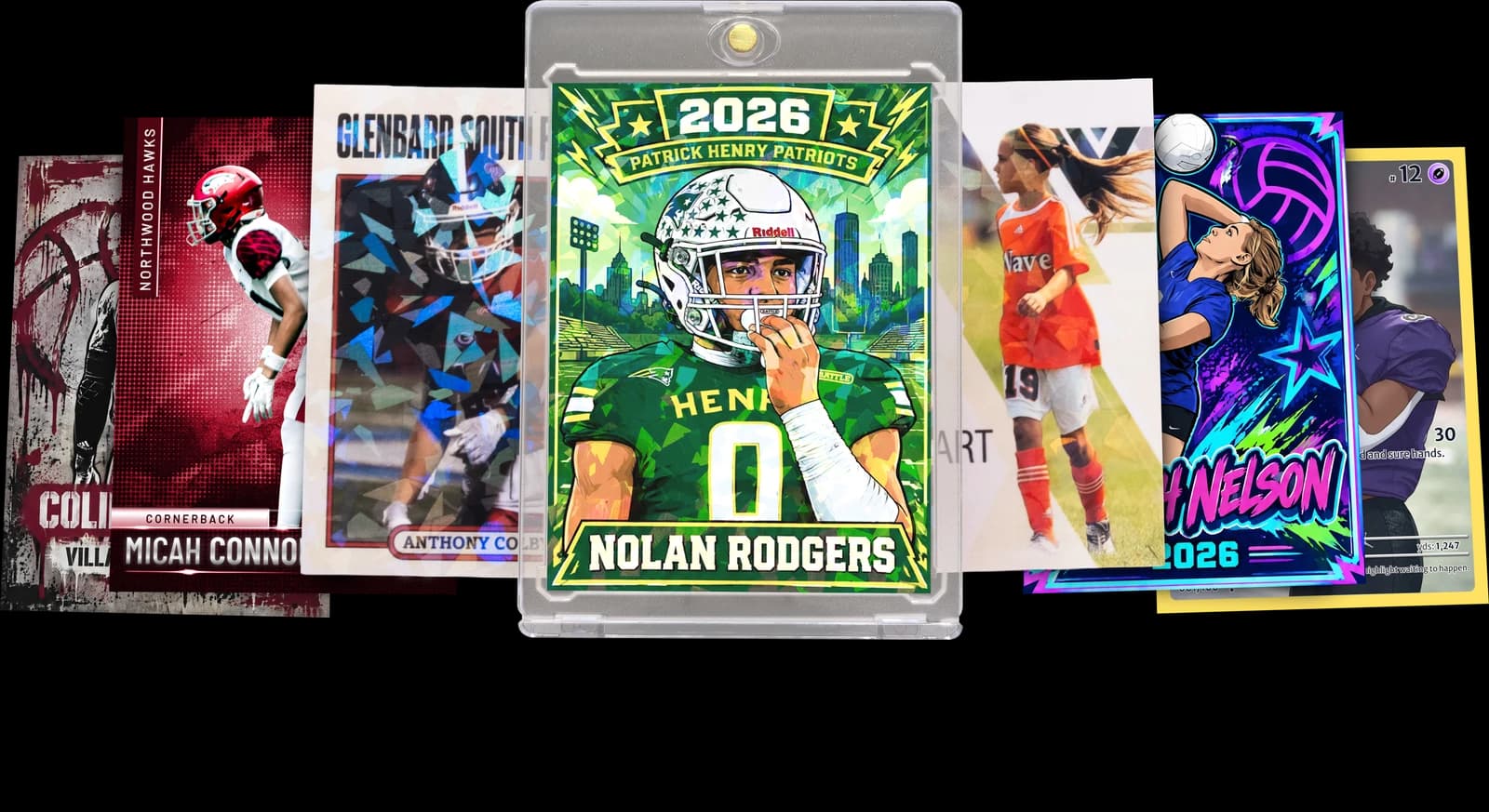
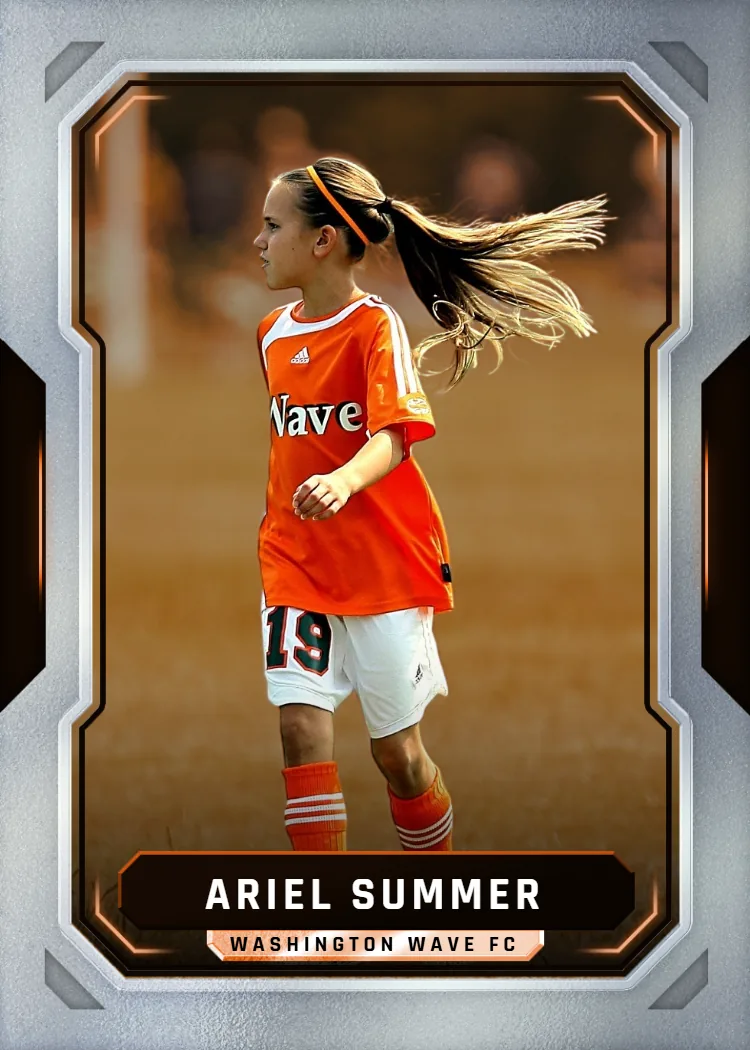
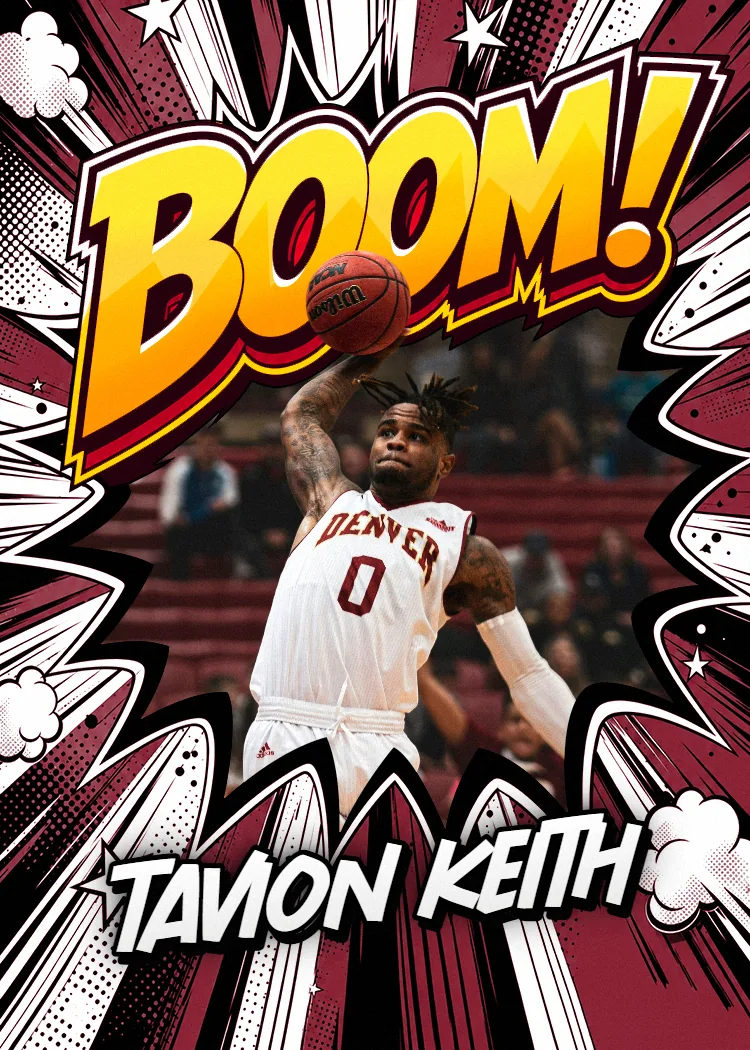
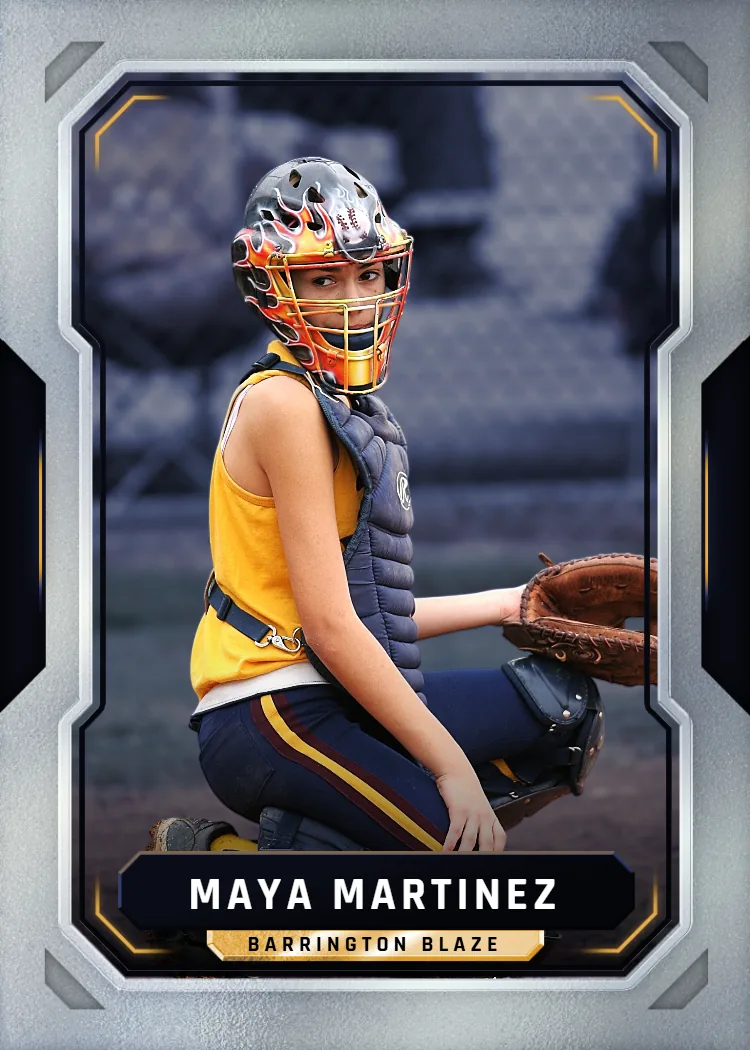
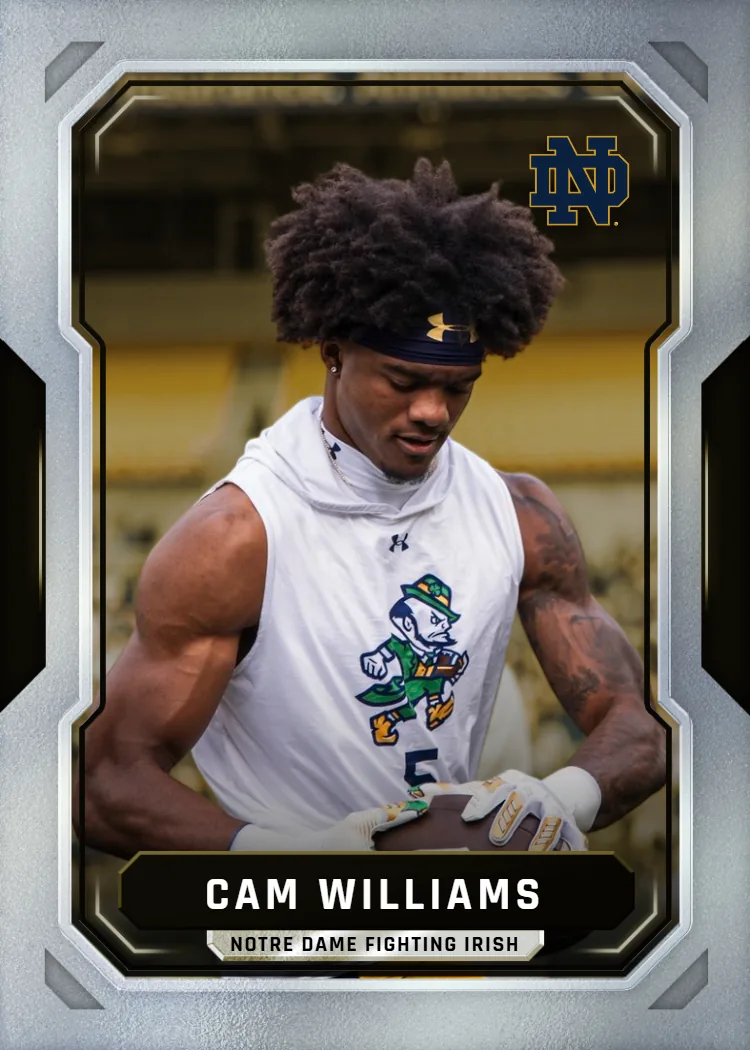
Upload a photo of your player, pet or team, choose an available template, and preview your design before ordering a printed card.
If you've typed what are the best baseball cards to buy into a search bar, you've probably landed on ten different lists, each pushing a different rookie card or graded vintage set. Some sites want you to chase Bowman Chrome prospects. Others swear by 1980s commons because they're cheap. The truth is messier — the best card for a hedge fund manager flipping investments isn't the best card for a dad who wants something to hang in his son's room. Most guides skip that distinction entirely.
This guide breaks it down by what you're actually trying to do: build value, build a collection, or build a memory. We'll walk through the traditional buying categories collectors care about, then show you an option most lists leave out entirely — turning your own baseball photos into a printed, professional card stock keepsake you actually control. No auction house needed.
Let's start with how collectors typically approach this decision, then get specific about what fits you.
We ship custom baseball cards to families, coaches, and collectors in all 50 states every week, right out of our Des Moines production facility.
What Makes One Card Choice Better Than Another?
Four factors separate a smart purchase from a regretted one — here's what actually matters.
Condition holds the value
A card's centering, corners, edges, and surface determine 80% of its resale worth. A rookie card with a bent corner can lose half its value overnight, so if you're buying for investment, condition isn't optional — it's the whole game.
Scarcity beats star power
A limited-print insert of a mid-tier player can outvalue a common card of a superstar. Print runs matter more than name recognition, which surprises a lot of new buyers who assume famous equals valuable.
Personal meaning doesn't depreciate
A custom card of your daughter's walk-off hit will never trade on eBay, but it also never loses the thing that made you want it. That's a different kind of value entirely, and it's one the resale market can't touch.
Speed and control matter more than people admit
Waiting weeks for a graded card to arrive, or bidding against strangers for a card you can't customize, gets old fast. A printed custom card ships in 2-3 days and looks exactly how you designed it — no bidding war required.
Free to design, instant preview. Free US standard shipping on orders $30+. Review delivery options at checkout.
Why Custom Cards Are Becoming Part of This Conversation
More families are printing custom cards for end-of-season banquets, birthday gifts, and holiday stockings instead of only buying packs off a shelf. It's not replacing the traditional hobby — it's filling the gap the traditional hobby never covered: cards of the people you actually watch play.
How Do You Actually Decide What Are the Best Baseball Cards to Buy?
It comes down to three questions: are you investing, collecting, or commemorating? Each path leads somewhere different.
Define your goal before you spend a dollar
Investors want scarcity and grading potential — think rookie cards with low print runs and strong player trajectories. Collectors want completeness, nostalgia, or a favorite team's full roster history. If your goal is neither of those and you just want a card that captures a specific kid, a specific season, or a specific Little League team photo, the traditional market won't serve you well. Know which lane you're in first.
Match the card type to the goal
Vintage cards (pre-1980) reward patience and authentication knowledge. Modern rookies (2015-present) reward research into prospect rankings and print numbers. Graded cards cost more upfront but hold value better. None of these options let you feature a photo you took yourself at last Saturday's game — that's a different category entirely, and it's growing fast among parents and personal collectors.
Decide between buying existing cards or creating your own
If the player already has an established card, you're bidding against the market. If the player is your kid, your rec-league buddy, or yourself in a beer-league uniform, no market exists — you make the card. Uploading a photo to a template-based printing service gets you a card that looks pro-grade, ships in 2-3 days, and costs a fraction of a graded rookie.
Once you know your lane, the actual shopping gets a lot faster and a lot less stressful.
Traditional Cards vs. Custom Printed Cards
| Factor | Custom | Traditional |
|---|---|---|
| Cost | $17.99 flat for a single card | $5 to $5,000+ depending on rarity |
| Turnaround | 2-3 days, free shipping over $30 | Days to weeks, longer for grading |
| Subject | Any photo you upload | Licensed pro players only |
| Resale value | Personal, not market-driven | Tied to player and market demand |
| Best for | Personal keepsakes and gifts | Investors and set collectors |
Who's Actually Buying Baseball Cards Right Now?
The market splits into three fairly distinct groups, and each one shops differently.
The long-term investor
This buyer researches prospect rankings, tracks print runs, and pays for third-party grading before a card ever touches a sleeve. They're patient, and they treat cardboard like a stock portfolio. They're also a small slice of the total market, even though they get most of the headlines.
The nostalgic collector
This person wants the 1987 Topps set they remember from childhood, or every card from their hometown team's championship run. They're buying for feeling as much as value, and they'll happily pay for a common card if it fills a gap in their binder.
The personal-memory buyer
This is the parent, grandparent, or player who wants a card of an actual person they know — a Little League season, a high school senior night, a beer-league championship photo. No existing market card exists for these moments, so a custom-printed card, made from an uploaded photo on real card stock, becomes the only real option.
What Should You Expect to Pay?
Prices swing wildly across the hobby, but custom cards stay predictable no matter who's on them.
A single custom card runs $17.99, packs go up to $49.99, and the oversized 11x15 MEGA poster card is $49.99. Production takes one business day; shipping time is quoted at checkout for your address.
Compare that to a graded rookie card running anywhere from $50 to $5,000 with no guarantee of future value, and a flat, predictable price starts looking pretty good.
Box Options
Simple, collectible pricing. No subscriptions, no hidden fees.
The Rookie Box
Perfect for those unforgettable moments
$17.99 - $49.99
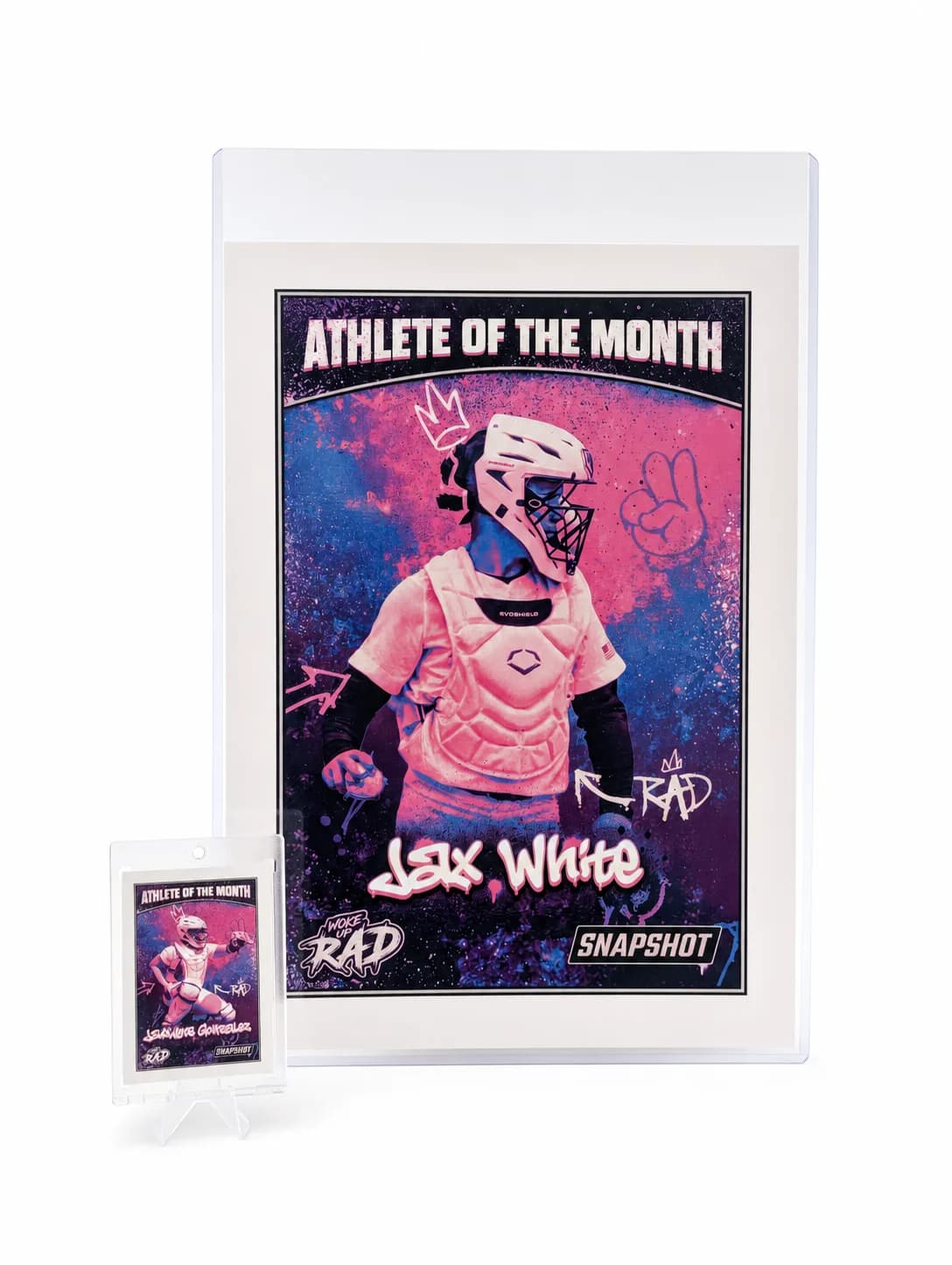
MEGA Card
Their moment, bigger than ever
$49.99
Create for free • Ships the next business day • Made in Des Moines, IA, USA
Frequently Asked Questions
Are vintage baseball cards a better investment than modern ones?
It depends entirely on condition and player relevance, not just age. A beat-up 1975 common card is worth far less than a pristine, well-centered modern rookie of a player having a breakout season, so 'vintage' alone doesn't guarantee value. Vintage cards do carry nostalgic weight and historical scarcity, since fewer of them survived in top condition, which can push prices up over decades. Modern cards, on the other hand, benefit from print-run transparency — companies now publish exact numbers, so you know precisely how rare a card is the day it's released. That said, modern print runs can also be huge, meaning a card everyone assumes is valuable might actually be common. If you're buying purely for investment, research the specific player, the specific set, and the specific print run rather than trusting a blanket rule about eras. Vintage rewards patience and authentication skill. Modern rewards research and timing. Neither is automatically the smarter buy without doing the homework first.
Should I buy graded or ungraded baseball cards?
Graded cards cost more upfront but come with a professional condition assessment locked in a tamper-proof case, which protects resale value and buyer confidence. Ungraded cards are cheaper and give you flexibility, but you're trusting your own eye — or the seller's word — on condition, which can backfire if you're not experienced. If you're buying purely to invest or resell later, grading is usually worth the extra cost, especially for anything over $100 in value. If you're buying for personal enjoyment, to complete a set, or as a gift, grading often isn't necessary and just adds expense without adding meaning. There's also a middle path a lot of buyers forget about: cards that were never meant for resale in the first place, like custom-printed cards of a specific player or moment. Those don't need grading because they're not traded on a market — their value is personal, not financial. Think about your end goal before paying grading fees you might not need.
What's the difference between buying cards and making custom baseball cards?
Buying cards means purchasing something that already exists — a rookie card, a vintage common, a graded superstar — and you're competing with every other buyer for that same piece of cardboard. Making a custom card means uploading your own photo, picking a professional template, and printing a card that's never existed before, featuring someone the market doesn't track at all. There's no bidding, no scarcity anxiety, and no waiting on an auction to close. The turnaround is also completely different — a custom card typically ships in 2-3 days, while sourcing a specific vintage or graded card can take weeks of searching and negotiating. Price-wise, custom cards are flat and predictable, starting around $17.99, while market cards range from a few dollars to thousands depending on demand. The two aren't really competing products; one satisfies collecting and investing goals, the other satisfies personal and sentimental ones. A lot of collectors end up doing both, buying market cards for their portfolio and printing custom ones for family memories.
How do I know if a baseball card is actually valuable?
Value comes down to a combination of player performance, print run size, condition, and current market demand, and none of those factors work in isolation. A rookie card of a player who later becomes a Hall of Famer will always outperform a rookie of someone who fades out after two seasons, so player trajectory matters enormously. Print run size tells you how many copies exist — lower numbers generally mean higher scarcity and higher potential value, assuming demand stays steady. Condition affects everything, since even a rare card loses most of its worth with bent corners or off-center printing. Market demand shifts constantly too, tied to a player's current performance, awards, or even off-field news, so a card's value today isn't guaranteed tomorrow. The safest way to check real value is comparing recent completed sales on major marketplaces rather than trusting asking prices, which are often inflated. If you're new to this, it's worth researching a specific card before buying rather than assuming age or player fame automatically means value.
Can I make a baseball card of myself or my kid?
Yes, and it's actually one of the fastest-growing reasons people search for baseball card options at all. You upload a photo — batting stance, team photo, celebration shot, doesn't matter — choose from pro-style templates modeled after real trading card designs, and the card gets printed on professional card stock. It ships in 2-3 days with a free magnetic case included, so there's no long wait like you'd face sourcing a rare market card. Parents do this constantly for end-of-season gifts, senior night keepsakes, or just because their kid hit a walk-off homer and deserves a card to prove it. Adults do it too, for beer-league teams, fantasy league trophies, or throwback jerseys from high school ball. Unlike buying an existing card, there's no research needed on print runs or grading standards — you control exactly what the card looks like. It's a completely different category from investment buying, built entirely around personal meaning rather than market value.
What baseball card brands are considered the most reliable?
Topps has held MLB's official licensing for decades and remains the benchmark most collectors compare everything else against, particularly for flagship sets and rookie cards. Bowman, also owned by Topps, specializes in prospects and is the go-to brand for collectors chasing a player before he even reaches the majors. Panini produces baseball cards too, though without an official MLB logo license, which affects some collectors' willingness to invest heavily in those sets. Upper Deck built a strong reputation decades ago but has scaled back baseball production significantly since losing certain licensing rights. Beyond the big four, smaller specialty brands exist for niche collecting, though liquidity and resale demand tend to be lower. None of these brands, though, cover custom or personal cards — that space belongs to printing services built specifically for photo-based cards rather than licensed player sets. If your goal is investing in officially licensed players, stick with Topps or Bowman. If your goal is a card of someone the big brands will never produce, that's a separate path entirely.
How much should I spend on my first baseball card purchase?
Start small — somewhere between $20 and $50 is plenty to learn the basics without real financial risk. A factory-sealed pack or small box lets you experience opening cards, evaluating condition, and understanding print runs firsthand, which teaches you more than any article could. Resist the urge to chase a single expensive rookie card right out of the gate, since new collectors often overpay simply because they don't yet recognize inflated pricing. If your interest is more personal than investment-driven, that same $20-$50 budget covers a custom single card or even a small pack of custom cards featuring your own photos, which gives you something guaranteed to matter regardless of market trends. Many people actually split their early budget — a little into a starter pack for the traditional hobby, and a little into a custom card project for something personal. That combination tends to keep the hobby fun rather than stressful. You can always scale up spending once you understand what you actually enjoy collecting.
Do custom baseball cards hold resale value like traditional cards?
Generally, no — and that's actually fine, because that's not what they're built for. Traditional cards derive value from scarcity, player performance, and market demand across thousands of collectors competing for the same limited inventory. Custom cards feature people who aren't part of that market — your son, your rec-league team, your own softball season — so there's no external demand driving a resale price. What custom cards offer instead is guaranteed personal value that never depreciates, since the meaning comes from the photo and the moment, not from speculation. Think of it less like a stock investment and more like a printed photograph with better production value — nobody expects a family photo to appreciate, but nobody regrets having a nice one either. If you want both categories, that's common — a market-driven investment card sits in a binder while a custom card sits in a frame on a shelf. They're solving two completely different problems, and comparing their resale potential misses the actual point of buying one.
What should I look for when buying a rookie card?
Focus first on the player's trajectory — is this someone with a clear path to significant playing time, or a longshot prospect buried in the minors? Print run numbers matter enormously too, since a rookie card limited to 500 copies behaves very differently in the market than one printed in the tens of thousands. Condition is non-negotiable; even a highly-touted prospect's rookie card loses most of its value with rough corners or poor centering. Check whether the card is licensed by MLB, since unlicensed cards from certain brands tend to carry less long-term collector interest. It also helps to buy rookie cards early in a player's career when prices are lower, rather than chasing them after a breakout season drives demand up. Patience matters here — plenty of hyped rookies never pan out, while quieter prospects sometimes become stars years later. If you're buying purely on hype without research, you're gambling more than investing, so treat rookie card buying as a long game rather than a quick flip.
Free to design, instant preview. Free US standard shipping on orders $30+. Review delivery options at checkout.
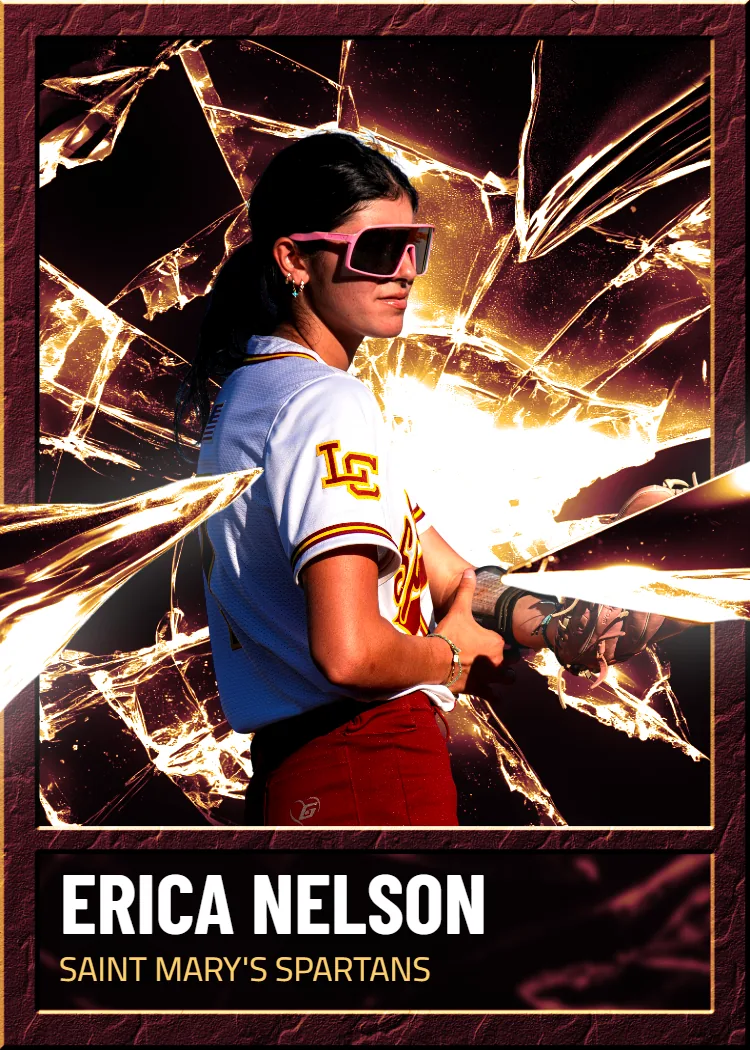
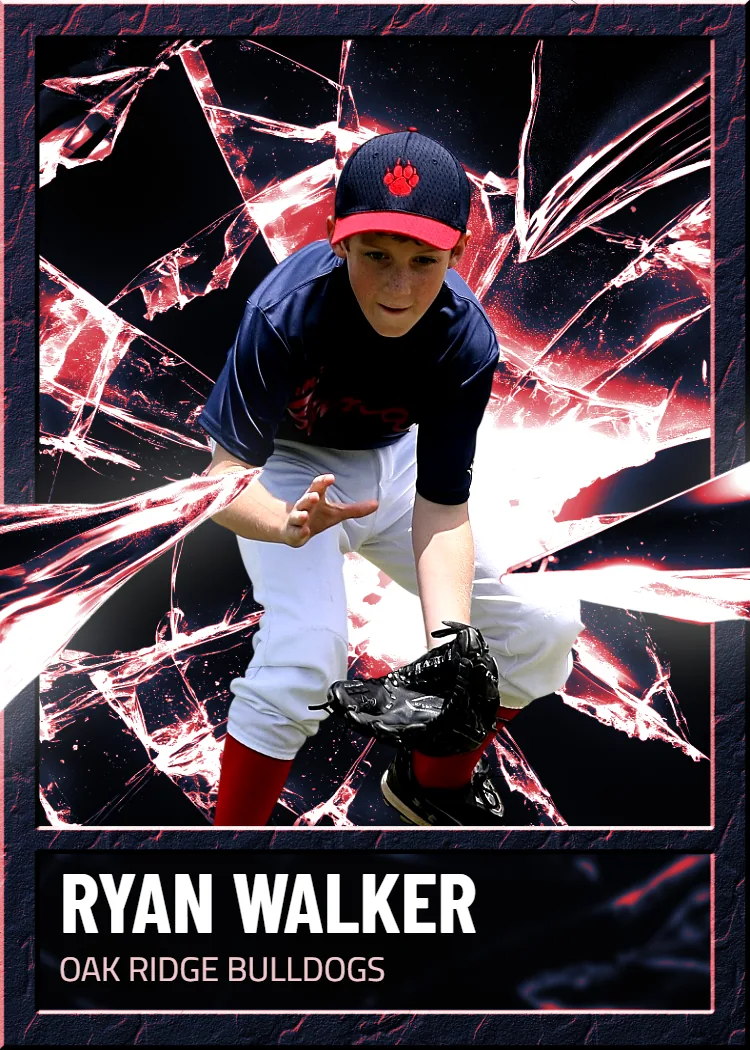
Still Wondering What Are the Best Baseball Cards to Buy? Make Your Own
Skip the bidding wars and the guessing games. Upload a photo, pick a template, and get a professional card stock baseball card shipped in 2-3 days with a free magnetic case — no auction required.
Create Your Card NowNo credit card required | Instant preview | Pro-quality designs
Explore More Card Options
Discover more custom trading card options for every sport and occasion