
Are Panini Football Cards Worth Anything? Myth vs. Fact
A shoebox of Panini football cards can hold $2 worth of cardboard or a $2,000 rookie patch. The difference isn't luck.
Upload a photo of your player, pet or team, choose an available template, and preview your design before ordering a printed card.
Most people asking are panini football cards worth anything already suspect the honest answer: probably not much, at least not the base cards from a random pack bought at a drugstore. Panini floods the market with millions of copies every season, and mass production is the enemy of resale value. Parallels, numbered rookies, and autographed patches can be worth real money, but they're a small slice of what actually gets printed. The rest sits in binders, doing nothing but collecting dust and the occasional nostalgic glance.
That's not necessarily bad news. It just means value and meaning aren't the same thing. If you're chasing resale cash, you'll need to know grading, rookie tiers, and print runs cold. If you want a card that actually means something — a photo of your kid's touchdown, your fantasy league championship, your own high school highlight reel — you can build that yourself, no wax pack gamble required.
Let's separate the myths from the facts, then look at an option that skips the guesswork entirely.
We ship custom cards to families and teams in all 50 states every week, and questions about Panini card value come up constantly in our customer conversations.
Frequently Asked Questions
How do I know if I have a rare Panini football card?
Look for a serial number printed directly on the card, usually in the format 12/99 or similar, which tells you exactly how many copies exist worldwide. Cards without a serial number are almost always base or common parallels, no matter how shiny or colorful the design looks. Next, check for an autograph or a piece of game-worn jersey embedded in the card — these are called patch autos and they carry real value even in low grades. Set name matters too; National Treasures, Flawless, and Immaculate are Panini's high-end products and their rookie cards command far more than base Donruss or Score. Rookie year matters enormously, since rookie cards of a player who later becomes a star can be worth 10-50 times more than the same player's second or third year cards. If your card checks several of these boxes — numbered, patch or auto, premium set, rookie year — it's worth researching further on recent sold listings before assuming it's just another common.
What's the difference between a Panini card's book value and what it actually sells for?
Book value, or the number listed in old-school price guides and some online databases, is often wildly inflated compared to real sale prices. These guides tend to reflect optimistic asking prices rather than what buyers actually pay, and they rarely update fast enough to reflect a player's current performance or public perception. The only reliable number comes from filtering eBay or a similar marketplace for completed, sold listings in the same condition and parallel as your card. Even then, prices swing based on timing — a card can double in value the week after a big game and drop just as fast the following season. Grading also changes the math substantially, since a PSA 10 can sell for five to ten times what the same card sells for raw. If you're using a price guide as your only source, you're probably overestimating. Cross-check against at least ten recent actual sales before you trust any number, whether it's from a guide, an app, or a friend who collected cards in the 90s.
Should I get my Panini football cards graded?
Only if the card is already worth a meaningful amount raw, generally somewhere north of $75-100, since grading fees eat into profit fast on cheaper cards. Standard grading turnaround runs several weeks to a few months depending on the service tier you choose, and fees typically range from $15 to $50 or more per card. A PSA 9 or 10 grade can multiply a card's value significantly, sometimes five to ten times the raw price, but a lower grade like a 6 or 7 might barely cover the submission fee. Before submitting, examine the card closely under good lighting for corner wear, surface scratches, and centering issues, since these are the main factors that tank a grade. It also helps to research how that specific card has graded historically — some print runs have notoriously bad centering, which caps most copies at a 7 or 8 no matter how careful you are. If you're on the fence, hold off and research more sold comps first. Grading is a one-way door; you can't undo a submission once it's sent in.
Why don't Panini cards from the 2000s and 2010s seem to be worth much?
Overproduction is the main culprit. Panini and its predecessor licensors printed enormous quantities of cards throughout the 2000s and 2010s, flooding the market with supply that still hasn't been absorbed by collector demand. Unlike vintage cards from the 1950s through the 1980s, which had far smaller print runs and higher attrition from decades of handling, modern cards from this era were often bought in bulk by speculators who kept them in pristine condition, meaning even mint copies are common today. Add in a generation of collectors who moved toward digital collectibles and online communities for a while, and demand softened further during parts of this period. There are pockets of exception, certain short-printed inserts, rookie autographs, and low-numbered parallels from these years do hold value, sometimes significant value if the player became a star. But the bulk base card production from this era is genuinely some of the least valuable material in the modern hobby, and that's unlikely to change soon given how much supply is still sitting in collections nationwide.
Can I sell a box of old Panini football cards for a lump sum?
You can, but expect a bulk offer to reflect the average value of the whole box, not the value of any standout card you might be picturing. Buyers who purchase bulk lots are usually looking to sort through hundreds of commons for the rare hit, and they'll price accordingly, often just a few cents to a dollar per card unless something clearly valuable is visible on top. If you suspect there are a few valuable rookies or autographs mixed in, it's worth sorting through the box yourself first and pulling those cards to sell individually. Selling individually takes more time and effort, listing each card, photographing it, waiting for a buyer, but it typically nets significantly more money for anything actually rare. Local card shops will sometimes make lump sum offers too, though they need margin to resell, so expect their number to be lower than what you'd get selling directly to collectors online. If the collection is mostly sentimental rather than valuable, selling in bulk for a modest amount can still be the right call if it clears space and you're not emotionally attached to individual cards.
Are unopened Panini football card packs worth more than opened ones?
Generally yes, sealed wax holds a premium over the same cards opened, because sealed product carries the possibility of a big hit and hasn't been picked over. Collectors who buy sealed boxes or packs are often gambling on pulling a valuable rookie or autograph, and that speculative value adds a markup compared to buying the same cards individually after they've been opened and sorted. Older sealed wax, especially from the 1990s, can carry substantial premiums since original packaging from that era is increasingly scarce and prone to damage over time. That said, sealed product from just a few years ago usually isn't worth dramatically more than its contents unless the set had a genuinely hot rookie class. It's also worth remembering that opening a pack destroys any collectible-packaging value permanently, so if you're unsure whether to open something, do your research on that specific product first. Once it's open, there's no going back, and a sealed pack sitting untouched for a decade sometimes appreciates more than its contents would have individually.
What Panini football sets are actually worth collecting for value?
Panini's premium tier products tend to hold the most consistent value, things like National Treasures, Flawless, Immaculate Collection, and high-end Contenders autographs. These sets feature lower print runs, on-card autographs rather than stickers, and game-worn memorabilia patches, all factors that drive real collector demand. Mid-tier sets like Prizm and Select can also hold value, particularly numbered parallels and rookie cards of players who go on to have strong careers. Base Donruss and Score sets, on the other hand, are mass-market products meant for accessibility and fun rather than long-term investment, and their base cards rarely appreciate meaningfully. If you're buying with resale in mind, stick to rookie-year premium products and always check recent sold prices before assuming a set's reputation guarantees value. If you're collecting for enjoyment, though, the cheaper mass-market sets are still a completely valid and much more affordable way to follow your favorite players and teams.
Is it better to keep Panini football cards as an investment or just for fun?
For the overwhelming majority of collectors, cards make far more sense as a hobby than a financial strategy, since most cards never appreciate enough to outpace what you'd earn just leaving that money in a basic savings account. The cards that do appreciate significantly are a small percentage of total production, and picking winners in advance requires deep knowledge of prospects, print runs, and market timing that most casual collectors don't have time to develop. That said, treating cards purely as fun doesn't mean value is irrelevant, it just means your expectations should be realistic. Enjoy the process of collecting your favorite team or player, keep an eye on standout rookies just in case, and don't be surprised if the bulk of your collection never sells for much more than you paid. If you genuinely want an investment vehicle, cards are a volatile and illiquid one compared to more traditional options, and should probably be a small, fun allocation rather than a serious plan. Collecting because you love football will always pay off in enjoyment, even when it doesn't pay off in dollars.
How can I create a card of my own player that will always mean something, regardless of resale value?
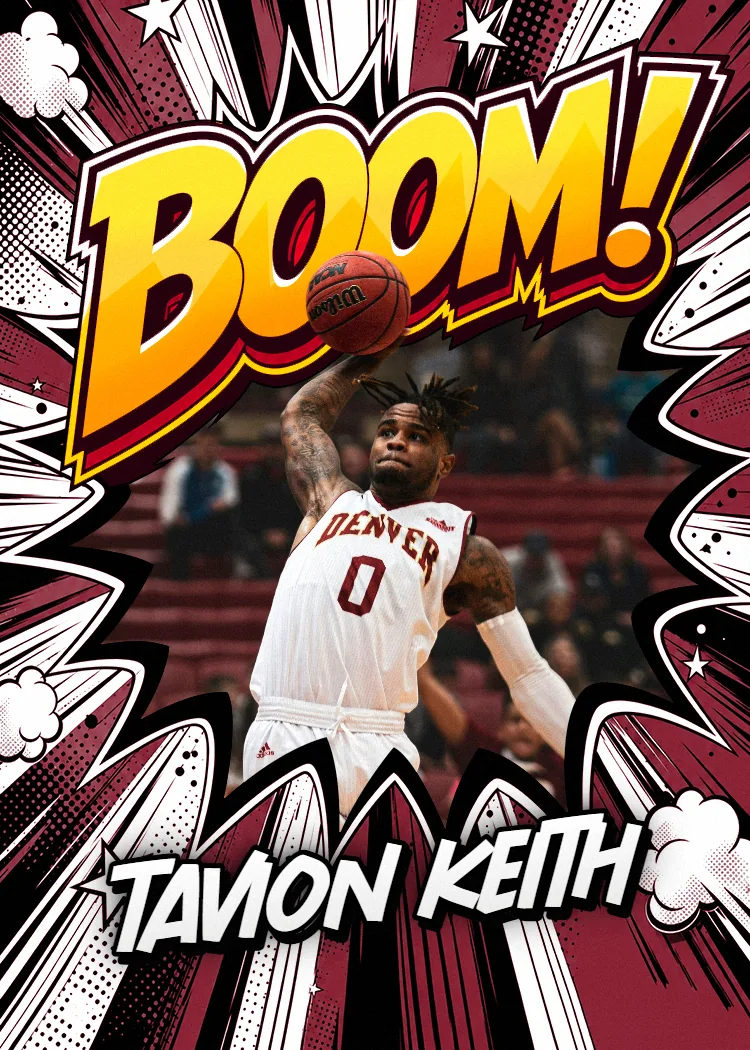
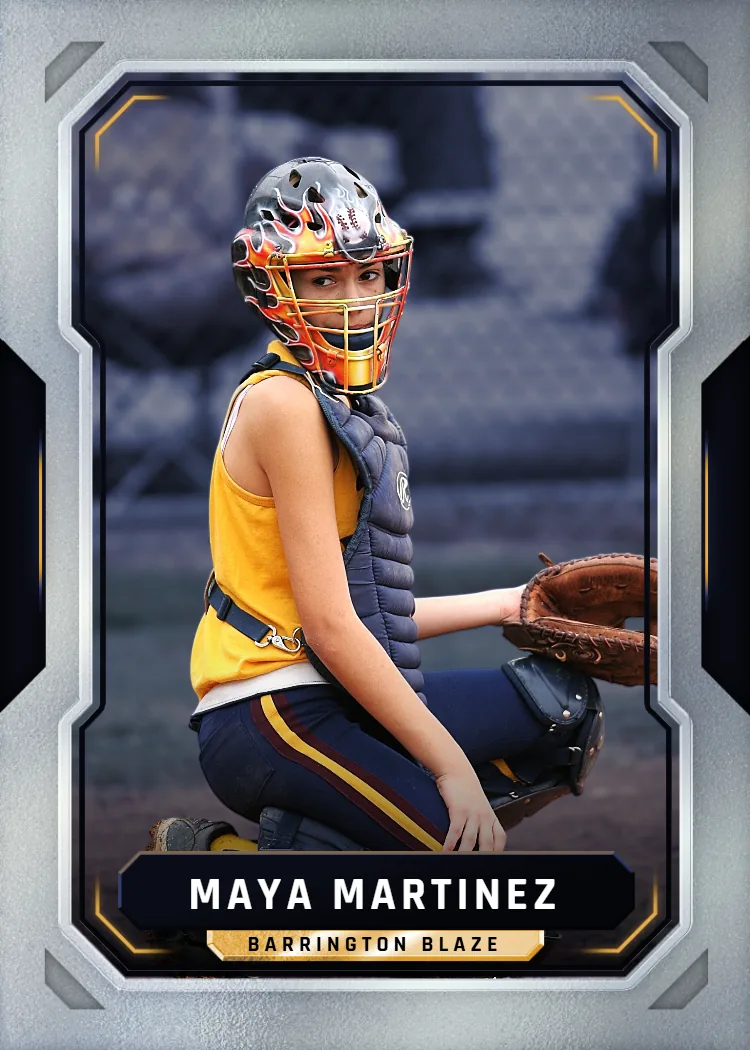
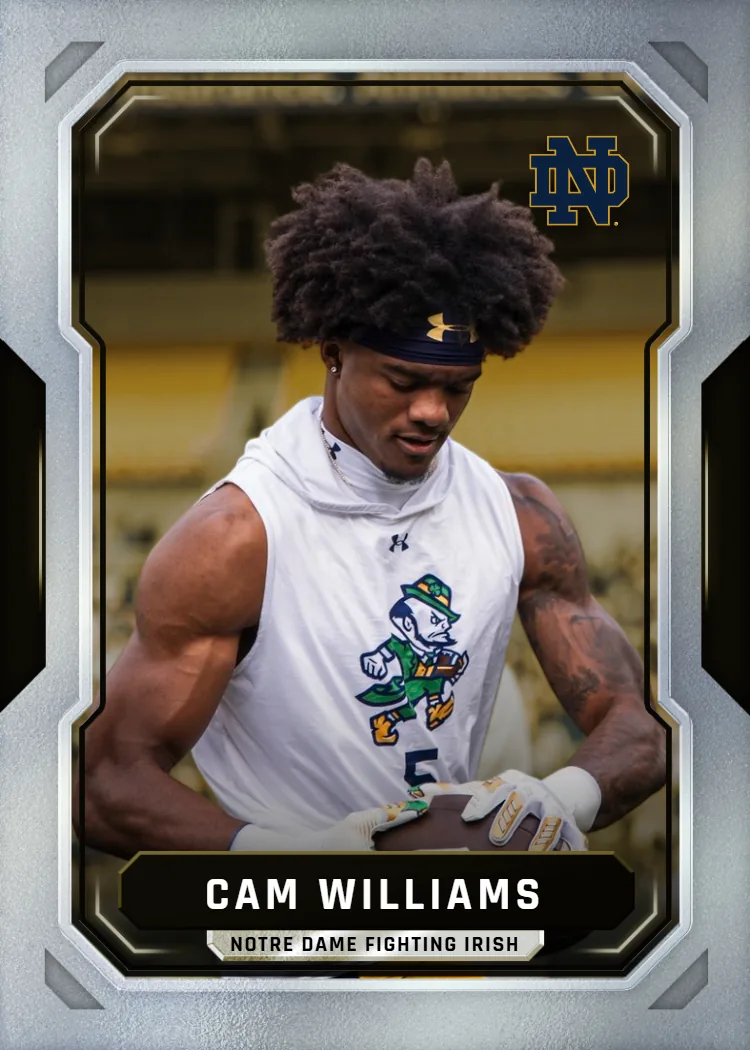
This is exactly the gap custom cards fill, and it's a completely different question than are panini football cards worth anything. With Snapshot, you upload a photo of your player, whether it's a high school QB, a youth flag football standout, or your own game photo from years back, and choose from pro-style templates modeled after real sports card designs. Production takes one business day; shipping time is quoted at checkout for your address. Unlike a Panini pack, there's no gamble involved, you know exactly what card you're getting because you designed it yourself around a moment that already matters to you. Pricing starts at $17.99 for a single card, with multi-card packs up to $49.99 and a large 11x15 inch MEGA poster card also at $49.99. This kind of card won't show up in a price guide, and it was never meant to. Its value is that it exists at all, capturing a specific season or moment that mass-produced cards simply can't replicate.
Do Panini football cards of high school or youth players exist?
No, Panini's licensing agreements are with the NFL, NFLPA, and major college programs, which means their card products only feature professional and some college athletes who have signed off on licensing deals. Youth leagues, high school teams, and most college programs outside of the biggest names simply aren't part of that licensing structure, so there's no official Panini product covering them. This is exactly why so many parents and players turn to custom card services instead, since it's the only realistic way to get a trading-card-style keepsake of a youth or high school season. If you're searching for whether your kid's Pop Warner or JV card is worth anything, the honest answer is that it doesn't exist as a mass-produced product to have value in the first place. A custom card fills that space directly, using your own photos and choosing from card templates modeled on the pro designs collectors already recognize. It won't carry resale value the way a licensed rookie card might, but it captures something a licensed product never could: a specific, personal season.
What should I do if I think I have a genuinely valuable Panini football card?
Start by identifying it completely, player name, year, set, parallel type, and serial number if one is printed on the card, since even small details change value dramatically. Next, search completed and sold listings on eBay for the exact same card, filtering by condition as closely as possible to your own copy, and look at at least ten recent sales rather than one outlier. If the raw value looks like it's above roughly $75-100, consider getting it professionally graded, since a strong grade can multiply the sale price significantly. Take clear, well-lit photos of the front, back, and any edges or corners with visible wear, since buyers and grading services both rely heavily on visual condition assessment. Avoid cleaning, pressing, or altering the card in any way, since this can be considered tampering and will hurt resale value rather than help it. If the numbers check out and the card is genuinely valuable, selling through a specialized auction house or dedicated card marketplace usually nets more than a general marketplace, especially for high-value patch autos or rare parallels.
Why do some Panini rookie cards spike in value so fast during the season?
Rookie card prices are tied directly to a player's on-field performance and public perception, and both can shift dramatically within a matter of weeks during an active NFL season. A strong opening game, a viral highlight, or a surprise starting role can send demand for that player's rookie cards climbing fast, sometimes doubling or tripling in price within days of a breakout performance. The reverse happens too, an injury, a benching, or a disappointing stretch of games can cause prices to drop just as quickly as they rose. This volatility is part of why timing matters so much if you're considering selling a rookie card, since holding too long during a slump or selling too early before a breakout can both cost you significantly. It's also why price guides and book values are almost useless for rookies during an active season, since they can't update fast enough to reflect real-time market shifts. If you're sitting on a hot rookie card, checking sold prices weekly rather than assuming last month's number still applies is a smart habit to build.
Free to design, instant preview. Free US standard shipping on orders $30+. Review delivery options at checkout.
How Do You Actually Check If Panini Football Cards Are Worth Anything?
Checking value takes three steps, and skipping any one of them leads to bad guesses.
Identify the exact card
Find the player, year, set name (Prizm, Donruss, Absolute, Contenders), card number, and any parallel or serial number printed on the card. Two cards that look nearly identical — same player, same year — can have wildly different values if one is a numbered parallel and the other is a base card. This is the step people rush, and it's why so many searches for value come back wrong.
Check recent sold prices, not listings
Go to completed eBay sales, not active listings — anyone can list a card for $500, that doesn't mean it sold for that. Filter for the same year, set, and condition, and look at the last 10 actual sales. Active asking prices are wishful thinking; sold prices are the market telling you the truth.
Factor in condition and grading
A raw, ungraded card in rough shape (soft corners, surface scratches) is often worth 70-90% less than the same card graded a PSA 9 or 10. Grading costs $15-50+ per card and takes weeks to months, so it only makes financial sense on cards already worth well over $100 raw. For everything else, condition mostly matters for pride of ownership, not resale.
Do that homework and you'll have a real number, not a guess pulled from a price guide.
What You Gain by Knowing the Real Value Before You Sell or Keep
Understanding actual value protects you from two mistakes: selling a hidden gem for pennies, or holding onto common cards expecting a payday that isn't coming.
You stop overestimating your collection
Most Panini base cards from the last decade are worth under a dollar individually, even in bulk. Knowing this early saves you the disappointment of an appraisal that doesn't match childhood memory.
You spot the real winners faster
Numbered parallels, rookie patch autos, and low-print insert cards make up the tiny percentage that actually moves. Learning to spot the markers — /99, /25, patch swatches, on-card autos — means you won't accidentally toss a valuable card in a donation box.
You make better decisions about grading
Not every card deserves the grading fee. Knowing rough market value first means you only submit cards where a PSA 9 or 10 grade would meaningfully increase the payout.
You free yourself to collect for meaning, not money
Once you accept most cards are sentimental rather than financial assets, you can focus on what actually made you love the hobby — the memory, the player, the moment — instead of chasing a market that rarely rewards casual collectors.
Who's Actually Asking This Question, and Why It Matters
The question shows up in a few very different situations, and the right next step depends on which one you're in.
Cleaning out an old collection
Someone inherited a box of 1990s-2010s Panini and Donruss football cards from a parent or grandparent and wants to know if it's worth appraising or just worth keeping for sentimental reasons. In most cases it's a mix of both — a few sleeper cards worth checking, and a hundred others better suited for a memory box than a resale spreadsheet.
Parents of youth football players
A parent whose kid plays Pop Warner or high school ball wants a card that captures this season specifically. Panini doesn't make cards of youth or high school athletes, so resale value isn't even part of the equation — the goal is a keepsake, not an investment.
Fantasy football and casual fans
Someone pulled a numbered rookie parallel from a pack and wants to know if it's worth grading or selling before the season ends and the player's stock shifts. Timing matters here more than almost any other factor — rookie value can swing hard based on a single breakout game.
What We See Across Thousands of Custom Card Orders
We print custom cards for families, coaches, and league organizers across every level of football, from flag league standouts to college walk-ons. What we hear consistently is that people care less about resale price and more about having a card that actually shows their player, their team, their season. That's a different kind of worth than a price guide will ever list.
What It Costs to Make a Card Worth Something to You
Custom cards start at $17.99 for a single card, with multi-card packs running up to $49.99 and a large-format MEGA card also priced at $49.99.
Rookie Box single card $17.99, packs up to $49.99, MEGA 11"x15" poster card $49.99, free shipping over $30 across the USA, printed on premium card stock and shipped in 2-3 days with a free magnetic case.
Free US standard shipping on orders $30+ — $5.00 flat under that.
Box Options
Simple, collectible pricing. No subscriptions, no hidden fees.
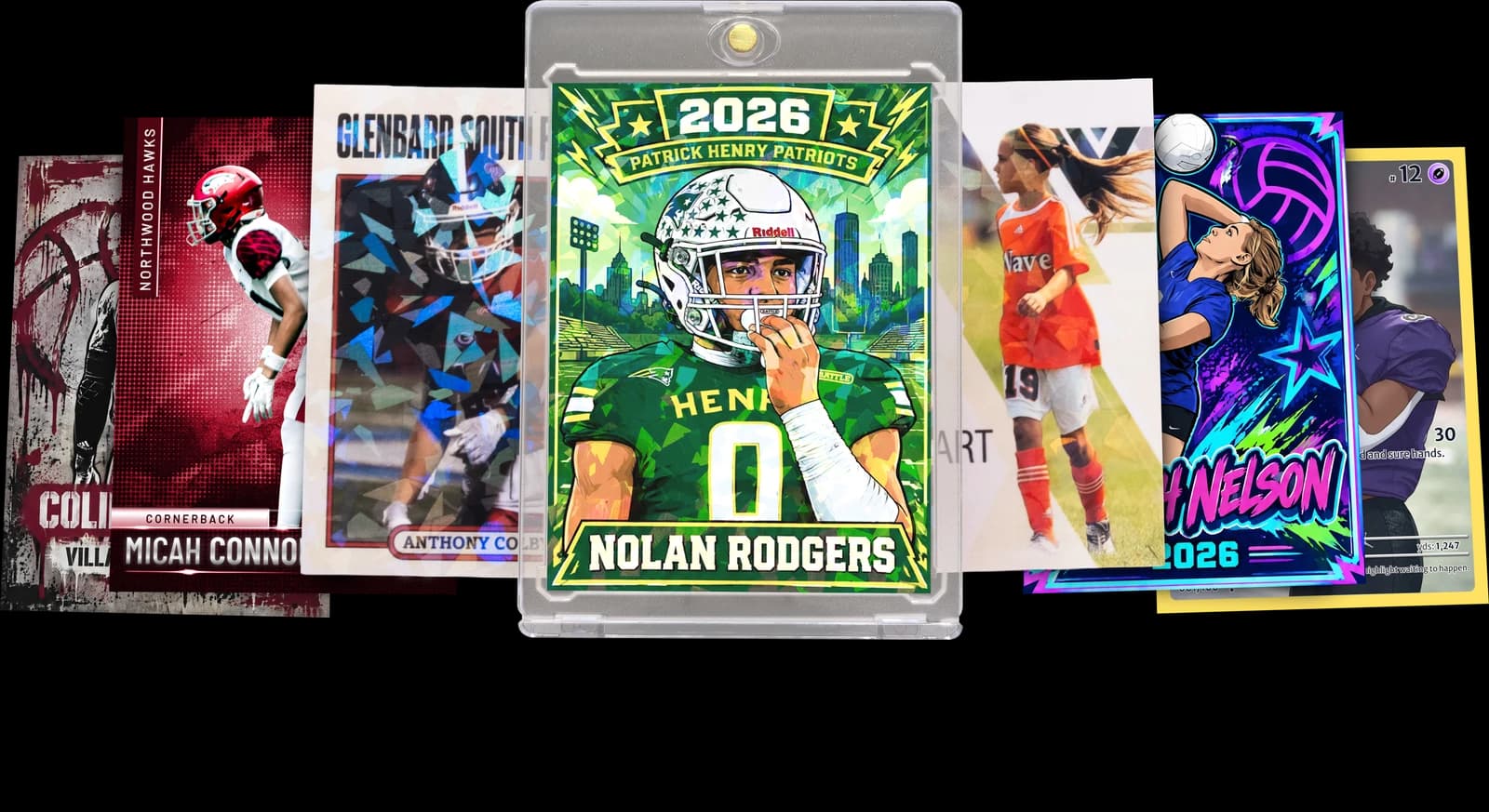
The Rookie Box
Perfect for those unforgettable moments
$17.99 - $49.99

MEGA Card
Their moment, bigger than ever
$49.99
Create for free • Ships the next business day • Made in Des Moines, IA, USA



Skip the Guessing Game: Are Panini Football Cards Worth Anything to You Personally?
If the real answer is 'not much, financially,' let's make one that's worth something on your terms. Upload a photo, pick a template, and get a premium custom card shipped free over $30 in 2-3 days.
Create Your Card NowNo credit card required | Instant preview | Pro-quality designs
Explore More Card Options
Discover more custom trading card options for every sport and occasion