
Best Monopod for Sports Photography in 2025
Sharp sports photos don't happen by accident. Stability, timing, and the right support make every difference.
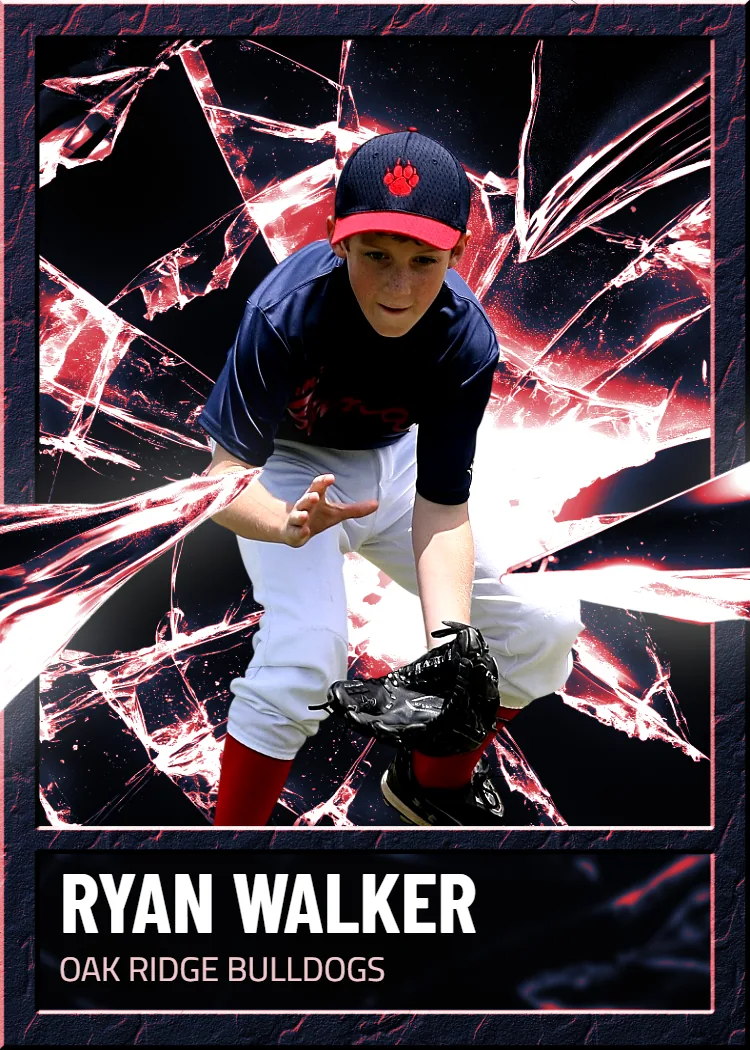
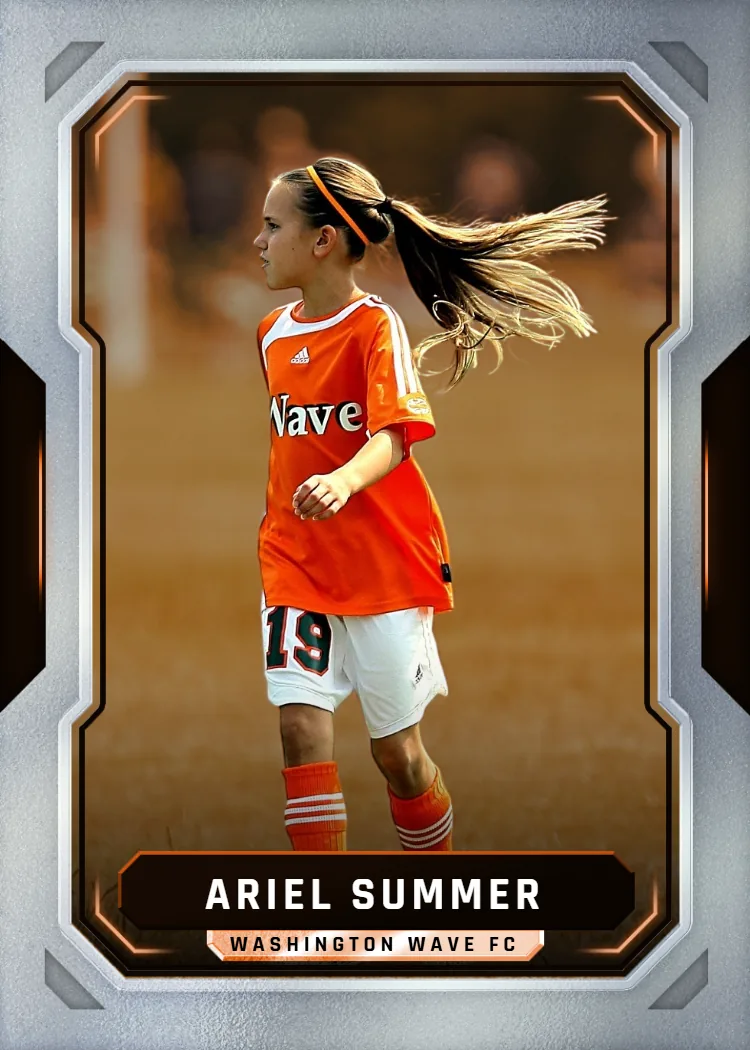
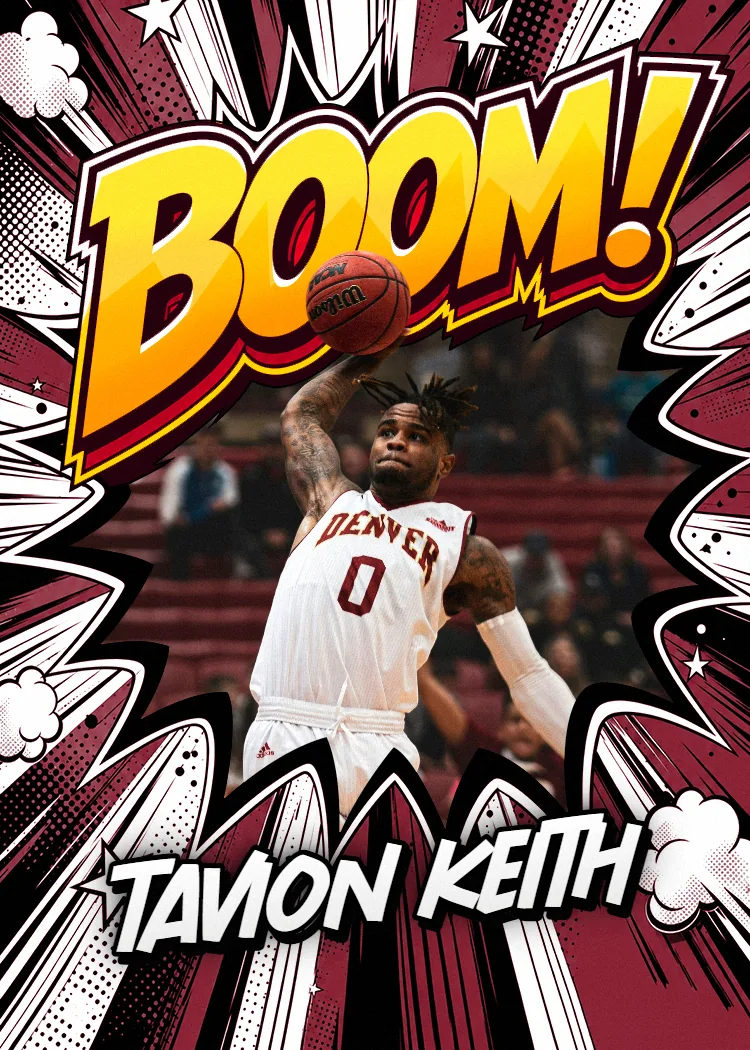
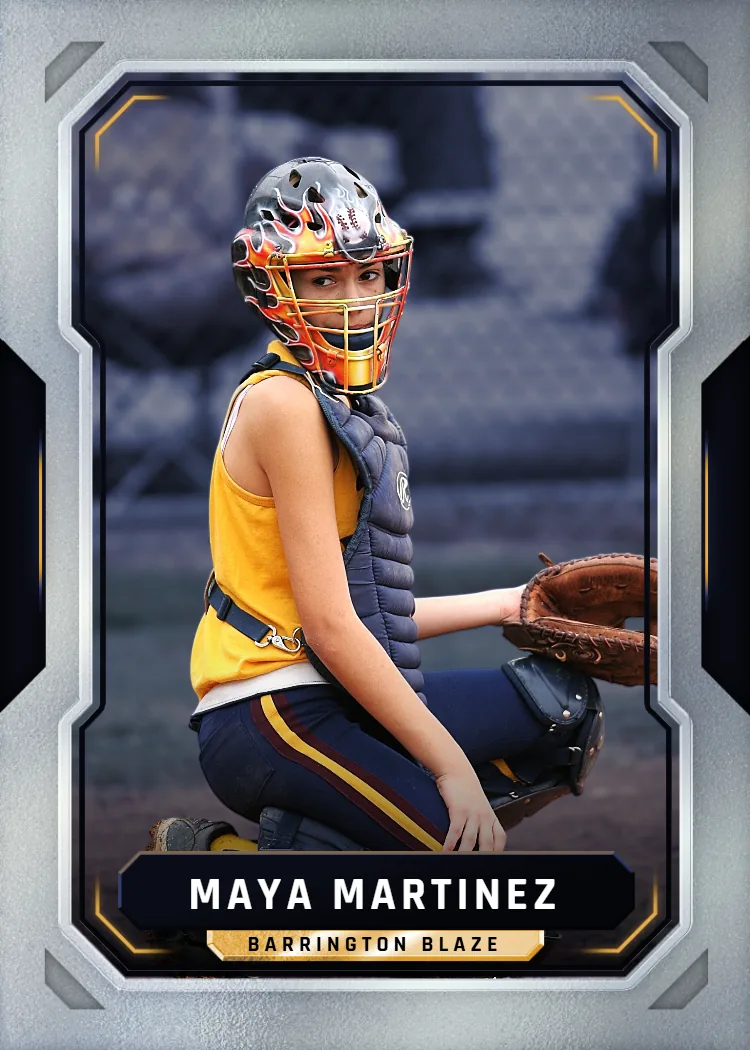
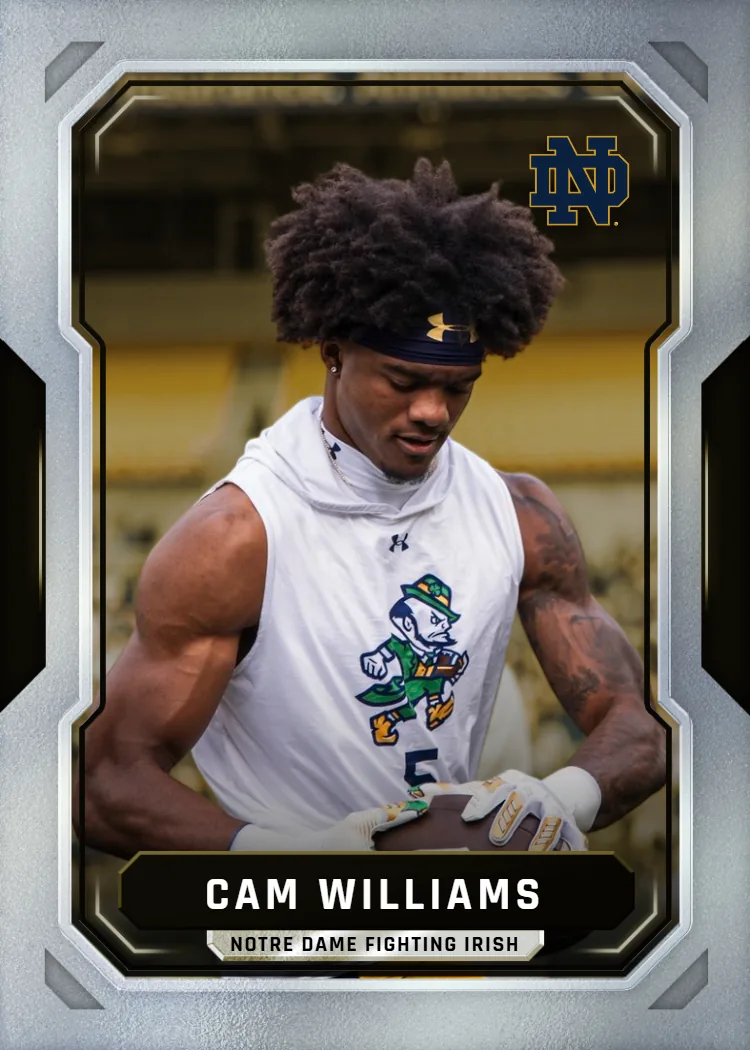
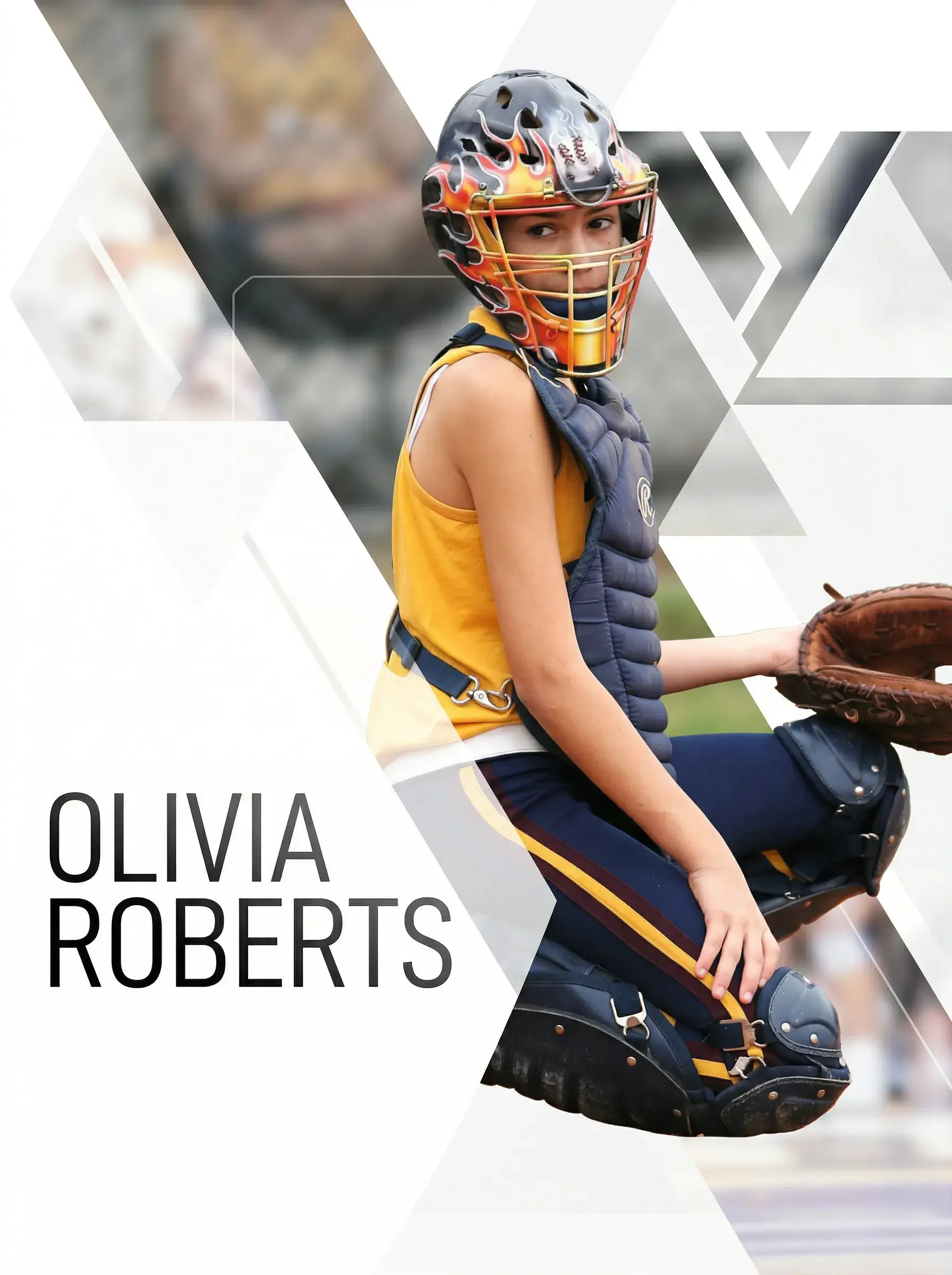
Upload any photo — your kid, your pet, your whole team — pick a pro template, and we print and ship a real, holdable card the next business day.
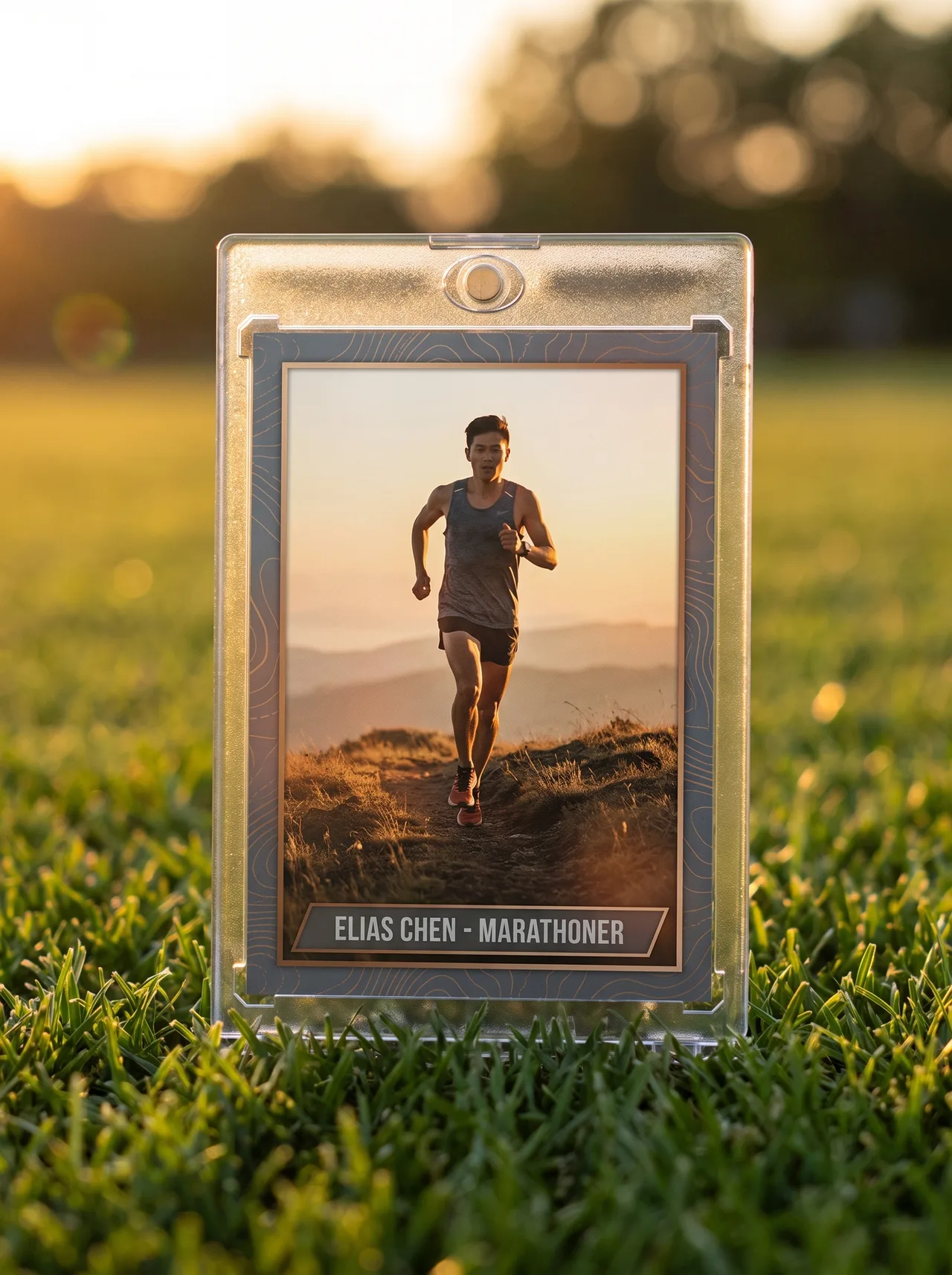
Most photographers hunting for the best monopod for sports photography run into the same wall: specs that sound impressive on paper but fall apart on a sideline. Carbon fiber versus aluminum, fluid heads versus ball heads, twist locks versus flip locks — every review seems to contradict the last. Meanwhile you're at a youth soccer tournament or a high school track meet, hauling a 400mm lens, and your shots are coming back blurry. Equipment confusion costs you the frame. It costs you the memory.
A monopod with a fluid video head and carbon fiber shaft solves most of those problems. It dampens lateral shake, lets you pan smoothly through a play, and weighs less than a bag of rice. Once you've locked in the right setup, the photos get sharper — and sharper photos become something lasting. At Snapshot, we turn those action shots into premium custom sports trading cards, printed on professional card stock, shipped to your door in 2-3 days with free US shipping.
Let's cut through the myths and get to what actually works — gear and keepsakes both.
We ship custom sports trading cards to customers in all 50 states every single week, from single-card orders for proud parents to full team packs for coaches at every level of play.
Common Mistakes Photographers Make When Choosing a Sports Monopod
Buying a monopod without a fluid head
A bare monopod or one with a ball head fights you during panning. Always pair your shaft with a dedicated fluid or tilt head designed for tracking movement.
Ignoring load capacity relative to their actual gear weight
Calculate your heaviest camera body plus lens combination and buy a monopod rated to at least 1.5 times that weight. Undershooting this creates wobble and risks damage.
Adjusting height mid-event instead of pre-setting it
Measure your ideal working height at home and pre-set all sections before you arrive. You'll miss far fewer shots when setup is already done before the whistle blows.
Choosing twist locks for outdoor cold-weather shooting
Twist locks stiffen in cold temperatures and become nearly impossible to operate with gloves. Flip-lock mechanisms are faster and more reliable in variable weather conditions.
Assuming more expensive always means better for your specific setup
A $90 aluminum monopod with a quality $120 fluid head outperforms a $300 carbon shaft with a cheap pan head. Invest in the head first — the shaft second.
Free to design, instant preview. Ships the next business day.
What You Actually Gain From Using the Right Monopod
Beyond sharpness, a well-chosen monopod changes how long you can shoot and what you can capture. These advantages compound across an entire season.
Dramatically Reduced Arm Fatigue
A 600mm telephoto lens can weigh over four pounds. Add a camera body and you're holding six-plus pounds for hours. A monopod transfers most of that load to the ground. Photographers routinely report shooting full doubleheaders or multi-event track meets without the shoulder strain that previously ended their session early.
Sharper Frames at Lower Shutter Speeds
Indoor gymnasiums and evening football fields have notoriously bad lighting. A monopod lets you drop shutter speed by one to two stops without introducing motion blur from camera shake. That means ISO 3200 instead of 12800 in many venues — a meaningful improvement in grain, detail, and printability.
Consistent Composition Across a Shoot
Handheld shooting drifts. Your horizon tilts, your focal plane wanders. A monopod anchors your shooting axis, so consecutive frames share the same framing logic. That consistency matters enormously when you're selecting the best shot from a 10-frame burst sequence — you're comparing execution, not composition accidents.
Cards Worth Printing
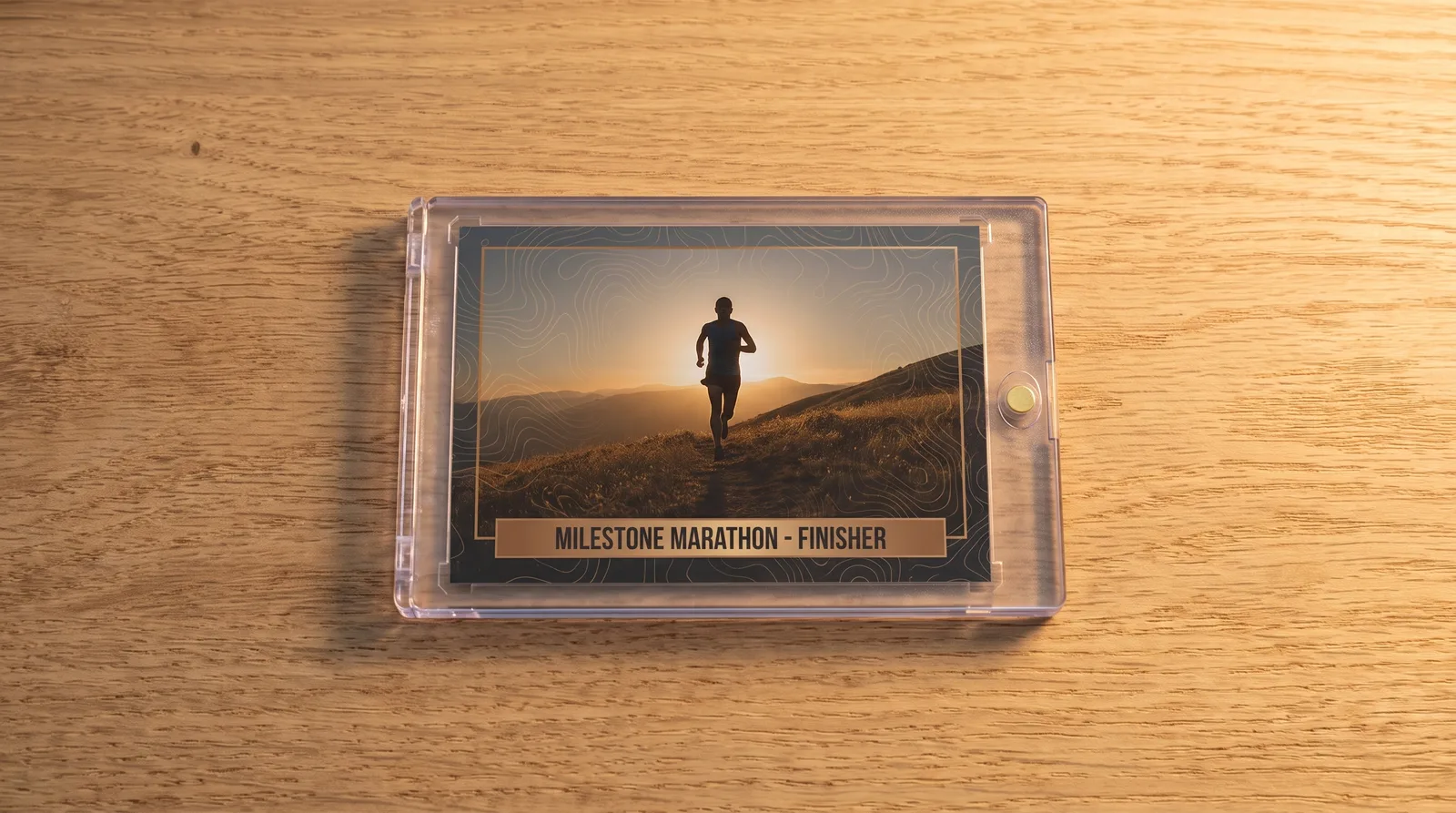
Sharper photos become printable photos. And printable photos become custom sports trading cards. Every parent, coach, and player deserves a card that shows the moment clearly — not a soft, blurry action shot that could be anyone. The right monopod is the first step toward a card worth keeping.
How the Best Monopod for Sports Photography Improves Every Shot
Three things separate a useful monopod from a frustrating one: head type, shaft material, and lock mechanism. Get all three right and you'll notice the difference in your first burst sequence.
Choose a Fluid Head Over a Ball Head
Ball heads lock down tight for static shots but fight you during panning. A dedicated fluid head — even an entry-level one like the Benro S2 or Manfrotto 500AH — lets you track a running back or a sprinter with controlled, drag-dampened movement. That fluid resistance is what separates smooth panning from jittery, unusable footage or blurred action frames.
Match Shaft Material to Your Shooting Weight
Carbon fiber monopods like the Gitzo GM3562 or Sirui P-326S reduce arm fatigue significantly on long shooting days — some models weigh under 400 grams without a head. Aluminum options like the Manfrotto 685B cost roughly 40-60% less and handle the same load capacity. If you're shooting events longer than two hours regularly, carbon fiber pays for itself in comfort and carry efficiency.
Set Lock Mechanisms Before You Arrive
Flip locks extend and retract faster than twist locks in cold weather or gloved hands. Pre-set your working height at home — most sports photographers land between 55 and 65 inches depending on stance. Arriving with sections already adjusted means you're ready when the whistle blows, not fumbling at the sideline while the action starts without you.
Lock in those three variables and you've solved 80% of monopod-related blur. The other 20% is shutter speed — but that's a whole other article.
Why Sports Photographers Keep Choosing Snapshot for Their Best Shots
Snapshot ships custom sports trading cards to customers in all 50 states every week — from parents ordering a single card for $17.99 to coaches buying full team packs at $49.99.
Every card is printed on professional card stock in Des Moines, Iowa, with a free magnetic case included and free shipping on every US order. When photographers finally get that razor-sharp action frame they've been chasing all season, Snapshot is where it becomes something physical.
Which Photographers Actually Need This Gear?
The best monopod for sports photography isn't just for pros with press passes. These three groups get the most from making the switch.
Youth Sports Parents With Long Lenses
You've invested in a 150-600mm zoom to shoot from the stands or sidelines. That lens wasn't cheap, and it absolutely requires support. A mid-range carbon monopod like the Vanguard VEO 2 264AB runs under $100 and transforms what that lens can do. Once you've got sharp frames from a full season, uploading your five favorites to Snapshot and ordering a custom trading card pack for the team becomes a genuinely meaningful end-of-season tradition.
School and Club Team Photographers
Whether you're shooting for a high school yearbook, a club volleyball team, or a travel soccer league, you're covering multiple games per week, often in variable lighting. A dependable flip-lock aluminum monopod handles constant setup and breakdown without wearing out — and when you land that perfect celebratory shot, a Snapshot MEGA 11×15 poster card at $49.99 gives coaches and families something genuinely display-worthy.
Semi-Pro and Freelance Event Photographers
You're credentialed or working the sidelines regularly. You need gear that doesn't draw complaints from other shooters and doesn't slow you down between plays. A top-tier option like the Gitzo GM3562 with a Jobu Design head is the combination many sideline shooters run. Your sharpest frames can become custom trading card prints your clients order in packs — a product upsell that requires zero extra shooting time.
Simple, Transparent Pricing — No Surprises
Every Snapshot order includes free shipping to anywhere in the US and arrives in 2-3 business days. There's no minimum order and no subscription required.
Single card starts at $17.99. Card packs run up to $49.99. The MEGA 11×15 oversized poster card is $49.99 — ideal for that one frame from the season that deserves wall space. Every order ships with a free magnetic display case.
One card. One perfect action shot. Printed in Iowa, shipped fast, kept forever. That's the Snapshot promise — no fuss, no fine print.
Box Options
Simple, collectible pricing. No subscriptions, no hidden fees.
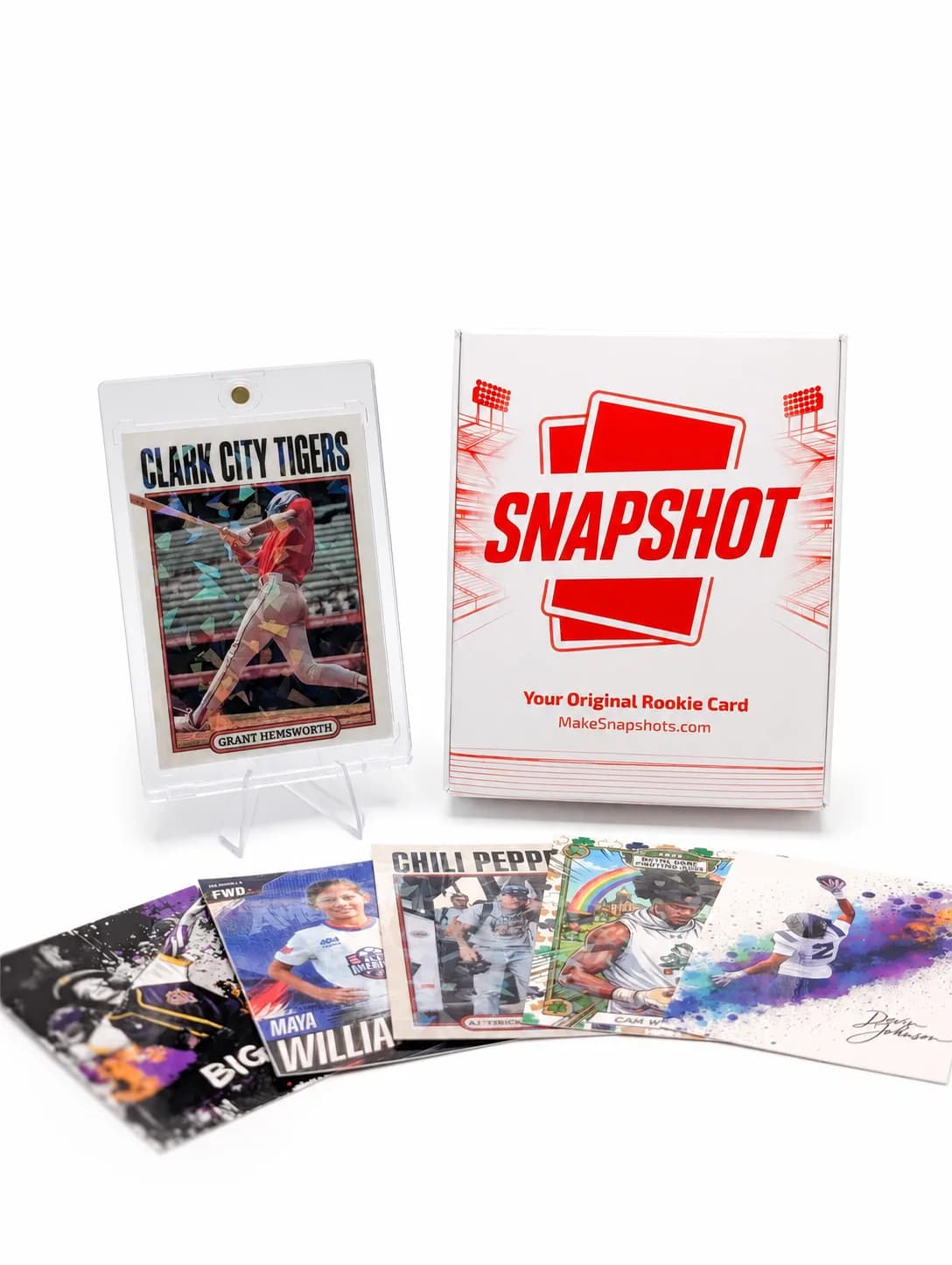
The Rookie Box
Perfect for those unforgettable moments
$17.99 - $49.99
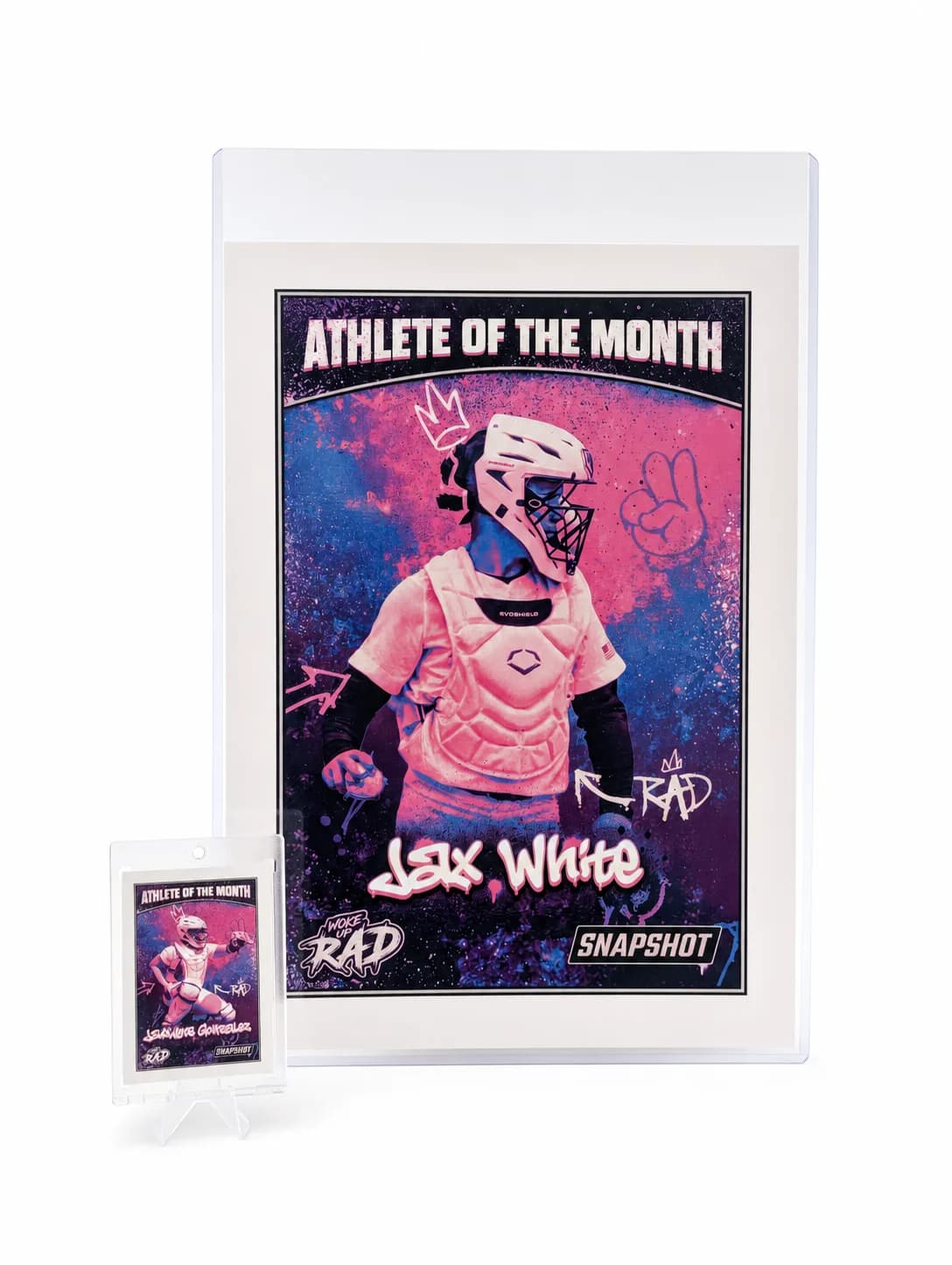
MEGA Card
Their moment, bigger than ever
$49.99
Create for free • Ships the next business day • Made in Des Moines, IA, USA
Frequently Asked Questions
Is carbon fiber worth the price premium over aluminum for a sports monopod?
For most photographers, yes — but with a caveat. Carbon fiber reduces weight meaningfully, which matters most on long shooting days covering multiple events. A carbon shaft can weigh 30-40% less than a comparable aluminum one. That difference is barely noticeable for a single 90-minute game but becomes significant across a full season of events. If your budget is tight, aluminum is a perfectly capable choice — especially entry-to-mid options from Manfrotto or Vanguard. Upgrade to carbon when fatigue becomes a real factor in your shooting endurance.
What's the best monopod for sports photography under $150?
The Vanguard VEO 2 264AB and the Manfrotto 685B are both strong options in this range. The Vanguard offers flip locks, an aluminum shaft, and solid load capacity for most telephoto setups. The Manfrotto 685B has a push-button height extension that's genuinely faster than any lock mechanism — useful when you need to raise or lower quickly between plays. Pair either with a budget fluid head and you have a highly functional system for well under $200 total. Don't let perfect be the enemy of good here.
How tall should my monopod be for sideline sports shooting?
Most sports photographers work between 55 and 65 inches of total height — that's monopod shaft plus camera body plus lens, measured from the ground to the viewfinder. Your shooting height should keep your eye at the viewfinder without hunching or straining your neck upward. Pre-set your sections before arriving at the venue rather than adjusting in the middle of a game. For seated bleacher shooting, you'll typically need less height — around 40-50 inches — because you're working from a lower starting position than sideline standing.
Can I use a monopod indoors at gymnasiums or arenas?
Absolutely — and indoor venues are actually where a monopod earns its keep most. Gym lighting is notoriously dim, which forces higher ISOs or slower shutter speeds. A monopod lets you squeeze one to two additional stops of camera stability, which often means the difference between a sharp frame and a blurry one at ISO 6400. Many arenas have rules about full tripods but permit monopods on the floor. Always check venue policy in advance, but expect that a single-leg support will be allowed in most indoor sports environments.
Myth or fact: monopods don't help with fast action photography?
Myth — and a common one. The logic goes that fast shutter speeds eliminate camera shake anyway, so support doesn't matter. That's partially true for shutter speed alone, but monopods reduce fatigue-related drift, improve panning control, and stabilize your platform during burst sequences. A steady shooter holds better composition through 10 consecutive frames than a fatigued one. And in lower-light situations where shutter speed drops, a monopod becomes critical. The photographers who say monopods don't help usually haven't used one with a proper fluid head.
What load capacity should I look for in a sports photography monopod?
Match your monopod's rated load capacity to at least 1.5 times the combined weight of your heaviest lens plus camera body. If your setup weighs four pounds, look for a monopod rated to six pounds minimum. Most quality monopods are rated between 11 and 22 pounds, which comfortably handles even professional telephoto setups. Load capacity ratings are typically conservative from manufacturers, but staying well within the rating protects both your gear and the monopod's mechanical integrity over time. Don't assume the lightest monopod will handle your heaviest glass.
How do I turn my best sports photos into custom trading cards after the game?
It's a simple three-step process through Snapshot. Upload your sharpest action photo, choose from professionally designed sports card templates, and submit your order. Snapshot handles the printing on professional card stock in Des Moines, Iowa, and ships your finished cards in 2-3 business days with free shipping anywhere in the US. Every order includes a free magnetic display case. A single card starts at $17.99, packs run up to $49.99, and the MEGA 11×15 poster card is also $49.99 — perfect for that one frame from the season that deserves more than a screen.
What's the difference between flip locks and twist locks on a sports monopod?
Flip locks use a lever mechanism that clicks open and shut — fast, intuitive, and easy to operate with gloves or cold hands. Twist locks require rotating the section to tighten or loosen — they're sleeker and often found on higher-end carbon fiber models, but slower to operate in field conditions. For sports photography, where you're adjusting height quickly between venue setups, flip locks typically win on pure usability. Twist locks perform well for photographers who pre-set height at home and rarely adjust in the field. Know your workflow before choosing.
Free to design, instant preview. Ships the next business day.
Got a Sharp Shot? Let's Turn It Into a Custom Card
You found the best monopod for sports photography. Now make the photos count. Upload your favorite action frame to Snapshot and get a premium custom sports trading card printed in Iowa, shipped in 2-3 days with a free magnetic case — free shipping included, every order.
Build Your Card NowNo credit card required | Instant preview | Pro-quality designs
Explore More Card Options
Discover more custom trading card options for every sport and occasion