Best Sport Photography Camera: A Practical Buyer Guide
The best sport photography camera doesn't just freeze motion—it hands you a moment worth keeping forever.
Most people shopping for a sports camera get lost in spec sheets: megapixels, burst rates, autofocus points. Manufacturers love burying you in numbers. But the real question isn't which camera has the highest specs—it's which one reliably delivers sharp, well-exposed images at the exact moment something remarkable happens. A blurry peak-action shot is useless, no matter how expensive the gear. Casual fans, youth sports parents, and serious photographers all face the same frustration: spending real money on a camera and still coming home with soft, dark, or mistimed images.
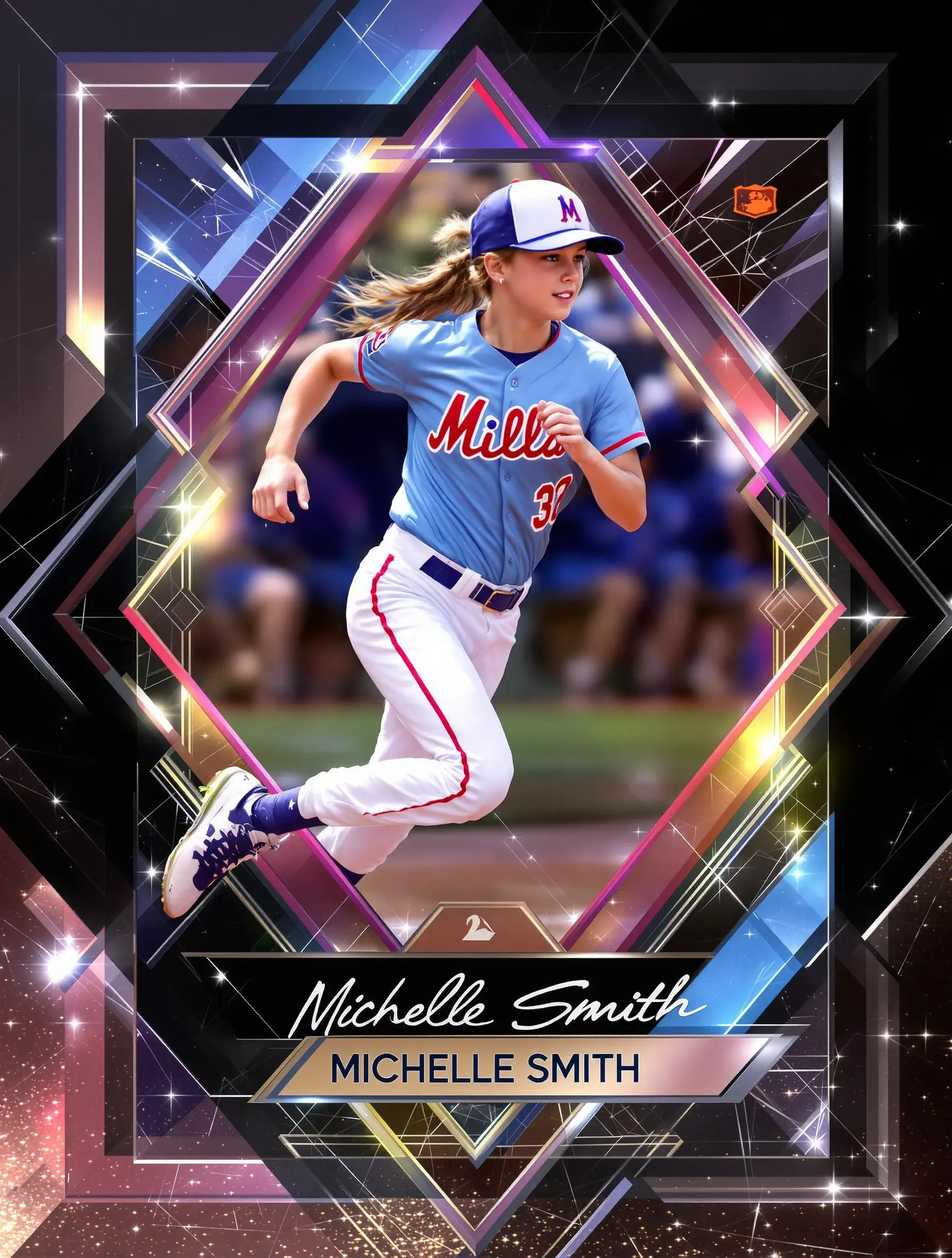
This guide cuts through the spec noise and tells you exactly what matters when you're shopping for a sport photography camera—sensor speed, autofocus tracking, lens compatibility, and burst rate. We'll also show you what happens after the shot: Snapshot lets you upload your best frame, drop it into a pro sports-card template, and receive a premium custom trading card on professional card stock shipped to your door in 2-3 days. Single cards start at $17.99 with free shipping across the USA.
Let's start with the outcome you actually want, then work backward to the camera that gets you there.
We ship custom trading cards to customers in all 50 states every single week, from parents ordering a single card to programs ordering full team sets.
Best Sport Photography Camera by Shooter Type
| Feature | Snapshot | Alternative |
|---|---|---|
Before You Order a Snapshot Card: Photo Readiness Checklist
- ✓Image is sharp — athlete's face or key moment is in clear focus, not motion-blurred
- ✓Resolution is at least 20 megapixels or file is at minimum 300 DPI at intended print size
- ✓Subject fills at least 40% of the frame — avoid extreme wide shots with tiny athletes
- ✓Lighting is adequate — no deep shadows obscuring the subject's face or key features
- ✓Background isn't distracting or cluttered — busy backgrounds compete with card design templates
- ✓Exported as high-quality JPEG or PNG — no heavy compression artifacts
- ✓Photo has not been heavily filtered or over-sharpened in a social media app
- ✓For MEGA poster cards: image is at full camera resolution with minimal cropping applied
Common Sport Photography Mistakes That Ruin a Perfectly Good Card
Shooting in jpeg-small or compressed mode
Always shoot in RAW or JPEG-Large/Fine. Small files lack the resolution for quality prints, especially at MEGA poster card size.
Using continuous autofocus set to the wrong subject mode
Switch your AF to human subject tracking or sports mode. Zone AF or center-point AF misses moving athletes far more often than subject-recognition modes.
Relying on optical zoom on a smartphone from the stands
Smartphones degrade sharply beyond 5x optical zoom. If you're more than 30 feet from the action, a camera with a proper telephoto lens is the only reliable option.
Not checking exposure until you're home
Check the histogram on your camera's rear screen every 5-10 minutes during a shoot. Blown highlights and crushed shadows are rarely recoverable—even in RAW.
Uploading a social-media screenshot instead of the original file
Social media platforms compress images significantly. Always upload the original photo file from your camera or phone storage, never a screenshot or re-downloaded post.
What Separates a Great Sports Camera from an Expensive Disappointment
Four factors determine whether your sports camera actually delivers usable images—and they matter whether you're spending $600 or $6,000.
Autofocus Tracking That Stays Locked
Subject-tracking autofocus is the single most important feature for sports. Modern systems recognize eyes, faces, and bodies in motion. Canon's Dual Pixel CMOS AF and Sony's Real-time Tracking are the benchmarks. If a camera can't hold focus through a 40-yard dash or a baseline drive, it's not the right tool.
Burst Rate and Buffer Depth
A 20 fps burst rate sounds impressive, but a shallow buffer that fills in 15 frames ruins it. Look for cameras that sustain high-speed shooting for at least 50+ frames. Peak moments last fractions of a second—you need enough continuous frames to guarantee you captured the right one.
Low-Light Performance for Indoor Sports
Gym lighting is notoriously bad. A full-frame sensor with strong ISO performance—clean images at ISO 3200 or higher—is non-negotiable for basketball, volleyball, or wrestling. APS-C sensors can handle this too, especially paired with a fast f/2.8 or f/1.8 lens. Don't skip this spec for indoor athletes.
Lens Ecosystem and Reach
A 70-200mm f/2.8 telephoto is the workhorse of sports photography. Make sure your camera brand has affordable options in that range. Sony E-mount, Canon RF, and Nikon Z all have strong lineups. Reach matters: 200mm on a crop sensor is effectively 300mm, giving sideline photographers a real advantage.
Who Actually Benefits from Finding the Best Sport Photography Camera
Sports cameras aren't one-size-fits-all. The right choice changes dramatically depending on how and why you're shooting.
Youth Sports Parents
You're not trying to shoot for Getty Images—you want sharp, recognizable images of your kid at their best moment. A mid-range mirrorless like the Sony a6700 or Canon EOS R10 handles youth baseball, soccer, and gymnastics without a $3,000 price tag. Those clean shots are exactly what Snapshot needs to print a trading card your child will actually want to own. Entry-level gear, professional-looking results.
High School and College Athletic Programs
Programs shooting for social media, yearbooks, and team marketing need consistent, versatile output. A full-frame body paired with a 70-200mm covers football sidelines, wrestling mats, and swim starts equally well. Snapshot's multi-card packs let programs create team sets—an affordable way to build athlete recognition and team culture at any school budget level.
Amateur and Enthusiast Photographers
If you're shooting local 5Ks, community basketball leagues, or amateur rodeos for fun and side income, image quality matters for your portfolio. Cameras like the Nikon Z6 III offer professional-tier autofocus without a professional price. Your best frames can become Snapshot MEGA poster cards—a 11×15-inch statement piece that turns a great shot into something tangible and sellable.
Why Snapshot Cards Work So Well with Quality Sports Photography
Customers across all 50 states order Snapshot cards every week—from parents commemorating a Little League season to coaches gifting personalized cards to their graduating seniors. The consistent feedback is that a sharp, high-resolution photo makes a visibly better card. That's exactly why finding the right camera first is worth the effort. Snapshot's templates are built to complement strong sports photography, not compensate for weak images.
Frequently Asked Questions
How many megapixels do I need for sports photography that will be printed?
What shutter speed should I use for sports photography?
Does lens choice matter more than the camera body for sports?
Can I use my smartphone camera for Snapshot trading cards?
Which camera brands are best for sports photography in 2025?
What photo format should I export when ordering a Snapshot card?



You Found the Best Sport Photography Camera—Now Make That Shot Last
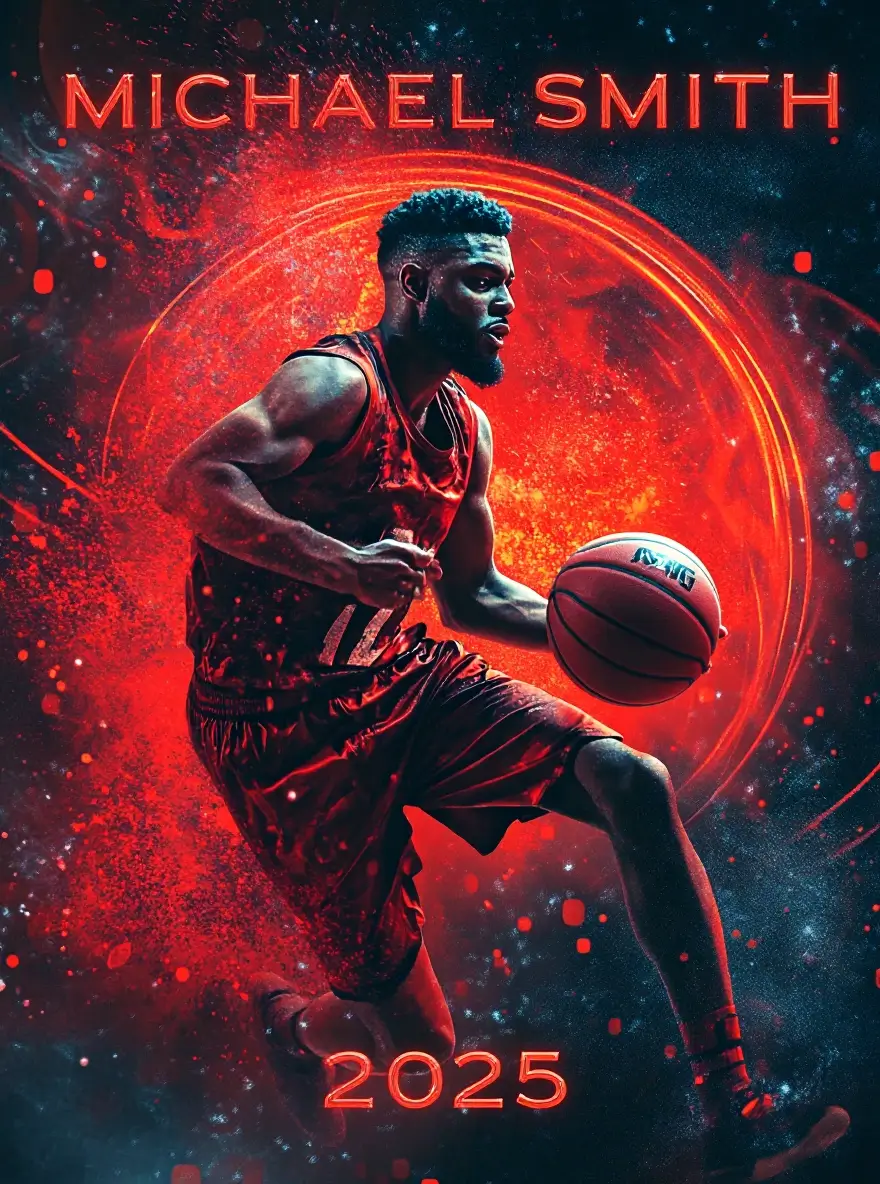
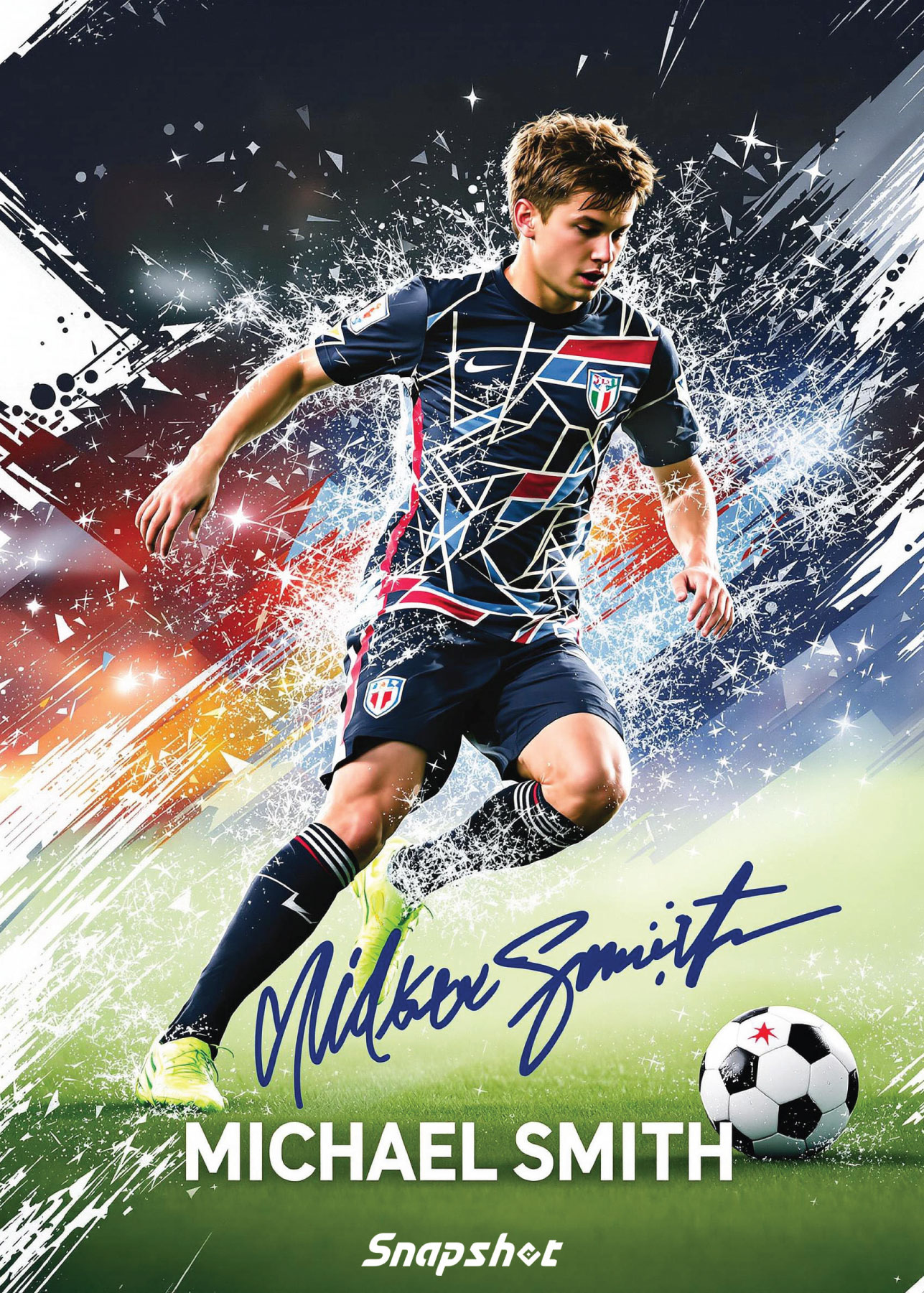
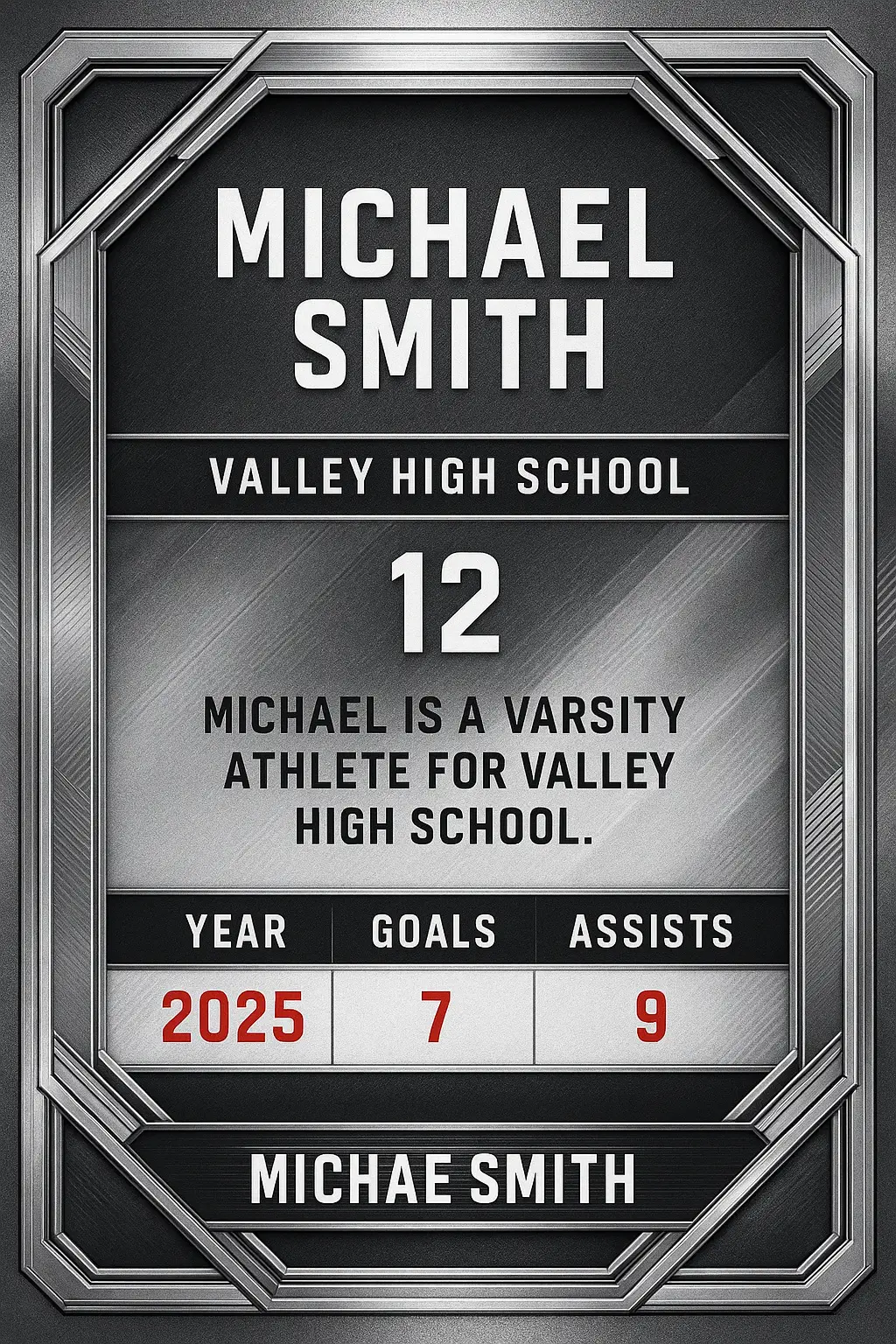
Upload your best frame to Snapshot and turn it into a premium custom trading card printed on professional card stock. Single cards from $17.99. Free shipping across the USA. Ships in 2-3 days from Des Moines, Iowa. Your best shot deserves a better home than a camera roll.
No credit card required | Instant preview | Pro-quality designs
Explore More Card Options
Discover more custom trading card options for every sport and occasion
Best Camera For Sport Photography
Create custom cards →
Camera For Sport Photography
Create custom cards →
Best Camera For Sports Photography
Create custom cards →
Best Sports Photography Camera
Create custom cards →
Best Camera Sports Photography
Create custom cards →
Best Camera For Sports Photography And Video
Create custom cards →