
How to Make Your Own Card Game (And Actually Finish It)
Most people who try to figure out how to make your own card game quit somewhere around rule seventeen and a half.
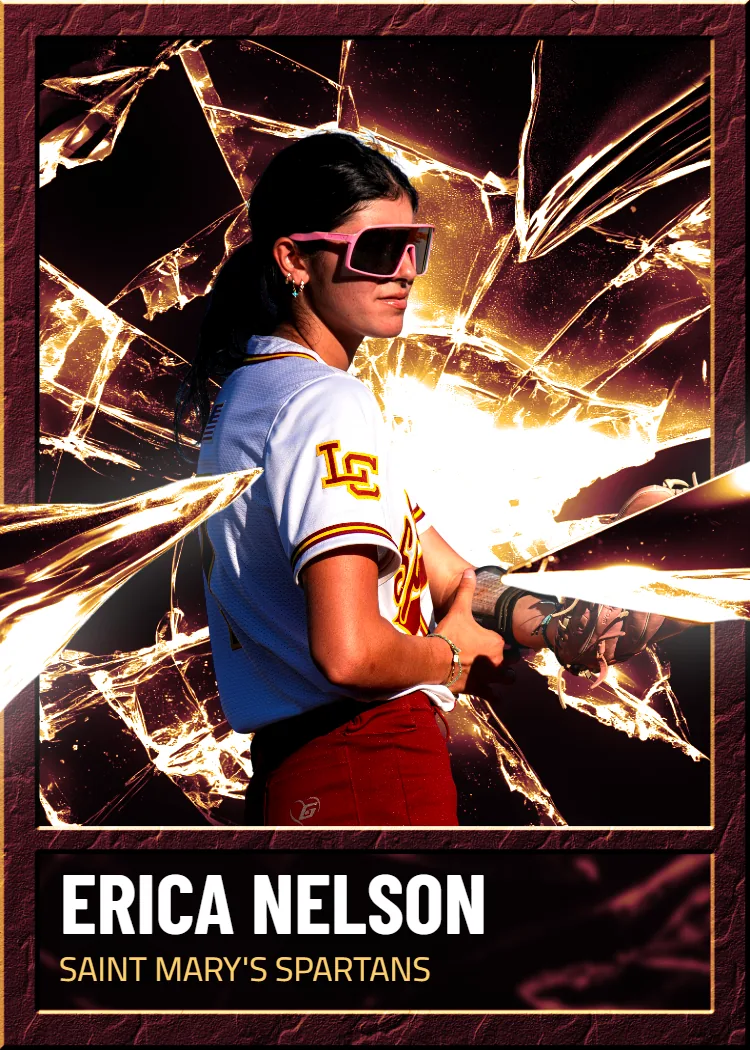
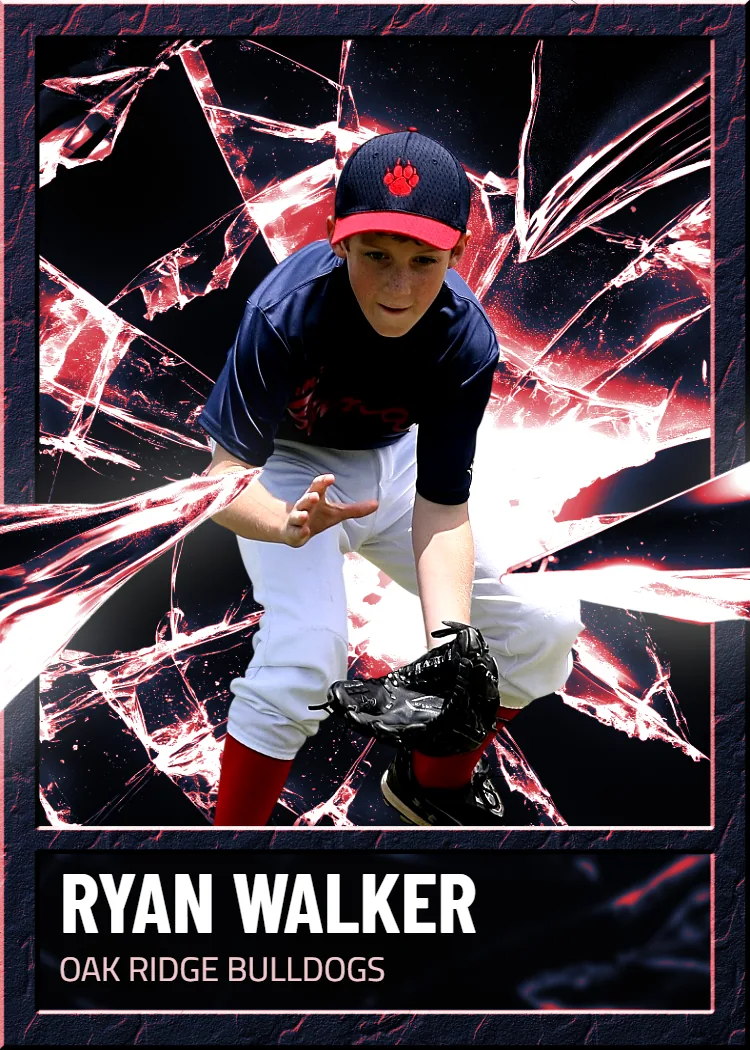
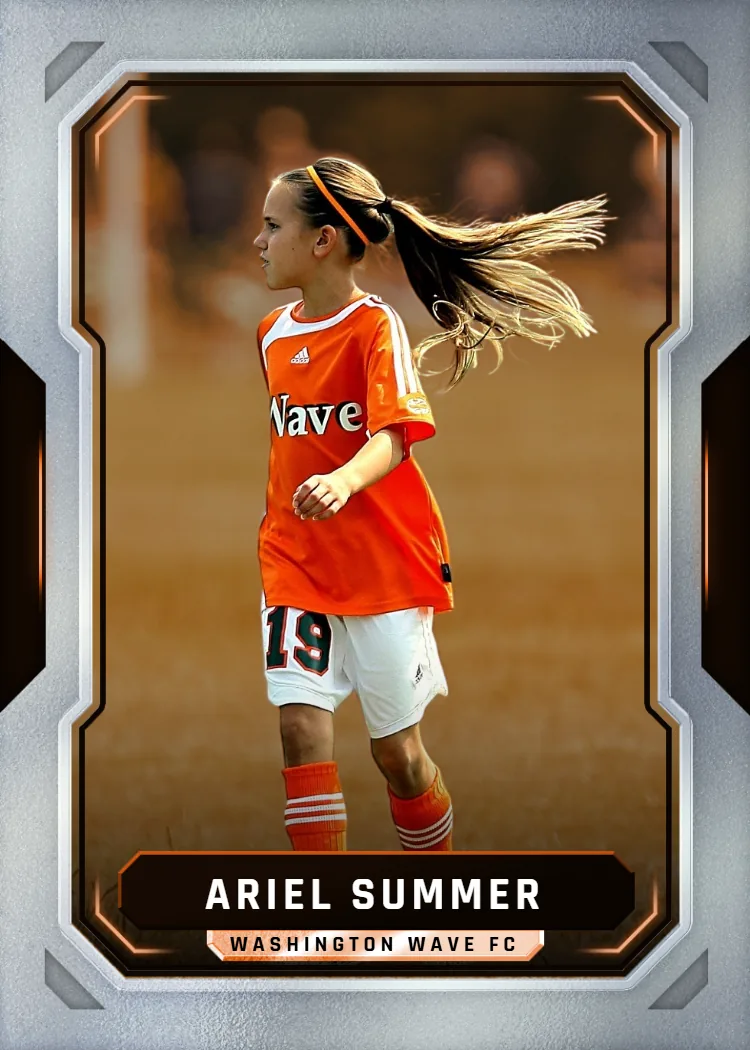
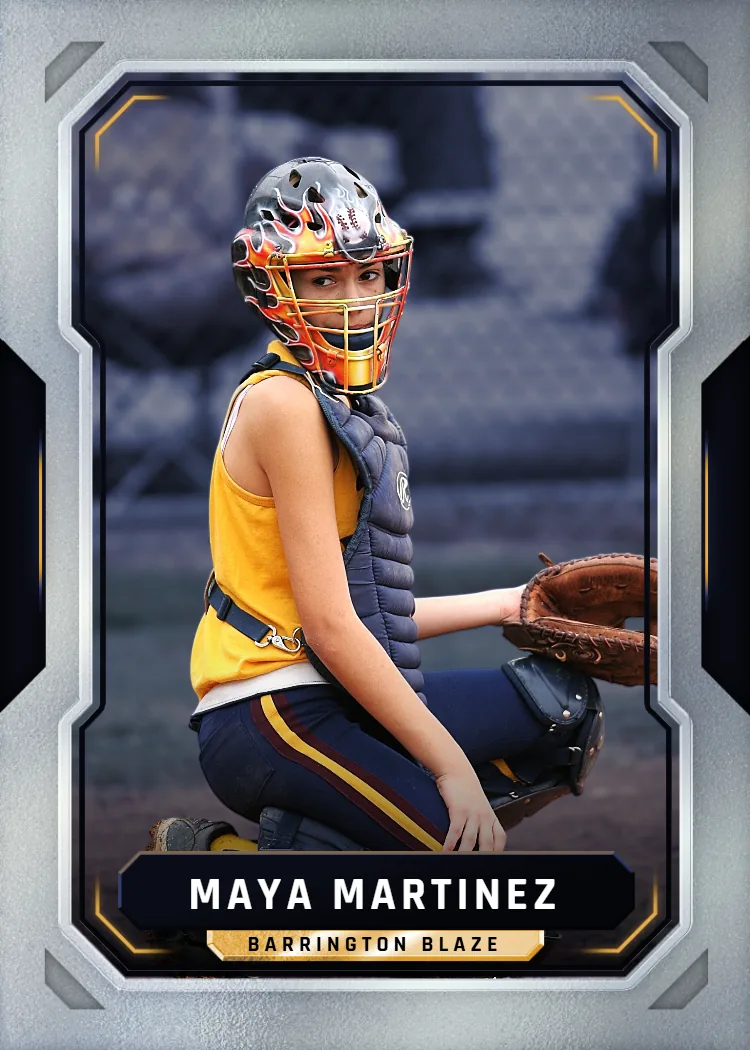
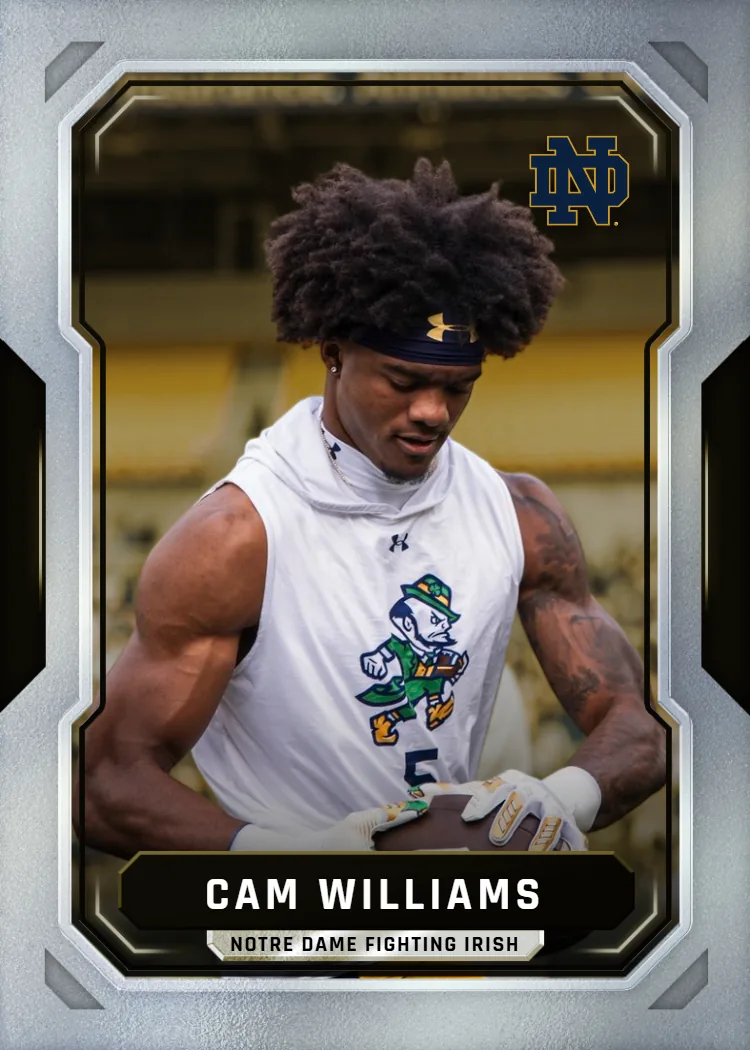
Upload a photo of your player, pet or team, choose an available template, and preview your design before ordering a printed card.
Here's what usually happens. Someone gets an idea for a game — maybe a family trivia deck, a party game for friends, a strategy game they've been sketching for years — and they start strong. Then they hit the wall: how many cards do you actually need? What weight should the paper be? Do you print at home or find a shop? Rules get rewritten five times, the prototype looks like a school project, and the whole thing sits in a drawer. That's not a design problem. That's a process problem, and it's fixable.
This guide breaks the process into a real sequence — concept, mechanics, testing, and production — so you're not guessing at each stage. We'll also cover where most home-printed decks fall apart physically (they do, almost always) and how to get cards that shuffle, hold up, and look like something you'd actually buy off a shelf. Snapshot prints custom card stock decks in Des Moines, Iowa, and ships them in 2-3 days.
Let's get into the actual steps, starting with the part everyone skips: defining what the game even is.
We ship custom card orders to hobbyists, families, and game designers in all 50 states every week, from single test cards to full deck runs.
From Idea to Printed Deck: A Realistic Timeline
Week 1
Define your core mechanic and win condition. Write rules in plain language, no more than a page.
Weeks 2-4
Build a paper prototype and playtest it repeatedly, revising rules after every session.
Week 5
Finalize card layout, artwork, and text. Order a small test pack to check quality.
Week 6
Review the test pack, make final tweaks, and order the full deck or pack.
Week 6-7
Production takes one business day; shipping time is quoted at checkout for your address.
Free to design, instant preview. Free US standard shipping on orders $30+. Review delivery options at checkout.
Why Printing Your Own Card Game Actually Matters
A homemade game lives or dies on how it feels in your hands, not just how it plays on paper.
Cards That Shuffle Without Falling Apart
Printer paper bends, tears at the corners, and gets soft after a few sessions. Professional card stock holds its shape through hundreds of shuffles, which matters if this game is getting played more than once.
It Looks Like a Real Product, Not a Craft Project
There's a real difference between handing someone a stack of cut-up cardstock and handing them a deck with clean edges, sharp printing, and a proper finish. People take the game more seriously right away.
You Control Every Card, Every Rule, Every Detail
No licensing, no waiting on a publisher, no compromise on your idea. If you want forty cards or four hundred, custom icons or family photos, it's entirely your call from concept through final print.
Fast Enough to Actually Finish the Project
A lot of homemade games stall at the production stage because printing feels complicated. A 2-3 day turnaround means you go from finished design to physical deck in less time than most people spend deciding on a name for the game.
Who Actually Builds Their Own Card Games
This isn't a niche hobby — it's a surprisingly common project across pretty different situations.
Family Trivia and Memory Decks
Parents and grandparents build custom trivia or memory-match decks using family photos and inside jokes, then print them for reunions or holidays. It turns into a keepsake as much as a game, something that gets played at Thanksgiving for the next decade instead of getting thrown out after one use.
Strategy Games Built by Hobbyists
Tabletop enthusiasts who've been sketching a card-based strategy game for months finally move past the prototype stage and print a real version to test with their gaming group. Having actual cards changes the playtest feedback completely — people react differently to a polished deck than a stack of sticky notes.
Party Games for Friend Groups
Someone in the friend group always has an idea for a party game — a bluffing game, a drawing prompt deck, a dark-humor card set. Printing a real deck turns an inside joke into something that gets requested at every get-together, instead of staying a bit that only makes sense to five people.
What People Actually Order When They Print a Custom Card Game
Orders for full custom decks have grown steadily as more people turn tabletop ideas into finished products instead of leaving them as sketches in a notebook. Most first-time designers start with a single test pack before committing to a full print run, which keeps the risk low while the game gets refined.
Frequently Asked Questions
What's the difference between a home-printed prototype and a professionally printed deck?
A home-printed prototype, usually made on regular printer paper or cardstock cut by hand, is genuinely useful for early testing but falls apart under real use. Corners bend, edges fray, colors look washed out, and cards become hard to shuffle after just a handful of sessions. A professionally printed deck uses premium card stock designed specifically to hold up to repeated shuffling and handling, with sharper color reproduction and cleaner, more precise edges. The physical difference is immediately noticeable — people react differently to a deck that feels like a real product versus one that feels like a craft project, even if the rules and design are identical. Prototypes are still the right move early on, though, since you don't want to pay for printing before your mechanics are tested and working. The smart sequence is prototype first, playtest until the game holds up, then move to a proper printed run once you're confident the design is close to final. Reprinting a flawed deck costs more than testing thoroughly upfront.
Do I need special software to design my own cards?
Not necessarily — plenty of people design perfectly good card games using basic tools they already have, like presentation software, simple design apps, or even templates provided by a printing service. What actually matters more than the software is consistency: keeping fonts, spacing, and icon sizes uniform across every card so the deck feels like one cohesive product instead of a patchwork of different styles. If your game relies heavily on custom illustrations, you'll want something with more design flexibility, but for text-based games, trivia decks, or photo-based games, simpler tools work fine. Templates built specifically for card games are especially helpful because they already account for safe margins, bleed areas, and standard card proportions, which saves you from designs that get awkwardly cropped during printing. Upload your own photos or artwork into a pro-style template and you skip a lot of the technical setup entirely. Unless you're building something visually complex, don't get stuck shopping for design software — that's often just another way to delay actually finishing the game.
How do I balance a card game so it's actually fun?
Balance comes almost entirely from playtesting, not theory, so the honest answer is you won't get it right on paper alone. Play your prototype with different groups of people — not just friends who'll be polite about it — and watch closely for moments where the game drags, where one strategy dominates every game, or where players seem confused about what to do next. Take notes during play rather than relying on memory afterward, since small frustrations are easy to forget once the session ends. Adjust one variable at a time, like a card's power level or a rule's timing, then test again rather than changing five things at once and losing track of what actually fixed the problem. It usually takes six to ten rounds of testing and adjustment before a game feels genuinely balanced, and that's normal, not a sign you're doing something wrong. Games that feel effortless to play are almost always the result of unglamorous, repetitive testing behind the scenes. Don't skip this step just to get to printing faster.
Can I make a card game as a gift for someone specific?
Absolutely, and it's actually one of the most meaningful uses of a custom-printed deck. Building a trivia game around someone's life, a memory-match deck using old family photos, or a personalized party game referencing inside jokes turns a simple gift into something genuinely memorable, especially compared to another generic present. The process is the same as building any card game — decide on mechanics, gather your photos or content, design the cards, and print — but the emotional payoff is bigger because the recipient sees themselves or shared memories reflected in the final product. These gift decks work especially well for milestone birthdays, anniversaries, retirement parties, or holiday gifts for grandparents. Keep the mechanics simple for gift games since the goal is usually connection and nostalgia rather than deep strategic complexity. A straightforward matching game or trivia format almost always lands better than something overly complicated. Order early enough that the printed deck arrives with a few days to spare before the occasion, just in case anything needs a quick reprint.
What file format do I need for uploading card designs?
Most printing services accept standard image formats like JPG or PNG, and high resolution matters more than the specific file type you choose. If you're designing full card layouts yourself, export each card as a separate high-resolution image rather than trying to upload one giant sheet, since individual files are easier to arrange correctly during the ordering process. If you're mainly uploading personal photos into a pre-built template, resolution is really the only thing to watch — blurry or heavily compressed images will look noticeably worse once printed at card size, even if they looked fine on a phone screen. When in doubt, use the highest resolution version of an image you have access to rather than a version that's been resized down for social media or messaging apps, since those tend to lose quality. If you're ever unsure whether your files will work, it's worth double-checking file size and resolution before starting a full print run, especially if you're ordering a larger pack rather than a single test card.
Is it worth ordering a test pack before printing a full deck?
Yes, and most experienced designers treat this as a non-negotiable step rather than an optional extra. A small test order lets you check color accuracy, card feel, text legibility, and overall layout before committing to a larger print run of forty, eighty, or more cards. It's a lot cheaper to catch a font that's too small or a color that prints differently than expected on five cards instead of on an entire deck you can't easily fix. Single test cards are priced specifically for this kind of trial run, so you're not paying full deck pricing just to check quality. Once you've confirmed everything looks right — text is readable, images are sharp, colors match your design — then it makes sense to move forward with a full pack or larger order. Skipping this step to save a few days usually ends up costing more time in the long run if something needs correcting after a big batch has already been printed. Treat the test pack as cheap insurance, not a wasted extra step.
Free to design, instant preview. Free US standard shipping on orders $30+. Review delivery options at checkout.

Ready to Learn How to Make Your Own Card Game and Print It This Week?
You've got the concept, you've tested the rules, and it's time to make it real. Upload your designs or photos, pick a template, and get a printed deck on premium card stock shipped in 2-3 days with free shipping over $30 nationwide.
Start Your Deck NowNo credit card required | Instant preview | Pro-quality designs
Explore More Card Options
Discover more custom trading card options for every sport and occasion
sports cards
View card options →
trading cards
View card options →
custom cards
View card options →
sports card prices
View card options →
how to create trading cards
View card options →
make custom trading cards
View card options →