
Old Topps Baseball Cards: Separating Myth From Fact
Everybody thinks their shoebox of old Topps baseball cards is worth a used car. Almost nobody's is.
Upload a photo of your player, pet or team, choose an available template, and preview your design before ordering a printed card.
Search 'old Topps baseball cards' and you'll find wildly conflicting information — one site says your 1987 set is worth thousands, another says it's basically worthless. Grading services disagree with each other. Price guides list numbers nobody actually pays. Meanwhile, family collections sit in attics and closets, and the cards that actually mattered to someone — the ones that captured a real memory — get treated like lottery tickets instead of what they are: personal keepsakes. Most collectors end up frustrated, not because the hobby is broken, but because they were chasing the wrong value in the first place.
This page separates the common myths about old Topps baseball cards from the actual facts, using real grading standards and market behavior instead of guesswork. We'll also show you a practical alternative for fans who want a personalized, one-of-a-kind card without the guessing game: a custom card from Snapshot, printed on premium card stock and shipped in 2-3 days with a free magnetic case.
Let's start with what's actually true about vintage Topps cardboard — and what's just hobby folklore.
We ship custom baseball cards to fans and families in all 50 states every week, alongside many collectors who already own vintage Topps sets.
Frequently Asked Questions
Are old Topps baseball cards from the 1980s actually worth anything?
Most 1980s Topps cards, individually, are worth very little — often under a dollar in raw condition, since Topps printed enormous quantities during that decade and oversupply crushed scarcity. That said, it's not a blanket rule. Rookie cards of Hall of Famers from that era, especially in high grade, can still command real money because demand outpaces the surviving supply in top condition. The key word is 'graded' — a PSA 9 or 10 of a star rookie behaves completely differently than the same card sitting loose in a shoebox with soft corners. If you're holding a large 1980s collection, don't assume it's a payday. Sort for star names and rookie years first, then get those specific cards evaluated. Everything else is likely better suited for display or trade than resale. It's a common myth that 'old' automatically means 'valuable,' and the 1980s overproduction era is the clearest counterexample in the hobby.
What's the difference between a vintage Topps card and a reprint?
A true vintage card was printed and distributed in its original release year, while a reprint is a later reproduction, sometimes officially licensed and sometimes not. Reprints often say 'reprint' somewhere on the card, but not always, so you have to check paper stock, gloss, and print registration closely. Original cardboard from the 1950s through 1970s tends to feel thinner and more matte compared to modern reproductions, which often look too glossy or too perfectly centered. Copyright text on the back is another giveaway — reprints sometimes carry a later copyright date than the card's supposed year. Collectors who don't check this end up paying vintage prices for cards worth a fraction of that. If you're ever unsure, a grading service can authenticate it before you buy or sell. This distinction matters enormously for value, since an original 1957 card and a 1990s reprint of that same player can differ by thousands of dollars.
Does card condition really change the value that much?
Yes, dramatically — condition is often the single biggest factor in what a vintage card sells for, sometimes more important than the player or the year. A card graded PSA 9 can sell for ten to fifty times what the same card in PSA 3 condition brings, depending on scarcity and demand. Grading looks at four main things: centering, corners, edges, and surface, and even small flaws in one category can drop a grade significantly. Sun fading, gum stains on the back from old packaging, and soft corners from being carried in a pocket are all common issues on old Topps baseball cards specifically. That's why sellers who assume 'it's old, so it must be worth a lot' are often surprised by appraisals. If you're storing cards long-term, sleeves and rigid holders in a stable, dry environment protect that value far better than a rubber band and a drawer ever will.
Should I get my old Topps cards professionally graded?
It depends on what you're holding and what you plan to do with it. Grading makes sense for cards you suspect are genuinely valuable — star rookies, low-population years, or anything you're planning to sell or insure. It doesn't make much sense for common cards worth a few dollars, since grading fees can easily exceed the card's raw value. Turnaround times also vary a lot, from a few weeks to several months depending on the service and how busy they are. Before submitting anything, do a rough self-assessment using the centering, corners, edges, and surface criteria we mentioned earlier — that'll tell you if grading is even worth pursuing. Many collectors send a batch of their best candidates rather than an entire collection, which keeps costs reasonable. If the goal is sentimental display rather than resale, grading often isn't necessary at all, and a good top-loader will protect the card just fine.
What years of Topps baseball cards are considered the most valuable?
Generally, the 1950s through the early 1970s hold the strongest values, mainly because production runs were smaller and survival rates are lower after decades of handling. The 1952 Topps set is legendary partly because of print scarcity and partly because it includes an iconic Mickey Mantle card that regularly sets auction records. The 1960s sets carry strong value too, especially those featuring rookie cards of players later inducted into the Hall of Fame. Once you hit the mid-1980s, print runs exploded, and that oversupply is exactly why so many collections from that era carry lower average value today, despite feeling 'old' to most people. It's worth remembering that age alone doesn't drive price — scarcity, condition, and star power together do. A common 1975 card might be worth less than an exceptional, high-grade 1989 rookie of a Hall of Fame-bound player.
Can I sell a partial or incomplete old Topps set?
Yes, and you generally don't need a complete set to find buyers, though a full set does often command a premium over the sum of its individual cards. Many collectors specifically hunt for missing pieces to complete their own sets, which creates steady demand for partials, especially common cards from popular years. Before selling, sort the collection by player and check for any notable rookies or Hall of Famers, since those individual cards may be worth more sold separately than bundled into the group. Photograph the condition honestly, since buyers will ask, and vague descriptions like 'good condition' rarely help a sale move quickly. Marketplaces dedicated to sports cards tend to get better prices than general auction sites, since the audience already understands grading and set-building. If the set is mostly common cards in average condition, expect modest returns, but don't dismiss it entirely — set builders are patient and steady buyers.
How do I know if my old Topps card is a counterfeit?
Counterfeits usually reveal themselves through small production details rather than anything obvious at first glance. Compare the card stock thickness and texture against a verified authentic example of the same year, since fakes often use paper stock that's too smooth or too heavy. Check the back for print quality issues — blurry text, incorrect fonts, or stats that don't match historical records are all red flags. Centering on counterfeits is sometimes suspiciously perfect, since original printing processes from decades ago weren't nearly that precise. Color saturation is another tell; reprints often look more vivid than the slightly faded tone of a genuinely aged card. If a card seems too good to be true for the price, that's usually because it is. When real money is on the line, a professional authentication service is worth the fee, since it protects you from an expensive mistake.
What's the safest way to store old Topps baseball cards long-term?
Individual card sleeves combined with rigid top-loaders are the standard, protecting corners and surfaces from the everyday wear that tanks grading scores. Store them upright in boxes designed for cards, not stacked flat in bulk, since flat stacking creates pressure that warps cardboard over years. Keep the storage area cool, dry, and out of direct sunlight, since heat and humidity cause warping while UV exposure fades colors and print. Avoid rubber bands entirely, even short-term, because they leave indentations and residue that are nearly impossible to reverse. Binders with acid-free pages work well for display purposes but check periodically for page yellowing, which can transfer onto the cards over time. If you're storing genuinely valuable graded cards, a fireproof safe adds another layer of protection worth considering. Good storage habits started early save you from discovering irreversible damage decades later.
Are there modern alternatives if I want a personalized card instead of chasing vintage ones?
Yes, custom-printed cards are a growing option for fans who want the look and feel of a trading card without navigating grading, authenticity, or the vintage market at all. Snapshot lets you upload a photo, choose from pro sports-card templates, and get a premium printed card shipped in 2-3 days with a free magnetic case included. It's a completely different category from collecting old Topps baseball cards — there's no investment angle, no condition grading, and no scarcity concern, just a personal keepsake made exactly how you want it. Many fans use it to create a card of a family player, a personal milestone, or a tribute to a favorite pro player alongside their existing vintage collection. Pricing starts at $17.99 for a single card, with packs up to $49.99 and a MEGA 11x15 poster card also at $49.99. Free shipping over $30 applies across the USA. It's a practical way to build a new memory without touching the unpredictable vintage market.
Why do some common old Topps cards sell for almost nothing while others from the same year sell high?
It comes down to a combination of player relevance, print run size, and surviving population in good condition, not just the year on the card. A common player from a set might have thousands of surviving examples in decent shape, keeping prices low no matter how old the card is. Meanwhile, a Hall of Fame rookie from that exact same set, printed in the same quantities, sees much higher demand because collectors specifically target rookie cards of legendary players. Condition compounds this further — if a common card and a star card both survive at similar rates, the star card in high grade still outperforms because more buyers are competing for it. Errors, short prints, and variations also skew value within a single set, sometimes making an otherwise unremarkable card surprisingly valuable. This is why blanket statements like 'this whole box is worth X' rarely hold up once someone actually sorts through it card by card.
How has grading changed how people buy and sell old Topps baseball cards?
Third-party grading standardized what used to be a very subjective process, where 'near mint' meant something different depending on who was describing the card. Now, a PSA or BGS grade gives buyers a consistent reference point, which has made high-grade vintage cards significantly more liquid and easier to price confidently. It's also shifted collector behavior — many buyers won't purchase ungraded vintage cards above a certain price point at all, preferring the certainty a slab provides. This has created a noticeable price gap between raw and graded copies of the same card, sometimes several times the value difference. On the flip side, grading fees and wait times add friction, which is why lower-value commons rarely get submitted. For sellers, understanding this shift matters — an ungraded card described as 'mint' will get far less attention and trust than one already verified by a recognized grading service.
What should I do first if I inherit a large collection of old Topps baseball cards?
Resist the urge to sell anything immediately, and instead spend time sorting the collection by year, player, and rough condition before making any decisions. Separate out anything that looks like a star player's rookie card or an unusually early set, since those deserve individual attention rather than being lumped into a bulk sale. Take clear photos of the front and back of anything promising, and compare them against checklists and recent sold prices to build realistic expectations. Avoid cleaning, pressing, or altering the cards in any way, since well-intentioned 'restoration' actually destroys value and can be detected by grading services. If the collection is large, consider getting a professional appraisal rather than guessing your way through hundreds of cards. Many inherited collections end up being a mix of sentimental keepers and modestly valuable extras rather than a hidden fortune, and that's a perfectly normal outcome worth planning around.
Free to design, instant preview. Free US standard shipping on orders $30+. Review delivery options at checkout.
How Do You Actually Determine What Old Topps Baseball Cards Are Worth?
Valuation isn't magic — it follows a repeatable process that most sellers skip.
Identify the Exact Card
Year, set, card number, and player all matter — a 1971 Topps card and a 1972 Topps card of the same guy can differ in value by hundreds of dollars because of print quality and set popularity. Look for the copyright line on the back and cross-reference it against a checklist. Skipping this step is the single biggest reason people overestimate what they're holding.
Grade the Condition Honestly
Centering, corners, edges, and surface all get scored, usually on a 1-10 scale by services like PSA or BGS. A card that looks 'mint' to the naked eye often grades a 6 or 7 once someone checks corner wear under light. Most attic-find cards from the 1970s and 80s land in the 4-6 range, which changes the math dramatically.
Check Real Sold Prices, Not Listings
Asking prices on marketplaces mean nothing — sold, completed auction prices are the only honest data. Filter by grade, not just card name, since a PSA 8 and a PSA 3 of the same card can sell 20x apart. This step alone eliminates most of the confusion around old Topps baseball cards.
None of this replaces a professional grading opinion, but it gets you close enough to stop guessing.
What Do Collectors Actually Gain From Understanding Vintage Cardboard?
Knowing the real facts changes how people collect, sell, and display their cards.
Realistic Expectations
Once you know true grading standards, you stop overvaluing common cards and start noticing the ones that genuinely matter — rookie cards, low print runs, error cards. That knowledge saves you from bad trades and disappointing appraisals.
Better Preservation Habits
Understanding that surface wear and corner damage tank value means you handle cards differently — sleeves, top-loaders, and cool storage instead of rubber bands and shoeboxes. It's a small habit change with a big long-term payoff.
Smarter Buying Decisions
Fans who understand reprints, reprints-of-reprints, and counterfeit tells stop paying vintage prices for modern reproductions. That's money saved and a much lower chance of buyer's remorse down the line.
A Clear Alternative for New Memories
Not every card needs to be a decades-old investment piece. Custom cards let fans create a personal keepsake today — a family photo, a Little League moment, a favorite pro player — without touching the vintage market at all.
Who Actually Collects and Displays Old Topps Baseball Cards Today?
The audience is broader than pure investors — most people collecting these cards do it for personal reasons.
Family Collections Passed Down
A grandfather's 1960s Topps set often ends up with grandkids who care more about the memory than the market price. These collections get displayed, not sold, which is exactly why condition and story matter more than raw dollar value in these cases.
Team and Player Set Builders
Some collectors chase a full run of one team's cards across decades, filling gaps card by card. It's a slow hobby, closer to a puzzle than an investment, and the satisfaction comes from completion, not resale.
Fans Who Want a Modern Companion Piece
A lot of collectors pair their vintage cards with a custom-made card of themselves or a current family player, creating a personal bridge between the old hobby and their own baseball story. It's a growing trend among fans who want both nostalgia and personalization on the same shelf.
What Do Custom Card Orders Tell Us About Fan Behavior?
Snapshot ships custom baseball cards to collectors and families across all 50 states every week, and a noticeable share of orders come from people who already own vintage Topps collections and want a personalized piece to go alongside them. It's not a replacement for the vintage hobby — it's a complement to it, letting fans create something new while their old collection stays exactly as it is.
What Does It Cost To Create a Custom Alternative?
Pricing is flat and predictable, unlike the vintage market where the same card can sell for wildly different amounts depending on grade and timing.
Single custom card: $17.99. Card packs: up to $49.99. MEGA 11"x15" poster card: $49.99. Free shipping over $30 across the USA.
One flat price, no grading fees, no appraisal guesswork — just a premium printed card shipped in 2-3 days with a free magnetic case.
Box Options
Simple, collectible pricing. No subscriptions, no hidden fees.
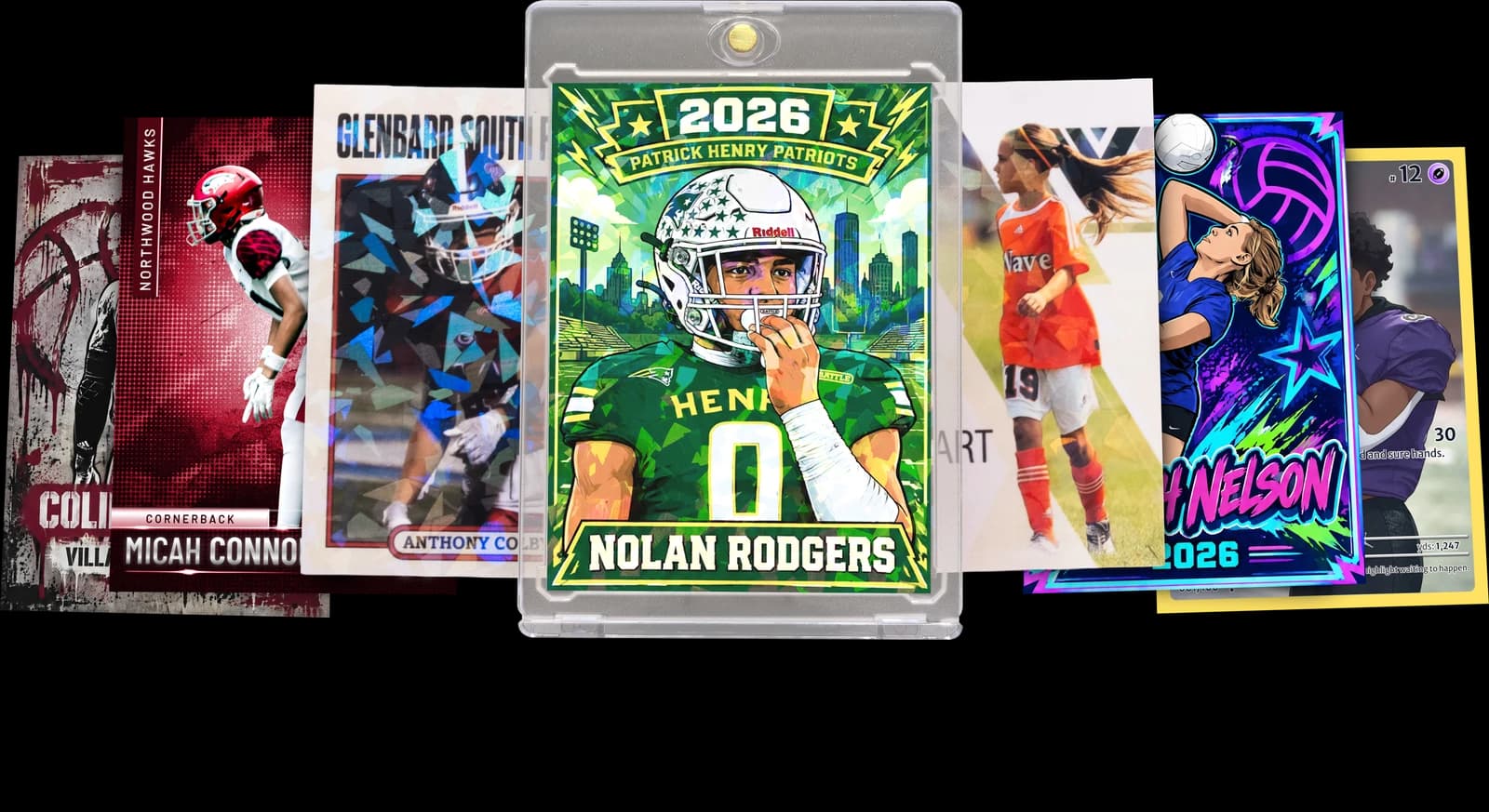
The Rookie Box
Perfect for those unforgettable moments
$17.99 - $49.99
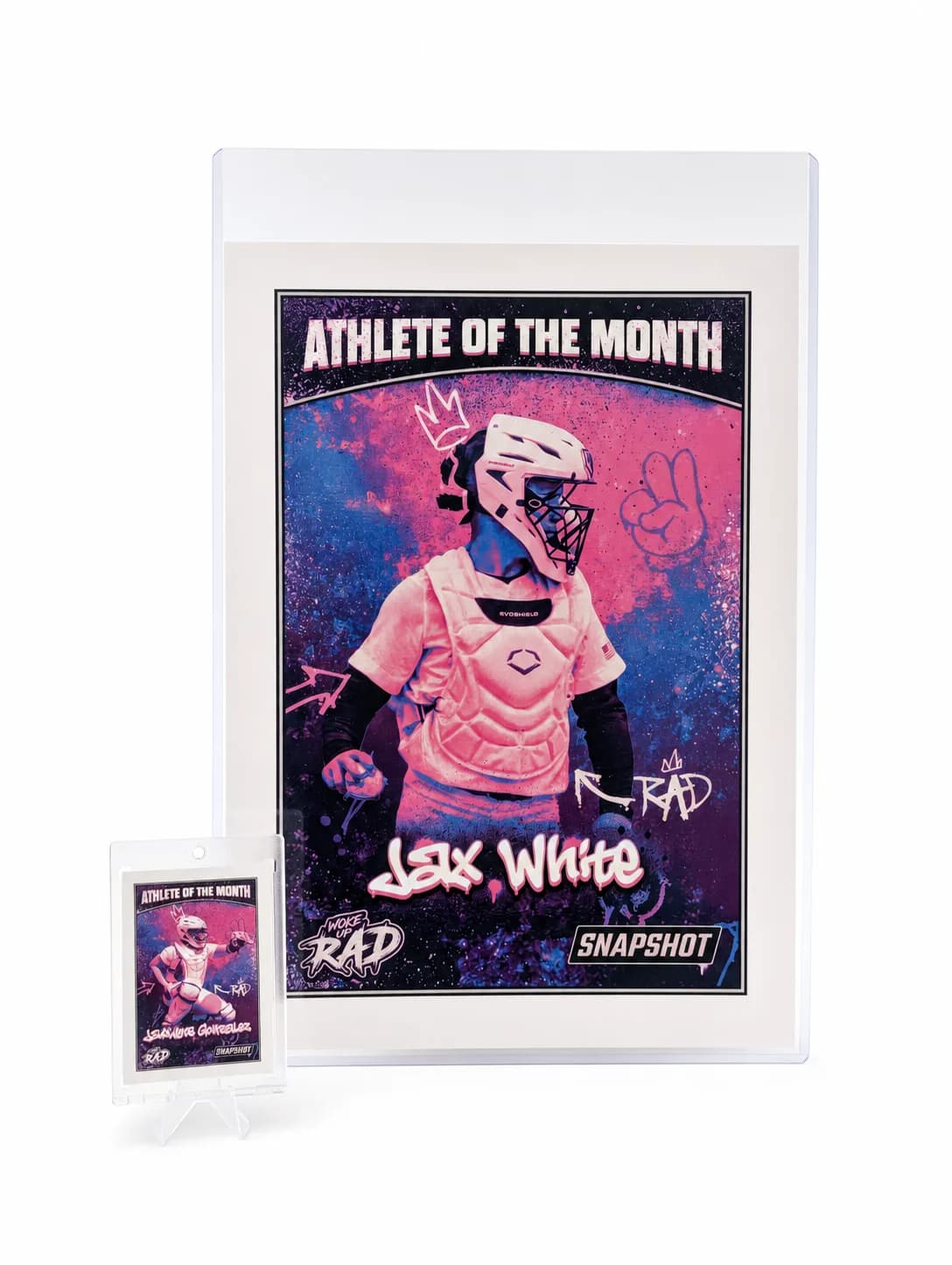
MEGA Card
Their moment, bigger than ever
$49.99
Create for free • Ships the next business day • Made in Des Moines, IA, USA
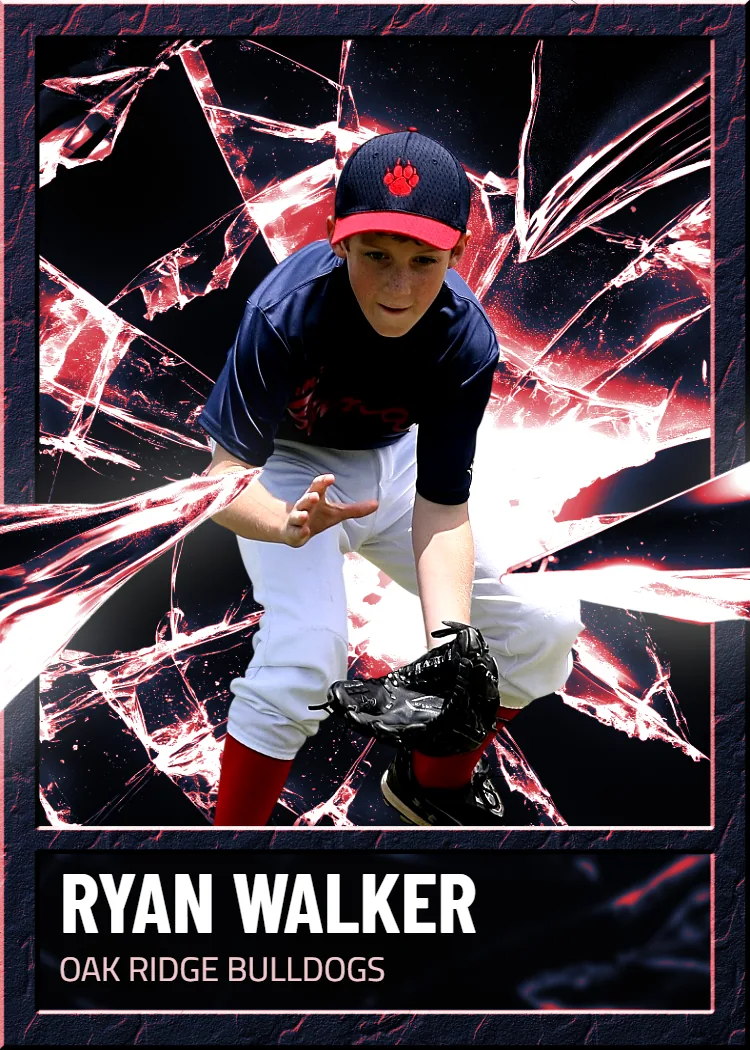
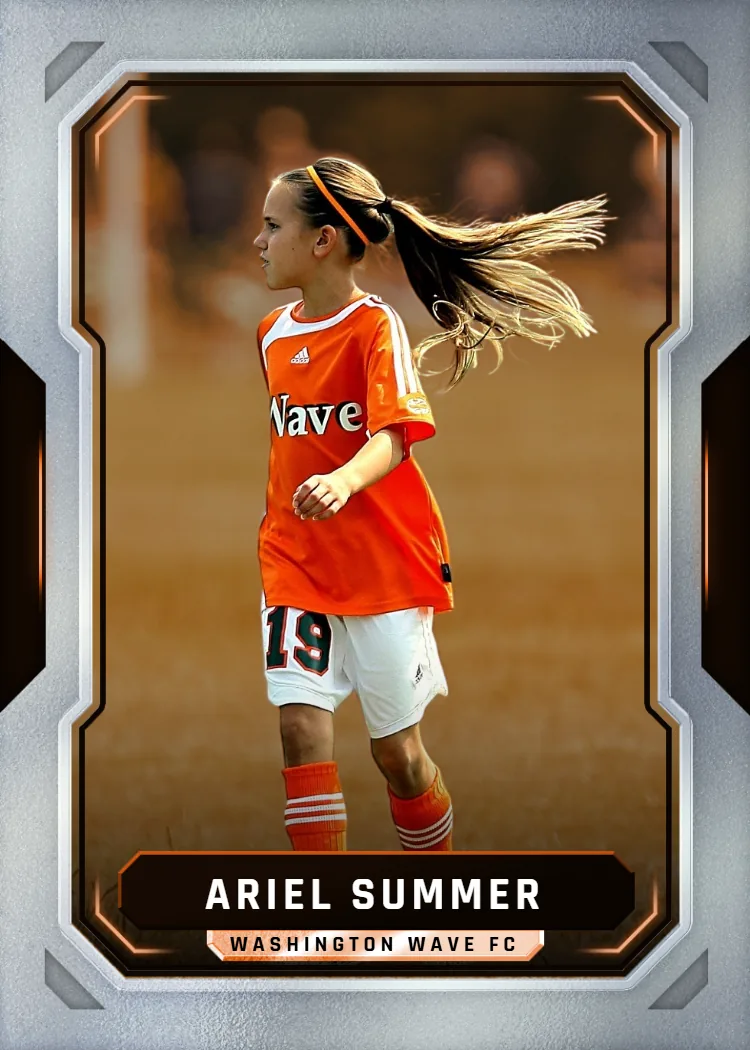
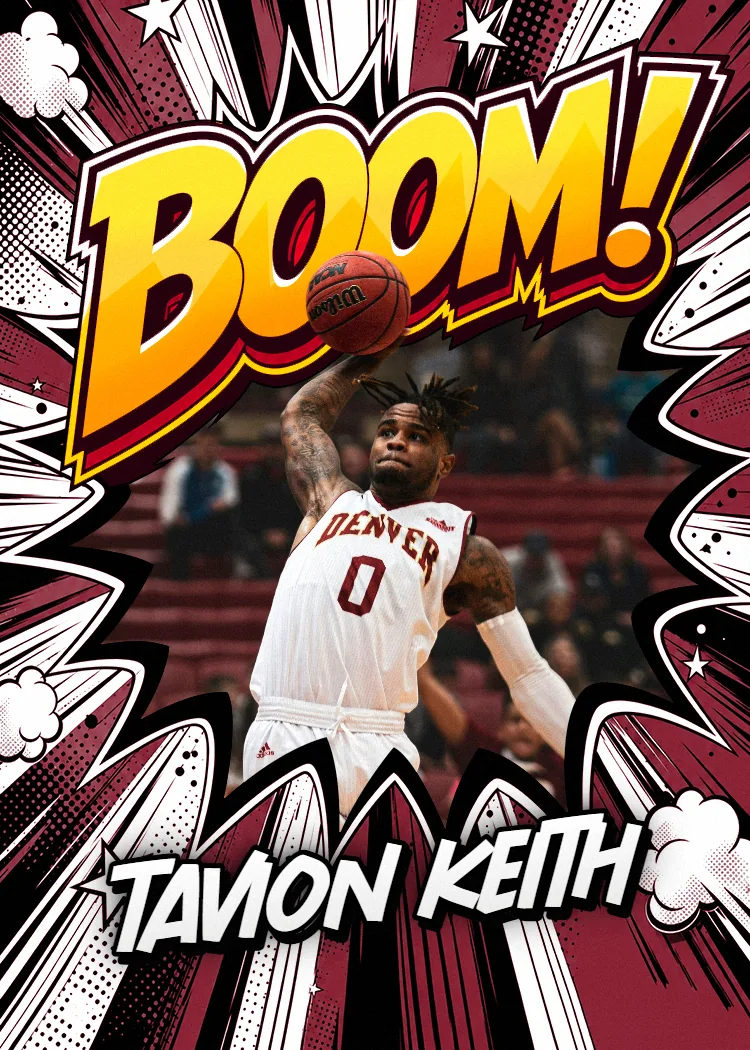
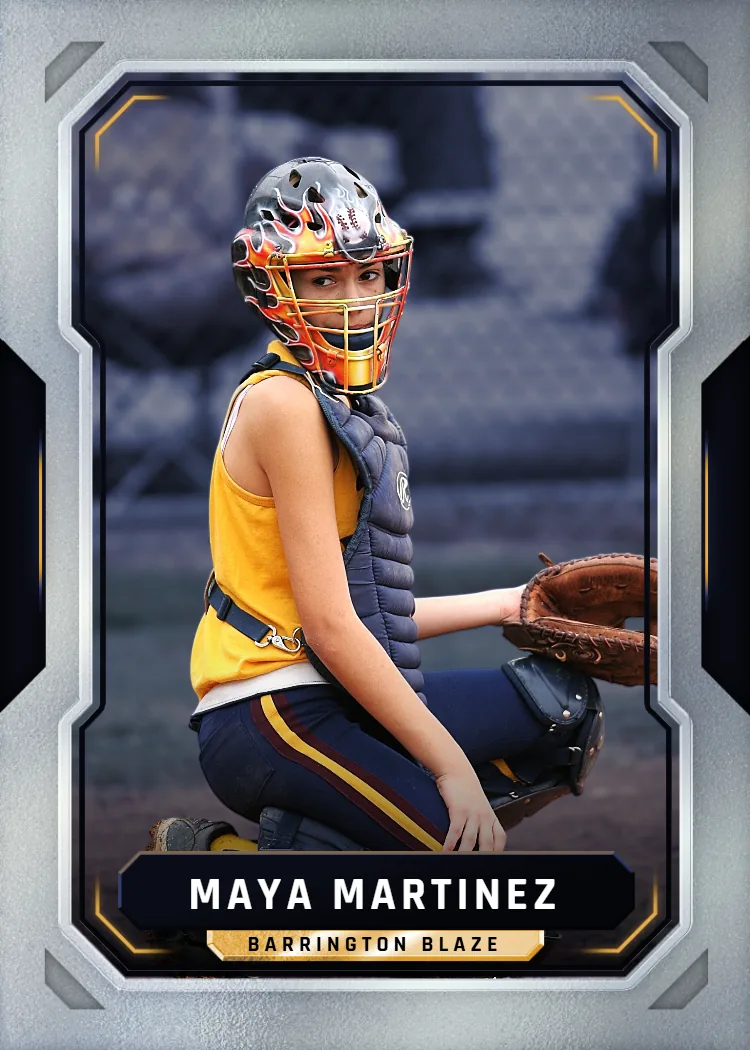
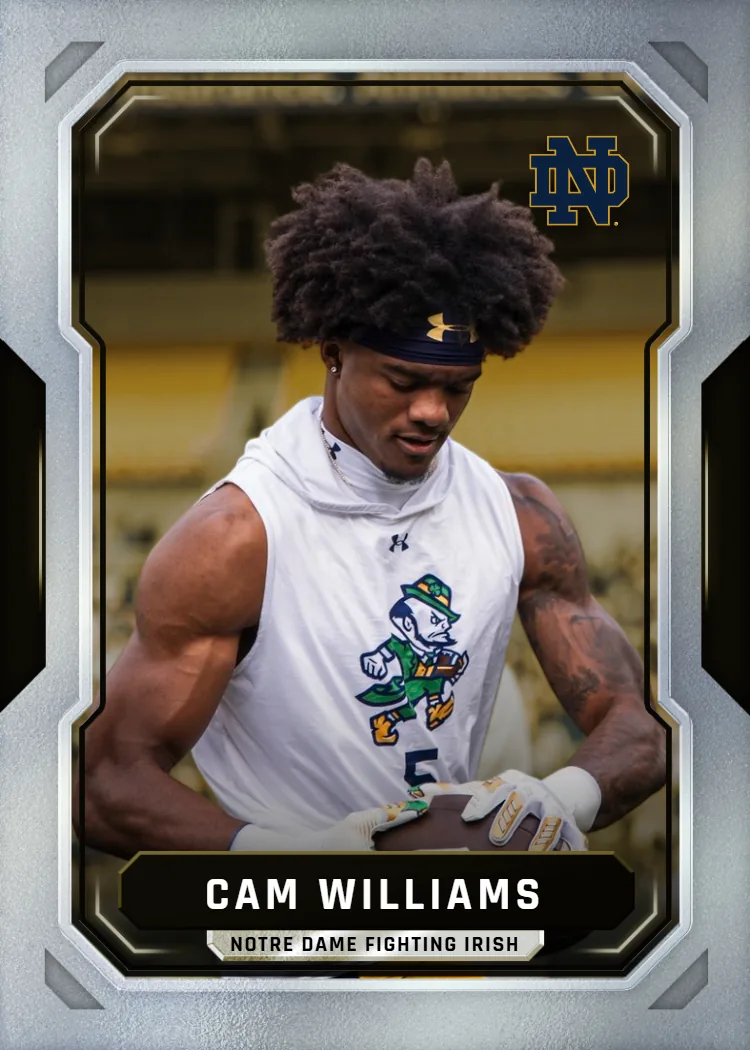

Ready to Build Your Own Card Alongside Your Old Topps Baseball Cards?
Skip the grading guesswork and create something new instead. Upload a photo, pick a pro-style template, and get a premium custom card shipped in 2-3 days with a free magnetic case — made right here in the USA.
Create Your Custom CardNo credit card required | Instant preview | Pro-quality designs
Explore More Card Options
Discover more custom trading card options for every sport and occasion
baseball cards
View card options →
buying baseball cards
View card options →
baseball card packs
View card options →
baseball card size
View card options →
make your own baseball cards
View card options →
pics of baseball cards
View card options →