
Sport Nutrition for Young Athletes: Fuel & Celebrate
Young athletes train hard. What they eat between sessions determines how much of that effort actually sticks.
Upload any photo — your kid, your pet, your whole team — pick a pro template, and we print and ship a real, holdable card the next business day.

Most kids playing recreational or competitive sports are under-fueled — not because their parents don't care, but because sport nutrition for young athletes is genuinely confusing. Should a 12-year-old soccer player eat differently than a 14-year-old swimmer? Absolutely. Yet the guidance floating around online is either aimed at adult bodybuilders or so vague it's useless. Poor nutrition leads to slower recovery, more injuries, trouble concentrating at practice, and performance that plateaus no matter how many hours of training get logged.
Getting sport nutrition right for young athletes comes down to three pillars: consistent fueling before and after activity, adequate hydration throughout the day, and enough variety to cover micronutrient needs growing bodies demand. This guide breaks those pillars into practical, sport-specific steps any player or parent can act on immediately. And once your athlete is performing at their best? Snapshot custom trading cards are a one-of-a-kind way to mark that milestone — printed on premium card stock and shipped in 2-3 days.
Start with the fundamentals, then build toward game-day habits your athlete will actually stick to.
Related Topics
We ship custom trading cards to youth sports families and teams in all 50 states every single week, and we've seen firsthand how much a printed card means to a young athlete who's putting in real work.
What Proper Nutrition Delivers for Youth Athletes
Sport nutrition for young athletes isn't about supplements or strict diets — it's about giving a developing body the raw materials it needs to perform and grow.
Faster Recovery Between Sessions
Adequate carbohydrate and protein intake after practice restores muscle glycogen and repairs micro-tears in muscle fibers. Athletes who fuel their recovery consistently miss fewer practices due to soreness and return to each session closer to full capacity — a compounding advantage over a full season.
Sharper Focus During Competition
The brain runs on glucose. A young athlete who skips breakfast before a 9 AM game is essentially competing with a low battery. Stable blood sugar from a balanced pre-game meal supports concentration, reaction time, and the split-second decisions that separate good plays from great ones.
Reduced Injury Risk
Calcium, Vitamin D, and adequate protein directly support bone density and muscle integrity. Young athletes in high-impact sports — gymnastics, wrestling, basketball — are particularly vulnerable to stress fractures when these micronutrients are chronically low. A varied diet rich in dairy, leafy greens, and lean protein is the most practical insurance policy available.
Sustainable Energy Across Full Tournaments
Multi-game tournament days expose under-fueled athletes within the second or third match. Complex carbohydrates — oats, sweet potatoes, whole-grain pasta — release energy slowly enough to sustain output across back-to-back games, while simple carbs provide fast top-ups between matches. Planning both types of carbs into tournament-day meals makes a measurable difference.
Free to design, instant preview. Ships the next business day.

Why Families Trust Snapshot to Celebrate Their Athletes
Snapshot ships custom trading cards to youth sports families across all 50 states every week — from a single keepsake card honoring a personal best to team packs that coaches hand out at end-of-season celebrations. Parents consistently tell us the cards arrive looking more polished and professional than they expected, and that athletes genuinely treasure them in a way digital photos never quite replicate.
When a young athlete is putting in the nutritional and physical work to improve, a tangible card makes that effort feel real and recognized.
How Sport Nutrition for Young Athletes Actually Works
Understanding nutrition doesn't require a dietitian's degree. Three sequential steps cover the majority of what youth athletes need to know and do consistently.
Build a Reliable Pre-Activity Fuel Window
Eat a balanced meal 2-3 hours before practice or competition: carbohydrates for quick-access energy, moderate protein to protect muscle, and low fat to keep digestion fast. A whole-grain sandwich with turkey and a banana is a classic for a reason. If there's only 30-60 minutes before activity, a smaller snack — rice cakes with peanut butter — gets the job done without causing stomach cramps mid-drill.
Hydrate Before You're Thirsty
Thirst is a lagging indicator. By the time a young athlete feels thirsty, they're already 1-2% dehydrated — enough to reduce speed, reaction time, and decision-making. The practical fix is straightforward: 16 oz of water two hours before activity, consistent sips during warm-ups, and 8 oz immediately after every 20 minutes of intense play. Sports drinks are appropriate for sessions exceeding 60-75 minutes; water covers everything shorter.
Prioritize Recovery Nutrition Within 45 Minutes
The recovery window is real. Muscles are most receptive to glycogen replenishment within 30-45 minutes of finishing hard exercise. A 3:1 carb-to-protein ratio works well — chocolate milk is frequently cited in sports science literature for hitting this ratio naturally. Greek yogurt with fruit, or a simple turkey wrap, also work. Skipping this window pushes recovery into the next day, compounding fatigue across a training week.
Consistency across all three steps matters more than perfection on any single day. Build the habit, and results follow.
Sport Nutrition Daily Checklist for Young Athletes
Run through this checklist on training days to confirm your athlete's nutritional bases are covered.
- Ate a balanced meal 2-3 hours before practice (carbs + protein + low fat)
- Drank 16 oz of water at least 2 hours before activity
- Packed a small snack for the 30-minute pre-practice window if needed
- Hydrated consistently during warm-up and throughout practice
- Consumed a recovery snack with a 3:1 carb-to-protein ratio within 45 minutes of finishing
- Continued hydrating with water for 2-3 hours post-practice
- Ate a full, balanced dinner including calcium and iron-rich foods
- Kept screen time and stress low in the hour before sleep to support overnight recovery
- Planned the next day's pre-activity meal in advance (especially on game days)
- Checked urine color before bed — pale yellow confirms adequate hydration
Sport Nutrition Strategies for Different Youth Sports
Energy demands vary significantly by sport type. Here's how nutrition priorities shift depending on what your athlete plays.
Endurance Sports: Cross Country, Swimming, Cycling
Athletes logging 60-plus minutes of continuous aerobic effort need higher overall carbohydrate intake — often 55-65% of total daily calories. Iron is a particular concern for distance runners, especially female athletes, since repeated foot-strike can damage red blood cells. Lean red meat, legumes, and fortified cereals should appear regularly in weekly meal planning. Sodium replacement during long training runs also becomes relevant in warm-weather months.
Team Sports: Soccer, Basketball, Lacrosse
These sports demand repeated explosive sprints with incomplete rest — a metabolic profile that drains muscle glycogen faster than steady-state cardio. Young players benefit from carbohydrate-forward meals the evening before games, not just the morning of. Halftime or between-quarter snacks — a banana, orange slices, or a sports gel for older teens — help maintain sprint quality deep into the second half when games are often decided.
Strength and Power Sports: Wrestling, Gymnastics, Track Field Events
Protein needs edge higher for athletes building or maintaining strength: roughly 1.2-1.6 grams per kilogram of body weight daily. Equally important is avoiding chronic under-eating, which is surprisingly common in weight-class or aesthetic sports. Gymnastics and wrestling in particular carry risk factors for disordered eating. Coaches and parents should actively model and encourage consistent, adequate fueling rather than framing weight as a primary performance metric.
Simple, Transparent Pricing for Every Budget
Snapshot keeps pricing straightforward with no hidden fees and free shipping on every order across the USA.
Single custom cards start at $17.99. Card packs are available up to $49.99 for larger team orders. The MEGA poster card — an oversized 11"×15" premium card — is $49.99 and makes an unforgettable display piece. Every order ships free within the USA and arrives in 2-3 days.
One card, one moment, preserved on professional card stock. It's a lasting reward that costs less than a sports supplement and means more to your athlete.
Box Options
Simple, collectible pricing. No subscriptions, no hidden fees.

The Rookie Box
Perfect for those unforgettable moments
$17.99 - $49.99

MEGA Card
Their moment, bigger than ever
$49.99
Create for free • Ships the next business day • Made in Des Moines, IA, USA
Frequently Asked Questions
How many calories does a young athlete actually need each day?
Caloric needs for youth athletes vary significantly by age, body size, sport, and training volume. A 10-year-old recreational soccer player may need around 1,800-2,200 calories daily, while a 16-year-old competitive swimmer training twice a day can require 3,000-3,500 or more. The most reliable signal is whether your athlete maintains consistent energy throughout practices, recovers well between sessions, and is growing at a healthy rate. If they're constantly tired or losing weight unintentionally during a season, calories likely need to increase. A registered dietitian who works with young athletes can provide individualized guidance.
Are protein supplements safe for youth athletes?
For the vast majority of young athletes, whole-food protein sources — eggs, chicken, dairy, legumes, fish — provide everything their bodies need without any supplementation. Most youth athletes don't actually meet the threshold of protein intake where additional supplements would offer benefit. Protein powders aren't regulated the same way medications are, and some products contain additives or substances that aren't appropriate for developing bodies. If a coach or teammate is pushing supplements, that's worth a conversation with your pediatrician first. Food-first is the right default until a healthcare provider says otherwise.
What should a youth athlete eat the night before a big game?
The night-before meal is genuinely important, especially for morning games where pre-competition eating time is compressed. Focus on a carbohydrate-centered dinner: pasta with a moderate protein source like grilled chicken, rice with vegetables and beans, or a potato-based meal. Keep fat intake lower than usual — high-fat meals slow gastric emptying and can leave athletes feeling heavy. Avoid introducing new foods the night before competition. Familiar foods reduce the risk of unexpected digestive issues. Hydration starts the night before too: a full water bottle with dinner is a simple habit that pays off at game time.
How much water should a young athlete drink on a practice day?
A practical daily target for active youth is roughly half their body weight in ounces — so a 100-pound athlete aims for approximately 50 oz on normal days, more on training days. Add 16 oz two hours before activity and consistent sips of 4-8 oz every 15-20 minutes during practice. After exercise, replacing fluids continues for 2-3 hours. Urine color is a reliable field check: pale yellow means well-hydrated, dark yellow or amber signals they need to drink more. Caffeinated drinks and sugary sodas don't count toward hydration — they actually pull fluid from cells.
Do youth athletes in different sports need different diets?
Yes, meaningfully so. Endurance athletes like cross-country runners and swimmers rely more heavily on carbohydrates for sustained aerobic output and need to pay closer attention to iron and electrolytes. Power athletes like wrestlers and gymnasts have higher relative protein needs for muscle maintenance. Team sport athletes benefit from periodized carbohydrate intake — higher on training and game days, slightly lower on rest days. Across all sports, micronutrient needs from calcium, Vitamin D, and iron are non-negotiable for growing bodies. The underlying framework of balanced whole foods applies universally; the specific emphasis shifts by sport.
Is it okay for young athletes to follow vegetarian or vegan diets?
Absolutely, with thoughtful planning. Plant-based diets can fully support athletic performance and healthy development, but they do require attention to specific nutrients that are less bioavailable or absent in plant foods: complete protein (combining complementary sources like rice and beans), iron (pairing plant iron sources with Vitamin C to boost absorption), Vitamin B12 (supplementation is often necessary), calcium, and Vitamin D. Young athletes on plant-based diets benefit from periodic blood work to confirm levels are adequate. A registered dietitian familiar with both sports performance and plant-based nutrition is the most valuable resource for this planning.
What are the best snacks for between-game tournament days?
Tournament days — where a young athlete might play two or three games with 60-90 minutes between them — require a specific snacking strategy. Between games, focus on easy-to-digest carbohydrates with moderate protein: banana with peanut butter, a turkey and cheese wrap on white bread (lower fiber is fine here since it digests faster), pretzels with hummus, or orange slices. Avoid high-fiber vegetables, heavy proteins, or greasy foods between games. Keep portion sizes moderate — enough to top up energy without creating a full stomach going into warm-ups. Have water and electrolyte drinks available throughout.
How do I know if my young athlete isn't eating enough?
Signs of under-fueling in youth athletes are sometimes subtle. Watch for persistent fatigue that doesn't resolve with rest, frequent minor injuries or stress fractures, getting sick more often than usual, noticeable mood changes around mealtime or after practices, declining performance despite consistent training, and difficulty concentrating in school. In female athletes, loss of menstrual cycle is a serious red flag known as part of the Female Athlete Triad. Young athletes often don't recognize they're under-eating because they've normalized feeling tired. If multiple signs appear, a conversation with a pediatrician or sports dietitian is warranted promptly.
Are sports drinks necessary for youth athletes, or is water enough?
Water is sufficient for the majority of youth sports activities. The threshold where sports drinks provide a meaningful advantage is generally sessions lasting longer than 60-75 minutes of continuous moderate-to-intense effort, or activities in hot, humid conditions where sweat losses are high. For a 45-minute recreational practice, a sports drink adds sugar and calories without a real performance benefit — water works fine. For a two-hour summer soccer tournament, an electrolyte drink can help replace sodium and maintain fluid balance. Reading labels matters: many commercial sports drinks contain more sugar than athletes need, so diluting them 50/50 with water is a reasonable middle ground.
Free to design, instant preview. Ships the next business day.




Celebrate the Athlete Fueling Their Best Season Yet
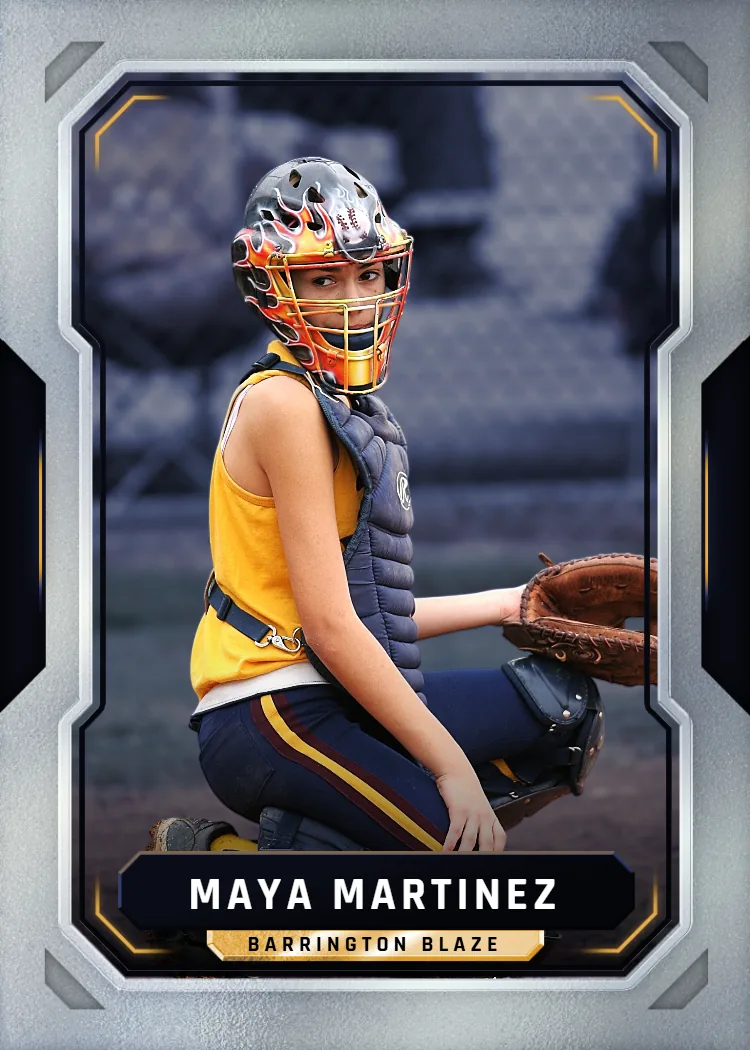
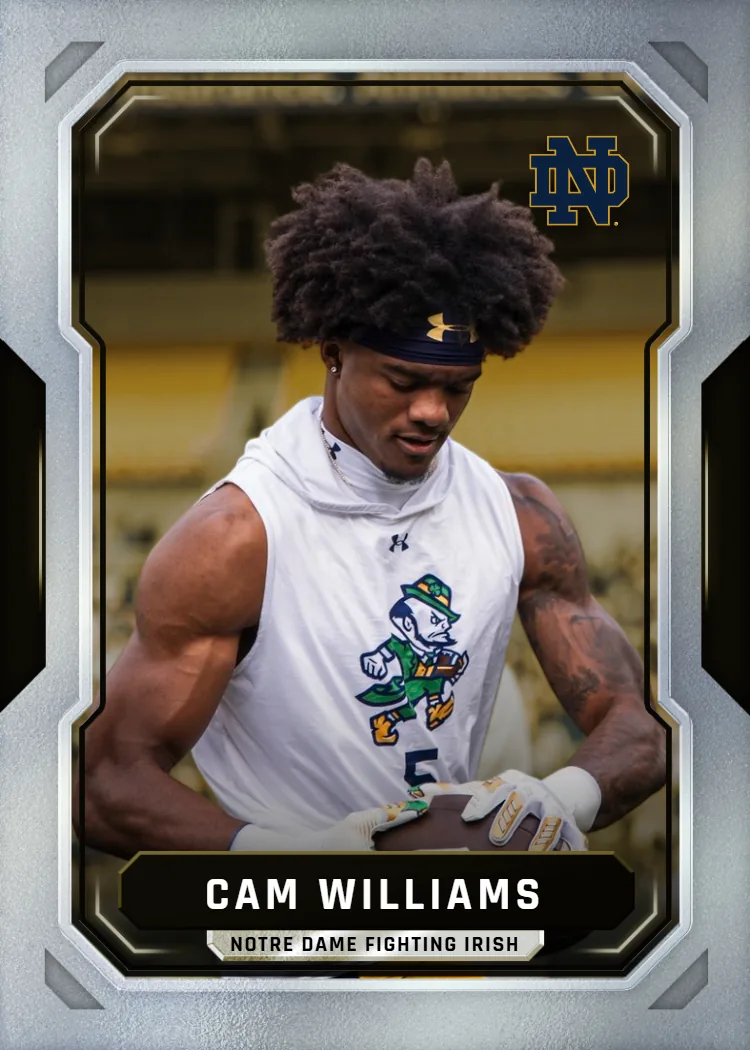
Sport nutrition for young athletes is the foundation of real athletic growth. When your player is doing the work — eating right, training hard, showing up — a custom Snapshot trading card is the perfect way to mark that effort. Free shipping, 2-3 day delivery, made in Des Moines, Iowa.
Design Your Card NowNo credit card required | Instant preview | Pro-quality designs
Explore More Card Options
Discover more custom trading card options for every sport and occasion