
Sports Banquet Ideas: Separating What Works From What Doesn't
Most sports banquet ideas circulating online are recycled trophy-shop copy. Few actually hold up once you're planning a real end-of-season night.
Upload a photo of your player, pet or team, choose an available template, and preview your design before ordering a printed card.
Search 'sports banquet ideas' and you'll get the same list forty times: photo slideshow, seniors speech, generic trophy table, maybe a raffle. None of it's wrong exactly, but it's not tailored to anything. A banquet committee of one parent volunteer, working nights after practice pickup, doesn't need forty ideas. They need to know which three or four actually land with players and which ones are just filler that eats budget and planning time without anyone remembering it a year later.
This guide separates the myths from what actually works, using a straightforward format: claim, then verdict. We'll cover timing, awards, budget traps, and one idea — custom trading cards of each player — that keeps coming up in banquet planning threads because it's cheap, fast to produce, and personal in a way a plaque isn't. Snapshot prints those cards on premium card stock in Des Moines, Iowa, and ships nationwide in 2-3 days.
Let's start with the myths that waste the most planning time.
We ship custom card orders to banquet organizers and team parents in all 50 states every week, from rec leagues to senior nights.
Frequently Asked Questions
What are the best sports banquet ideas for a small budget?
Budget-friendly doesn't have to mean forgettable, but it does mean being selective about where the money goes. Skip rented centerpieces and printed programs — nobody remembers those a week later. Instead, put the budget toward one tangible item per player, since that's what actually gets kept. Custom cards are a common choice here because they run $17.99 for a single card and don't require a minimum order size, so a coach or parent can order exactly the roster count without overbuying. Potluck-style meals instead of catered ones free up hundreds of dollars for recognition items. Digital invites instead of printed ones save more. A lot of small-budget banquets fail not because they lack funds but because the money goes toward decorations instead of what players actually take home. If you're working with under $300 for a 12-player team, plan the per-player keepsake first, then build the food and space budget around what's left. That order of operations matters more than the total dollar amount.
How far in advance should we plan a sports banquet?
Three to four weeks out is a safe minimum for most rec-level and school-level banquets, though six weeks gives more breathing room if you're coordinating a venue and catering. The tightest constraint is usually custom recognition items — cards, plaques, or engraved gifts — which need lead time for photo collection, design selection, and shipping. Snapshot ships in 2-3 days after an order is placed, but you still need time beforehand to gather player photos, pick a card template, and confirm spelling on names and stats before submitting. Venue booking should happen even earlier if you're using a school gym or a rented hall, since those calendars fill up fast during spring and fall sports seasons. What if your season runs long and you don't know the final roster until the last week? In that case, order the bulk of the team early and add stragglers as a small follow-up order — better than delaying everyone's cards waiting on one late signup.
Do sports banquet ideas need to be different for youth versus high school teams?
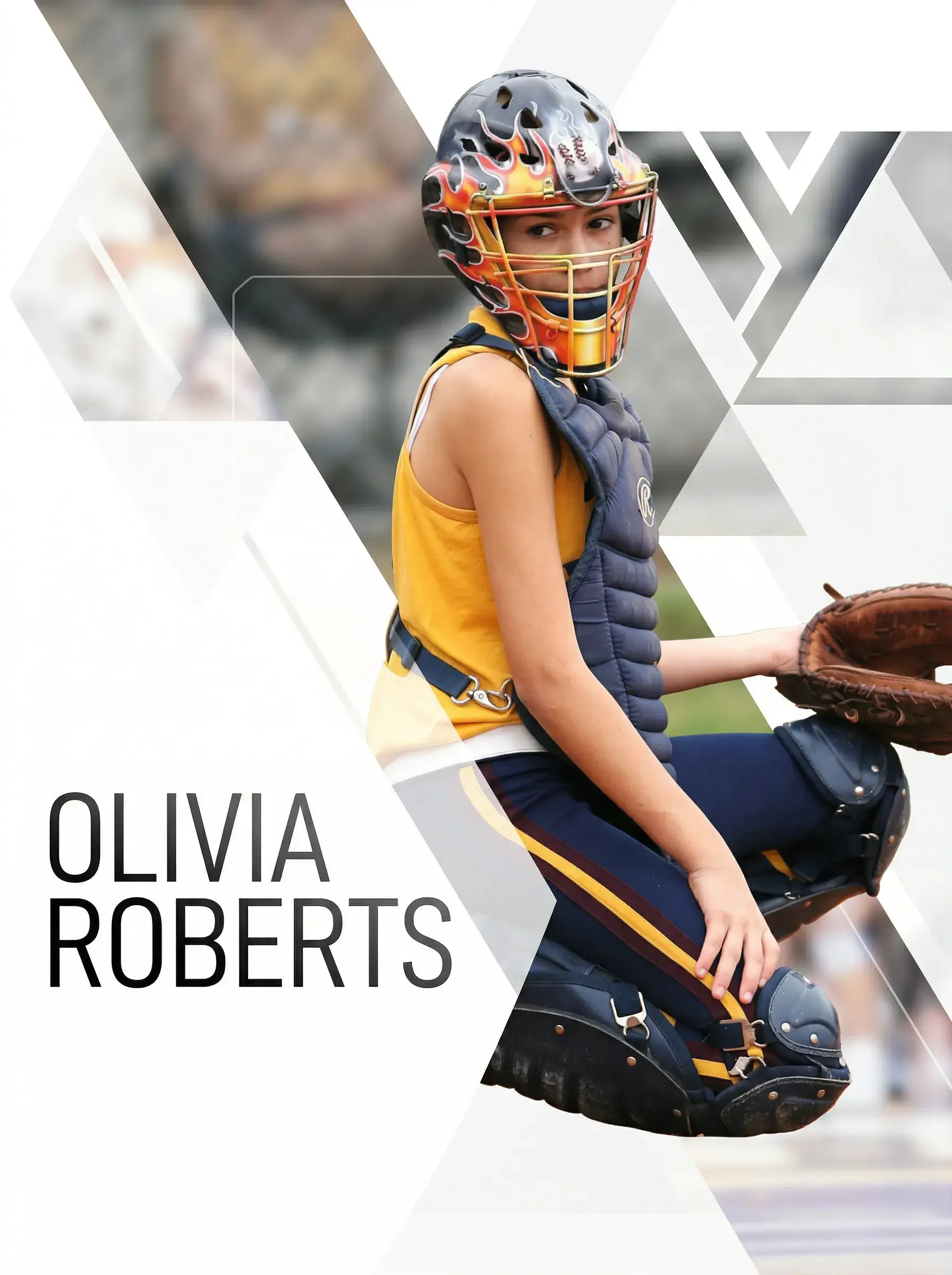
Yes, meaningfully so. Youth banquets, typically ages 5-12, run best at 45 minutes to an hour, with food, quick recognition, and minimal speeches — attention spans and parent patience both run short. High school banquets can sustain a longer format, often 90 minutes to two hours, because there's more content to cover: senior recognition, statistical recaps, coach speeches, and sometimes a guest speaker. The recognition items should scale too. A young player is thrilled with a simple card featuring their photo and jersey number. A graduating senior often wants something that feels like a real keepsake — a MEGA poster card capturing a specific game moment resonates more at that age, especially when parents are looking for something to frame or display. Trying to run a youth-league format at a high school banquet feels rushed and impersonal; running a two-hour format for 8-year-olds is a mistake you'll only make once, since restless kids and impatient parents make that clear fast.
What's a good alternative to trophies at a sports banquet?
Trophies aren't bad, but they've become the default so often that they've lost some of their impact — plus they require storage, dusting, and eventually get thrown out during a move. A rising alternative is a personalized card featuring the player's own photo, printed on professional card stock, styled like an actual pro sports card. It solves the trophy problem in a few ways: it's flat and easy to keep in a wallet, backpack, or memory box, it costs less per player than most trophy orders, and it doesn't require an engraved plate explaining what it's for. That said, some teams like a hybrid approach — one standout 'MVP' or 'most improved' trophy for the whole team, plus individual cards for every player so nobody leaves empty-handed. This avoids the common complaint where only 3-4 kids get recognized and the rest sit through an awards ceremony that isn't about them.
How do you handle recognition for a team with no clear standout players?
This comes up constantly in rec leagues where the goal is participation over competition, and it's actually one of the easier problems to solve. Instead of awards tied to performance — MVP, top scorer, best defense — shift to recognition tied to identity: a card for every player featuring their own photo, name, and jersey number, with no ranking implied. This sidesteps the awkwardness of picking a 'best' player on a team where every kid played roughly the same minutes and effort. Coaches can still call out specific positive moments verbally during the banquet without turning it into a formal award category. Some teams add a lighthearted, non-competitive superlative for fun — 'most game faces' or 'loudest sideline cheer' — printed onto a card rather than a serious trophy, which keeps the tone playful rather than competitive. The goal is making every single player feel seen, and a personalized keepsake does that more reliably than trying to force competitive categories onto a team that isn't structured that way.
Can adult recreational leagues do sports banquet ideas too, or is that just for kids?
Adult leagues absolutely do this, and honestly the format tends to be more relaxed and often more fun, since there's no need to manage 20 sets of parents or worry about attention spans. A typical adult league banquet happens at a bar, rented event space, or someone's backyard, with food, drinks, and a loose recap of the season's best and worst moments. Recognition items lean more toward humor than seriousness — a card commemorating someone's infamous dropped fly ball, or the team's oldest player still suiting up, gets more laughs than a formal plaque would. Because adult teams often have smaller rosters, ordering personalized cards for the whole team is inexpensive and quick to arrange, usually handled by whoever's already managing the team group chat. The core idea doesn't change much from youth sports — give people something specific to them, not generic — it just gets delivered with a different tone.
What's the biggest mistake people make planning a sports banquet?
The most common mistake is over-scheduling the program and under-planning the recognition piece. Committees spend weeks debating venues, menus, and decoration themes, then scramble in the final days to figure out what players actually receive. That scramble usually ends in a generic trophy order or a last-minute certificate print job that feels like an afterthought, because it was one. A better approach flips the priority: lock the recognition item first, since it usually has the longest lead time, then build the schedule and food around it. A second common mistake is trying to make every player's recognition moment identical in format but different in meaning — reading out individual stats for 25 kids one by one turns a banquet into an hour-long roll call. Varying the delivery, some spoken, some just handed out as a card or keepsake, keeps the pacing from dragging and keeps parents from checking their phones halfway through the night.
Are custom trading cards actually a good sports banquet idea, or just a gimmick?
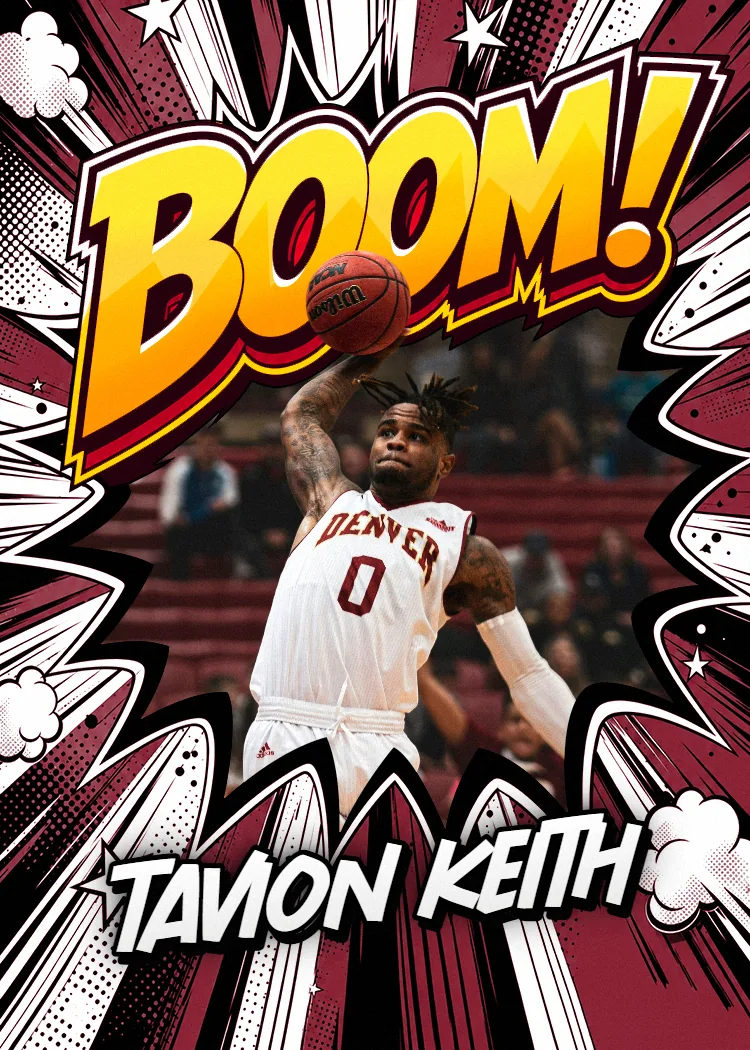
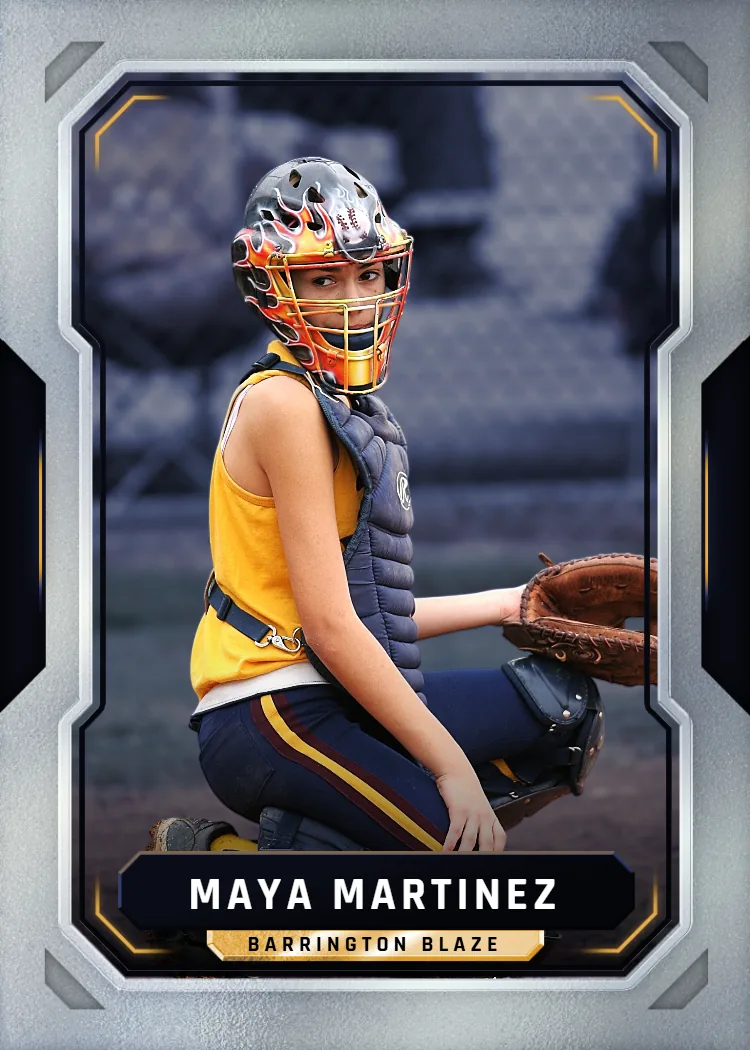
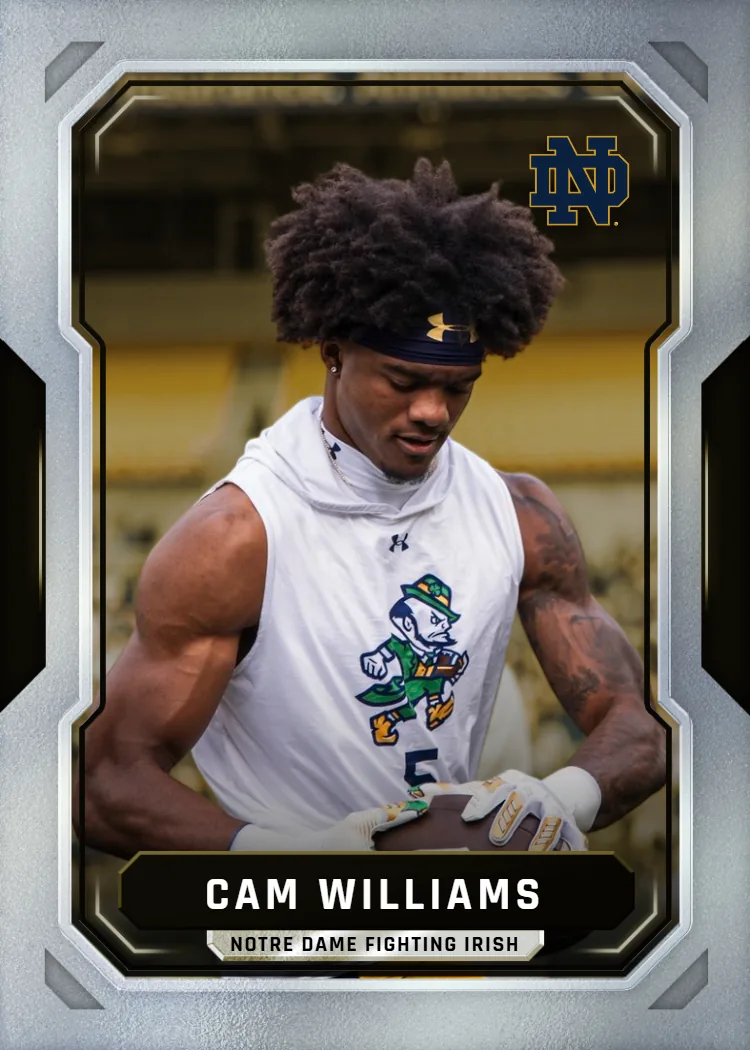
They hold up better than most 'gimmick' ideas because they solve a real logistical problem: how do you give every player something personal without spending an hour on individual speeches? A card with a kid's own photo, printed on professional card stock in a recognizable pro-sports template, is instantly understandable — no explanation needed, unlike a trophy engraved with a stat line nobody reads aloud. It's also inexpensive at scale, starting at $17.99 for a single card with pack pricing up to $49.99, which beats most trophy or plaque costs per player. The gimmick label usually applies to novelty items with no lasting use — stress balls, generic ribbons, participation medals nobody wears twice. Cards don't fall into that category because they're keepable in a way that fits how kids and teens already organize their stuff, tucked into a binder, taped to a wall, or kept in the included magnetic case. Is it right for every single banquet? Probably not if your team culture leans heavily traditional and trophy-based, but for most modern teams it earns its place.
How many awards or recognitions should a sports banquet actually have?
Fewer than most committees think. A common failure mode is creating 10-12 award categories for a 15-player roster, which means the ceremony runs long and some categories start to feel invented just to give everyone a turn at the podium. A tighter structure works better: 2-4 meaningful spoken awards, like Most Improved or Coach's Award, plus a universal keepsake — a card or similar item — for every player regardless of performance. This way nobody's left out, but the spoken portion of the ceremony stays tight, usually under 15 minutes even for a 20-player roster. If parents specifically want more recognition variety, consider handling it through the keepsake rather than the microphone. A card can note a specific stat or nickname unique to each player without requiring a live announcement, which keeps the room's energy from dragging during a long list of consecutive categories.
What should go on a printed card if we use one for banquet awards?
At minimum, the player's photo, name, jersey number, and team or season name — that's the baseline that makes it feel like a real keepsake rather than a generic template. Beyond that, teams often add a stat line, a position, or a short nickname the team uses, similar to what you'd see on an actual pro sports card. Some banquets personalize further with a specific season highlight, like 'Game-winning goal vs. Eagles' printed as a subtitle, which works especially well for seniors or standout moments worth remembering. It's worth deciding this detail level before ordering, since gathering stats and photos for 20+ players takes more coordination than most committees expect on the first attempt. A simple version, just photo and name, still works fine and ships faster since there's less information to collect and confirm. The key question to ask before finalizing is whether you want the card to double as a photo keepsake or function more like a stat card — that decision shapes what info you collect from coaches beforehand.
How do you get player photos organized for a banquet without a professional photographer?
Most teams already have what they need sitting in parent phones — game-day photos work fine for a card, and a posed studio shot isn't required. The trick is centralizing collection early rather than chasing photos the week of the banquet. A shared folder or group text where parents drop their best shot of their kid, ideally mid-action or in uniform, usually produces enough usable images within a few days. If photo quality varies a lot, it helps to set a simple minimum standard — good lighting, kid clearly visible, not blurry — and ask for a resend if one doesn't meet it. Coaches sometimes have a season's worth of sideline photos already saved that can fill gaps for kids whose parents didn't submit anything. Once photos are collected, they upload directly for card production, so there's no need for professional editing or formatting beforehand. Building in a submission deadline about a week before you plan to order avoids the last-minute rush that usually causes photo quality to slip.
What's a realistic timeline for pulling together a full sports banquet from scratch?
Four weeks is workable if you're organized; six gives comfortable room for delays. Week one is venue and date confirmation, plus deciding format and rough budget. Week two is collecting player info — photos, stats, spelling of names — since this tends to be the slowest-moving piece thanks to chasing parents for responses. Week three is ordering recognition items, whether that's cards, trophies, or both, along with finalizing catering or potluck assignments. Week four is confirming the run-of-show, printing any signage or schedules, and doing a final headcount for food. If you're working with a shorter runway, say two weeks, it's still doable, but you'll want to compress the photo-collection step immediately and place recognition item orders as early as possible, since that's the piece most likely to need reordering if something's missing, like a misspelled name or an unclear photo. Building slack into the schedule around that one step saves the most stress overall.
Free to design, instant preview. Free US standard shipping on orders $30+. Review delivery options at checkout.
How Do Sports Banquet Ideas Actually Come Together?
Most banquets follow a three-stage build: lock the format, pick the recognition piece, then handle logistics. Skip a stage and the night feels thrown together.
Decide the format before the venue
Committees usually book a room first and figure out the program later — that's backward. A 45-minute recognition segment needs a different room setup than a 2-hour dinner-and-awards night. Decide whether you're doing a sit-down meal, a potluck, or a quick after-practice gathering before you touch a venue calendar. That single decision determines catering, seating, and how much time you actually have for awards.
Choose recognition items that don't need a speech
Trophies require someone to explain why each kid earned one, which eats time when you've got 20+ players. Items like custom cards, printed with a player's photo and season stats, communicate the recognition visually — no microphone required. Order these 2-3 weeks ahead so production and shipping don't collide with your banquet date.
Build a simple run-of-show
Even informal banquets need a timed outline: welcome, meal, awards, closing. Twenty minutes of unstructured mingling before recognition starts is fine; an hour is not, especially with younger kids. Print or text the coaches a one-page schedule so nobody's guessing when it's their turn to talk.
None of this requires a professional event planner — just sequencing decisions in the right order.
What Actually Makes a Banquet Idea Worth Doing
Not every idea deserves a spot on the night. Here's what separates the ones worth your budget from the ones that just fill time.
It's memorable past the parking lot
A slideshow is forgotten by Tuesday. A framed team photo gets stuck in a drawer. Ideas that survive — a card, a keepsake, a personalized memento — are the ones still visible in a kid's room months later.
It scales to team size without extra work
Good banquet ideas don't get harder to execute at 30 players versus 12. Custom card orders, for example, scale by simply adding players to the batch — no added planning labor per person.
It doesn't require someone to stand up and talk
The best banquet moments are ones every kid experiences the same way, without depending on a parent volunteer's public speaking comfort level or a shy player's willingness to walk to the podium.
It fits a real budget, not an ideal one
Most youth and rec-league banquets run on $200-$600 total. Ideas that cost per-player rather than a flat venue fee let you scale recognition up or down as the roster count shifts.
Where These Sports Banquet Ideas Get Used
Banquet planning looks different depending on who's in the room. Here's how the same core ideas flex across three common situations.
Youth rec league end-of-season party
These are often 45 minutes squeezed between snack time and pickup. Parents want something fast, visual, and cheap per player. A custom card with the kid's photo on a pro-style template, handed out with a juice box and pizza, covers the recognition need without a formal ceremony. No speeches, no awkward silence waiting for the right trophy to be found in a box.
High school varsity banquet with seniors
These run longer — often 2 hours with a sit-down meal — and typically include senior recognition, a season recap, and coach remarks. This is where a MEGA poster card of a senior's standout moment works well as a keepsake gift, alongside the standard awards program. Budget tends to run higher here since parents co-fund the event.
Adult league or club team celebration
Less about ceremony, more about camaraderie — think a bar or rented hall, casual format, maybe a slideshow running in the background. Custom cards work here as a nostalgic, slightly funny gift, especially for the team's self-appointed 'legend' or the player who never misses a game despite a 0-for-20 season.
What Banquet Organizers Keep Ordering Again
Across the seasons Snapshot has shipped cards for banquets nationwide — youth soccer, Little League, adult softball leagues — one pattern shows up consistently: teams that order custom cards for one banquet tend to reorder the following season without needing convincing.
It's usually the parent volunteer who ran it once, saw how fast the cards got passed around the room, and didn't want to plan a different recognition idea from scratch the next year.
What Do Sports Banquet Ideas Like This Cost?
Custom card pricing runs by unit, not by event, so it scales cleanly with roster size.
Rookie Box single card $17.99, packs up to $49.99, MEGA 11"×15" poster card $49.99, free shipping over $30 across the USA.
A full team of 15 players lands well under most banquet swag budgets, with no venue markup or bulk-order minimums to plan around.
Box Options
Simple, collectible pricing. No subscriptions, no hidden fees.
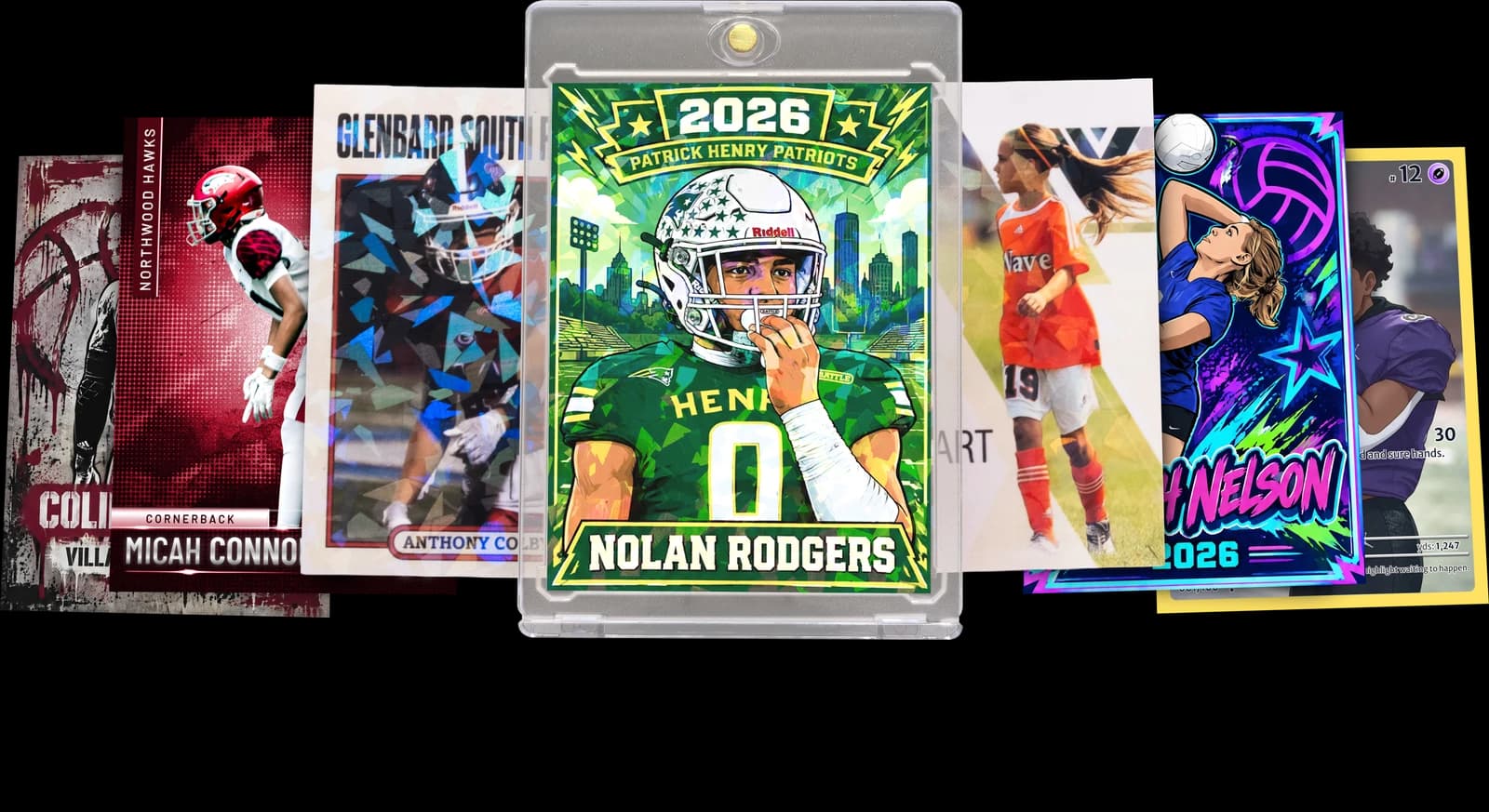
The Rookie Box
Perfect for those unforgettable moments
$17.99 - $49.99
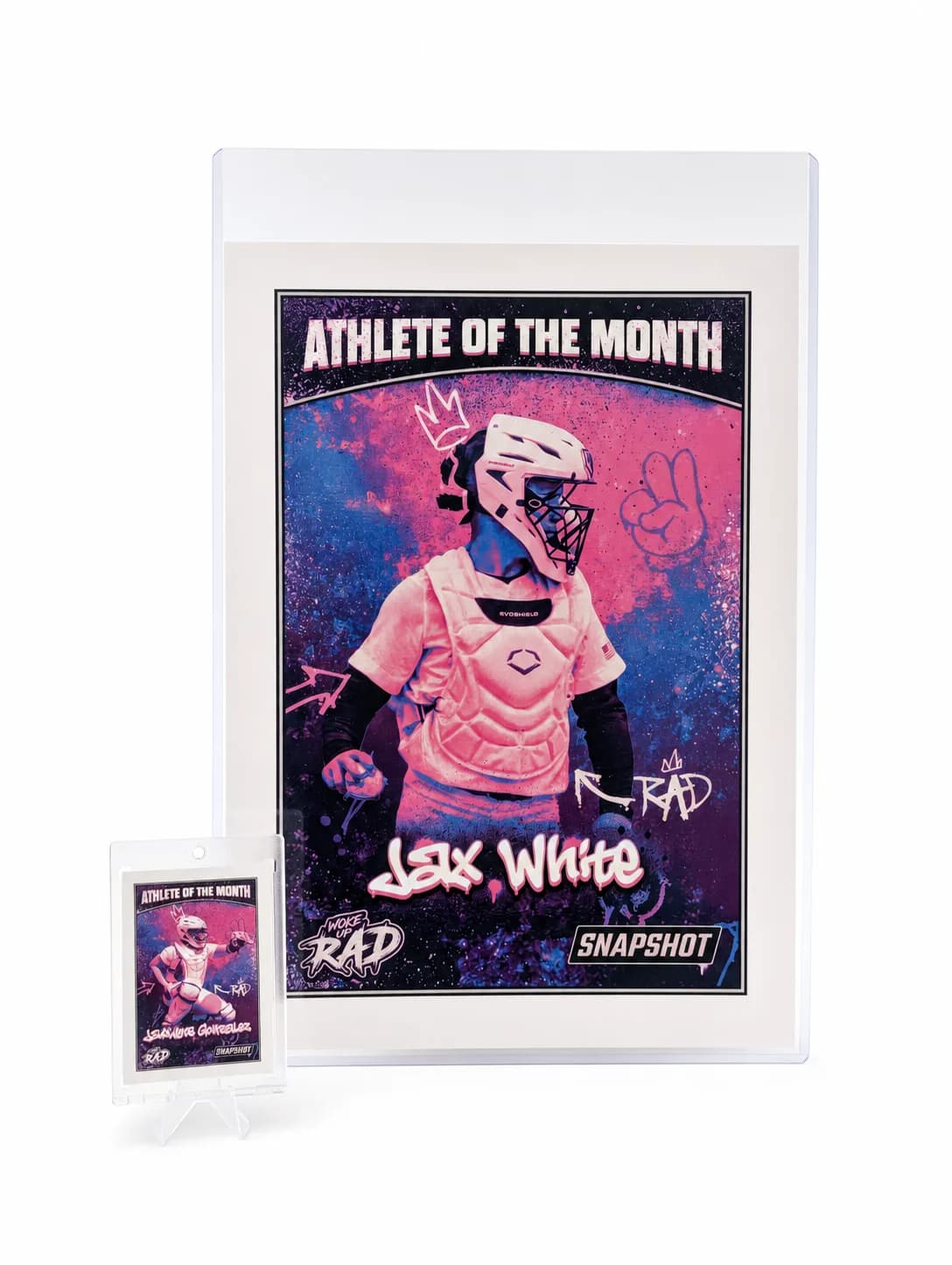
MEGA Card
Their moment, bigger than ever
$49.99
Create for free • Ships the next business day • Made in Des Moines, IA, USA
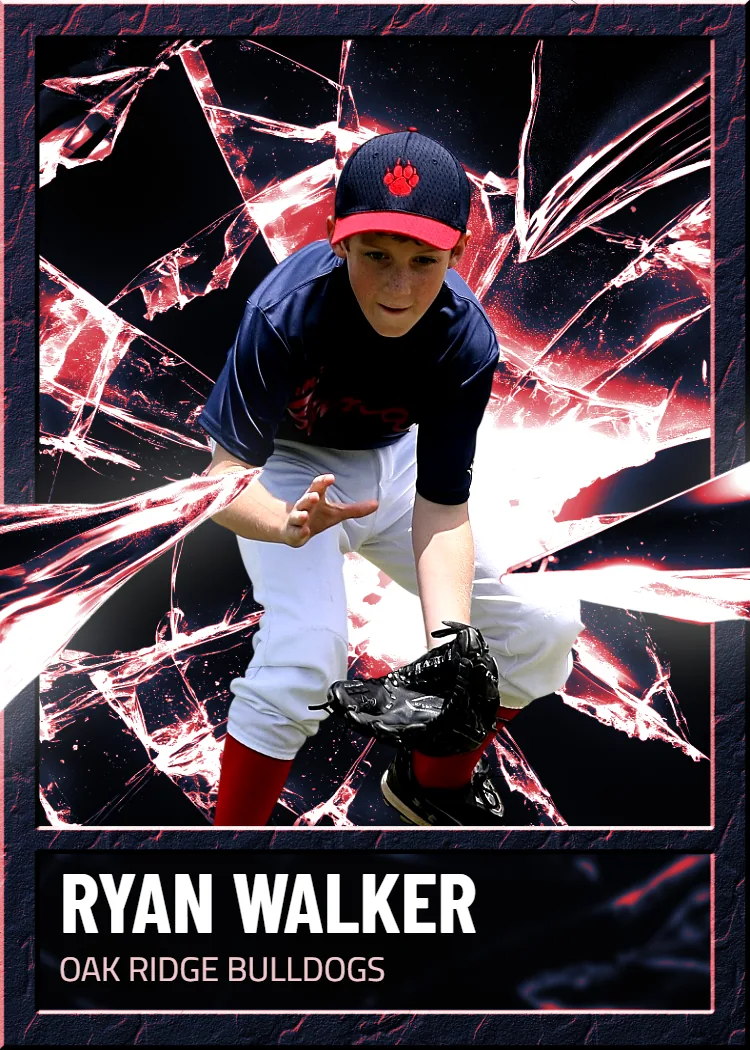
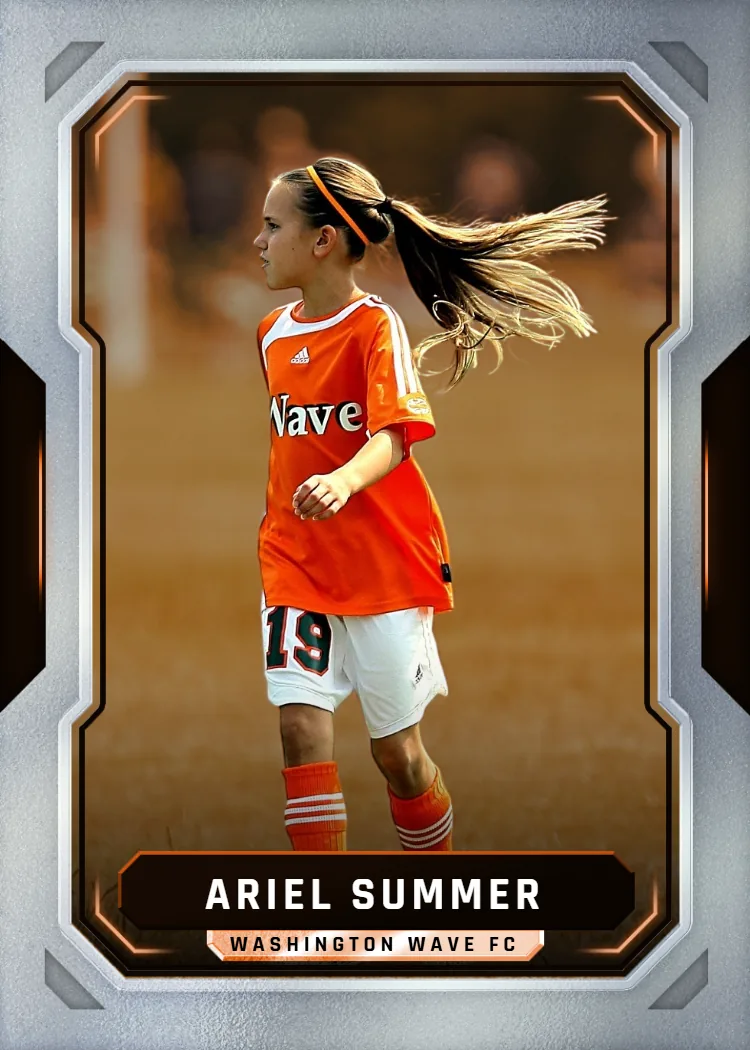
Ready to Put Together Sports Banquet Ideas That Actually Land?
Skip the trophy-shop default. Upload each player's photo, pick a card template, and get premium custom cards shipped nationwide in 2-3 days — with a free magnetic case for every card.
Start Your Team OrderNo credit card required | Instant preview | Pro-quality designs
Explore More Card Options
Discover more custom trading card options for every sport and occasion