
Sports Banquet Program Templates: What Actually Gets Remembered
Every banquet committee searches sports banquet program templates the same week, then wonders why nobody keeps the printed program past the parking lot.
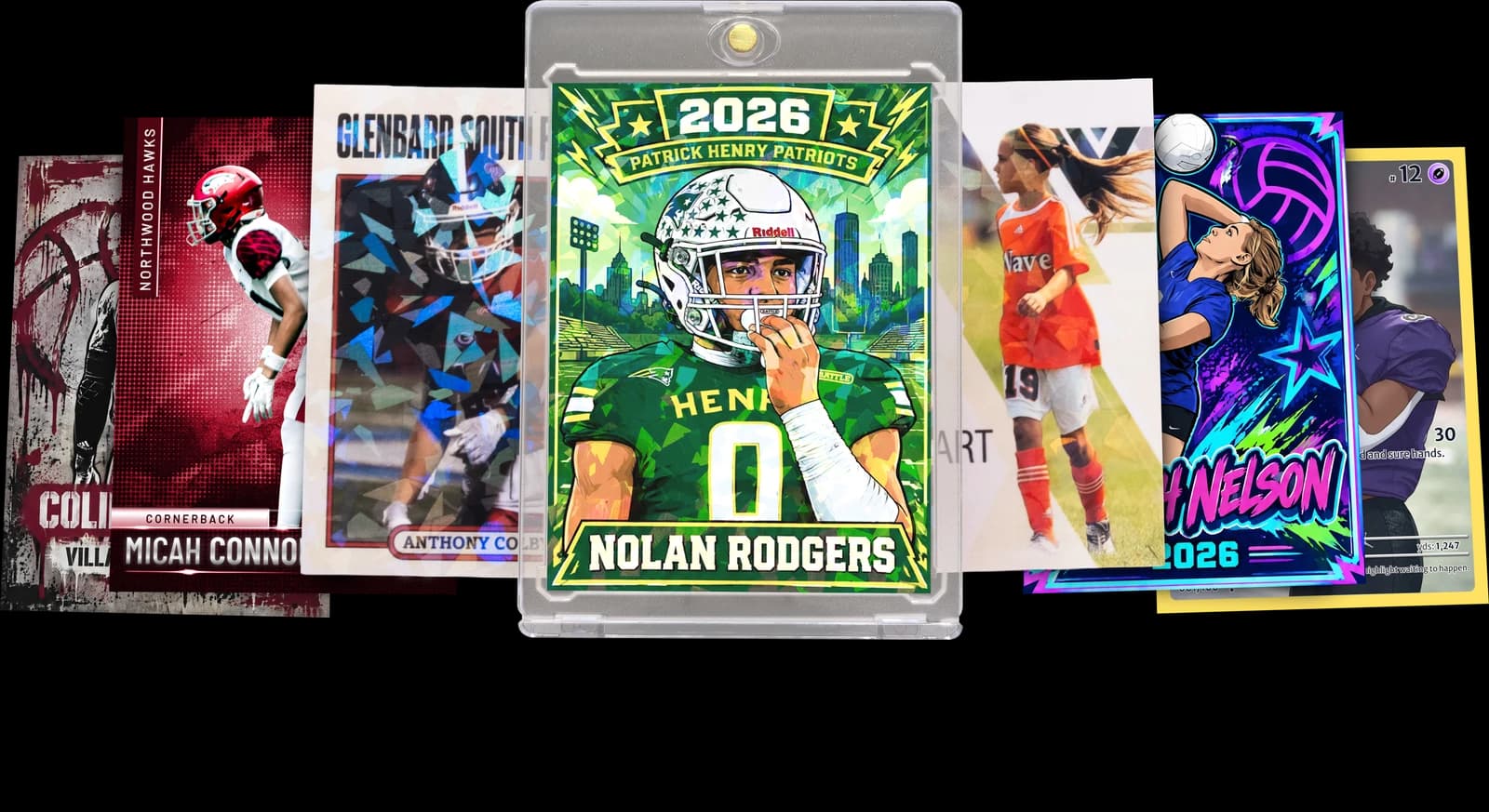
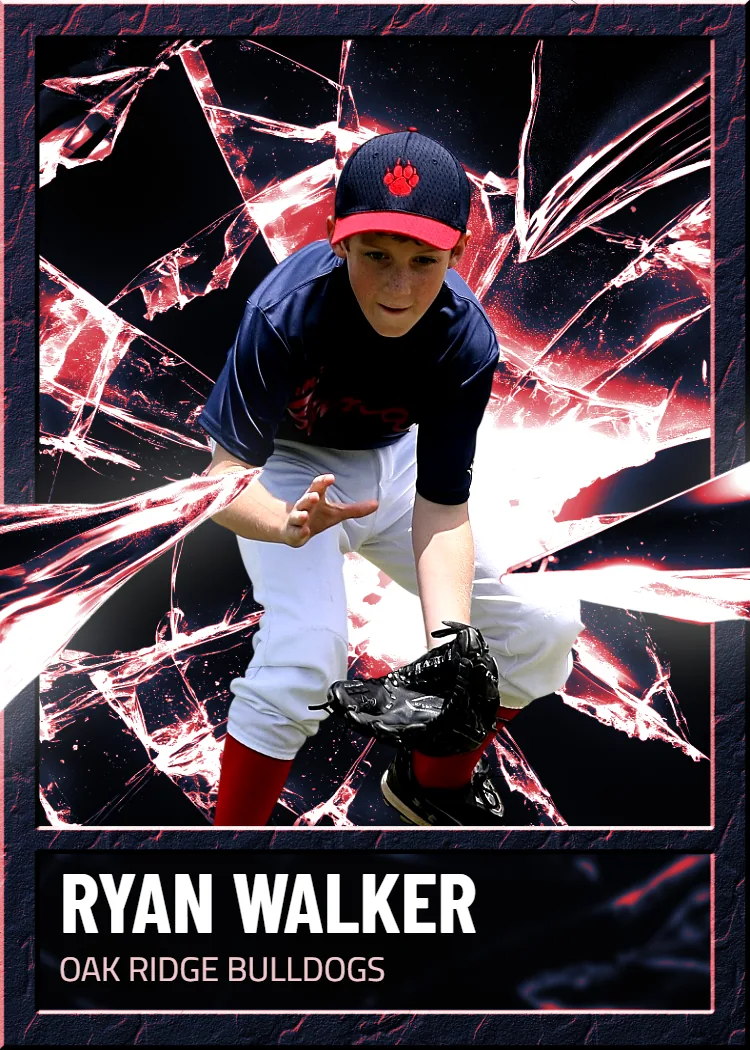
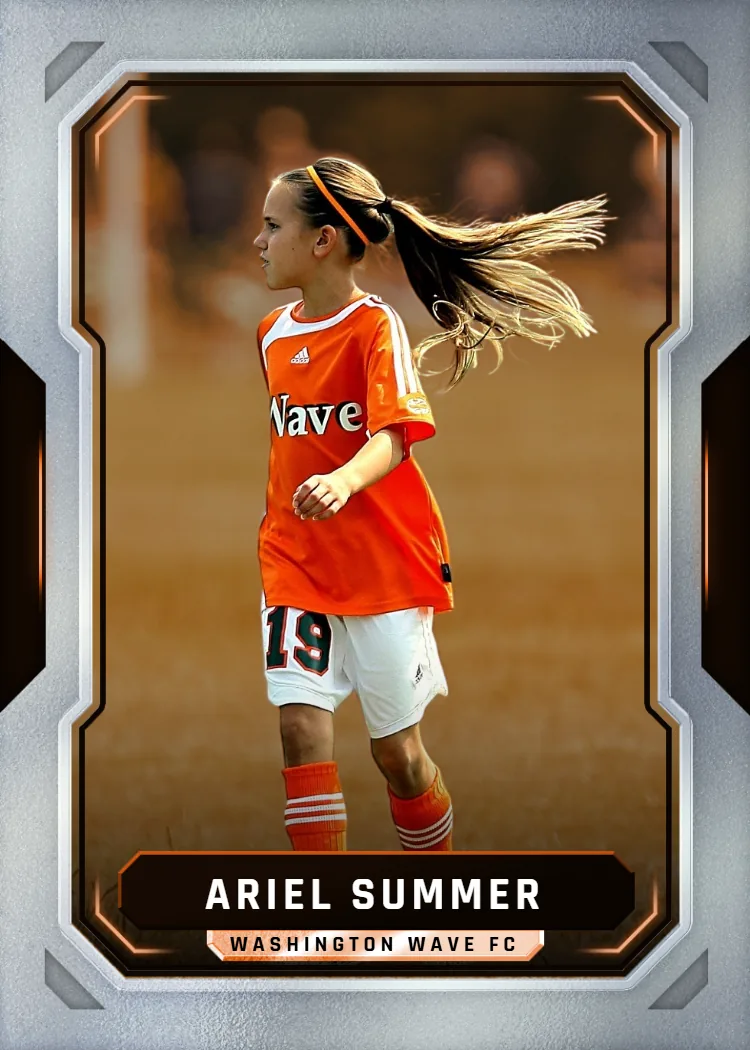
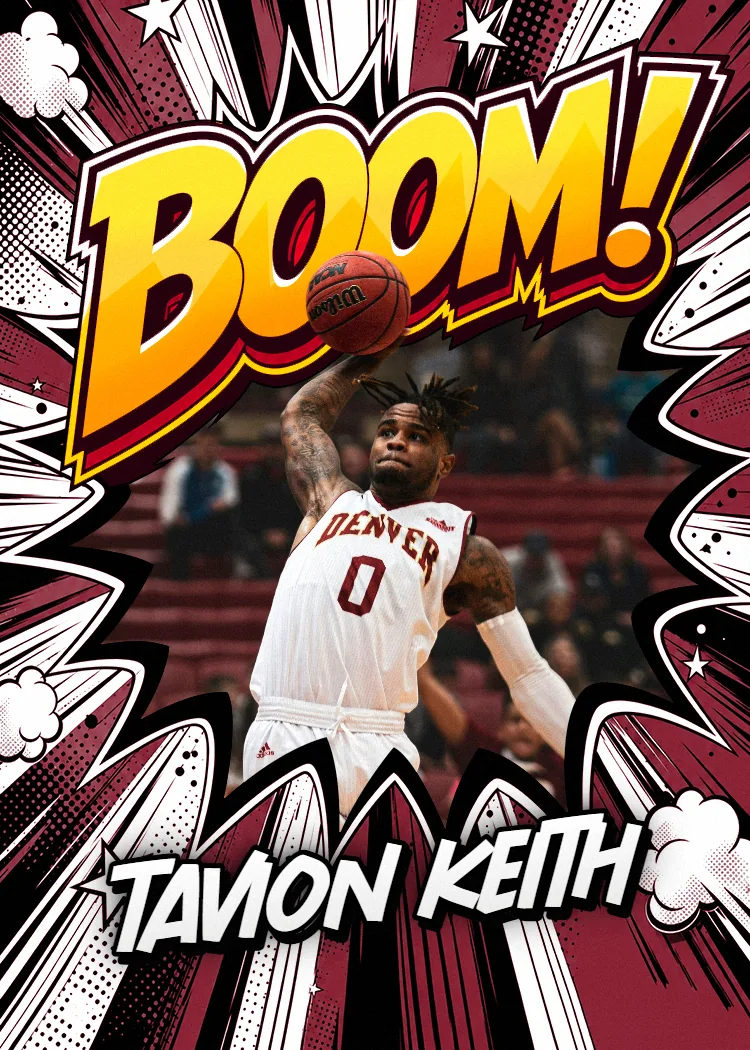
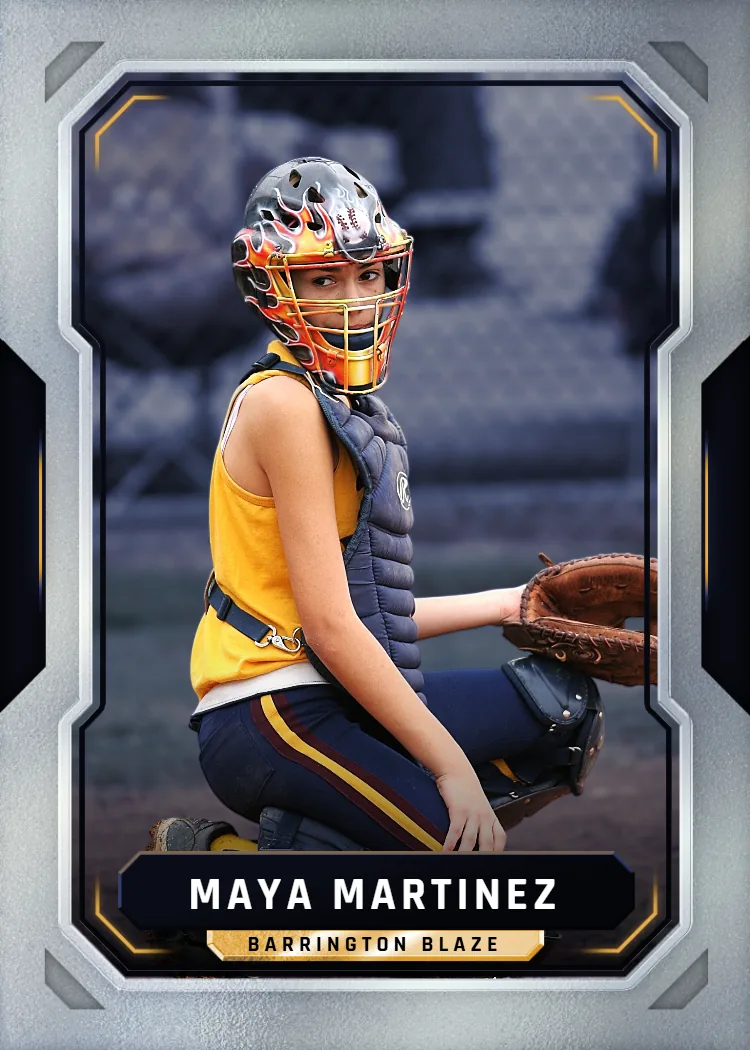
Upload a photo of your player, pet or team, choose an available template, and preview your design before ordering a printed card.
Here's the pattern: someone volunteers to handle the banquet, googles sports banquet program templates, spends three hours in a document editor wrestling with headshot placement, and prints 60 copies that get folded into pockets and tossed by Monday. The template itself isn't the problem — it's that a folded paper program was never designed to be kept. It's designed to get everyone through one evening of speeches and dinner rolls, then get recycled. That's fine for logistics. It's not fine if the actual goal is giving each kid something they'll still have in ten years.
That's the myth-vs-fact gap worth clearing up before you commit hours to formatting. A program handles the night's schedule; a printed keepsake card handles the memory. Snapshot lets you upload any team photo, pick from pro-style sports card templates, and get premium card stock printed and shipped in 2-3 days with a free magnetic case — built to be handed out at the same banquet, but kept for years.
Let's separate what a program template can actually do from what people assume it does.
We ship custom banquet cards to leagues and teams in all 50 states every week, timed around banquet nights big and small.
Frequently Asked Questions
Can I really use sports banquet program templates for individual player cards instead of a group program?
Yes, and that's actually the more common request once organizers realize how the two formats differ. A traditional program template is built around one shared document — a schedule, a roster list, maybe a sponsor page — printed once for the whole room. A card template works the opposite way: one photo, one player, one printed piece per person. You're not editing a master document and hoping the layout holds at 40 or 80 entries; you're uploading a photo per player into a fixed design. That means no fighting page breaks when your roster grows mid-season, and no awkward cropping when someone's headshot doesn't match the aspect ratio your program template expects. Plenty of banquet committees do both — a simple one-page program for the evening's schedule, plus individual cards as the keepsake moment when names get called. If you're only picking one, most parents remember the card longer than the folded paper.
What's the actual difference between a banquet program and a keepsake card?
A program is a logistics document — it tells everyone in the room what's happening tonight, who's being recognized, and in what order. A keepsake card is a memory object — it's built to be picked up months later and still mean something. That's the core myth worth busting: people assume a nicer-looking program template solves the keepsake problem, but even a beautifully designed program is still one shared sheet of paper that gets folded, stuffed in a pocket, and often tossed. A card, especially one that ships with a magnetic case, gets displayed instead of discarded. It's not that programs are bad — they do their job well for one evening. It's that the two objects are solving different problems, and conflating them is where most banquet planning time gets wasted on formatting that doesn't actually improve what gets kept.
How far in advance do I need to order before the banquet?
Cards print and ship in 2-3 days, which gives you more flexibility than most people expect when they're used to program printing timelines that require a week or two of lead time for proofs and revisions. That said, you'll still want buffer time for shipping once the cards leave production, plus time to gather player photos, which is usually the actual bottleneck. If your roster finalizes a week before the banquet, you're in solid shape. If you're pulling this together three days out because someone forgot to order the program until the last minute, it's tighter but often still doable — just upload photos as soon as you have them rather than waiting to collect every single one first. Ordering photos in batches as they come in, rather than waiting on stragglers, is the single biggest thing that keeps this on schedule for a banquet date that isn't moving.
Do I need professional headshots, or will regular team photos work?
Regular photos work fine — this isn't a program template that expects a formatted portrait in a specific aspect ratio. Game action shots, sideline photos, even a decent phone picture from practice all work, since the template is designed around cropping and positioning a normal photo, not requiring studio lighting. In fact, action shots often make better cards than posed headshots do, because they capture something specific to that player's season rather than a generic yearbook-style photo. If you've got a mix of photo quality across your roster, that's normal — a slightly blurry phone shot from a rainy game still prints reasonably well on premium card stock, though obviously a sharp, well-lit photo will always look cleanest. The main thing to avoid is a heavily cropped or low-resolution image pulled from a group photo, since zooming in on one face from a wide shot loses detail fast.
Can every sport and age level use the same card templates?
Yes, the templates aren't sport-specific in a way that locks you out of anything — you're supplying the photo, player name, and stats or details, and the template handles the rest regardless of whether it's youth soccer, high school wrestling, adult rec softball, or travel baseball. That's actually one of the bigger differences from a program template, which often needs sport-specific formatting adjustments depending on how many events or stats you're listing. A basketball team's banquet cards and a football team's banquet cards use the same underlying process — upload, choose a template style, order. The pro sports-card aesthetic translates across sports fine, since it's modeled on general trading card design conventions rather than one specific sport's stat format. If your league spans multiple sports across one banquet night, you can order different templates per team without any extra complication.
What if I only need a handful of cards, not enough for a whole roster?
That's fine — single cards are available at $17.99 each, so you're not forced into a bulk order if you only need cards for a few standout players, seniors, or award winners rather than the entire team. Some banquets only give out individual cards to MVPs, seniors, or captains while everyone else gets the standard printed program, and that's a completely normal way to use this. Others go the opposite direction and order a full team set so nobody's left out of the keepsake moment. There's no minimum order that forces you into buying more than you actually need for the night. If you're not sure yet how many you'll want, it's worth ordering the confirmed names first — seniors, award recipients — and adding more afterward if the budget allows, since orders ship quickly enough that a second small batch isn't a scheduling problem.
Will the cards look cheap compared to a printed program from a print shop?
No — the comparison actually runs the other way more often than people expect. Program templates printed at home or through a quick print shop are usually standard paper stock, sometimes glossy, sometimes not, and they show wear fast once they're folded and handled. Cards print on premium card stock built specifically for durability and a sturdier feel, and they ship with a free magnetic case, which immediately puts them in a different category than a folded paper handout. The pro sports-card templates are modeled on actual professional card design conventions, not a generic Word document layout, so the visual quality reads more like a collectible than a program insert. That's not to say programs look bad — a clean program template does its job well. It's just solving a different problem, and side by side, the card is what people photograph and keep.
Can I put team stats or a season record on the card like a program would list?
Yes, most templates include space for stats, position, jersey number, or a short season note, similar to what you'd see on a real trading card back or front banner. This is one of the closer overlaps with a traditional program, which often lists similar details in a roster block. The difference is presentation: a program crams that information into a shared table for the whole team, while a card gives each player their own dedicated space for it, which tends to make individual stats feel like a personal highlight rather than a line item. If your league tracks detailed stats, you can include them; if you'd rather keep it simple with just name, number, and team, that works too. It's flexible enough to match whatever level of detail your banquet committee actually wants to display per player without needing custom formatting help.
How does pricing compare to printing a full banquet program for the whole event?
Program printing costs vary a lot depending on page count, color printing, and quantity, but a mid-size run at a local print shop often lands in a similar range to ordering individual cards for a moderate roster. The real cost comparison isn't just dollars, though — it's what you get for that spend. A program printing budget produces one shared document for the whole room; the same budget spent on cards produces something personalized per player. Some banquet committees split the difference: a simple, cheap one-page program for the evening's logistics, and the bulk of the budget going toward individual cards as the actual recognition piece. That tends to be where the money feels best spent once the night's over.
Is there a minimum number of cards I have to order for a team?
No minimum order requirement exists — you can order a single card for $17.99 or scale up to a full team pack, whichever fits your banquet's actual needs. This matters because banquet budgets vary wildly between leagues; a small travel team with 12 kids has very different needs than a school program running banquets for six different teams at once. You're not forced into ordering extra cards you don't need just to hit a bulk threshold, and you're not penalized per-card pricing-wise for ordering fewer. If your committee decides midway through planning to add cards for assistant coaches or team managers alongside the players, that's a simple add-on rather than a full reorder. The flexibility here is part of why smaller leagues use this alongside bigger programs — the cost scales with your actual roster, not an arbitrary print run minimum.
What's the biggest mistake people make when planning banquet keepsakes?
The most common mistake is treating the program template and the keepsake as the same project, then running out of time to do either one well. Committees often spend all their available hours formatting a program to look nicer, adding photos and graphics that fight the template's layout, and by the time that's done there's no bandwidth left for anything more personal. The fix is deciding early which format handles which job — program for schedule and logistics, cards for the keepsake — instead of trying to make one document do both. Another frequent mistake is waiting until a week before the banquet to start collecting player photos, which is the actual bottleneck regardless of which format you're using. Starting photo collection early, even before the program's finalized, keeps both projects moving instead of one stalling the other during the final week.
Do the cards work for adult rec leagues, or is this mainly for youth sports banquets?
Adult rec leagues use these just as often as youth programs do, and honestly the appeal translates well since adult league banquets tend to be more casual but no less sentimental about a good season. A beer league softball team celebrating a championship run, an adult basketball league doing an end-of-year banquet, a company league recognizing its MVP — all of these work the same way as a youth team's banquet cards. The template process doesn't assume an age group; it just needs a photo and the details you want on the card. If anything, adult teams sometimes lean into more humor or inside-joke stats on their cards than youth teams do, since there's no need to keep everything strictly formal. The banquet program itself might look identical between a 10-year-old's league and a 40-year-old's rec team — the card personalizes it either way.
Free to design, instant preview. Free US standard shipping on orders $30+. Review delivery options at checkout.
How Do Sports Banquet Program Templates Actually Compare to Keepsake Cards?
One organizes an evening. The other preserves it. Here's the process for building a lasting version alongside — or instead of — the paper program.
Upload the season's best shot
Skip the studio headshot you'd normally slot into a program template. Upload the action photo — the diving catch, the free throw, the team huddle after the last game. Any photo works, phone shots included, and you're not locked into portrait orientation the way most program layouts force you to be.
Choose a pro-style template
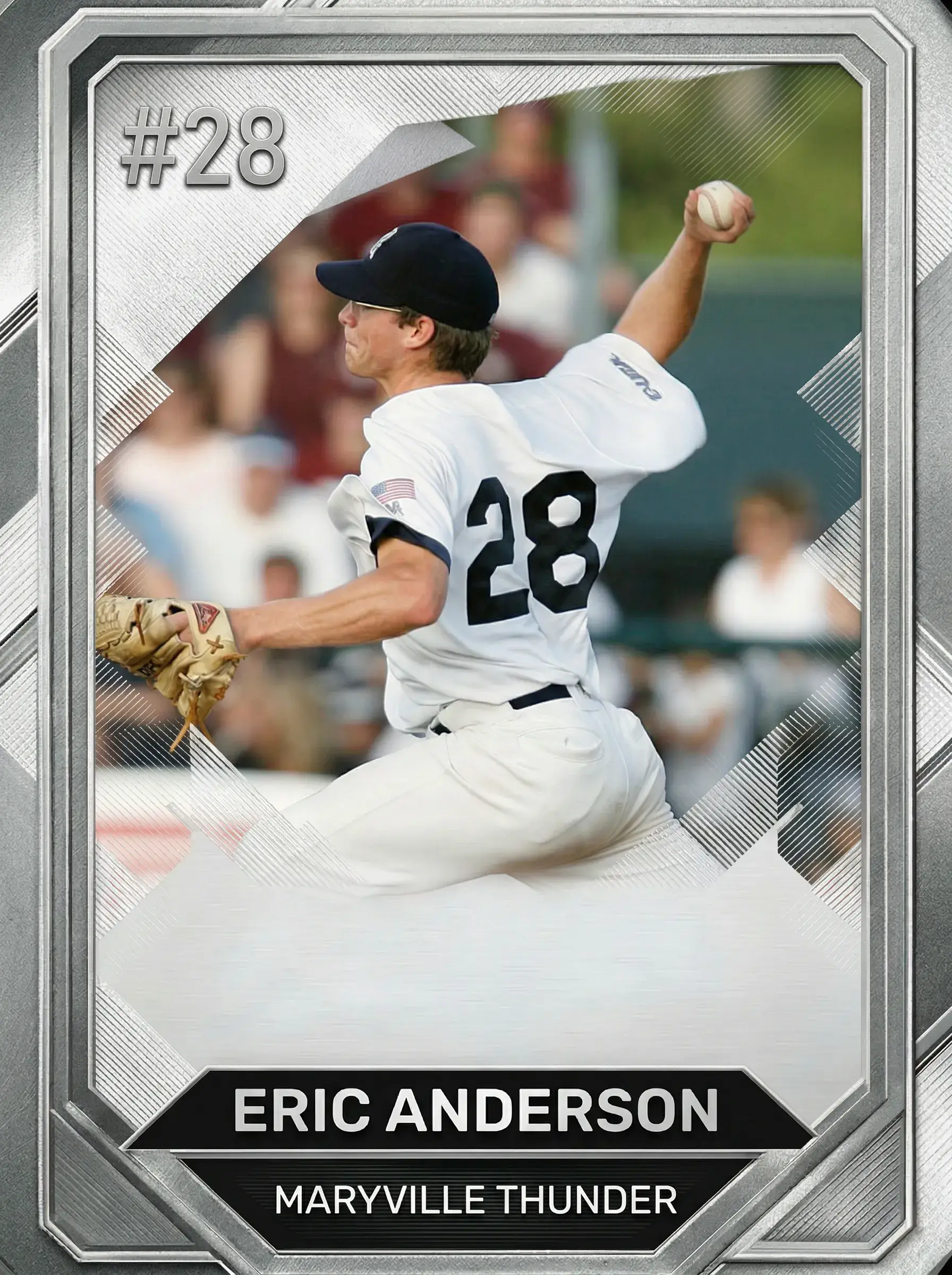
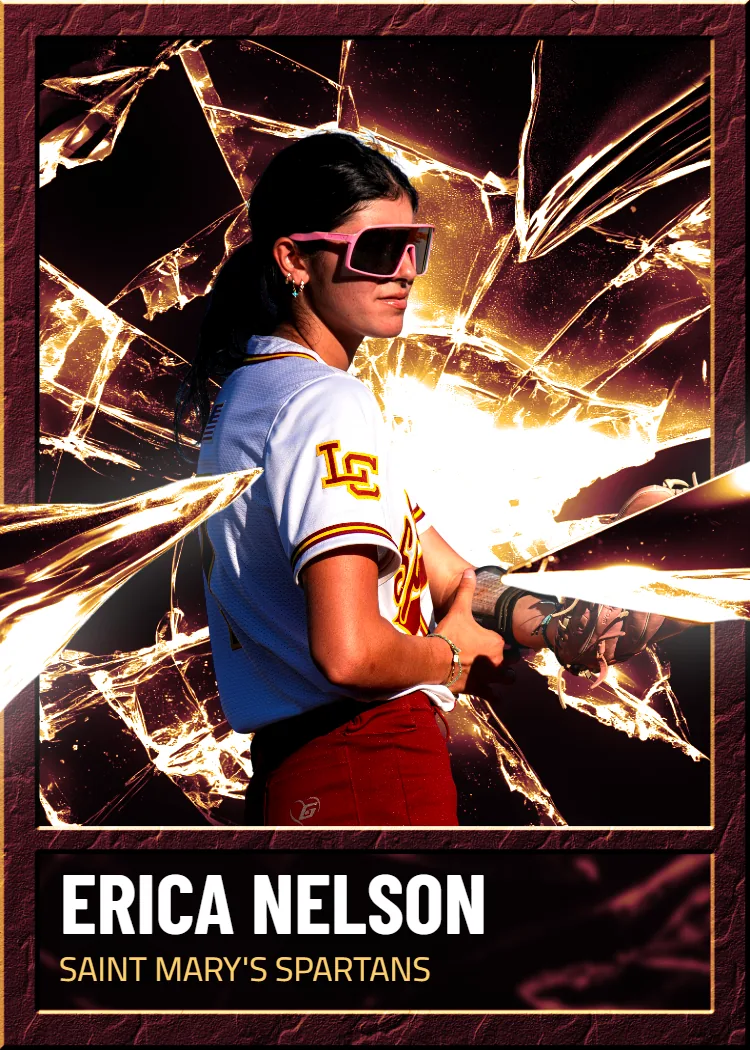
Instead of formatting text boxes around a roster grid, you're picking from card templates modeled on real professional sports card designs — stat lines, team colors, foil-style accents. This is the step where a program and a keepsake genuinely diverge: one needs your event schedule, the other needs your team's identity.
Print, ship, and hand out at the banquet
Cards print on premium card stock and ship in 2-3 days with a free magnetic case included. Plenty of banquet organizers order both — a simple printed program for the evening's flow, and individual cards as the actual keepsake moment when names get called.
Two-to-three days means you can order after final rosters lock and still make banquet night.
What Do You Gain Beyond a Standard Program?
A program template saves you formatting time for one night. A card gives every player something with a shelf life measured in years, not hours.
It survives past the parking lot
Paper programs get left on tables or tossed in the car. A card in a magnetic case ends up on a dresser, a desk, or a memory box — because it was made to be kept, not just read once.
No layout wrestling required
Most program templates fight you on photo cropping, font sizing, and page breaks once you've got 20+ kids to fit. Uploading one photo per player into a fixed card template sidesteps that entirely.
Every player gets individual recognition
A shared program lists everyone in a roster block. A personal card puts one kid's photo, stats, or name front and center — which matters more at an awards banquet than people usually plan for.
It works for every sport and level
Rec league, travel ball, high school varsity, adult league banquets — the same template system adapts regardless of sport, since you're supplying the photo and the details, not editing sport-specific graphics.
Where Do Banquet Cards Fit Alongside a Printed Program?
Most banquet organizers aren't choosing one over the other — they're figuring out which job each format should handle.
The awards banquet centerpiece
Coaches call names, hand over a card instead of (or alongside) a certificate. It photographs better, it's sturdier than paper, and parents tend to hang onto it long after the folded program from the same night is gone.
Senior night and end-of-season sendoffs
Programs list the senior class in a paragraph. A card gives each graduating player their own printed moment — often the version families actually frame, since it's built around one photo and one name, not a shared roster page.
Youth league banquets with big rosters
When you're formatting a program for 80+ kids across multiple teams, the template starts breaking under its own weight. Ordering individual cards per player sidesteps the layout problem completely — everyone gets the same quality regardless of roster size.
Does This Actually Get Used at Real Banquets?
Banquet organizers across youth leagues, high schools, and adult rec teams order these cards every season, often timed to arrive the same week as banquet night. Orders come from all 50 states, spanning baseball, basketball, softball, football, soccer, and wrestling programs alike — the request is nearly always the same: something that outlasts the evening.
What Does a Banquet Card Actually Cost Per Player?
Pricing runs simpler than most people expect once they've compared it to program printing quotes.
Single cards run $17.99, packs go up to $49.99, and a MEGA 11"x15" poster card is $49.99 — with free shipping over $30 across the USA.
For roughly the cost of a printed program run, you get a personalized keepsake per player instead of one shared paper handout for the whole room.
Box Options
Simple, collectible pricing. No subscriptions, no hidden fees.
The Rookie Box
Perfect for those unforgettable moments
$17.99 - $49.99
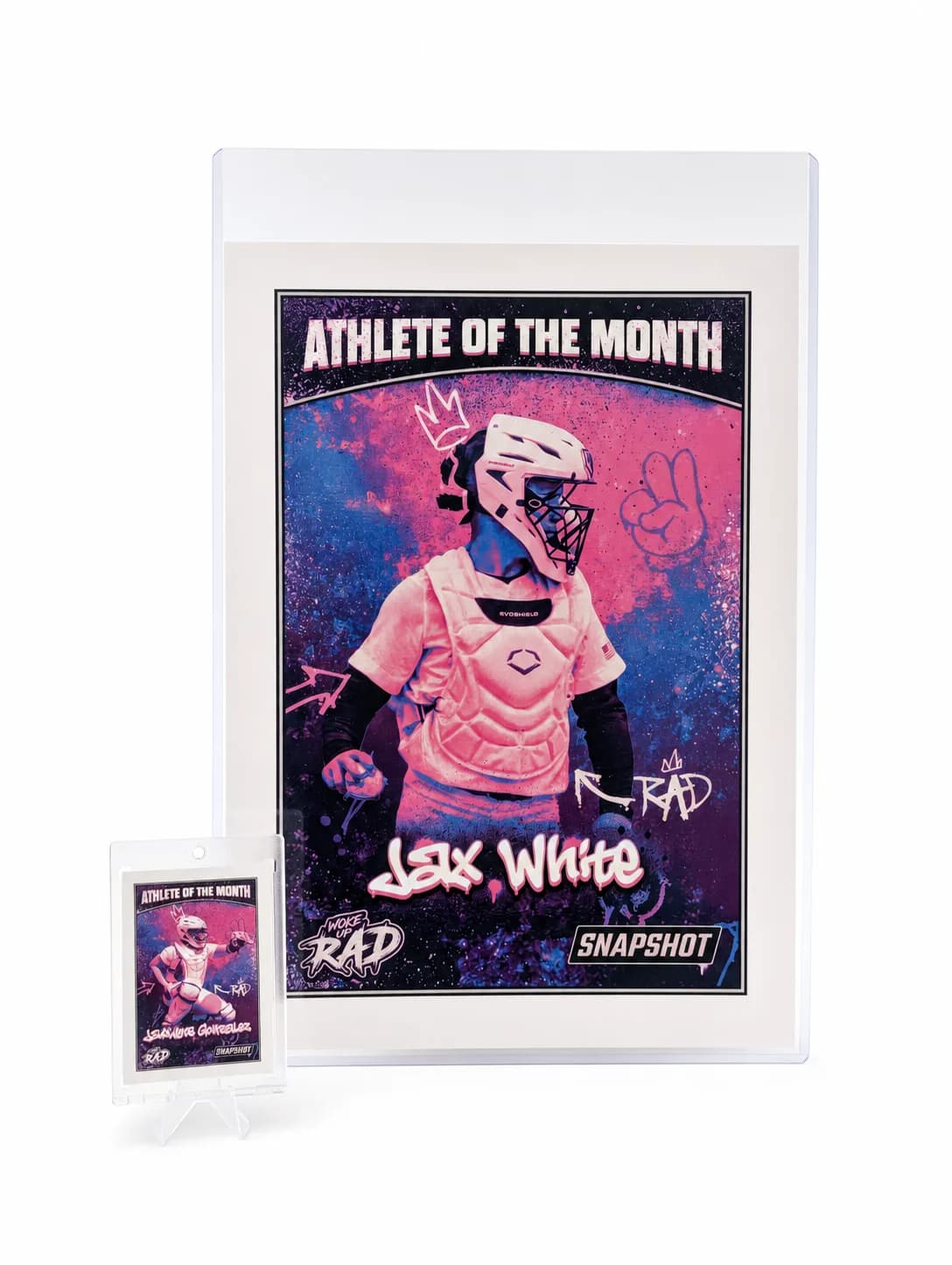
MEGA Card
Their moment, bigger than ever
$49.99
Create for free • Ships the next business day • Made in Des Moines, IA, USA
Skip the Formatting — Order Real Sports Banquet Program Templates Alternatives Today
Stop wrestling with layout software for a document that gets thrown away by Monday. Upload a photo, pick a template, and give every player something worth keeping from this season.
Start Your CardNo credit card required | Instant preview | Pro-quality designs
Explore More Card Options
Discover more custom trading card options for every sport and occasion