
Top Selling Baseball Cards: What's Myth, What's Fact
Everyone's got an opinion on top selling baseball cards, but most of what circulates online is half-true at best.
Upload a photo of your player, pet or team, choose an available template, and preview your design before ordering a printed card.
Search 'top selling baseball cards' and you'll get lists of six-figure Mickey Mantle rookies mixed with sketchy advice about grading, condition, and what actually drives value. Fans end up confused about whether their own collection — or a card they want to make of their kid's little league season — has any real worth. The truth is, most people asking this question aren't chasing a Honus Wagner. They want to understand what makes a card special, and how to create something meaningful without needing a vault or an insurance policy.
This page breaks down the common myths around top selling baseball cards and stacks them against the facts. We'll cover what actually drives value in the vintage market, and we'll show you a more practical route: building a premium custom card of a player, teammate, or family member that means something to you, printed on professional card stock and shipped in 2-3 days.
Let's start with how the process actually works before we bust any myths.
We ship custom cards to fans, teams, and families in all 50 states every week from our Des Moines production facility.
Frequently Asked Questions
What actually makes top selling baseball cards valuable?
Value in the vintage and modern collectible market comes down to a mix of scarcity, condition, and demand. A card printed in limited quantity, featuring a Hall of Fame player, in near-mint condition, will always outperform a common card from an oversized print run. Grading services like PSA or BGS assign numeric grades that heavily influence resale price — a PSA 10 can be worth ten times more than a PSA 8 of the same card. Rookie cards tend to carry a premium because they capture a player's first appearance in a major set. Errors, short prints, and autograph or memorabilia inserts also drive up demand. But here's the catch: none of that applies if you're making a card for personal or family use. A custom card's value isn't about resale, it's about what the photo and the moment mean to you. That's a completely different market with a completely different set of rules, and it's worth separating the two in your head before you start comparing prices.
Myth: only old cards from the 1950s-1980s are worth anything. Is that true?
Not even close, and it's one of the more persistent myths in the hobby. Modern cards — think Mike Trout rookies, Shohei Ohtani inserts, or limited autograph parallels from the last decade — regularly sell for thousands of dollars. Scarcity matters more than age. A 1987 Topps common, printed in the millions, is worth pocket change regardless of how old it is. Meanwhile a 2020 low-numbered parallel of a star rookie can command serious money because only a few hundred exist. Age gives a card historical weight, but it doesn't guarantee value on its own. What actually matters is the intersection of low print runs, player performance, and collector demand at any given moment. That's why the market shifts year to year — a player having a monster season can spike the price of a five-year-old card overnight. If you're chasing value, watch print numbers and player trajectory, not just the copyright date stamped on the card.
Can a custom Snapshot card ever become valuable like a top selling baseball card?
Realistically, no — and we'd rather be upfront about that than oversell it. Custom cards aren't part of a licensed set, they're not scarce in the collector-market sense, and they don't get graded by services like PSA. Their value is personal and sentimental, not financial. That said, plenty of things in a household carry meaning without carrying resale value — trophies, yearbooks, framed jerseys. A custom card of your daughter's championship season or your dad's old softball league falls into that same category. It's something you keep because of what it represents, not because you expect to sell it in ten years. If you're looking for an investment vehicle, the vintage and licensed modern market is where that happens. If you're looking to capture a moment that actually matters to your family, that's exactly what a custom card is built for, and it does that job well.
How fast can I get a custom baseball card made?
Snapshot ships custom cards within 2-3 days of your order, with free shipping over $30 anywhere in the USA. That's noticeably faster than most collectible marketplace transactions, which can involve multi-day auction windows, third-party authentication holds, or slow international shipping from overseas sellers. You upload your photo, pick a template modeled after professional sports card designs, and place the order — production starts right away. Cards print on premium card stock and arrive with a free magnetic case for protection and display. If you're ordering for a specific event, like a banquet, graduation, or holiday gift, it's smart to order at least a week ahead just to build in a buffer for weekends or shipping delays. But under normal circumstances, most customers see their order arrive well within a week of placing it, start to finish.
Do I need a professional photo to make a good custom card?
No, and this trips people up more than it should. Most of the best custom cards we've seen come from ordinary phone photos — a dugout candid, a post-game huddle, a swing captured mid-motion. What matters more than professional lighting is a clear, well-framed shot where the subject is easy to see. Action shots tend to look great in templates designed with dynamic borders and stat boxes, since the energy of the photo matches the energy of the design. Posed team photos work well too, especially for rookie-card-style layouts. If a photo is blurry, poorly lit, or heavily cropped, the final card will inherit those issues, so it's worth picking your sharpest option rather than your most recent one. A slightly older, clearer photo will almost always outperform a brand-new blurry one.
What's the difference between a graded card and a custom printed card?
A graded card has been submitted to a third-party service, evaluated for centering, corners, edges, and surface, and sealed in a tamper-proof holder with a numeric grade. That grade is what drives resale price in the collector market. A custom printed card, like what Snapshot produces, isn't graded and isn't meant to be — it's not part of a licensed set, so grading services wouldn't evaluate it under the same criteria anyway. Custom cards are about personal keepsakes: a printed, professional-quality version of a photo you already love, formatted to look like a real trading card. Think of it less as a financial instrument and more as a framed photo with better production values. Both have their place, but they solve different problems. One's for collectors chasing appreciation, the other's for fans and families who want something tangible to hold onto.
Are top selling baseball cards a good investment for beginners?
It depends heavily on how much time and research you're willing to put in. The vintage and modern collectible market rewards people who study print runs, player performance trends, and grading population reports closely. Beginners without that background often overpay for common cards mistaking age for scarcity, or they invest in a rookie card of a player who fizzles out within a season or two. It's not unlike picking individual stocks — some people do well with deep research, plenty of others lose money chasing hype. If you're new to the hobby and mainly want the fun of collecting without financial risk, starting with lower-cost modern packs or custom cards is a lower-stakes way to enjoy the hobby. Save the serious investment-grade purchases for after you've spent real time learning how grading, print runs, and demand actually interact.
Can I make a custom card of a current MLB player?
Snapshot's templates are designed for personal photos of players you know — your kid, a teammate, a family member — rather than licensed MLB imagery. Because Snapshot doesn't hold professional league licensing, it's built for fan-made, personal-use cards rather than officially licensed depictions of active MLB players. If you're a fan wanting a card of your favorite Yankees or Dodgers star, the officially licensed route through Topps or a licensed retailer is the appropriate channel. Where Snapshot shines is turning your own photos — a Little League all-star, a beer league legend, a college walk-on — into something that has that same card-in-a-pack feel. It's a different use case than collecting officially licensed sets, and it's worth knowing the distinction before you order.
What sizes and formats are available for custom cards?
Snapshot offers a standard single card at $17.99, multi-card packs up to $49.99, and a large-format MEGA card measuring 11 inches by 15 inches, also priced at $49.99. The standard card size mimics the dimensions collectors are used to, so it fits comfortably in the included free magnetic case for display or storage. The MEGA card is built for a different purpose entirely — think wall display, a locker room poster, or a standout gift that doesn't get lost in a drawer. Packs are popular for team orders, where a coach or parent wants every player on the roster to get their own card without ordering each individually. All formats print on the same premium card stock and ship within the same 2-3 day window, so the choice really comes down to how you plan to display or use the final product.
How do I know if a vintage baseball card I own is worth anything?
Start by identifying the exact card — player, year, set, and card number — since even small variations can dramatically change value. Check the condition honestly: corners, edges, centering, and surface all matter, and it's easy to overestimate your own card's condition without a trained eye. Look up recent sold listings, not asking prices, on marketplaces that track completed sales, since asking prices are often inflated. If the card seems potentially valuable, getting it professionally graded can unlock significantly more value, though grading costs money and takes time, so it's not worth doing for common cards. Rookie cards, low-numbered parallels, and cards featuring Hall of Fame players are the most likely candidates to have real value. If you're unsure, a local card shop or online collector community can often give you a quick, informal read before you invest in formal grading.
Myth: bigger print runs mean a card is more collectible. True or false?
False, and it's one of the more counterintuitive parts of the hobby for newcomers. Bigger print runs almost always mean lower value, because scarcity is one of the core drivers of collectibility. A card printed by the millions during the overproduction era of the late 1980s and early 1990s is often worth close to nothing today, regardless of who's pictured on it. Meanwhile, limited parallels numbered to under 100 copies routinely fetch hundreds or thousands of dollars, even for lesser-known players. Print run size interacts with demand too — a huge print run of a beloved star can still hold modest value if enough collectors want a copy, but it'll never approach the price of a scarce version. If you're evaluating an old card and wondering why it isn't worth much despite the player's fame, checking the print run from that era usually explains it.
Is it better to buy sealed wax packs or singles when chasing top selling baseball cards?
It depends on your goal. Sealed wax packs offer the thrill of the chase — you might pull a valuable rookie, or you might get commons worth nothing, and that uncertainty is part of the appeal for a lot of collectors. Buying singles lets you target a specific card you want without gambling on pack odds, which is usually the smarter financial move if you already know which player or set you're after. Vintage sealed wax, especially from the 1970s and earlier, has become collectible in its own right and can sell for high prices unopened, since collectors value the mystery and historical packaging as much as the contents. For beginners, buying singles of cards you actually want tends to be more cost-effective than gambling on packs, unless you're specifically chasing the pack-opening experience for fun rather than value.
Free to design, instant preview. Free US standard shipping on orders $30+. Review delivery options at checkout.
How Do Top Selling Baseball Cards Get Made — And How Can You Make One?
Whether it's a vintage Topps set or a custom card of your shortstop, the production process follows a similar arc: image, layout, print.
Upload Your Photo
Start with any photo — a game-day shot, a dugout candid, even an old print you scan in. Snapshot accepts standard image files and works from your own memories rather than stock photography, which is the biggest difference between a mass-produced set and a custom one.
Pick a Pro-Style Template
Choose from templates modeled after the design language of real sports card sets — bold borders, stat boxes, team colors. You're not designing from scratch; you're dropping your photo into a layout that already looks like something you'd pull from a pack.
Print and Ship
Production takes one business day; shipping time is quoted at checkout for your address. No minimum order size beyond a single card, so you can make one for yourself or a full pack for the team.
Three steps, no design software, no waiting weeks for a proof.
Why Fans Choose Custom Cards Over Chasing Market Value
Vintage cards are an investment gamble. Custom cards are a guaranteed win, because the value isn't tied to a stranger's opinion.
You Control the Subject
No waiting on a pack pull or hoping a specific player gets printed. You choose the photo, the person, the moment — a walk-off, a first hit, a senior night.
Condition Never Degrades Value
Vintage card value collapses over a bent corner or a soft edge. Custom cards don't carry that anxiety — the sentimental value is fixed the moment you print it.
Fast Turnaround
Most vintage market purchases involve shipping delays, authentication holds, or auction waiting periods. Snapshot ships in 2-3 days with free shipping over $30 across the USA.
Affordable at Every Level
A single card runs $17.99. Packs go up to $49.99, and the MEGA 11×15 poster card is $49.99 flat — a fraction of what a graded rookie card costs.
Where Custom Baseball Cards Fit Into Real Memorabilia Collections
Not every meaningful card needs to be a top selling baseball card from decades ago. Here's where a custom version fits naturally into a fan's collection.
Little League Keepsakes
Parents want something more permanent than a phone photo. A custom card of a kid's first season sits in a drawer, a scrapbook, or on a shelf — a physical marker of a specific summer that a screenshot can't replicate.
High School and College Send-Offs
Seniors on varsity or college club teams often get a card made as a graduation gift or locker room tribute. It mimics the feel of a real trading card without needing a licensing deal or a professional contract.
Fantasy League and Beer League Fun
Adult rec leagues and fantasy baseball groups make custom cards as trophies, gag gifts, or league awards. It's a way to participate in the culture of top selling baseball cards without needing MLB-level stats to justify it.
What Fans Are Actually Making With Snapshot
Snapshot fulfills orders for individual fans, youth league parents, and college programs across all 50 states every week. Cards range from single keepsakes of a kid's first home run to full team packs ordered for banquet season, printed and shipped from our Des Moines, Iowa facility.
What Does It Cost to Make Your Own Top Selling Baseball Cards?
Pricing is flat and transparent — no auction bidding, no grading fees, no buyer's premium.
Single card: $17.99. Packs: up to $49.99. MEGA 11x15 poster card: $49.99. Free shipping over $30 across the USA.
You get premium card stock, a free magnetic case, and 2-3 day shipping — no guesswork about what something's actually worth.
Box Options
Simple, collectible pricing. No subscriptions, no hidden fees.
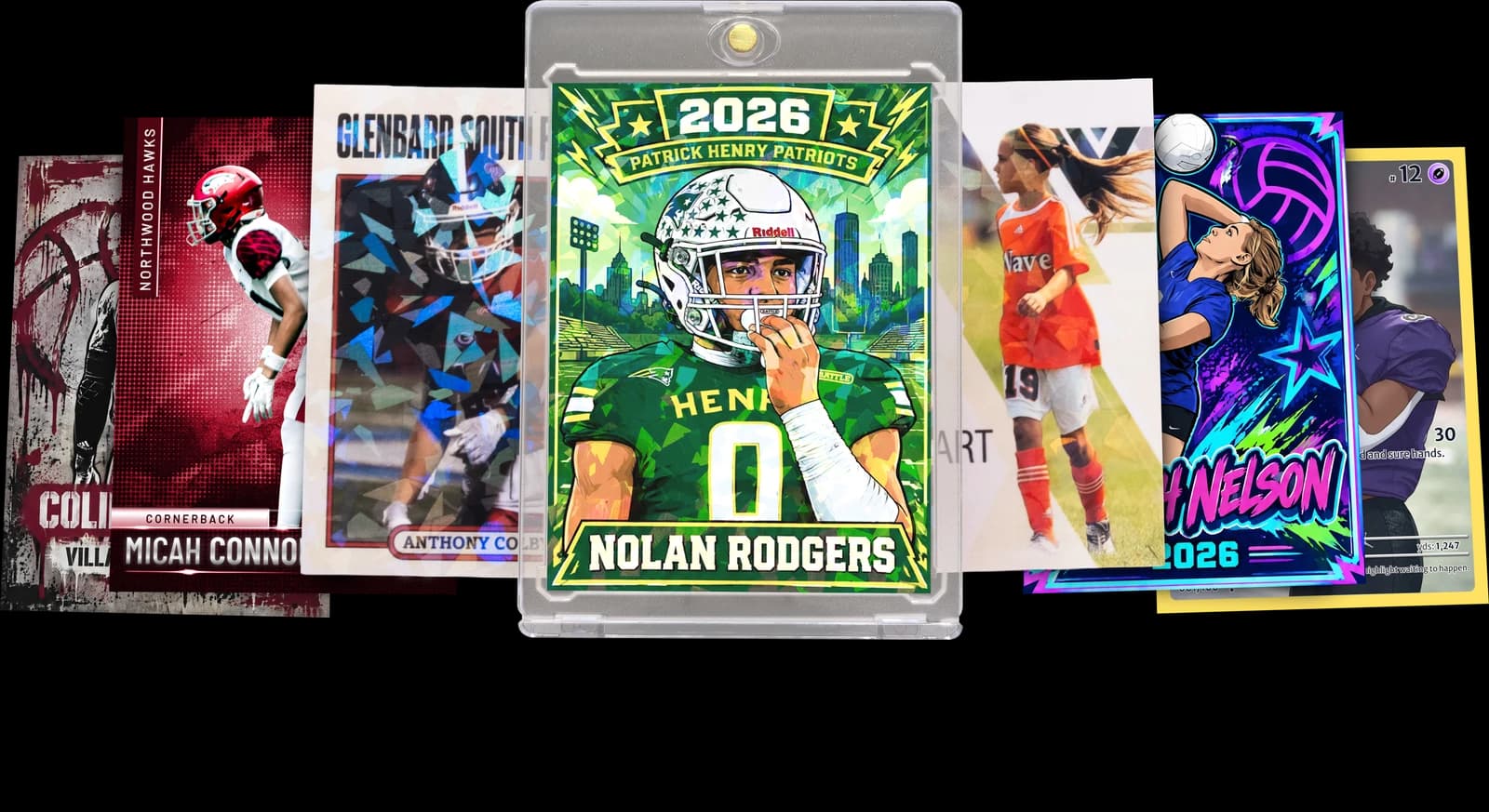
The Rookie Box
Perfect for those unforgettable moments
$17.99 - $49.99
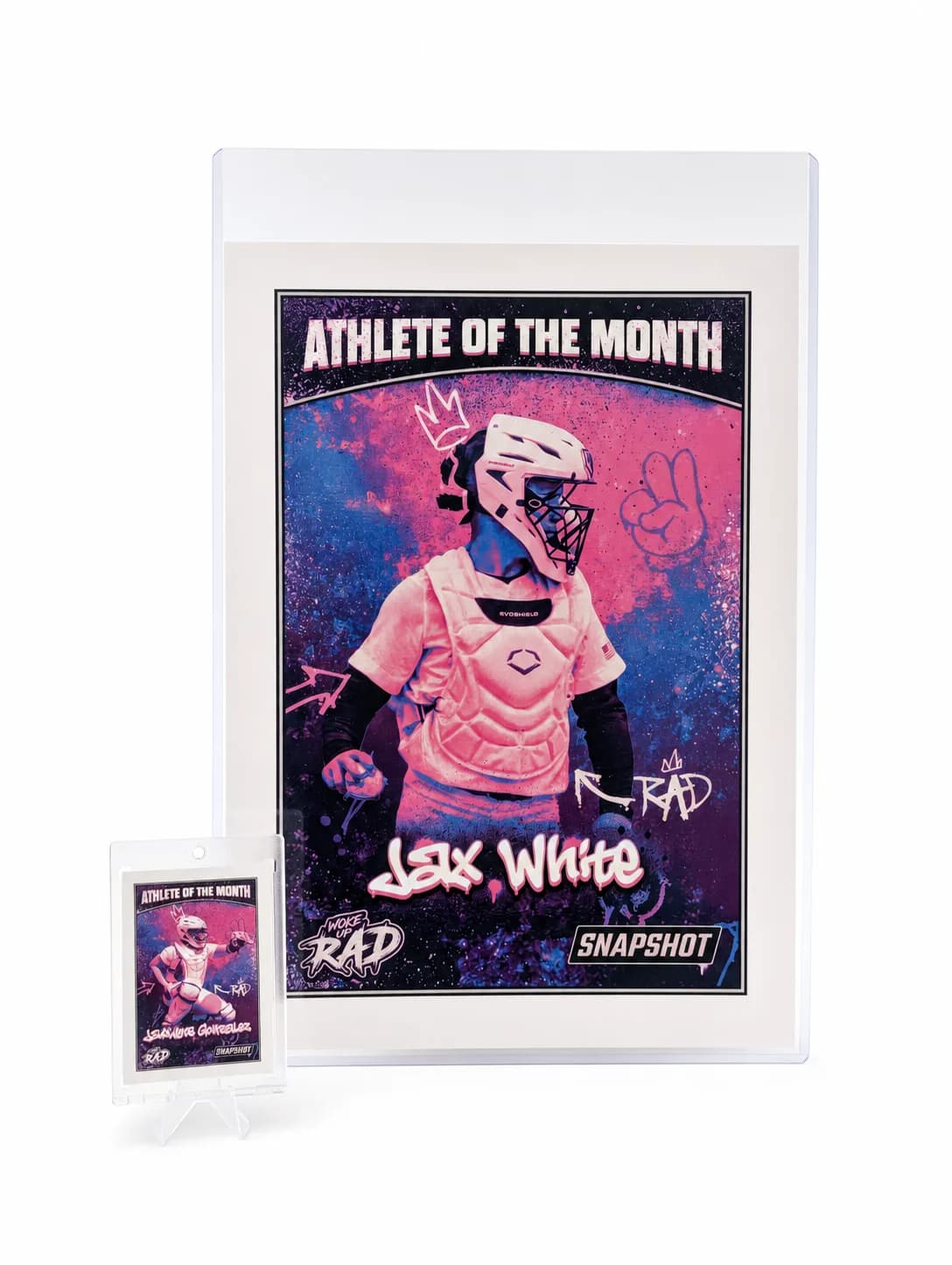
MEGA Card
Their moment, bigger than ever
$49.99
Create for free • Ships the next business day • Made in Des Moines, IA, USA
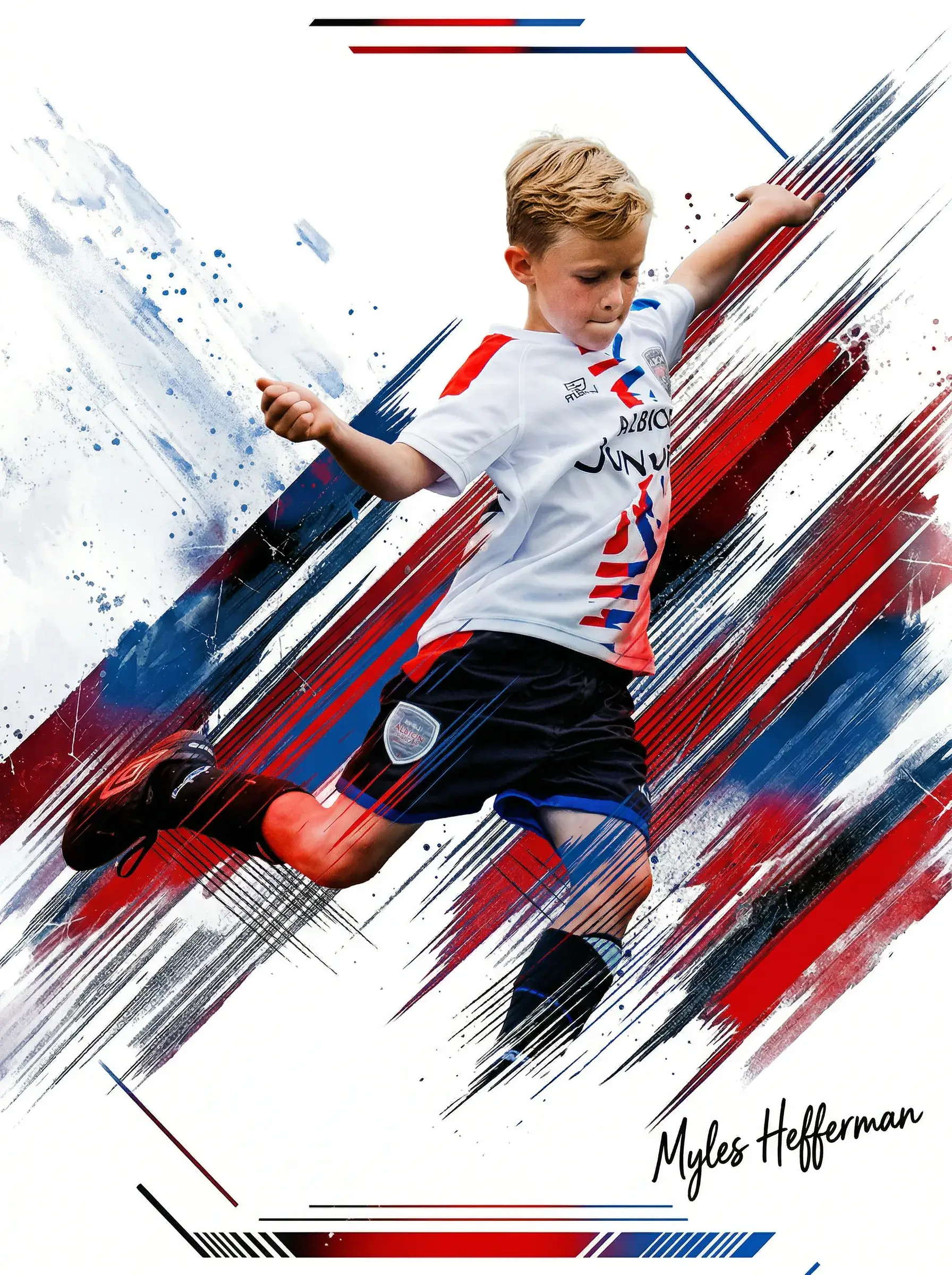
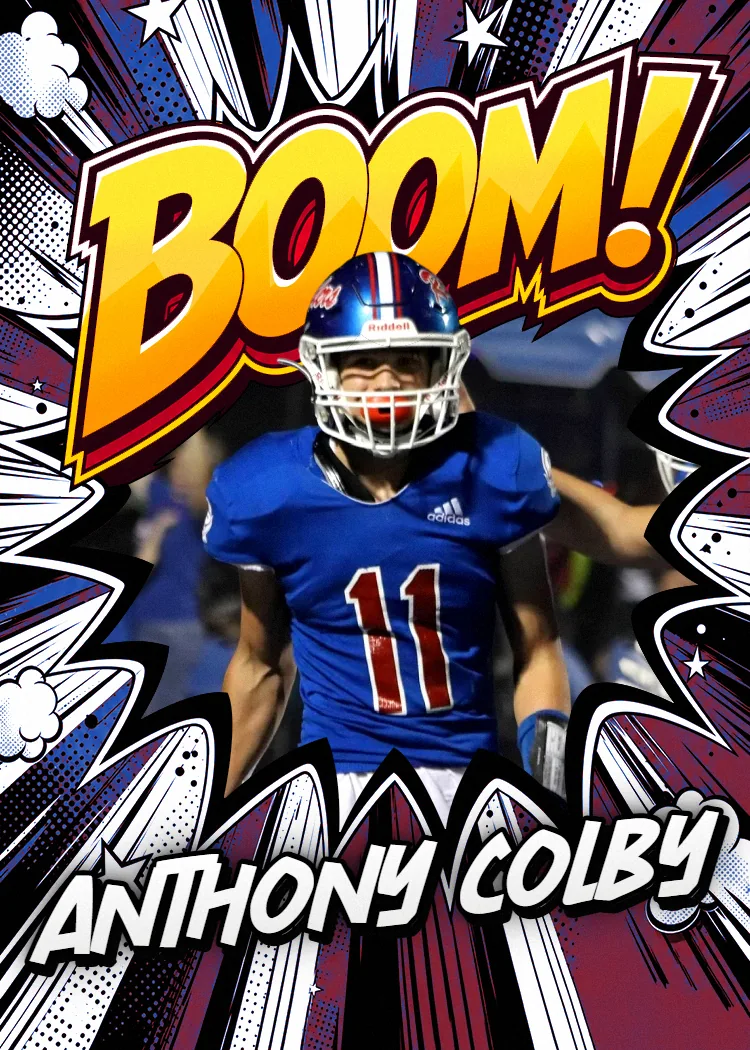
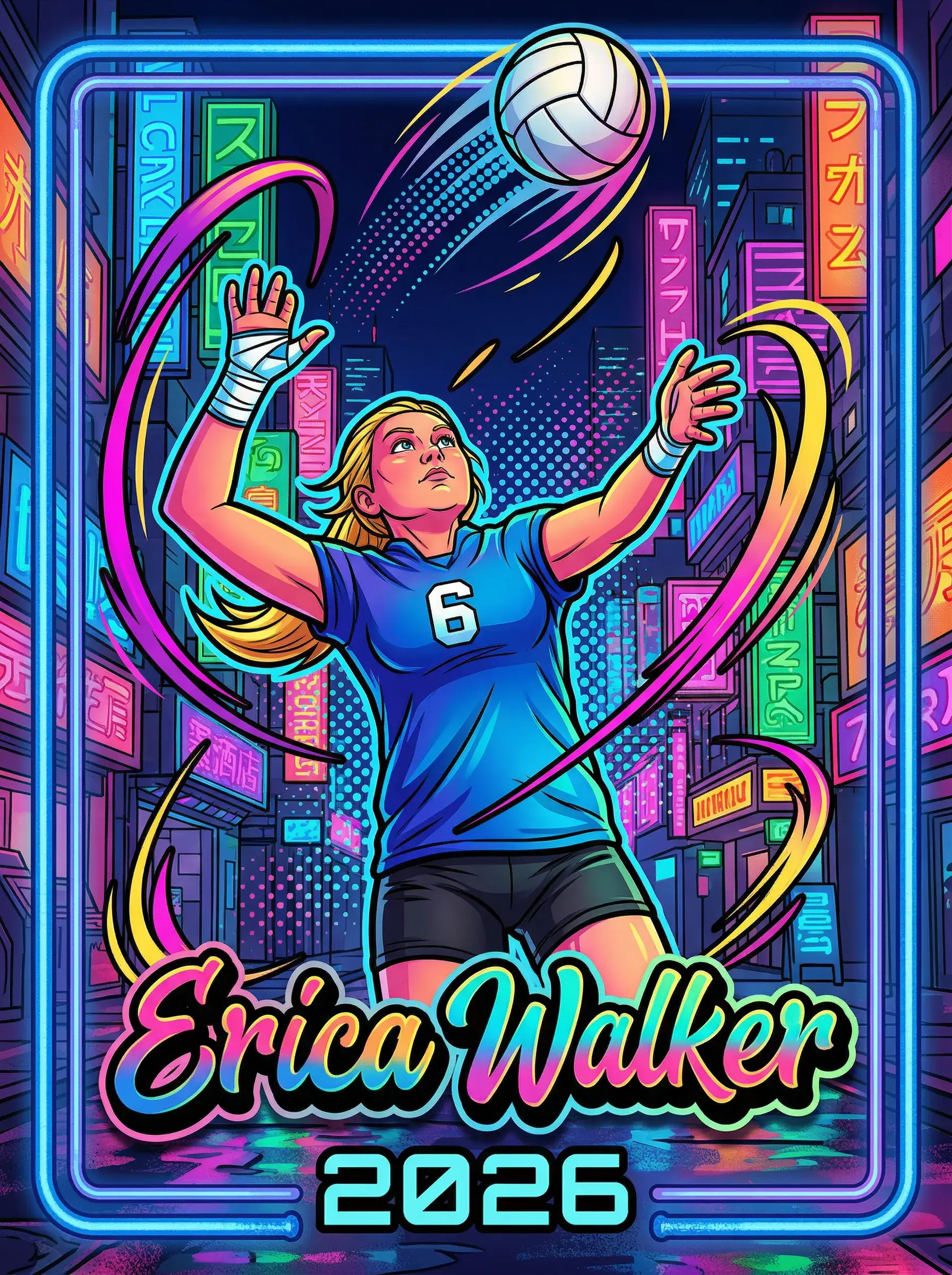
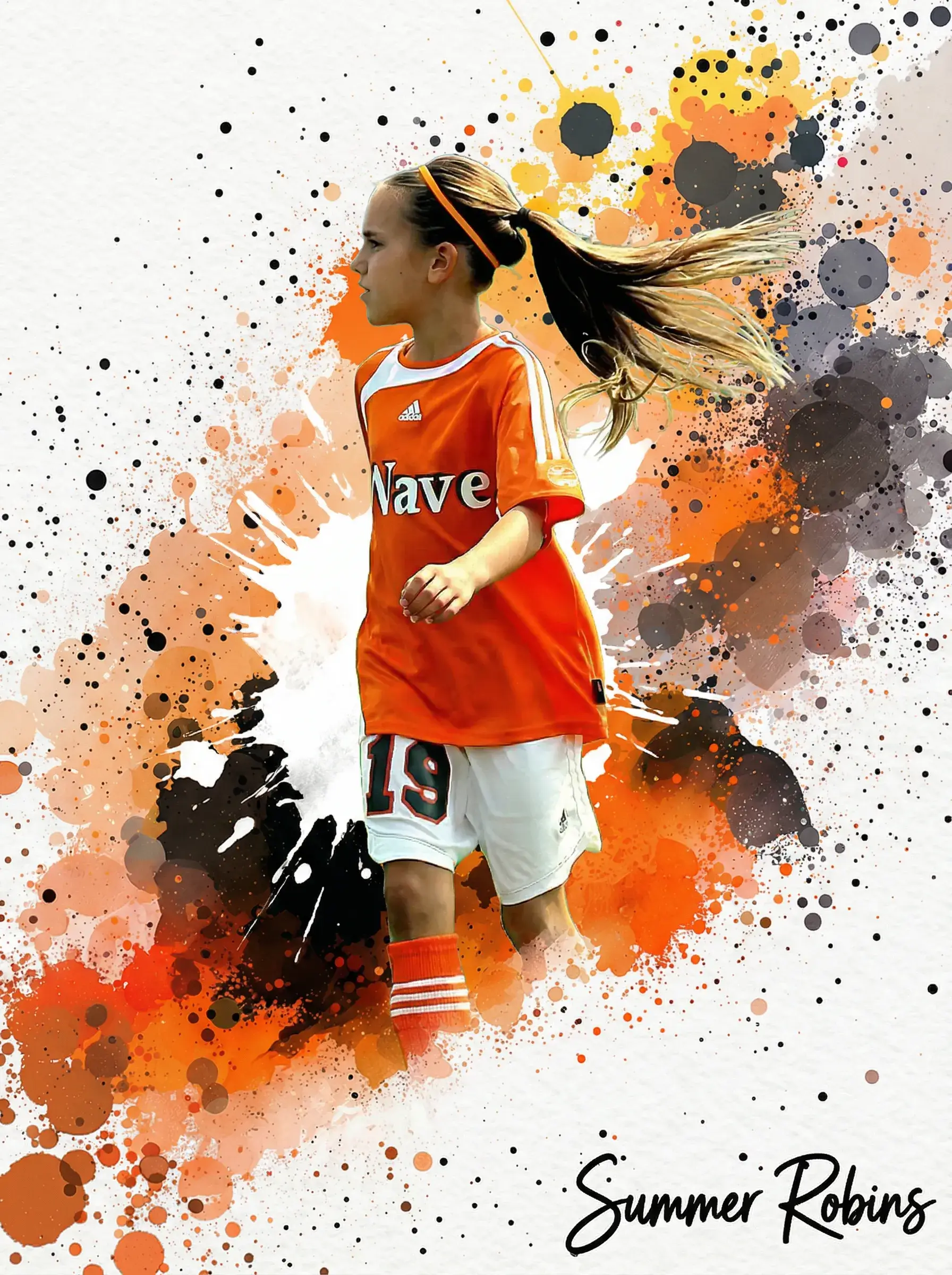
Skip the Guesswork — Make Your Own Top Selling Baseball Cards Story
You don't need a graded rookie card to have something worth keeping. Upload a photo, pick a template, and get a premium custom card shipped in 2-3 days with a free magnetic case.
Start Your Custom CardNo credit card required | Instant preview | Pro-quality designs
Explore More Card Options
Discover more custom trading card options for every sport and occasion
baseball cards
View card options →
buying baseball cards
View card options →
baseball card packs
View card options →
baseball card size
View card options →
topps custom baseball cards
View card options →
where to buy baseball cards online
View card options →