Card Slabs, Cases & Sleeves: What to Choose
Updated
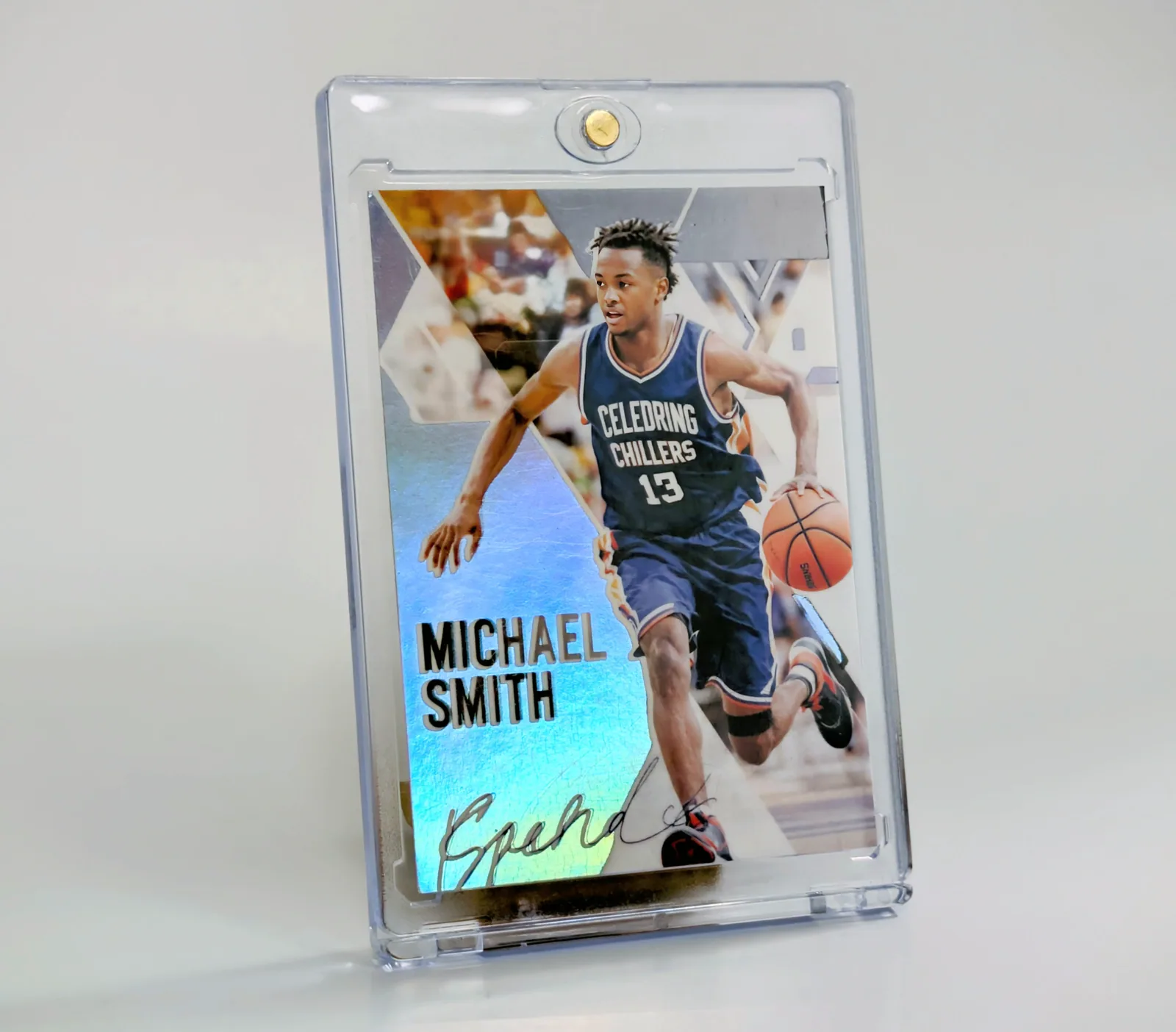
Choose a card holder for the card's size, thickness and intended use. A sleeve, a top loader, a magnetic case and a sealed slab are different products. A display holder does not, by itself, mean a card has been authenticated or professionally graded.
Compare the protection options
| Option | What it is useful for | What to check |
|---|---|---|
| Soft sleeve | A lightweight layer around a card during handling | Compatible dimensions and material guidance from the supplier |
| Top loader | A rigid outer holder for storage or transport | Card thickness, sleeve fit and whether the opening needs securing for transport |
| Magnetic case | Displaying a card in a rigid, reopenable holder | That the card sits in the intended recess without pressure |
| Sealed slab | A sealed presentation format | Whether it is a display product or an authenticated grading-service holder |
Check the fit without forcing the card
Set the card on a clean surface and inspect the holder before inserting it. Do not press a thick card into a space that is too shallow or push corners against an opening. If the card bows, catches or shifts enough to strike the edges, stop and confirm the holder specification.
Snapshot's regular cards and oversized MEGA cards need different display arrangements. Review the protection included with the product you actually choose; a regular-card holder should not be assumed to fit an oversized item. Compare current products in the card builder and ask Snapshot if a replacement holder's fit is unclear.
Plan where the card will live
Choose a stable indoor display location away from spills and places where it will be knocked over. Follow the holder supplier's guidance for cleaning, light exposure and materials. Do not assume that a clear case provides a particular UV rating unless its specification says so.
For a team gift, label the outer packaging with the recipient's name rather than applying an adhesive label to the card. Keep a copy of the approved design and the original photo so that future season cards can use a consistent style.
Display value is different from resale value
A personalized player card can be meaningful because it records a season or milestone. A case or slab does not establish a market price, confer a grade or guarantee future resale value. If a card is offered as professionally graded, check which service graded it and what the label actually represents.
Planning the card itself? Start with the custom sports card buying guide. For a present, use the sports gift planning guide to match the display format to the recipient.
Written by the Snapshot team, which makes and sells custom printed cards. Product examples show our own range; check current options and delivery estimates before ordering. About Snapshot · Questions or corrections
Tags
Related Articles
Custom Sports Cards: Formats, Costs & Planning
A custom sports card puts your own player photo, name and season details into a trading-card design. Start with the intended use: one gift, different cards for a roster, or many copies of the same player card. Those are different orders, and choosing the right format matters more than choosing a finish first.
Read More →Custom Baseball Cards: Team Planning Guide
For a baseball team set, plan the roster and approval process before selecting a design. Each player needs a correctly matched photograph and name; the set also needs consistent season labels and a clear decision about which statistics to include.
Read More →Why a Holographic Card Looks Different When You Tilt It
A rainbow-colored design on a screen and a reflective printed finish are two different things. Look closely at a photographed card, then use a simple lighting and proofing check before choosing a finish.
Read More →Ready to Create Your Custom Cards?
Choose a template, personalize your photo and details, then review your design before ordering.
Start Creating Now