
Are Panini Trading Cards Worth Anything? A Buyer's Guide
You found a shoebox of Panini cards in the attic. Now you're wondering if it's worth a trip to a shop or just a nostalgia trip.
Upload a photo of your player, pet or team, choose an available template, and preview your design before ordering a printed card.
Here's the honest truth: most people asking are Panini trading cards worth anything already suspect the answer is 'probably not much.' And they're usually right. Panini prints millions of cards every year across soccer, basketball, and various licensed sets, and mass production is exactly what keeps most values low. Rarity drives price in this hobby, not the logo on the wrapper. A stack of 2015 base cards from a retail blaster box is likely worth a few cents each, no matter how much you loved pulling them as a kid.
That doesn't mean every Panini card is worthless — rookie autographs, numbered parallels, and vintage international sets can genuinely fetch real money. This guide walks through what actually determines value, how to check your own cards, and what to do with the ones that turn out to be sentimental rather than valuable. If your cards are worth more as memories than dollars, there's a way to turn them into something you'll actually display.
Let's break down how card value really works before you decide what to do with that shoebox.
We ship custom cards to families and teams in all 50 states every week, and we hear the same Panini valuation questions constantly.
What Actually Makes a Panini Card Valuable?
A handful of factors separate a quarter-bin card from a four-figure one.
Rookie status
A player's first licensed card typically holds the most long-term value, especially if they go on to have a strong career. Rookie logos or 'RC' markings on the card usually confirm this status.
Print run size
Lower serial numbers and limited parallels (gold, black, or 1-of-1 finishes) are worth dramatically more than unnumbered base cards. Scarcity is the single biggest value driver in modern card collecting.
Condition and centering
Sharp corners, clean edges, and centered images matter a lot to graders and buyers. A card with visible wear or off-center printing can lose 50% or more of its potential value.
Player performance and demand
Values shift constantly with a player's current form, awards, or retirement announcements. A card that was worth $5 last year can jump or drop fast depending on what's happening on the field or court.
Free to design, instant preview. Free US standard shipping on orders $30+. Review delivery options at checkout.
What People Discover Once They Look Closely
Most collectors who dig into their Panini cards find the same pattern: a few standout pieces worth researching further, and a large pile of commons better suited for display than resale. That's a normal outcome, not a disappointing one — it just points toward a different kind of value than a price tag.
How Do You Figure Out If Are Panini Trading Cards Worth Anything in Your Collection?
Checking value takes about 15 minutes if you know where to look and what actually matters.
Identify the set, year, and player
Flip the card over and find the set name, copyright year, and card number — usually printed small on the back edge. This is the fingerprint that lets you search accurately. A 'Prizm' or 'Select' card behaves very differently on resale sites than a basic 'Panini Score' base card, even from the same year and sport.
Check for serial numbers and autographs
Look for a small printed number like '045/199' somewhere on the card face — that tells you exactly how many were made. Autographed or memorabilia patch cards (sometimes labeled 'jersey' or 'relic') carry real premiums. No serial number and no signature usually means it's a mass-produced base card worth very little on its own.
Compare recent sold listings, not asking prices
Search completed and sold listings on major marketplaces rather than trusting what sellers are asking — asking prices are often wishful thinking. Sort by 'sold' and look at the last 10-15 transactions for your exact card and condition. This gives you a realistic number instead of an inflated one someone hasn't actually gotten paid for.
Once you know what you've got, you can decide what's worth grading, selling, or simply keeping for yourself.
Timeline: How Panini Card Value Typically Changes Over Time
Release year
Prices are highest right after release for hyped rookies, driven mostly by speculation and hype rather than proven career results.
Years 1-3
Values often dip as hype cools and supply from opened packs floods resale markets, unless the player performs exceptionally well early.
Years 3-7
Prices stabilize around the player's actual career trajectory — breakout stars rise, average players plateau near common pricing.
10+ years later
Genuine scarcity kicks in as cards get lost, damaged, or discarded, and only the best-preserved, rarest cards of proven stars hold lasting value.
Who Actually Benefits From Checking Panini Card Values?
Different people come to this question for very different reasons, and that shapes what they should do next.
The collector cleaning out old boxes
Someone rediscovering childhood cards usually finds a mix of common base cards and a few standout rookies or inserts worth researching individually. It's worth spending an hour sorting before assuming the whole box is junk or treasure — it's almost always somewhere in between.
The parent handling a kid's growing collection
Parents often want to know if their child's cards deserve a protective case or a grading submission. In most cases, the sentimental value outweighs the resale value, and that's a great excuse to preserve favorites in a more permanent, personal format instead of a plastic sleeve in a drawer.
The gift-giver looking for something more meaningful
Sometimes the real answer isn't 'sell it' — it's 'make something better out of it.' A favorite photo of a kid's big game or a family member's playing days can become a custom card that's guaranteed to matter more than a random pack pull ever will.
What Does It Cost to Turn Photos Into Cards Worth Keeping?
Instead of gambling on resale value, custom cards give you a guaranteed keepsake for a fixed, upfront price.
Production takes one business day; shipping time is quoted at checkout for your address.
One printed memory beats a stack of maybe-valuable commons. Snapshot turns any photo into a pro-style card, printed and shipped fast.
Box Options
Simple, collectible pricing. No subscriptions, no hidden fees.
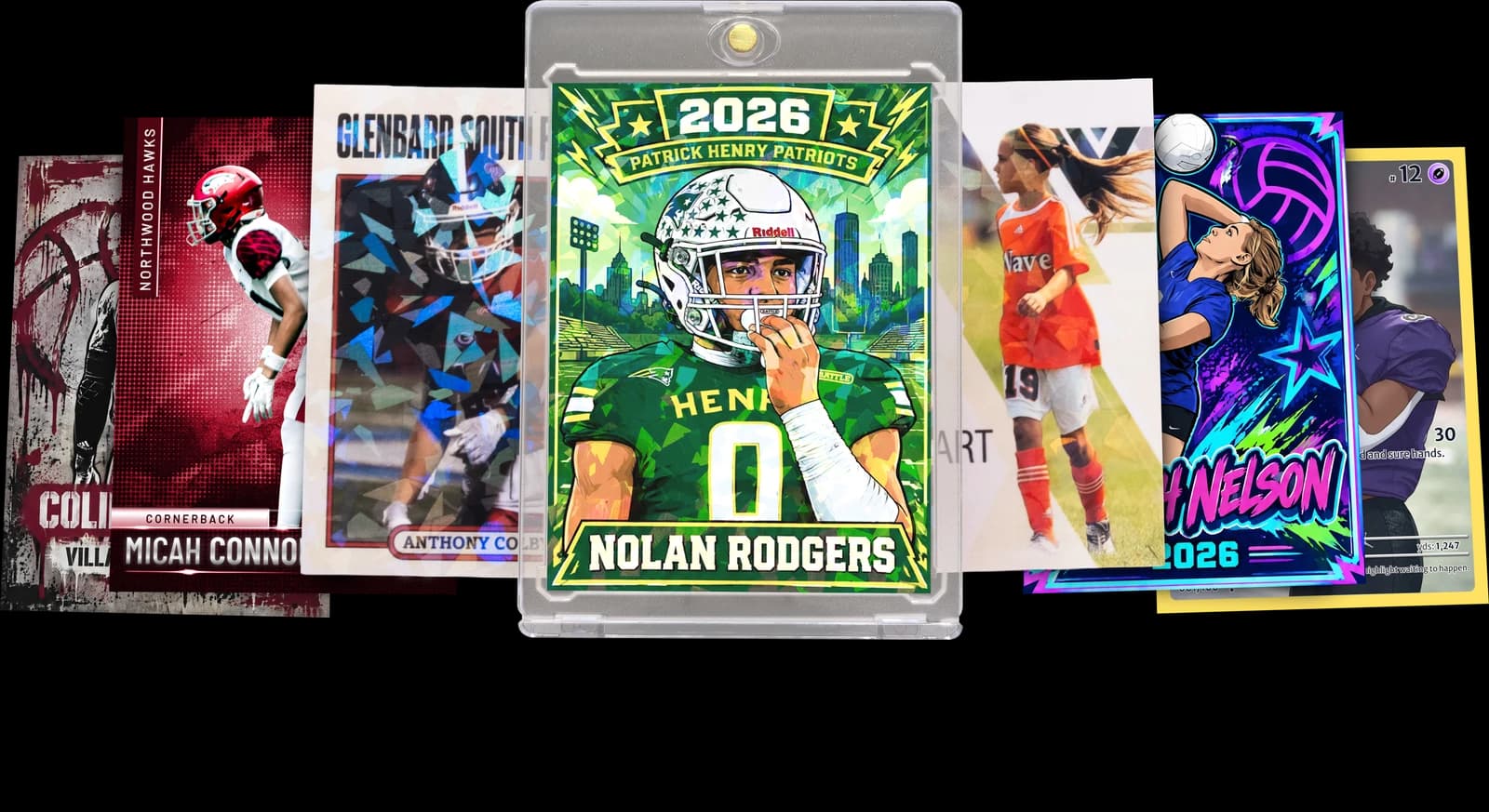
The Rookie Box
Perfect for those unforgettable moments
$17.99 - $49.99
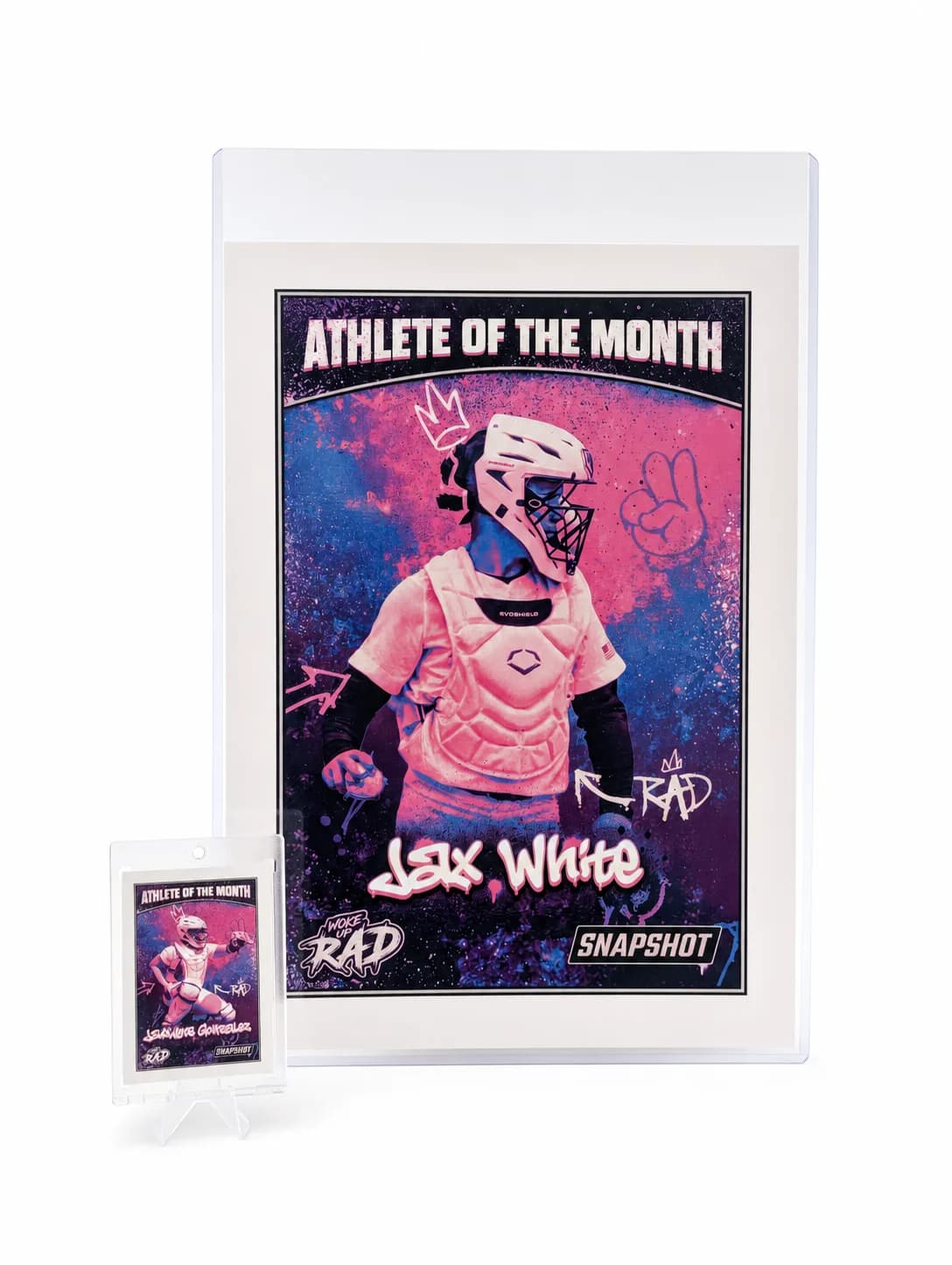
MEGA Card
Their moment, bigger than ever
$49.99
Create for free • Ships the next business day • Made in Des Moines, IA, USA
Frequently Asked Questions
How do I know if my Panini card is a rare parallel?
Look for a serial number printed on the front or back, usually formatted like '023/099,' which tells you the exact print run size. Parallels often come in different colors or finishes — gold, silver, black, or prizm-style refractors — compared to the standard base card design. If your card looks shinier, has a different border color, or includes foil stamping not present on the regular version, it's likely a parallel. Checking the card number against a checklist for that specific set, which you can usually find through a quick search using the set name and year, will confirm exactly what parallel you're holding. Some parallels are numbered to just 1 or 5 copies and can be worth significantly more than their base counterparts. Others are numbered to 199 or 299 and carry a smaller but still real premium. Comparing your card's exact wording and design against official checklists is the most reliable way to identify it correctly, since visual differences alone can be subtle and easy to miss.
Do Panini soccer cards hold more value than basketball or other sports?
It really depends on the specific player, set, and international market demand rather than the sport itself. Panini has historically had strong licensing in soccer, especially for World Cup and major league releases, which can create passionate global demand for certain stars. Basketball cards, especially rookies from highly drafted players, often see faster and larger price swings tied to on-court performance. Neither sport is universally 'better' for value — a common soccer card and a common basketball card are both usually worth very little, while a numbered rookie in either sport can be valuable. International buyers do add extra demand to popular soccer sets, which sometimes pushes prices higher than a similarly rare basketball card would command domestically. If you're deciding what to research first, focus on the biggest names and the most limited print runs, regardless of sport. That's where actual dollars tend to show up.
Should I get my Panini cards professionally graded?
Grading makes sense mainly for cards you already suspect are valuable — rookies, low-numbered parallels, or autographs — not for common base cards. Grading services charge a fee per card, and that cost can easily exceed the value of an ungraded common, making it a losing proposition. For higher-value cards, a professional grade from a reputable service can significantly increase resale price by confirming condition and authenticity to buyers who won't take your word for it. Before submitting anything, do a rough value check using recent sold listings so you're not paying more in grading fees than the card could realistically sell for afterward. Turnaround times can also take weeks or months depending on the service and tier you choose, so factor that into your decision if you're hoping to sell soon. If in doubt, start with your most promising handful of cards rather than submitting an entire collection at once. It's a much safer way to test whether grading is worth the investment for your specific cards.
What's the difference between Panini Prizm and regular Panini cards?
Prizm cards use a specific refractive, shiny finish on the card surface that creates a distinct visual effect compared to standard matte base cards. This finish, plus generally lower print runs for certain parallels within the Prizm line, tends to make these cards more collectible and valuable than basic base sets. Regular Panini base cards, often part of sets like Score or Donruss, are printed in much larger quantities and use standard cardstock without the shine effect. Because Prizm sets are marketed as a premium product line, they often carry a price premium right out of the pack, even for common players. That doesn't guarantee every Prizm card is valuable, though — an unnumbered base Prizm card of a bench player still won't fetch much. The name on the wrapper matters less than the specific card's rarity and the player featured. When researching value, always search using the exact product line name alongside the year and player for accurate results.
Can old, damaged Panini cards still be worth something?
Condition matters enormously in this hobby, and heavily damaged cards — bent corners, creases, writing, or sun fading — typically lose most of their resale value regardless of rarity. A card that might be worth $50 in near-mint condition could be worth just a few dollars with visible damage, since collectors and graders prioritize condition heavily. That said, extremely rare or historically significant cards can still hold some value even damaged, simply because so few exist. For the vast majority of cards people find in old shoeboxes, though, damage plus common status usually means minimal resale value. This is actually a great argument for a different approach entirely: if a card matters to you emotionally but isn't in sellable condition, consider preserving that memory in a new format instead. A custom card featuring the same player, moment, or personal photo gives you something durable and display-worthy without worrying about further wear. Sometimes the sentimental value was always the real point anyway.
Where's the best place to sell Panini cards if they are worth something?
Major online marketplaces with completed listing history are generally the most reliable starting point, since you can verify actual sold prices rather than guessing. Dedicated card marketplaces and hobby-specific platforms often attract more serious collectors willing to pay fair prices for graded or rare cards. Local card shops can offer quick cash but typically pay less than what you'd get selling directly to a collector, since the shop needs margin to resell. Social media collector groups and forums are another option, particularly for niche sets or specific team collectors who might pay a premium a general marketplace buyer wouldn't. Whichever route you choose, always research recent comparable sales first so you know a fair asking price before listing. Auctions can work well for genuinely rare cards where competitive bidding might push the price above a fixed listing. For common cards, though, expect modest returns no matter where you sell — the venue won't make an ordinary card extraordinary.
How much are 1990s Panini cards worth today?
It depends heavily on the specific set, player, and condition, but most 1990s Panini cards — especially the sticker-style albums common in that era — are worth relatively little individually today. Panini's international sticker collections from that decade were produced in massive quantities for kids to collect and trade, which keeps common examples affordable even now. Complete, unused sticker albums in excellent condition can command more interest from nostalgic collectors than individual loose stickers or cards. Rookie cards of players who became legends can be exceptions, sometimes holding steady or growing value as those players' legacies solidify. Condition again plays a huge role here, since cards from that era weren't always stored carefully and often show noticeable wear. If you've got a complete vintage set in good shape, it's worth researching as a whole rather than breaking it apart, since complete sets sometimes sell for more together. Otherwise, treat most 90s commons as nostalgic keepsakes rather than investment pieces.
Do unopened Panini packs or boxes hold more value than opened cards?
Unopened wax has a certain appeal for some collectors because it holds the possibility of a big hit, but that speculative value doesn't always translate to a higher guaranteed price than a known valuable single card. A sealed box from a popular, rare release can genuinely appreciate over time, especially as the specific product becomes harder to find. However, most unopened retail packs from common years and sets aren't worth dramatically more sealed than opened, since the contents were mass-produced and predictable. The real premium shows up with vintage, low-production, or hobby-exclusive boxes rather than standard retail blasters found in big box stores. If you're holding onto sealed product hoping it appreciates, patience matters — most gains happen over years, not months. It's also worth noting that opening it yourself removes any sealed-product premium permanently, so decide deliberately rather than out of curiosity. For most people with a few unopened packs from a normal release, the entertainment value of opening them may outweigh any modest resale premium anyway.
What Panini cards are considered the most valuable ever made?
The highest-value Panini cards tend to combine three things: a legendary player, an extremely low print run, and pristine condition confirmed by professional grading. Rare 1-of-1 parallels, on-card autographs, and rookie cards of players who became all-time greats routinely command the largest prices at auction. Certain vintage international releases from decades past have also become valuable simply due to scarcity, since far fewer survived in good condition compared to modern mass-produced sets. It's worth noting that these headline-grabbing sales represent a tiny fraction of all Panini cards ever printed, not a typical outcome. For every six or seven-figure card sold at auction, there are millions of common cards worth a dollar or less sitting in collections nationwide. If you're hoping your own cards might be in this category, check for extremely low serial numbers, on-card autographs, and confirm the player's significance before getting your hopes up. Realistic expectations save a lot of disappointment here.
Free to design, instant preview. Free US standard shipping on orders $30+. Review delivery options at checkout.
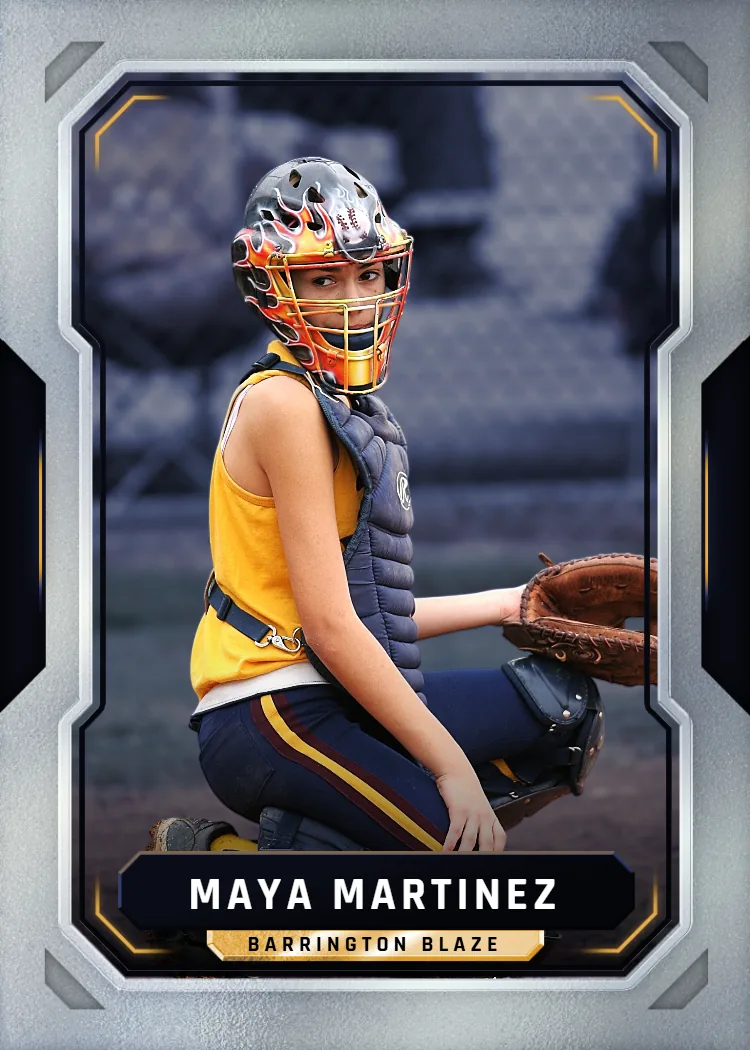
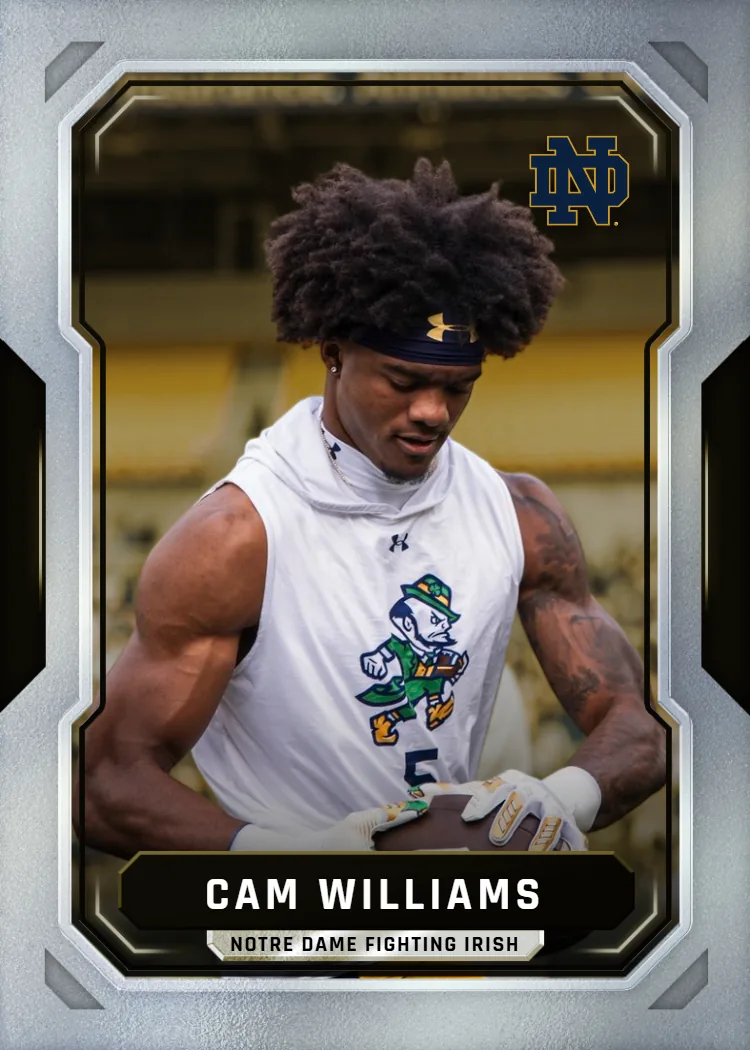




Still Wondering Are Panini Trading Cards Worth Anything? Make Your Own Sure Thing
Skip the guesswork. Upload a favorite photo and turn it into a custom card you know is worth keeping — printed on premium card stock, shipped free over $30 in 2-3 days with a magnetic case included.
Create Your Custom CardNo credit card required | Instant preview | Pro-quality designs
Explore More Card Options
Discover more custom trading card options for every sport and occasion