
Are Panini Baseball Cards Worth Anything? Myths vs. Facts
You found a shoebox of Panini cards in the closet. Now you're Googling whether any of it's actually worth something.
Upload a photo of your player, pet or team, choose an available template, and preview your design before ordering a printed card.
Here's the honest problem: most people asking 'are Panini baseball cards worth anything' get one of two bad answers online. Either some forum tells them their base cards are worth $500 (they're not), or a lazy article says 'nothing has value unless it's a rare rookie' (also wrong, just oversimplified). The truth sits in the middle, and it depends on specifics — the set, the player, the condition, and whether it's a numbered parallel or just a common base card pulled from a retail blaster.
This page separates the myths from the facts, sport by sport, card by card, so you're not guessing. We'll walk through what actually drives Panini card value, when it's basically zero, and when it's real money. We'll also cover why plenty of collectors are moving away from chasing resale value entirely and instead making cards of their own kids, teams, and favorite moments — cards worth something because of what they mean, not what they'll sell for.
Let's start with what Panini actually is and why that matters for value.
We ship custom baseball cards to collectors and families in all 50 states every week, and we hear the 'is this worth anything' question constantly.
Frequently Asked Questions
Are Panini baseball cards worth anything at all?
Some are, most aren't, and the split comes down to specifics rather than the brand name alone. Panini doesn't hold an official MLB license, so their baseball output leans on college, international, and prospect-focused releases rather than mainstream licensed MLB sets, which limits the collector base compared to Topps. That said, numbered parallels, autographed cards, and rookies of players who later became stars can absolutely carry real resale value, sometimes reaching into the hundreds of dollars. A common base card from a mass-produced blaster box, though, is usually worth less than a dollar, even in perfect condition. The mistake people make is assuming rarity based on age alone — a 2015 base card isn't automatically valuable just because it's ten years old. What actually matters is print run size, player performance since the card was printed, and condition. If you're holding a shoebox and wondering whether to sell or keep, sort by player name and look for any numbering on the card back first. That single step tells you more than any general rule about the brand.
Why don't Panini baseball cards have MLB team logos?
Panini lost its ability to produce cards with official MLB team logos and uniforms after MLB signed an exclusive licensing agreement with Fanatics, which now controls Topps. Before that shift, Panini's baseball cards showed players in blurred or altered uniforms, sometimes with logos removed entirely, which noticeably affects collector demand and resale value. This is different from Panini's basketball and football lines, where they do hold licenses and produce fully branded, team-logoed cards. That licensing gap is honestly the single biggest reason baseball collectors treat Panini differently than Topps when it comes to value. It's not that Panini makes lower-quality cards — the print quality is often excellent — it's that the missing logos and uniforms make them feel incomplete to serious baseball collectors. If you're evaluating an old Panini baseball card, check whether the uniform looks doctored or blank; that's a quick visual cue for understanding why it might sell for less than an equivalent licensed card of the same player.
What Panini baseball cards are actually valuable?
The valuable ones almost always share three traits: low print numbers, an autograph or memorabilia patch, or a rookie card of a player who went on to have a strong career. Look for parallels stamped with a serial number like /99, /50, or /10 — the lower the number, the scarcer the card, and scarcity drives price more than almost anything else. Autographed rookie cards of future All-Stars can sell for well over $100, even from a brand without full MLB licensing, because signature demand transcends the logo issue. International releases featuring players before their MLB debut sometimes become valuable retroactively once that player breaks out, which is part of why prospecting is a whole sub-hobby. On the other hand, unnumbered base cards, even of popular players, rarely sell for much because supply vastly outweighs demand. If you're sorting through a collection, separate anything numbered or autographed first, then research those specific cards individually rather than guessing at the whole batch's worth.
How do I check the value of a specific Panini card?
Start by searching completed listings on eBay for the exact card — set name, year, player, and parallel type — filtered to 'sold' rather than active listings, since asking prices are often wildly inflated compared to what cards actually sell for. Price guide apps and collector databases can give ballpark figures too, but they update slowly and often miss recent market shifts tied to player performance. If a card looks genuinely rare or valuable, getting it professionally graded by PSA or BGS adds credibility and can meaningfully increase resale price, though grading takes weeks and costs money upfront. For common cards, don't bother grading — the cost exceeds any possible return. A good rule of thumb: if you can't find at least three recent sold listings for a nearly identical card, it's probably not liquid enough to expect quick resale value, regardless of what a price guide says. Patience and specific research beat general assumptions every time here.
Should I get my Panini baseball cards graded?
Grading only makes financial sense when a card already shows signs of real value — a low print number, a star player, or an autograph. Grading services typically charge between $15 and $50 per card depending on turnaround speed, and that cost needs to be smaller than the value increase grading would provide. A common base card worth fifty cents obviously isn't worth grading, since you'd lose money instantly. A numbered rookie parallel of a rising star, though, might jump significantly in value once professionally graded and slabbed, because buyers trust third-party condition verification more than a seller's own description. Before submitting anything, research recent sold prices for both raw and graded versions of the same card to estimate whether the math works in your favor. If you're unsure, many local card shops will give you a rough opinion for free before you commit to a paid grading submission, which is a smart first step for beginners.
Are old Panini baseball cards from the 1980s worth more?
Age alone doesn't guarantee value, and this is one of the most persistent myths in the hobby. Panini's earlier baseball-adjacent products, including some sticker sets and inserts from decades ago, can carry nostalgic and modest collector value, but most common cards from that era are still worth just a few dollars at most. What actually matters is the same formula as modern cards: player significance, condition, and scarcity. A well-centered, sharp-cornered card of a Hall of Fame player from an older set will beat a beat-up common card every time, regardless of which decade it's from. Vintage condition issues are common too — older cards often have wear that newer collectors don't expect, which can tank perceived value even for otherwise desirable players. If you've got a genuinely old collection, it's worth sorting by player first, then assessing condition carefully, since decades of storage in basements or attics often does more damage than people realize.
Is it better to sell Panini cards individually or as a lot?
It depends entirely on what's in the collection. If you've identified even a handful of genuinely valuable cards — numbered parallels, autographs, notable rookies — those should be sold individually to capture their real market price, since bundling them into a lot almost always undersells them. Everything else, meaning the bulk of common base cards most collections contain, is usually better sold as a bundle or lot, because individual listing fees and shipping costs for low-value cards eat up any potential profit. Lot sales also save enormous time; sorting and listing hundreds of individual dollar cards can take days for very little return. A practical approach is to spend one focused session identifying the top 5-10% of your collection by potential value, list those separately, and bundle the rest by team, player, or year into themed lots that appeal to set collectors or team collectors rather than individual card buyers.
Why do people say Panini cards aren't 'real' baseball cards?
That reputation comes almost entirely from the licensing issue rather than card quality. Because Panini can't use official MLB logos or full uniforms on baseball products, some longtime collectors view them as incomplete or unofficial compared to Topps, which holds the exclusive MLB license. This is a fairness debate as much as a value one — Panini's print quality, photography, and design are often comparable to or better than licensed competitors. But collector psychology matters in resale value, and if a big chunk of the market treats a product as secondary, demand and prices reflect that regardless of actual quality. It's worth noting this is baseball-specific; Panini's basketball and football products are fully licensed and don't carry this same reputation. If you're holding baseball cards and wondering why similar-looking basketball cards sell for more, licensing status is usually the answer, not print run or scarcity.
Can I make money buying and reselling Panini baseball card packs?
It's possible but genuinely difficult, and most people who try it lose money rather than profit. Pack odds are designed so the average buyer pulls mostly common cards, with valuable hits — autographs, low-numbered parallels, notable rookies — appearing rarely and unpredictably. Because Panini baseball lacks full MLB licensing, demand for their products is also generally softer than for licensed competitors, which caps potential resale ceilings even on good pulls. People who do profit usually buy in bulk, understand current player market trends closely, and treat it as a numbers game across dozens of boxes rather than expecting every pack to pay off. For a casual collector buying a few packs for fun, it's much healthier to treat the purchase as entertainment first and any resale value as a bonus, rather than an investment strategy you're counting on.
What's the difference between Panini and Topps baseball cards for value?
Topps holds the exclusive MLB license, meaning their cards feature official team logos, uniforms, and branding, which collectors and resale markets have trusted for decades as the standard for baseball cards. Panini's baseball products, lacking that license, typically show altered or blurred uniforms and no MLB logos, which softens collector demand and, in turn, resale value for comparable cards. This doesn't mean Panini cards are poorly made — often the photography and card stock quality are excellent — it's purely a market perception and licensing issue. If you're comparing two otherwise similar cards of the same player from the same year, the Topps version will generally command a higher resale price simply due to broader collector trust and demand. For pure enjoyment or collecting purposes rather than investment, that gap matters much less, since a card's meaning to you doesn't depend on licensing status at all.
Do Panini baseball cards ever appreciate significantly in value over time?
It happens, though less predictably than with licensed products, and it's almost always tied to the player's career trajectory rather than the brand itself. If a Panini prospect card features a player before they were drafted or debuted, and that player becomes a genuine star, demand for that early card can spike years later even without MLB branding. This is common in international and Donruss-era prospect sets, where Panini captured players before Topps had exclusive access to them. The catch is you're betting on a specific player's future performance, which is inherently unpredictable — for every card that appreciates, many others from the same set stay flat or decline in relevance. If you're holding cards hoping for future appreciation, focus on players with strong current trajectories and be realistic that most cards in any given set won't become valuable, regardless of brand.
What should I do with Panini cards that aren't worth much?
Plenty of options exist beyond letting them sit in a closet, and value doesn't have to be financial to be worthwhile. Many collectors donate low-value cards to youth programs, hospitals, or local card shops running kids' promotions, which keeps the hobby alive for new collectors without expecting a return. Bundling common cards into cheap lot sales by team or player can recoup a little money and clear space, even if individual value is minimal. Some people repurpose cards creatively, using them in scrapbooks or displays built around a specific season or player they followed closely. If the cards hold personal meaning — your first pack, a game you attended, a player you admired growing up — keeping them isn't a financial decision at all, and that's a perfectly valid reason to hold onto something a price guide would call worthless.
Free to design, instant preview. Free US standard shipping on orders $30+. Review delivery options at checkout.
How Do You Figure Out If Panini Baseball Cards Are Worth Anything?
Valuing a Panini baseball card takes three checks, in this order. Skip a step and you'll misjudge the price.
Identify the exact set and parallel
Panini doesn't hold an official MLB license, so their baseball cards come from unlicensed sets like Donruss (through certain years) or international/prospect-focused releases rather than mainstream Topps-style MLB card. Check the back of the card for the set name, year, and any parallel markings like 'Press Proof' or numbered stamps. Base cards from mass-produced sets are usually worth very little — often under a dollar.
Check the player and the print run
A rookie card of a player who became a Hall of Famer holds value regardless of brand. A numbered parallel (like /99 or /25) of a star player can be worth real money, sometimes $20-$200 depending on demand. A base card of a journeyman player, even in mint condition, typically isn't worth much beyond nostalgia.
Grade the condition honestly
Corners, centering, and surface scratches matter enormously. A card that looks fine to the naked eye might have a soft corner that tanks its grade. Professional grading services (PSA, BGS) can confirm condition and unlock higher resale value, but grading costs $15-$50 per card, so it only makes sense for cards you already suspect are valuable.
Run all three checks before you decide a card's worthless — or worth a fortune.
What You Gain By Knowing the Real Value Before You Sell or Keep
Knowing the facts protects you from both mistakes: tossing something valuable and overpricing something common.
You avoid embarrassing overpricing
Listing a common base card for $50 because a random blog said Panini cards are valuable will just sit unsold for months, and buyers will notice.
You spot real value when it exists
Numbered parallels, autographed inserts, and rookie cards of eventual stars do carry genuine resale value, and knowing what to look for means you won't accidentally give one away.
You make smarter keep-or-sell decisions
Some cards are worth more to you sentimentally than financially, and that's a fine reason to keep them — but it helps to know which is which before deciding.
You stop chasing a moving target
Card values shift constantly based on player performance and market trends, so understanding the underlying factors matters more than memorizing any single price guide.
Common Situations Where People Ask About Panini Card Value
The question shows up in a few recurring situations, and each one calls for a slightly different approach.
Inherited or found collections
Someone passes down a shoebox of cards from decades ago, and the family wants to know if it's worth appraising or just worth keeping as a memory. In most cases, a quick sort by set and player tells you within an hour whether professional appraisal makes sense, or whether the real value is sentimental.
Kids' current collections
Parents buying packs for their kids often want to know if today's Panini products will be tomorrow's valuable cards. The honest answer: most won't, since production volume is high and unlicensed MLB sets have a smaller collector base than licensed ones — but that doesn't mean the hobby isn't worth it for the fun and connection to the sport.
Downsizing or estate cleanup
People clearing out a house sometimes find boxes of cards and want a fast read on whether it's worth the time to sell individually versus donating or bundling into a lot sale. Sorting for numbered parallels and star rookies first saves hours of unnecessary research on common cards.
What Collectors and Custom Card Buyers Tend to Agree On
Across collector forums and card shops, there's wide agreement that resale value in Panini baseball specifically is inconsistent because of the licensing gap with MLB. What collectors increasingly value instead is control — building something meaningful with their own photos rather than betting on secondary market swings. That shift is a big reason custom card printing has grown alongside traditional collecting.
What It Costs to Make Cards Worth Keeping, Not Just Reselling
If resale value feels like a gamble, custom cards flip the equation — you know exactly what you're getting before you pay.
Single custom card $17.99, packs up to $49.99, MEGA 11"×15" poster card $49.99, free shipping over $30 across the USA, printed on premium card stock and shipped in 2-3 days with a free magnetic case.
You pay a fixed price for a card that means something specific to you, instead of speculating on whether a pack pull will ever be worth anything.
Box Options
Simple, collectible pricing. No subscriptions, no hidden fees.
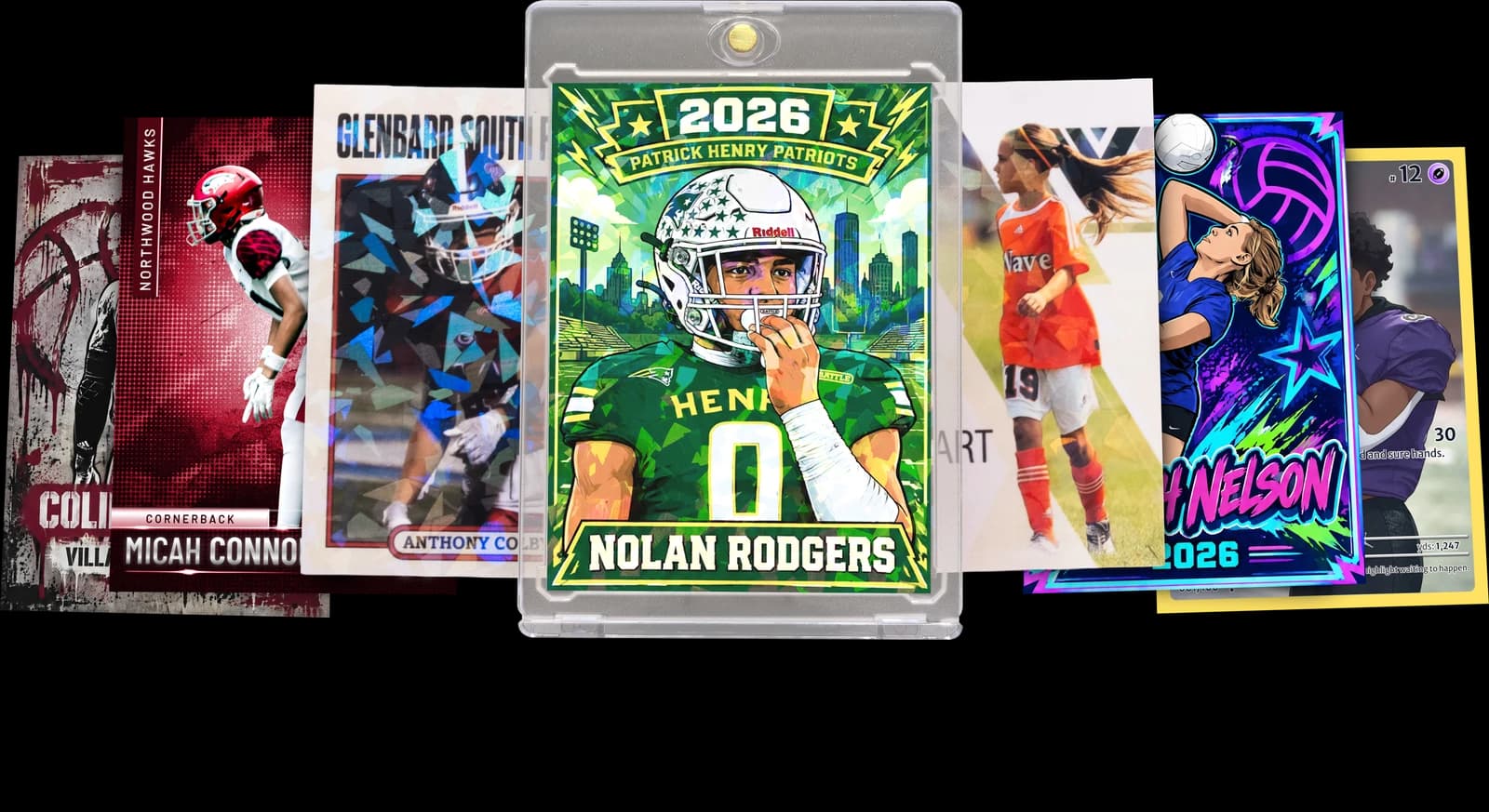
The Rookie Box
Perfect for those unforgettable moments
$17.99 - $49.99
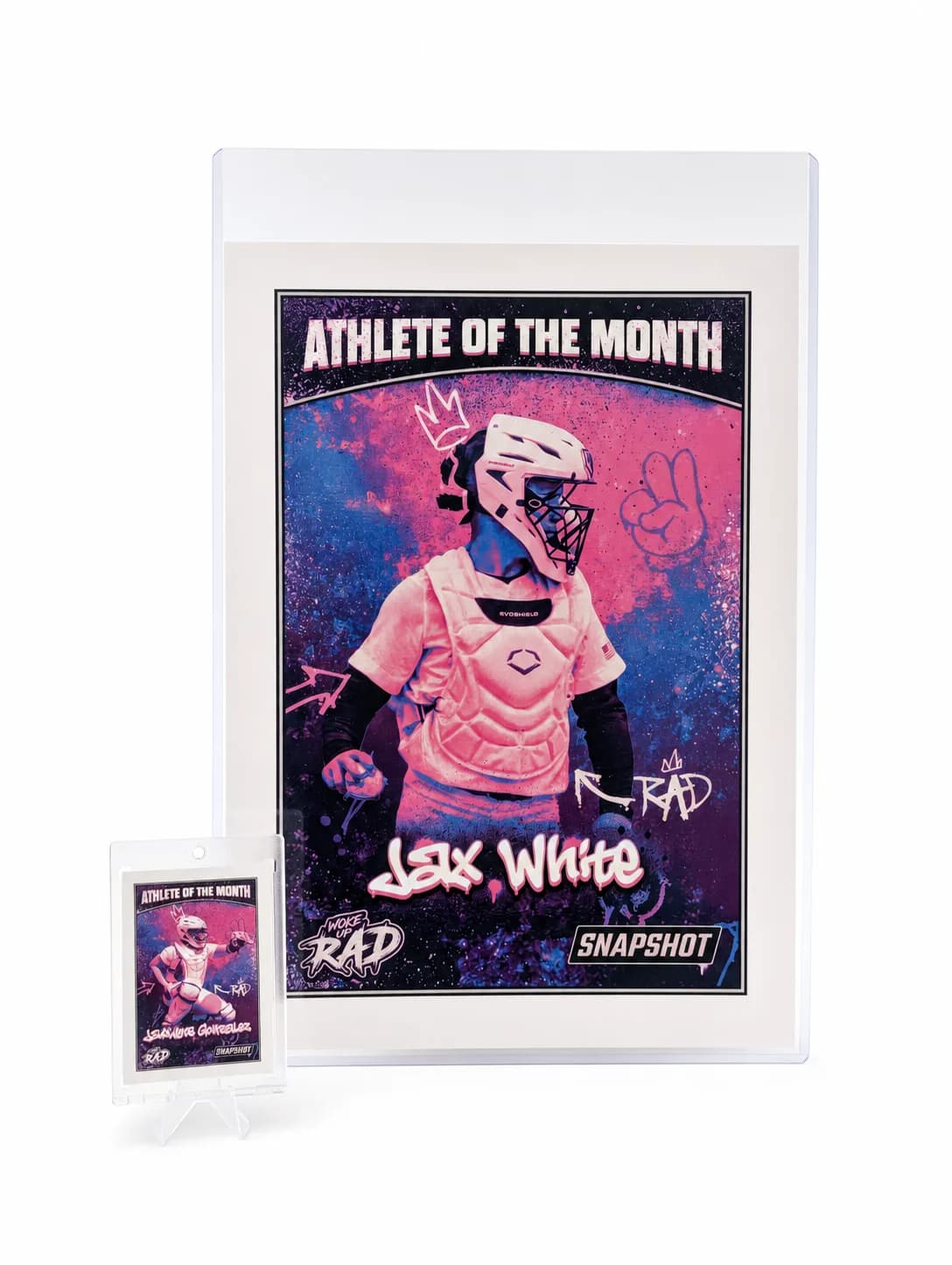
MEGA Card
Their moment, bigger than ever
$49.99
Create for free • Ships the next business day • Made in Des Moines, IA, USA

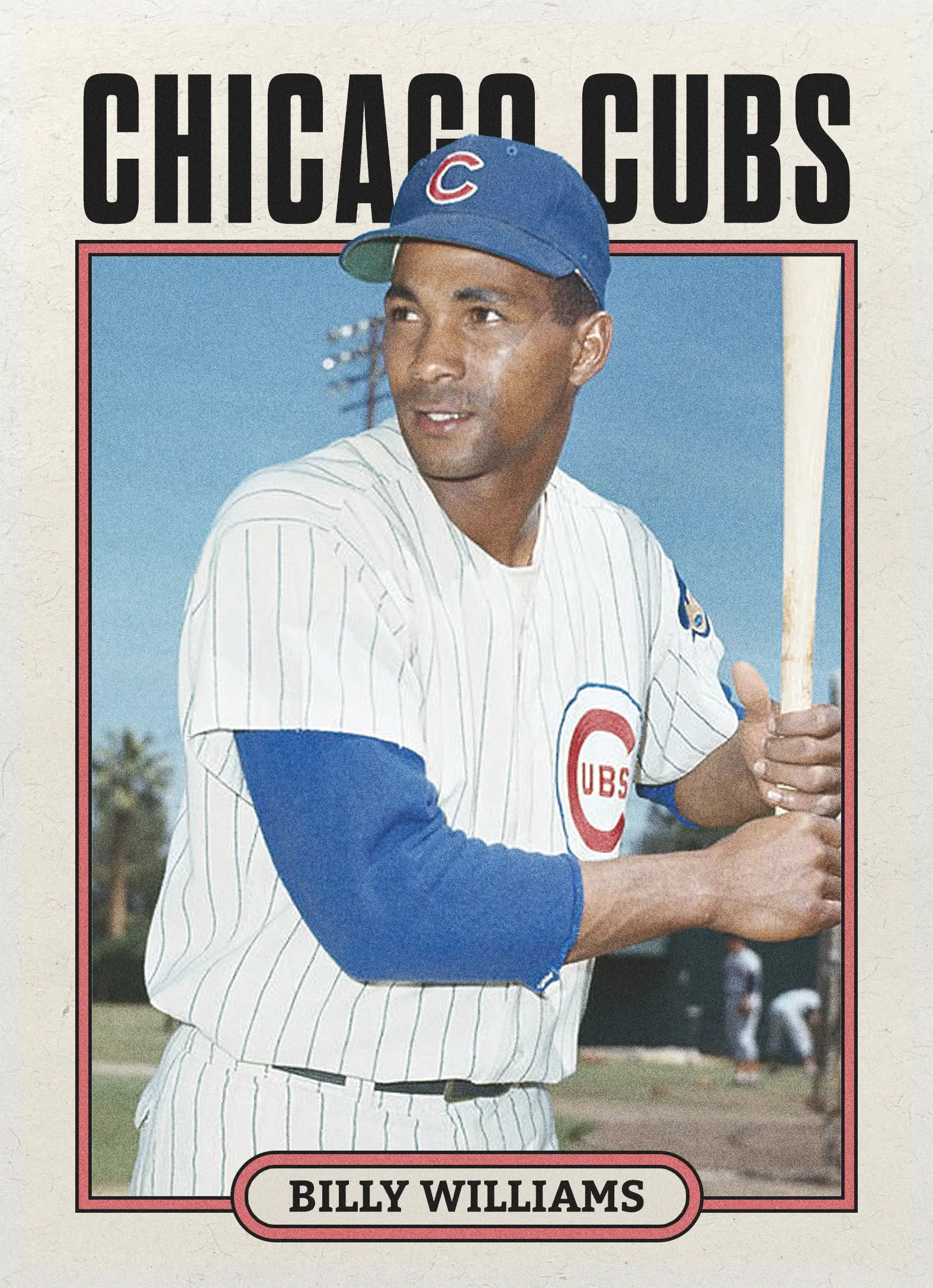
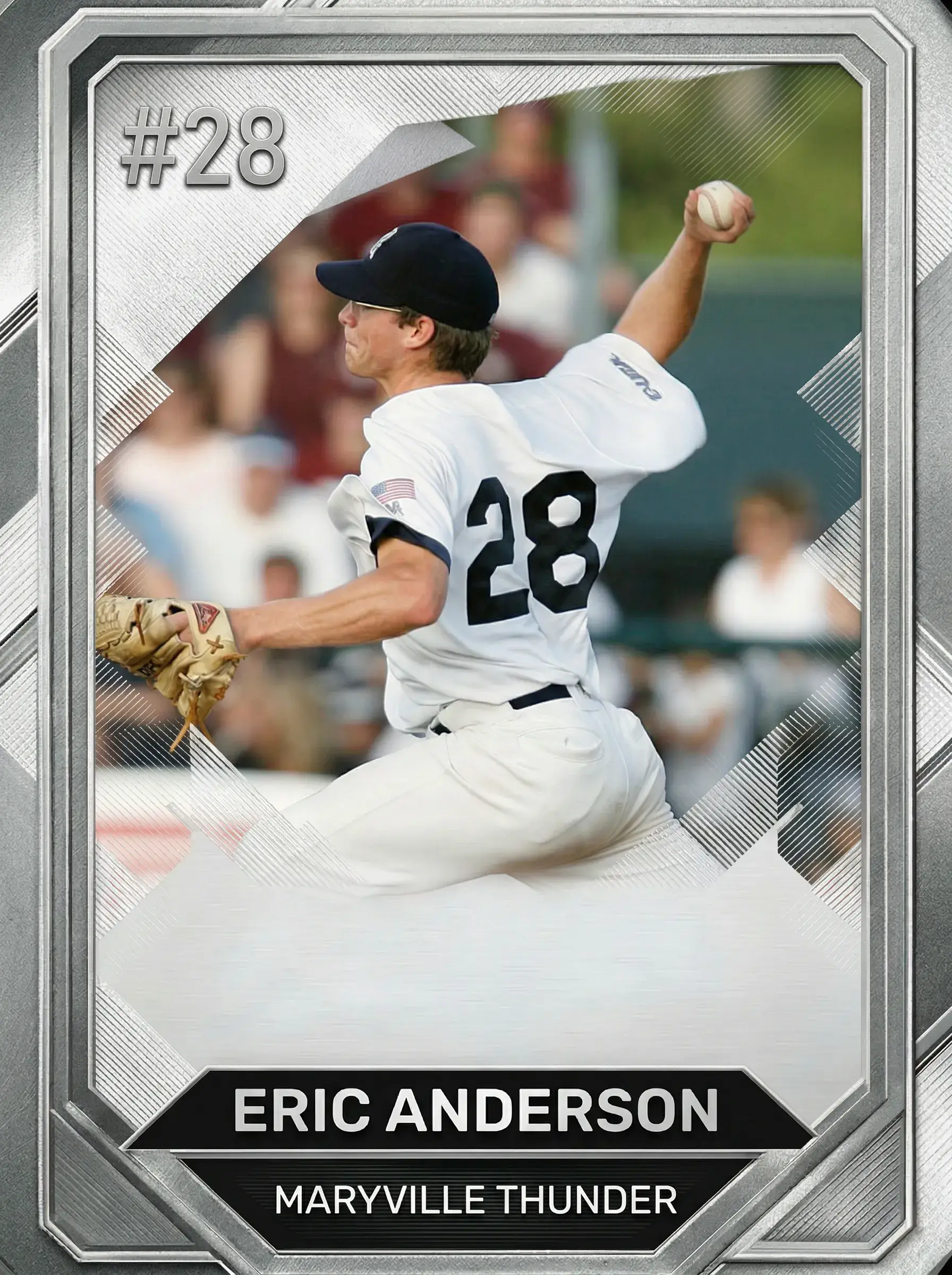
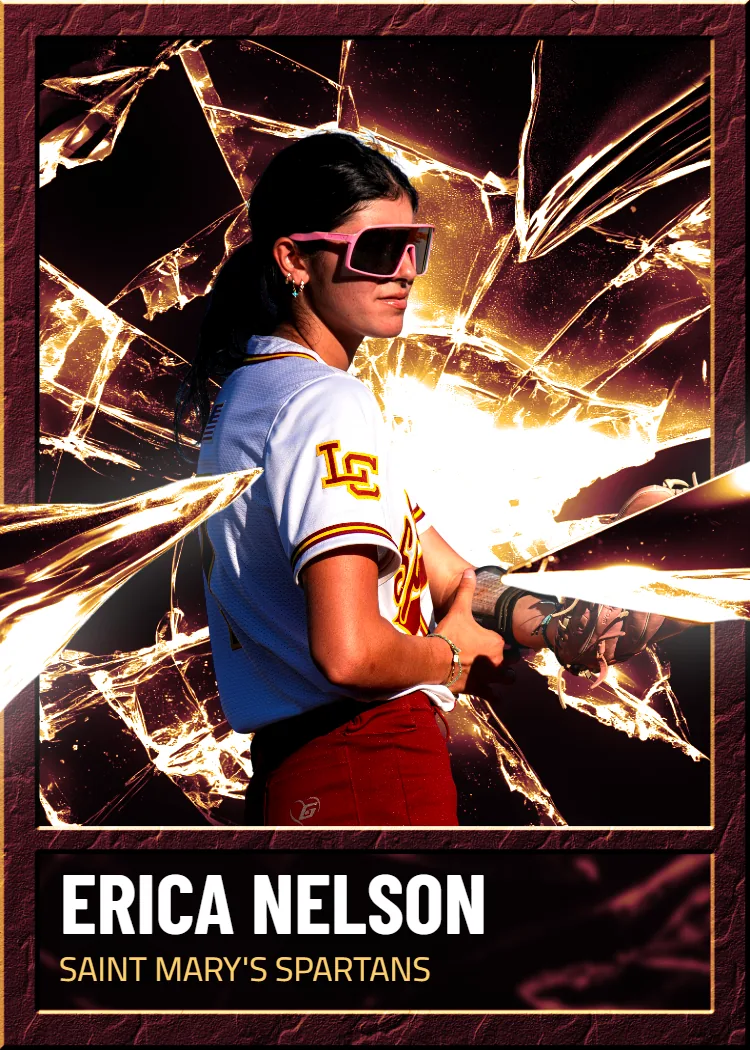
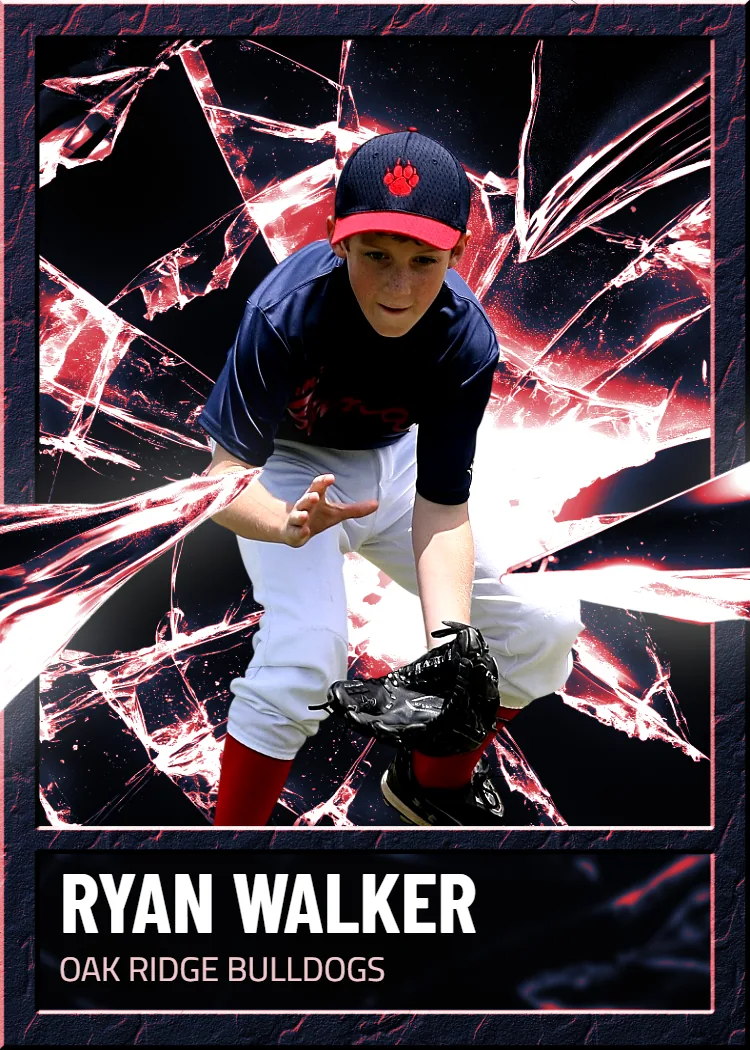
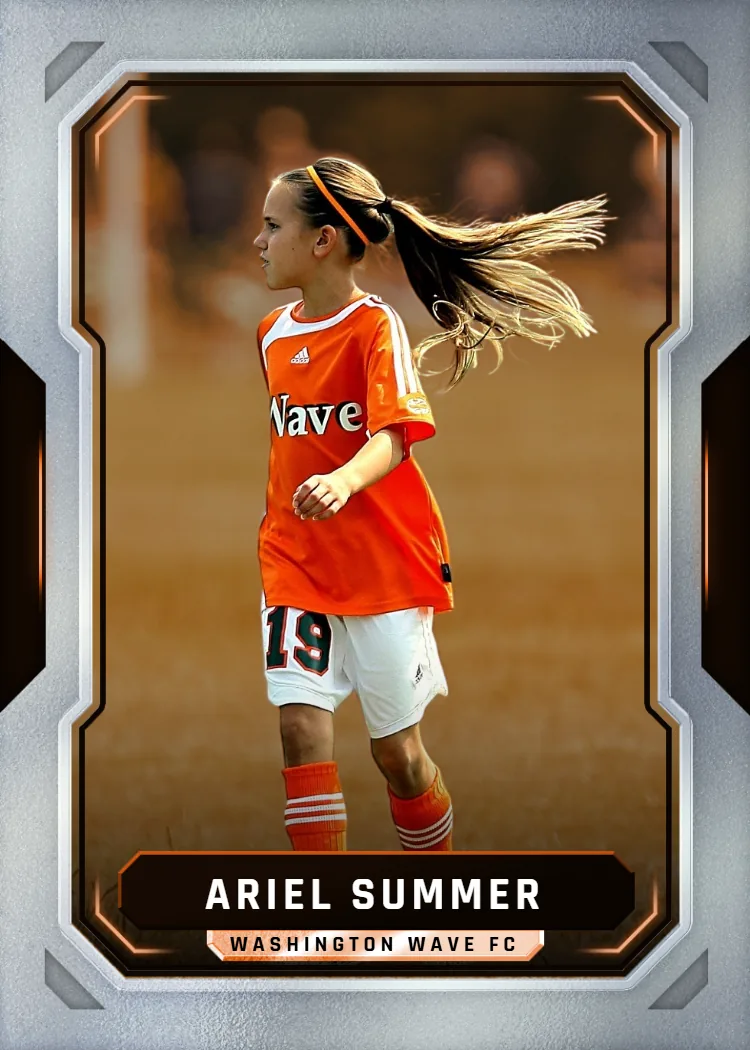
Stop Wondering Are Panini Baseball Cards Worth Anything — Make One That's Worth Keeping
Skip the guesswork of pack odds and resale forums. Upload a photo, pick a pro-style template, and get a premium custom card shipped in 2-3 days with a free magnetic case, no speculation required.
Create Your Custom CardNo credit card required | Instant preview | Pro-quality designs
Explore More Card Options
Discover more custom trading card options for every sport and occasion