
Panini Cards Value: Separating Myth From Fact
A 2003 rookie sitting in a shoebox might be worth $4 — or $4,000. Panini cards value isn't guesswork, it's math.
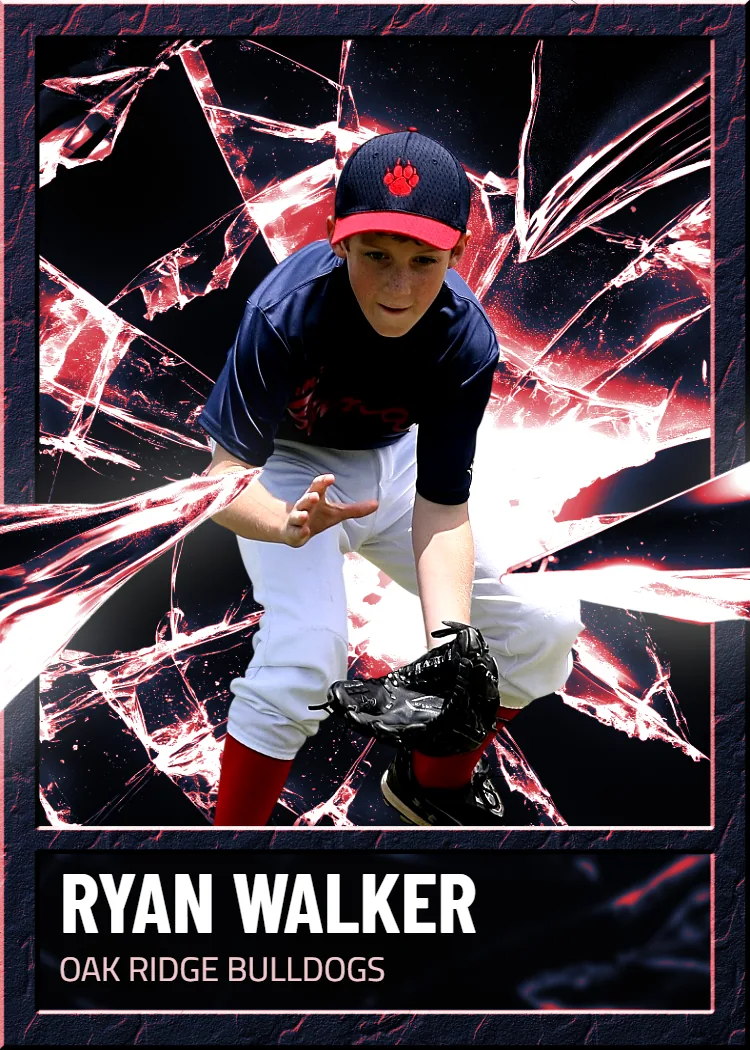
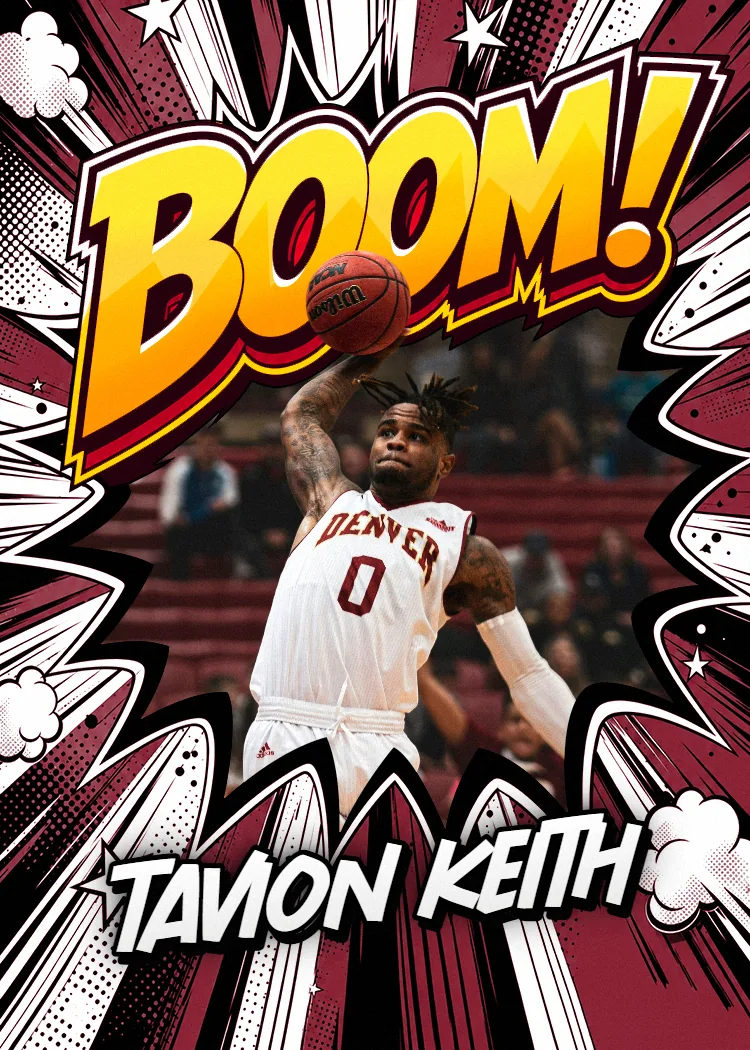
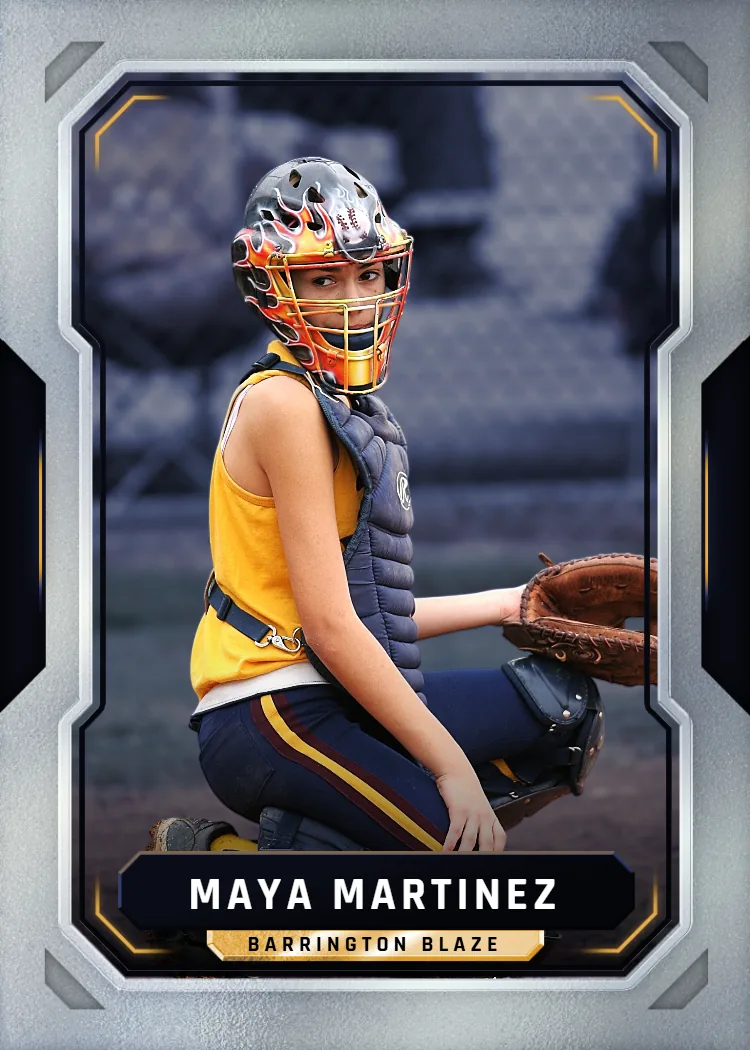
Upload a photo of your player, pet or team, choose an available template, and preview your design before ordering a printed card.
Here's the problem: most people searching panini cards value are working off half-truths passed down from a cousin who 'used to collect' or a viral TikTok claiming every Panini card from the last decade is a retirement fund. That's not how grading, print runs, or the secondary market actually work. Confusing a base card with a parallel, or a factory set with a limited insert, leads to wildly wrong expectations. And once you've overestimated a stack of cards, the letdown when a dealer offers you $2 a card stings a lot more.
This page walks through the real drivers of panini cards value — rarity, condition, player relevance, and market timing — and knocks down the myths that inflate expectations. We'll also show you a separate, more reliable way to lock in value on photos and memories that matter to you: custom printed cards you control from day one.
Let's separate what actually moves the needle from what's just noise.
We ship custom cards to collectors and families in all 50 states every week, and we hear the same panini cards value questions from customers before they turn to custom prints instead.
Frequently Asked Questions
What determines panini cards value more than anything else?
Scarcity is the single biggest driver, and it's measured by the print run stamped on the card. A card numbered to 2,500 will almost always be worth less than one numbered to 25, even if both feature the same player in the same set. Condition runs a close second — a well-centered card with sharp corners graded a 9 or 10 can be worth multiples of a beat-up copy of the identical card. Player demand is the third leg, and it's the most volatile, since it shifts with performance, injuries, trades, and retirement news. A rookie card of a player having an MVP season can spike overnight, then cool off just as fast the following year. That's why two people can look at the same card and give wildly different value estimates depending on when they checked. If you're trying to estimate value yourself, check the numbering first, assess condition honestly, then look at recent sold listings for that exact card and parallel, not just the player's name.
Is it true that all Panini cards from the 2020s will be valuable someday?
That's one of the most common myths in the hobby, and it's simply not true. Panini prints an enormous volume of base cards every year, which means most of them will never be scarce enough to command real money, regardless of how many decades pass. Scarcity requires a limited print run, and base cards from mass-produced sets don't qualify no matter how old they get. What can appreciate is a genuinely rare parallel of a player who goes on to have a Hall of Fame career — but that's a specific combination, not a blanket rule for an entire release year. Plenty of cards from the 1990s junk wax era are still worth pennies today, proving that age alone doesn't create value. If someone tells you to buy boxes now because they'll definitely be worth more in twenty years, treat that as speculation, not fact. The safer bet is collecting because you enjoy it, and treating any appreciation as a bonus rather than a plan.
Does a card being autographed automatically make it more valuable?
An autograph adds value, but it doesn't guarantee a specific number, and that's a distinction a lot of new collectors miss. The signature's impact depends heavily on the player's relevance, the certification of the autograph, and how many autographed copies exist in that particular set. An on-card autograph, meaning the player signed the card directly rather than a sticker being applied, typically commands a premium over sticker autographs. Authentication matters too — an autograph without a certified hologram or matching serial number is much harder to sell with confidence. A rookie autograph of a player who later becomes a star can be worth significant money, but the same autograph of a player who never makes an impact may stay flat for years. So yes, autographs generally help, but they interact with all the same factors — scarcity, condition, and demand — rather than overriding them.
Can I trust online price guide sites to tell me exact panini cards value?
Price guides are a reasonable starting point, but they're often outdated within weeks, especially for actively traded players. Most guides pull from a mix of past sales and estimates, which means they lag behind real-time market movement, particularly after a big game, trade, or injury. A more reliable method is checking recently completed, sold listings on major marketplaces for the exact card, parallel, and grade you're evaluating — not just the base version. Keep in mind that asking prices and sold prices are very different things, and a listing sitting unsold for months tells you the seller's price, not the market's price. Regional card shops sometimes price differently than national marketplaces too, so getting a second opinion is smart before committing to a big purchase or sale. Treat any single source as one data point among several, not gospel.
Should I get my Panini cards graded to increase their value?
Grading can significantly boost value, but only for cards that clear a certain threshold to begin with. Submitting a $15 base card for grading rarely makes financial sense once you factor in grading fees, shipping both ways, and turnaround time, which can stretch weeks or months depending on the service's backlog. Grading tends to pay off for cards that are already scarce — low-numbered parallels, rookie cards of proven stars, or autographed pieces — where a high grade can multiply the card's worth several times over. It's also worth noting that a lower-than-expected grade can actually hurt resale value compared to leaving the card raw and letting a buyer judge condition themselves. Before submitting anything, research recent graded sales for that exact card at each grade level, so you know the potential upside actually justifies the cost and wait.
Why do some 1990s Panini and other brand cards sell for almost nothing today?
That era is often called the junk wax period, and it's the clearest lesson in how oversupply kills value. Manufacturers printed cards by the billions in response to a collecting boom, assuming demand would keep climbing indefinitely. It didn't, and the market ended up flooded with more supply than collectors could ever absorb, even decades later. That's why a common card from that period, no matter how nostalgic, typically sells for a few cents to a few dollars today. The lesson carries forward: high print runs cap value permanently, regardless of how much time passes or how fondly people remember the era. It's a useful reality check for anyone hoping that a stack of modern base cards will eventually become rare simply by aging in a closet for thirty years.
Does the team or only the individual player affect panini cards value?
Both matter, but player performance usually outweighs team success in the secondary market. A rookie card of a star player on a losing team can still command strong money, while a common player on a championship roster often stays flat. That said, team context adds smaller bumps — a card featuring a player during a title run, or a notable franchise moment, sometimes carries sentimental premium among fans of that specific team. Regional demand plays a role too; a player's cards often sell for more in their home market than nationally, simply because local fans want a piece of that connection. If you're evaluating a card, start with the individual's career trajectory and stats, then treat team success as a secondary factor that can nudge price but rarely drives it.
Is it worth insuring a valuable Panini card collection?
If your collection's total value climbs into the thousands, insurance becomes a reasonable conversation, similar to insuring jewelry or collectibles. Standard homeowner's or renter's policies often cap collectible coverage at a few hundred dollars, which won't come close to covering a serious collection if there's a fire, flood, or theft. Specialty collectibles insurers can appraise and cover cards individually or as a scheduled collection, usually for a modest annual premium relative to the value protected. Documentation matters here — photos, grading certificates, and purchase receipts all speed up a claim if something happens. For smaller collections without high-dollar cards, a fireproof safe and a home inventory list is often enough protection without the added cost of a policy. Either way, don't assume your cards are automatically covered just because they're inside your house.
How is a custom printed card different from a Panini trading card in terms of value?
They're solving completely different problems, which is why comparing them directly can be misleading. A Panini card's worth depends on scarcity and market speculation you don't control — you're betting on a print run and a player's career. A custom card, like the ones we produce, is built around a photo you already own, printed on professional card stock, and its value is personal and guaranteed the moment it arrives. There's no grading required and no market fluctuation to track, because you're not trying to resell it — you're preserving a specific memory, game, or milestone permanently. Some customers actually use custom cards to commemorate a player's rookie season alongside the official Panini release, treating the two as complementary rather than competing. If you want something whose value never depends on someone else's opinion, that's the appeal of a custom print over a speculative pack pull.
Can a card be worth more if it has printing errors or variations?
Error cards can carry a premium, but it depends entirely on the type and rarity of the mistake. A miscut card or minor printing smudge usually isn't valuable — it's just considered damaged. But a genuine factory variation, like a wrong back pairing, a missing foil stamp, or a corrected name after a known error, can become a small niche collectible precisely because so few made it past quality control before the fix. Collectors who specialize in error cards track these variations closely, and prices can spike when a previously unknown error surfaces publicly. That said, this is a narrow, expert-driven corner of the hobby, and casual collectors should be cautious about assuming any oddity in their card is a valuable error rather than simple wear or damage. When in doubt, compare against confirmed examples from collector forums before assuming you've found something rare.
Do parallels with special colors or patterns always outrank standard numbered parallels?
Not always, and this trips up a lot of newer collectors comparing cards across different products. Color and pattern names don't follow a universal hierarchy across every Panini release — a gold parallel in one product might be numbered to 10, while in another product a similarly named parallel is numbered to 99. The actual print run printed on the card matters far more than the color or pattern name alone. It's also common for certain aesthetically striking parallels to trade above their print-run tier simply because collectors like the visual design, which is a demand factor layered on top of scarcity. Before assuming a color name implies a certain rarity, always check the actual numbering on the card itself, and compare recent sales of that specific parallel rather than assuming rules that applied to a different product year or brand.
How quickly can panini cards value change after a big game or season?
It can move within days, sometimes hours, especially for players in the middle of a breakout stretch or a major public moment. A standout playoff performance, a record-breaking game, or a surprise award announcement can send resale prices for a specific rookie card climbing rapidly as buyers rush to acquire it before the news settles. The opposite is true too — an injury, a suspension, or a disappointing season can cause prices to soften just as fast. This volatility is part of why some collectors treat cards like a short-term market rather than a long-term investment, buying low before a season and selling during a hot streak. If your goal is simply enjoying the hobby rather than trading, this volatility matters less, but it's worth understanding if you're holding cards you might eventually sell.
Free to design, instant preview. Free US standard shipping on orders $30+. Review delivery options at checkout.
How Panini Cards Value Actually Gets Determined
Value isn't set by Panini — it's set afterward, by scarcity and demand meeting in the secondary market.
Print run and parallel tier set the ceiling
Every Panini product has a base set printed in the thousands, then parallels — color variants, refractors, numbered versions — printed in shrinking quantities. A /99 parallel is inherently scarcer than a base card, and a 1/1 is one-of-a-kind. That numbering, stamped right on the card, is the first thing anyone checks before assigning value. No numbering usually means base — and base cards, even of stars, rarely carry much weight on their own.
Condition gets graded and locked in
Centering, corners, edges, and surface get scored by services like PSA or BGS on a 1-10 scale. A card graded a 9 or 10 can be worth five to ten times more than the same card graded a 6, even though they look nearly identical to an untrained eye. Grading fees and turnaround times matter too — a $20 card usually isn't worth submitting, since the cost of grading can exceed the card's value.
Demand shifts with the player, not the print
A rookie card's value tracks the player's career in real time. A breakout season can double a card's price in weeks; an injury or a quiet year can cut it in half just as fast. This is why panini cards value is never fixed — it's a live number tied to performance, retirement announcements, and even Hall of Fame voting cycles.
Once you understand these three levers, most of the myths floating around start to fall apart on their own.
What Understanding Real Value Gets You
Knowing how panini cards value works protects you from bad trades and bad expectations — on both sides.
You stop overpaying at shows
When you understand parallel tiers and population reports, you won't pay near-1/1 prices for a card that's actually numbered to 199. That knowledge alone can save collectors hundreds per show.
You sell smarter, not faster
Knowing which cards are genuinely scarce means you hold the right ones and offload the rest before demand cools. Timing a sale around a player's season often beats panic-selling.
You avoid grading traps
Submitting every card for grading sounds smart until the fees pile up. Understanding baseline value first tells you which cards are actually worth the wait and the cost.
You appreciate what real scarcity looks like
Once you've seen how manufactured scarcity drives resale prices, you start valuing things differently — including one-of-one items you make yourself, which brings us to custom cards.
Where This Knowledge Actually Comes In Handy
Understanding panini cards value isn't just for flippers — it shapes decisions for collectors at every level.
The inherited collection
You've got a relative's shoebox of cards from the 90s and 2000s and no idea what's worth keeping. Sorting by numbering and set first — before assuming anything is rare — saves you from either tossing a gem or hauling junk wax to a dealer expecting a payout.
The active collector building a PC
If you're chasing a specific player or team, understanding print runs helps you budget. You'll know a /25 parallel demands a real premium, while a base parallel numbered to 199 is a more reasonable target for a personal collection (PC).
The parent buying for a kid
Panini packs make great gifts, but setting expectations matters. Most packs won't contain a valuable hit — and that's fine, since the fun is often in the opening, not the resale math. Pairing a pack with something guaranteed meaningful, like a custom card of the kid's own game photo, balances the odds with a sure thing.
Why This Distinction Matters to Collectors Nationwide
Card shops and online marketplaces field the same question daily: is this worth anything? The honest answer almost always comes down to numbering, condition, and current player demand — not the brand name on the wrapper. That's the same standard we apply when people ask us to preserve their own sports memories permanently, just without the market volatility.
What Custom Cards Cost Compared to Chasing Panini Cards Value
A single custom card runs $17.99, packs go up to $49.99, and our MEGA 11x15 poster card is $49.99 — no packs to open, no gambling on numbering.
Rookie Box $17.99-$49.99, MEGA $49.99, free shipping over $30
Free US standard shipping on orders $30+ — $5.00 flat under that.
Box Options
Simple, collectible pricing. No subscriptions, no hidden fees.
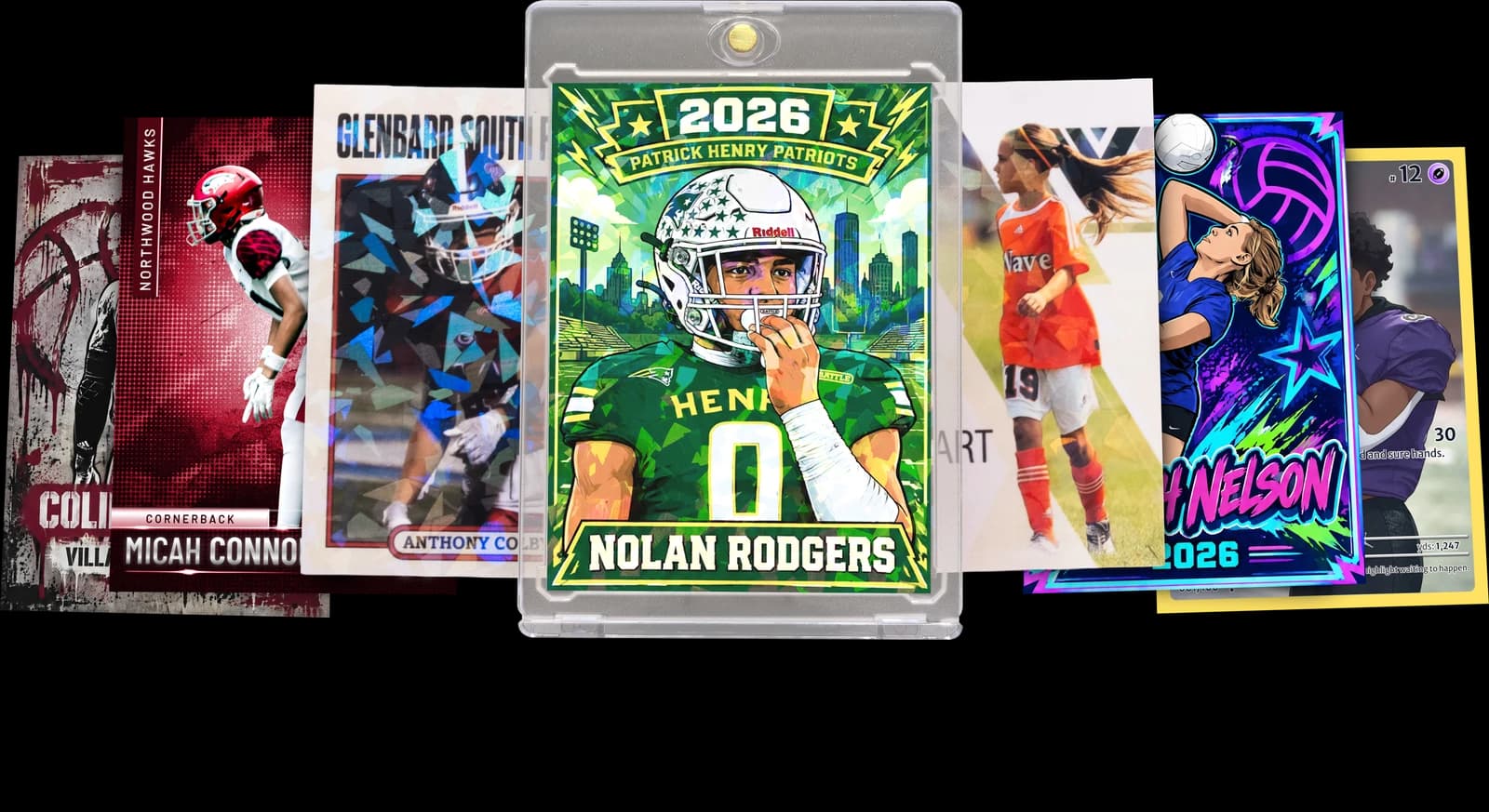
The Rookie Box
Perfect for those unforgettable moments
$17.99 - $49.99
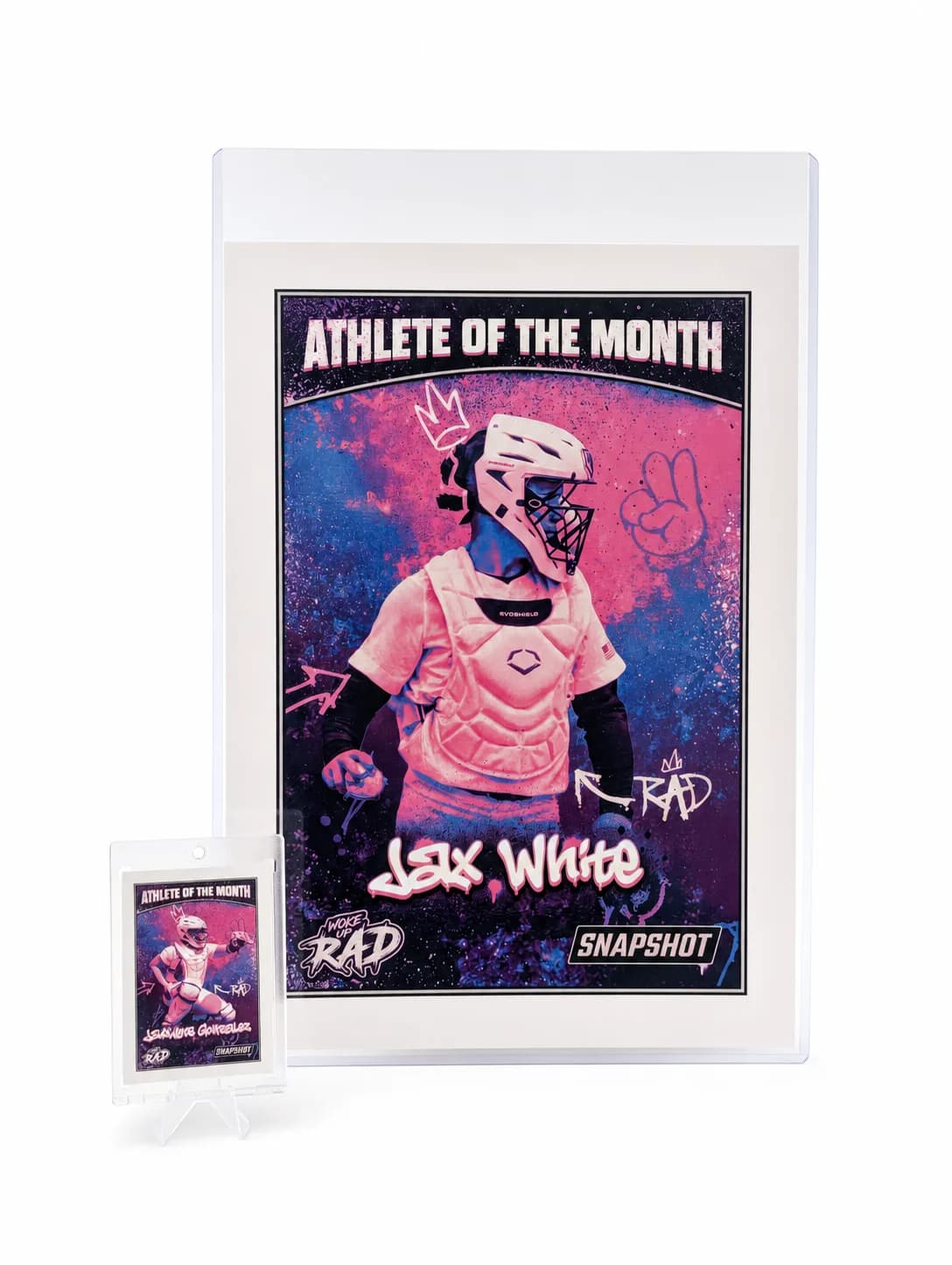
MEGA Card
Their moment, bigger than ever
$49.99
Create for free • Ships the next business day • Made in Des Moines, IA, USA
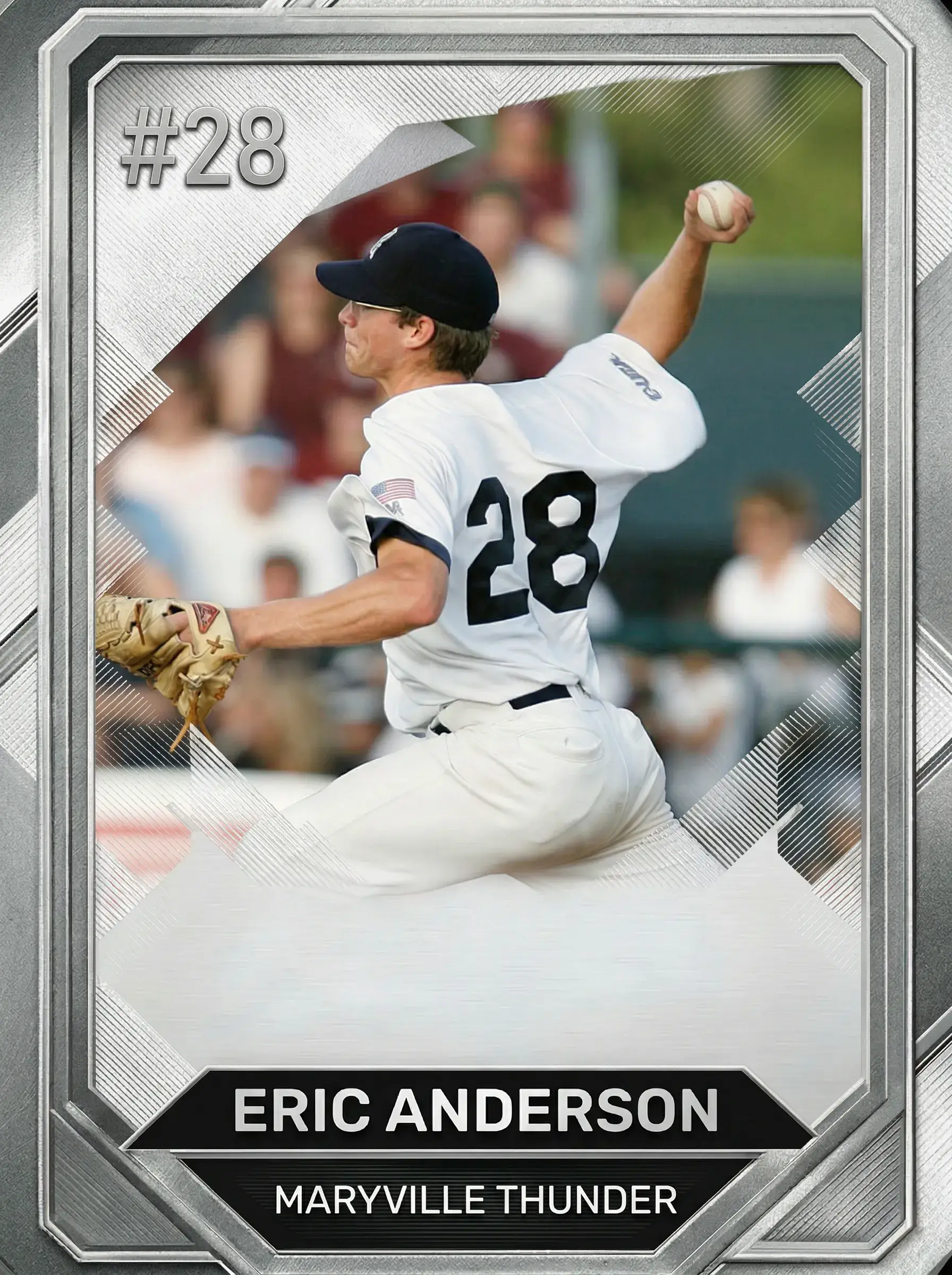
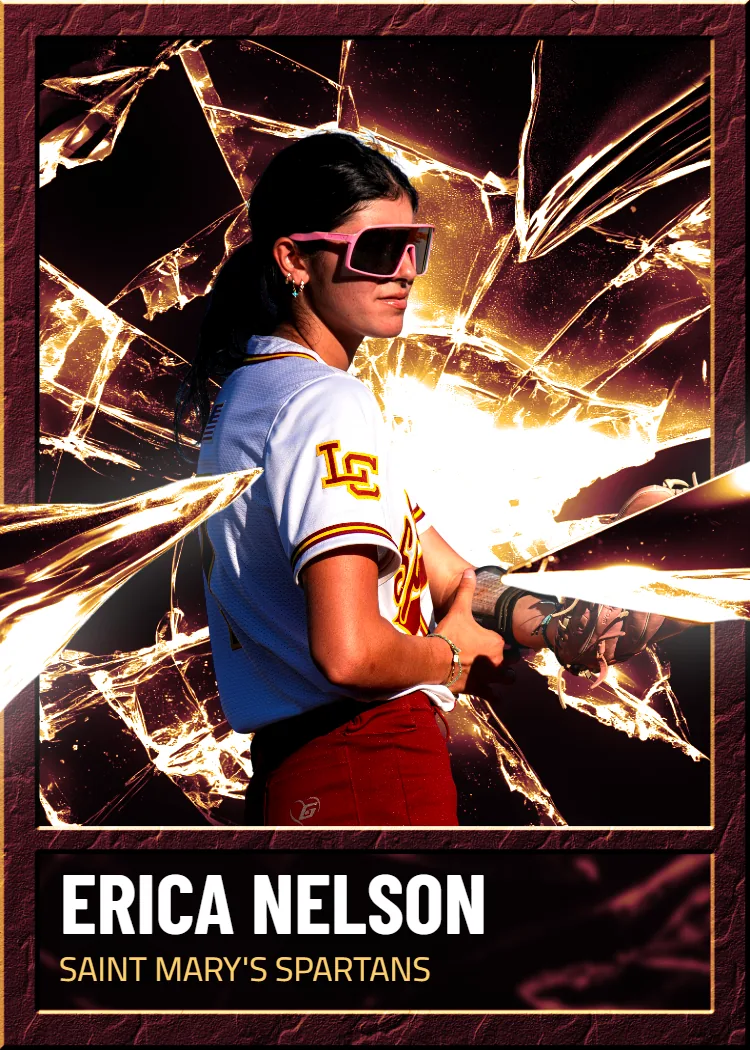

Skip the Guessing Game — Lock In Your Own Panini Cards Value Alternative
Stop wondering what a pack might be worth someday. Production takes one business day; shipping time is quoted at checkout for your address.
Create Your Custom CardNo credit card required | Instant preview | Pro-quality designs
Explore More Card Options
Discover more custom trading card options for every sport and occasion