
The Pokémon Card Grading System: What Every Fan Should Know
A PSA 10 Charizard once sold for over $400,000. That number starts with the grading system.
Upload your own artwork or photo, choose an available template, and preview your design before ordering a printed card.
Most Pokémon fans know their cards are valuable — but the pokemon card grading system feels like a maze of acronyms, scales, and fine print. PSA, BGS, CGC, gem mint, pristine... what does any of it actually mean for your collection? Worse, you'll find conflicting information online, outdated fee charts, and forum arguments that go nowhere. Whether you're sitting on a childhood binder or hunting new pulls, not understanding how grading works means you could be overpaying, underselling, or just leaving money on the table.
This page breaks the Pokémon card grading system down into plain language — who the graders are, what the number scores mean, how to decide if grading is worth it, and what condition checklist you should run through before you ever mail a card. We'll also show you something cool at the end: how Snapshot fans are turning their favorite Pokémon memories into stunning custom trading cards you can actually hold and display.
Let's build your grading knowledge from the ground up — fast and specific.
We ship custom trading cards to collectors and fans in all 50 states every week from our production facility in Des Moines, Iowa.
Why Pokémon Fans Trust Custom Cards Alongside Their Graded Slabs
Snapshot ships custom trading cards to collectors, fans, and Pokémon enthusiasts across all 50 states every week. Fans consistently tell us they love pairing a custom Snapshot card — featuring a personal photo in a pro trading card design — with their graded slabs as part of a broader collection display. Production takes one business day; shipping time is quoted at checkout for your address.
When Should Pokémon Fans Actually Pay to Get Cards Graded?
Grading every card in your binder doesn't make financial sense. Here are three specific scenarios where paying for grading is a smart move — and one where it almost never is.
High-Value Vintage Cards (Pre-2003 Sets)
If you've got Base Set, Jungle, Fossil, or Neo Genesis cards in excellent condition, grading is worth it. A raw Shadowless Charizard might sell for $500; a PSA 9 of the same card regularly clears $3,000+. The grading fee is negligible compared to the value authentication adds. Always research current PSA pop reports before submitting to understand how many gem mints already exist.
Modern Secret Rares and Alternate Art Cards
Pokémon's recent sets have produced alternate art cards — Umbreon VMAX, Charizard ex, Giratina VSTAR — that sell for hundreds raw and thousands graded. These cards are worth submitting because their glossy surfaces show scratches easily, and a PSA 10 certificate dramatically narrows the buyer's risk. Pull one from a booster and bag it immediately without touching the surface.
Creating Display-Worthy Memorabilia for Your Collection
Sometimes grading isn't about resale — it's about preservation and display. A slabbed card in a shadow box or a custom card display setup makes a striking piece of memorabilia. Fans who want to celebrate their Pokémon journey beyond just the cards themselves are increasingly pairing slabs with custom-printed Snapshot cards featuring their own photos styled in pro trading card templates.
Free to design, instant preview. Free US standard shipping on orders $30+. Review delivery options at checkout.
How Does the Pokémon Card Grading System Actually Work?
The core mechanic is simple: a professional grader examines your card against a strict set of criteria and assigns a numeric score, usually on a 1–10 scale. That number then lives with the card forever, sealed in a tamper-evident case called a slab.
Submit Your Card to a Grading Company
You package your card securely and mail it to a grading service — PSA, Beckett (BGS), or CGC are the three dominant names in the Pokémon space. Each has its own submission tiers, turnaround times, and fee structures. PSA's economy tier can take months; express tiers cost significantly more. You'll create an account, declare the card's value, and pay upfront before shipping.
Graders Assess Four Core Attributes
Every grading company inspects the same four attributes: centering (is the card's image properly aligned between borders?), corners (sharp or dinged?), edges (clean or chipped?), and surface (scratches, print lines, staining, or haze on the front and back). Each attribute gets its own sub-score at Beckett. PSA weighs all four holistically into a single grade. CGC uses a similar holistic system with detailed sub-grades available.
Receive a Graded Slab and Certificate
Once graded, your card is sealed inside a hard plastic slab with a label showing the grade, card name, set, and a certification number you can verify online. A PSA 10 — 'Gem Mint' — means the card is virtually flawless. A BGS 9.5 'Gem Mint' is equally prestigious in the Beckett ecosystem. The slab protects the card from humidity, handling, and future damage while making it immediately tradeable.
That's the full loop — submission, assessment, encapsulation. Now let's get into the scores themselves.
What Does Each Grade Number Actually Mean for Your Cards?
The grading scale isn't just 1 through 10 — there are meaningful jumps between certain numbers that affect resale value dramatically. Here's what collectors actually care about.
PSA 10 / BGS 9.5 — Gem Mint
The holy grail. Near-perfect centering, four razor-sharp corners, clean edges, and a surface free of print defects. These grades command the highest prices at auction. A single point difference between a PSA 9 and PSA 10 can mean a 5x to 10x price swing on sought-after cards.
PSA 9 / BGS 9 — Mint
Still excellent. Minor imperfections like slightly off-center printing or a tiny surface flaw that requires magnification to spot. Most pack-fresh cards land here. For bulk commons, a 9 barely moves the needle — but for rare holos and first-edition cards, a PSA 9 still commands real money.
PSA 7–8 / BGS 7–8 — Near Mint
Visible but minor wear. A light crease, moderate off-centering, or a nicked corner puts cards in this range. These are strong display cards but won't fetch premium prices unless the card itself is extremely rare. Many childhood collections land here after years of handling.
PSA 1–6 — Poor to Excellent
Heavy creasing, bent corners, staining, writing, or significant surface damage defines grades 1 through 5. A PSA 6 is 'Excellent-Mint' — still quite clean. Cards in the 1–4 range are primarily valuable for completeness in a set or as placeholders until a better copy is found.
Pre-Submission Condition Checklist: Run This Before You Mail Any Card
Use this checklist on every card before spending money on a grading submission. One yes on the first four items is a red flag.
- ☐ Visible crease anywhere on the card surface (front or back)?
- ☐ Any corner showing whitening, bending, or soft wear?
- ☐ Edge chips, roughness, or peel visible along any of the four edges?
- ☐ Surface scratches, haze, print lines, or staining under angled light?
- ☐ Centering noticeably off — is one border significantly wider than the opposite?
- ☐ Card stored in a proper inner sleeve + top loader since pull or purchase?
- ☐ Researched raw vs. graded sale prices on eBay within the last 30 days?
- ☐ Confirmed the grading company accepts this card type (no fan-made or custom cards)?
- ☐ Budgeted for the grading fee AND return shipping both ways?
- ☐ Checked the company's current estimated turnaround time before submitting?
Snapshot Custom Card Pricing: Collector-Friendly and Fast
Grading companies charge anywhere from $20 to $300+ per card depending on declared value and turnaround speed. Snapshot's custom cards are a fraction of that — and they ship in 2-3 days.
Single custom card starts at $17.99. Card packs available up to $49.99. MEGA poster card (11"×15") at $49.99. Free US standard shipping on orders $30+.
Printed in Des Moines, Iowa on professional card stock — real cards, not paper prints.
Box Options
Simple, collectible pricing. No subscriptions, no hidden fees.

The Rookie Box
Perfect for those unforgettable moments
$17.99 - $49.99
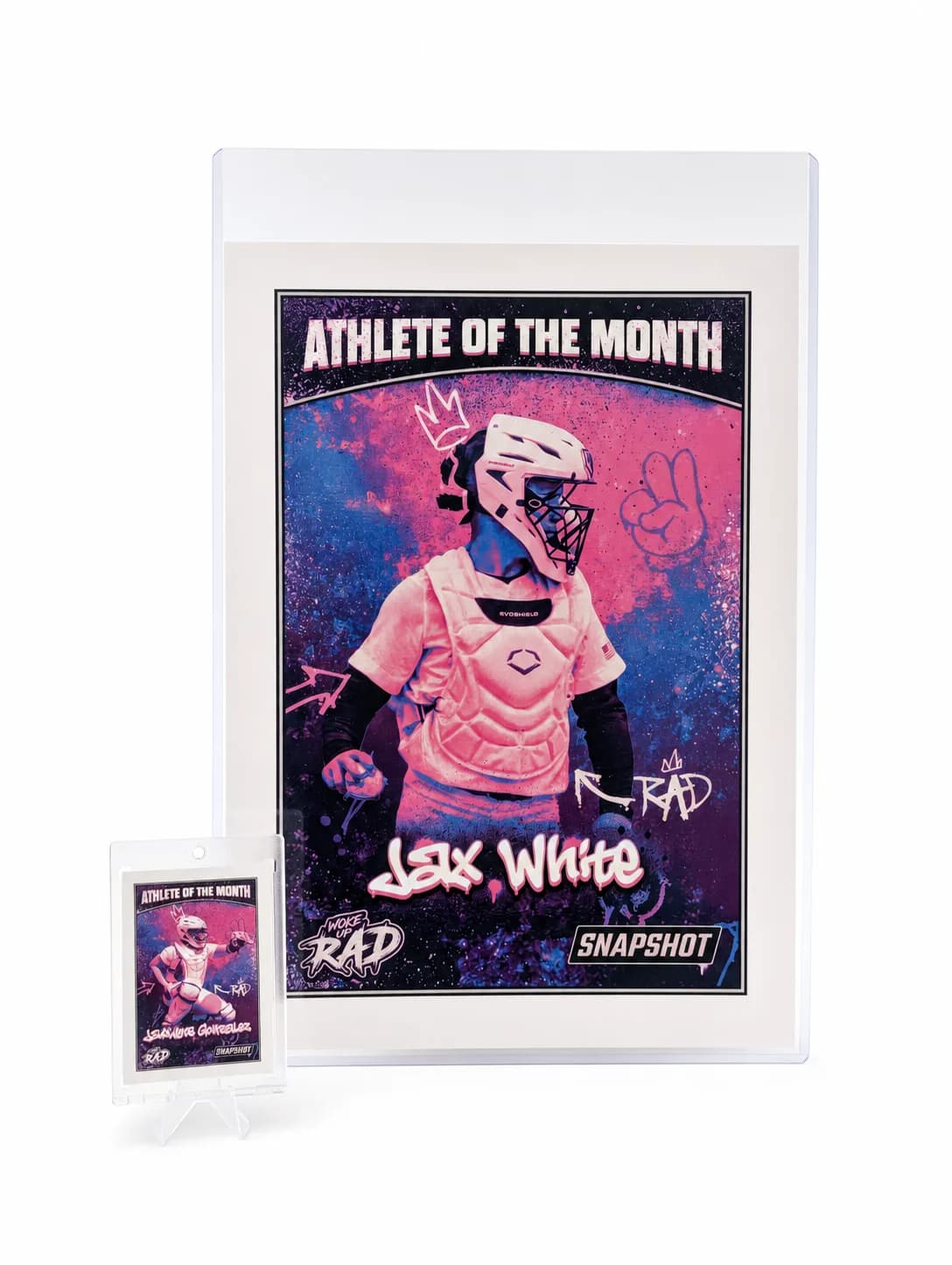
MEGA Card
Their moment, bigger than ever
$49.99
Create for free • Ships the next business day • Made in Des Moines, IA, USA
Frequently Asked Questions
What is the Pokémon card grading system and why does it matter?
The Pokémon card grading system is a standardized process where professional companies — primarily PSA, Beckett (BGS), and CGC — evaluate a card's physical condition and assign a numeric grade, typically from 1 to 10. This number tells buyers and sellers exactly what to expect before a transaction. It matters because condition affects value enormously. A PSA 10 Charizard from the Base Set is worth exponentially more than the same card in raw ungraded condition. For collectors building valuable sets or planning future sales, graded cards offer authentication, consistency, and market confidence that raw cards simply can't match.
What's the difference between PSA, BGS, and CGC for Pokémon cards?
PSA (Professional Sports Authenticator) is the most recognized name in Pokémon grading — their slabs command the highest premiums at auction. Beckett Grading Services (BGS) uses a sub-grade system that scores centering, corners, edges, and surface individually, then produces a composite grade; their BGS 10 'Pristine' is considered even more exclusive than a PSA 10. CGC (Certified Guaranty Company) is the newer entrant, originally famous for comic book grading, and offers competitive pricing with detailed sub-grades. For resale value on mainstream cards, PSA tends to win. For collectors who want detailed condition feedback, BGS is preferred.
How do I know if my Pokémon card is worth grading?
Start with raw card value. Look up recent sold listings for your exact card on eBay, filtering for 'sold' results. Then research what the same card sells for graded at PSA 9 and PSA 10. Subtract the grading fee (typically $20–$50 for economy tiers, more for faster service) and ask whether the potential upside justifies the cost and wait time. Generally, a card with a raw value under $50 rarely makes financial sense to grade unless you're doing it purely for preservation. High-value vintage cards, modern alt-art cards, and first-edition holos almost always benefit from professional grading.
What does 'centering' mean in the Pokémon card grading system?
Centering refers to how evenly the card's artwork and border are positioned within the card's edges. It's measured as a percentage — for example, 60/40 means one side's border is 60% of the ideal width while the opposite side is 40%. PSA requires roughly 60/40 or better for a grade of 9, and 55/45 for a 10 on most cards. Poor centering is one of the most common reasons otherwise clean cards miss gem mint. Some Pokémon print runs — particularly early Wizards of the Coast sets — were notoriously off-center straight from the factory, making gem-mint copies scarce and extremely valuable.
Can I grade Pokémon cards myself at home before submitting?
You can't officially self-grade for resale purposes, but doing a thorough pre-submission inspection is smart and saves money on wasted submissions. Use a loupe or 10x magnifier under bright, angled LED light. Check all four corners for whitening or soft creases. Run your eye along every edge for chips or roughness. Tilt the surface to catch scratches or print lines the naked eye misses. Measure centering using a ruler or centering tool. If you spot significant issues under magnification, skip the submission — the card won't make a high grade and you'll lose the grading fee with nothing to show for it.
How long does Pokémon card grading take in 2024 and 2025?
Turnaround times vary widely by company and service tier. PSA's economy tier has historically taken anywhere from 60 days to over a year during peak demand periods. Their standard and express tiers promise faster windows — 30 to 45 days for standard, under 10 business days for express — but cost significantly more. BGS offers similar tiered options. CGC has generally maintained more reliable turnaround times and is worth considering if speed matters. Always check each company's current estimated times on their website before submitting, as backlogs shift seasonally and after major card releases spike submission volumes.
Are Pokémon card grading fees tax-deductible for serious collectors?
If you're treating your Pokémon card collecting as a business or investment activity rather than a hobby, grading fees could qualify as a deductible business expense under IRS rules. This applies if you're buying, grading, and reselling cards with profit intent and keeping accurate records. Hobby losses, by contrast, are not deductible under current tax law. This is not tax advice — the line between hobby and business activity depends on your specific situation, frequency of transactions, and how you document your activity. Consult a tax professional who understands collectibles if you're grading cards in volume.
Free to design, instant preview. Free US standard shipping on orders $30+. Review delivery options at checkout.

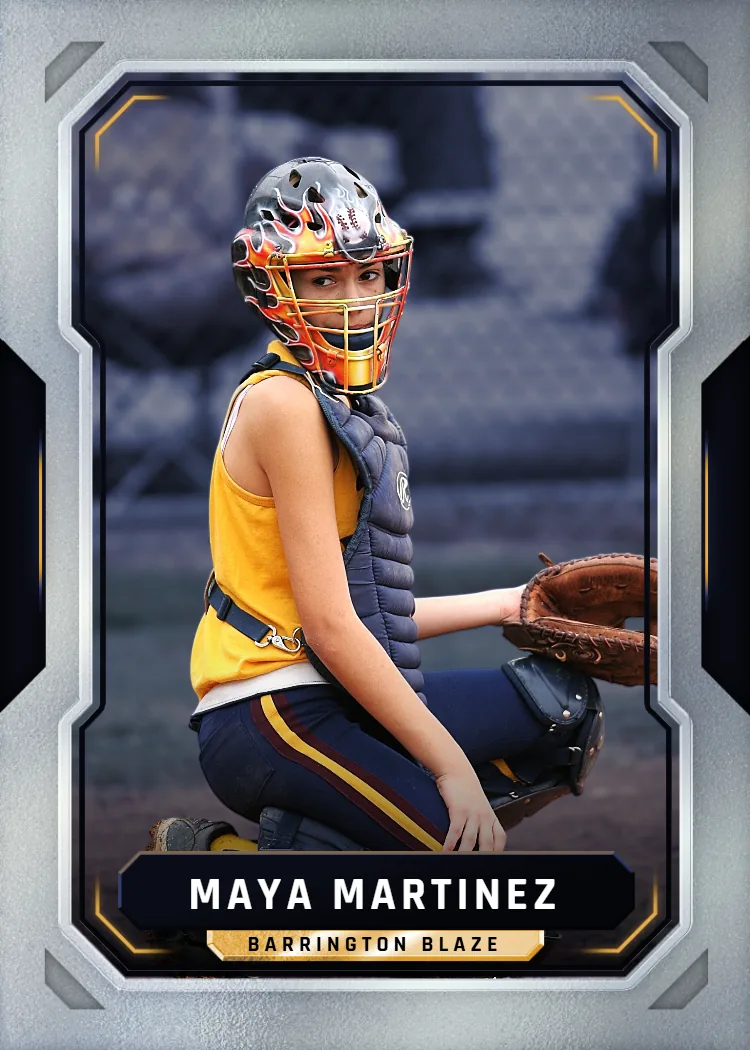




Ready to Create Your Own Card? The Pokémon Card Grading System Inspires Custom Memorabilia
You know the grading system cold. Now build something personal. Production takes one business day; shipping time is quoted at checkout for your address. Free US standard shipping on orders $30+.
Build Your Card NowNo credit card required | Instant preview | Pro-quality designs
Explore More Card Options
Discover more custom trading card options for every sport and occasion
pokemon card generator
View card options →
pokemon card creator
View card options →
custom pokemon cards
View card options →
how to grade pokemon cards
View card options →
custom booster packs pokemon
View card options →
pokemon custom packs
View card options →