
The Pokemon Cards Grading System, Broken Down for Real Collectors
Grading turns a shoebox find into a documented asset — but only if you understand the rulebook first.
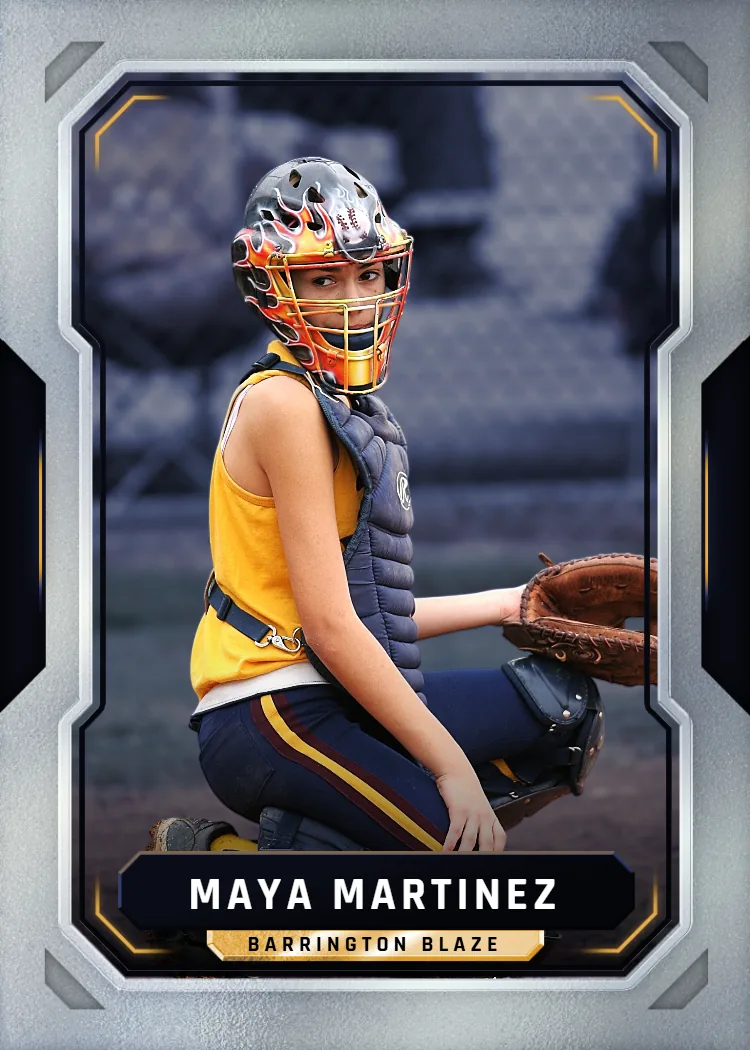
Upload your own artwork or photo, choose an available template, and preview your design before ordering a printed card.
Here's the problem: most collectors send cards off to a grading company without knowing what actually moves the needle. The pokemon cards grading system looks straightforward from the outside — a number, a slab, done. It's not. Centering, edges, corners, and surface all get scored separately, then combined into one grade that can swing your card's value by hundreds of dollars depending on a fraction of a millimeter. Send in a card blind and you're gambling on fees, turnaround time, and a grade you can't predict or control.
This page breaks the pokemon cards grading system into plain language — what graders actually look at, where cards lose points, and how the numbers translate to real dollars. We'll also show you a path that doesn't depend on grading at all: custom-printed cards from Snapshot, built from any photo, so you can create a keepsake that's graded on nothing but how much it means to you.
Let's start with how the grading process actually works, step by step.
We ship custom cards to collectors and families in all 50 states every week, from first Pokemon pulls to milestone family photos.
Free to design, instant preview. Free US standard shipping on orders $30+. Review delivery options at checkout.
Why Understanding Grading Actually Pays Off
Knowing the system isn't just trivia — it changes how you buy, sell, and store every card you own.
You Stop Overpaying at Auction
A PSA 9 and a PSA 10 can differ in price by 3-5x on the same card. Understanding what separates them means you don't bid like both grades are equal.
You Protect Value Before Submission
Sleeve and top-loader habits directly affect corner and edge wear. Knowing what graders penalize means you handle raw cards differently from day one.
You Set Real Expectations
Grading takes weeks or months and costs money upfront with no guaranteed outcome. Knowing this up front stops the frustration when a card comes back lower than hoped.
You Find Better Alternatives for Display
Not every card needs a slab. Cards you want to look at daily, gift, or feature in a personal collection often do better as a custom print than a locked case.
Where Grading Knowledge Actually Gets Used
Different collectors need different things from the pokemon cards grading system — here's how that plays out in practice.
The Investor Building a Portfolio
Serious collectors track population reports and grade distributions before submitting anything, because a card graded into a scarce population tier can be worth multiples more than the same card at a common grade. For this group, understanding the scoring categories isn't optional — it's the entire strategy.
The Nostalgic Collector Rediscovering Old Binders
Someone who pulled a favorite card as a kid usually isn't chasing resale value. They want to know if their card is worth grading at all, or if the smarter move is preserving the memory another way — through a custom-printed reproduction they can display without risking the original.
The Gift-Giver Marking a Milestone
Parents and grandparents often want to turn a favorite photo, drawing, or even an original pull into something that feels collectible without the wait or cost of formal grading. A custom card built from that same photo, printed on premium card stock and shipped in days, solves that instantly.
What Collectors Keep Telling Us
We hear the same thing from customers across the country: grading makes sense for high-value cards headed to resale, but it's overkill for the personal keepsakes people actually want to look at every day. That gap is exactly why custom card printing has grown alongside traditional grading rather than competing with it.
Frequently Asked Questions
How much does it cost to grade a Pokemon card?
Costs vary a lot depending on the company, the card's declared value, and how fast you want results back. Standard turnaround tiers often run $20-$50 per card, while expedited or high-value tiers can climb past $150-$300 each. Bulk submissions sometimes get discounted per-card rates, but you're still committing real money before you know the outcome. Add in shipping both directions, insurance for valuable cards, and the opportunity cost of your card sitting in a warehouse for weeks or months, and the true cost adds up fast. That's a big reason casual collectors hesitate to grade cards that aren't clearly high-value. If you're grading purely for sentimental reasons rather than resale, it's worth asking whether that money is better spent elsewhere — like creating a custom printed version of the card or photo you actually want to display at home, which costs a fraction as much and arrives in days instead of months.
How long does Pokemon card grading take?
Turnaround time depends entirely on the service tier you choose and how backed up the grading company is at that moment. Economy tiers can take anywhere from two to six months during busy periods, while premium expedited tiers might return results in a couple of weeks for a much higher fee. Major companies also experience seasonal surges, especially after big set releases or when a new set drives renewed collector interest, which stretches wait times even further. This unpredictability is one of the most common frustrations collectors mention. You're essentially trusting a third party with your card for an open-ended window, with no ability to speed things up once it's submitted, short of paying for a higher tier upfront. If you need something sooner, printing a custom card is a same-week alternative that doesn't involve any of that waiting.
What's the difference between PSA, BGS, and CGC grading?
All three companies grade condition, but they use different scales, labeling conventions, and market reputations. PSA uses a 1-10 scale and is widely considered the most recognized name, often commanding higher resale premiums for the same grade compared to competitors. BGS uses a similar 1-10 scale but also issues subgrades for centering, corners, edges, and surface, giving buyers more granular detail on a card's condition. CGC is newer to the trading card space but has built a strong reputation, especially for modern releases, and sometimes offers faster turnaround than the more established players. Which one you choose often comes down to what the market expects for a specific card era or set, since resale value can shift depending on which label is on the slab. Some collectors submit high-value cards to multiple companies over time just to compare outcomes, though that obviously multiplies both cost and wait time.
Is it worth grading a common Pokemon card?
Usually not, unless that specific card has unusual demand or a documented low population at high grades. Grading fees alone can exceed what a common card sells for raw, meaning you'd lose money even before shipping and insurance costs. Graders also don't guarantee a high score, so you could pay $20-$50 and get back a mid-range grade that barely moves resale value at all. Before submitting anything, it's worth checking recent sold listings for that exact card at various grades to see if the math actually works in your favor. For cards that matter to you personally rather than financially — a first pull, a childhood favorite, a card tied to a specific memory — grading often isn't the right tool anyway. A custom printed reproduction lets you display that memory without spending grading fees on a card that was never going to appreciate much in the first place.
Can a graded card lose value over time?
Yes, and this surprises a lot of newer collectors. Market demand shifts constantly based on nostalgia cycles, new set releases, tournament relevance, and even social media trends, so a card that commanded a premium two years ago might sit flat or drop today. Grading itself is permanent, but the market's appetite for that specific grade and card combination isn't. Population reports also grow over time as more copies get submitted and graded, which can dilute scarcity for cards that were once considered rare at a certain grade. Additionally, grading standards themselves occasionally shift subtly, meaning a 9 awarded five years ago might not receive the same grade if resubmitted today. None of this means grading is a bad investment across the board — it just means treating a slab as a guaranteed, permanent value store is a mistake. Collectors who track this closely tend to buy and grade with a longer time horizon in mind rather than expecting immediate returns.
What's the fastest way to get a keepsake without waiting on grading?
Custom card printing is the direct answer, and it solves a problem grading was never built for in the first place. With Snapshot, you upload any photo — an original pull, a family photo, anything meaningful — choose from professional card-style templates, and get a printed card on premium card stock shipped within 2-3 days. There's no submission form, no authentication process, and no multi-week wait for a stranger to assign a number to something that's already valuable to you. You get a magnetic case included free, and shipping across the USA is also free. This route works especially well for people who want something to actually hold, display, or gift right away rather than lock away in a safety deposit box waiting for resale demand to materialize.
Free to design, instant preview. Free US standard shipping on orders $30+. Review delivery options at checkout.





Skip the Wait — Turn Any Photo Into a Card Today
You don't need to master the pokemon cards grading system to own something worth displaying. Upload a photo, pick a template, and get a premium custom card shipped in 2-3 days with a free magnetic case.
Create Your Card NowNo credit card required | Instant preview | Pro-quality designs
Explore More Card Options
Discover more custom trading card options for every sport and occasion