
The Size of Trading Cards: A No-Guesswork Playbook
Standard or not, the size of trading cards trips up more people than you'd think — and getting it wrong ruins a project fast.
Upload a photo of your player, pet or team, choose an available template, and preview your design before ordering a printed card.
You're holding an old shoebox of cards, or maybe you're designing a custom one for the first time, and suddenly the question hits: what's the actual size of trading cards supposed to be? Search results throw out conflicting numbers. Some sites quote inches, others quote millimeters, and nobody explains why the standard exists in the first place. If you're building a custom card — for a kid's rec league team, a family reunion, a memorial piece, or just for fun — guessing wrong means a card that won't fit a case, a binder sleeve, or a frame you already bought.
Here's the short version: the industry standard is 2.5 inches by 3.5 inches, and it's been that way since the 1950s. That single measurement is why sleeves, top-loaders, magnetic cases, and binder pages are all built around it. Snapshot prints every custom card to that exact standard, on professional card stock, so whatever you design fits the same gear collectors have used for seventy years. No surprises, no odd-sized cards rattling around in a case built for something else.
Let's break down where that size came from, what it means for your own project, and how to get it right the first time.
We ship custom cards to collectors and families in all 50 states every week, and standard sizing questions are the ones we field most often.
Standard Card vs. MEGA Poster Card
| 2.5" x 3.5" — fits cases, sleeves, binders — $17.99 | |
| 11" x 15" — built for framing and display — $49.99 |
Free to design, instant preview. Free US standard shipping on orders $30+. Review delivery options at checkout.
Why the Standard Size of Trading Cards Actually Matters
It's not just tradition. The size determines whether your card fits the gear you already own.
Universal case compatibility
A card sized at 2.5 x 3.5 inches drops straight into any standard magnetic case, top-loader, or sleeve you can buy at a hobby shop, big box store, or online — no custom-cut anything required.
Display-ready right away
Frames, shadow boxes, and card stands built for the hobby all assume this size. A properly sized custom card looks intentional on a shelf, not like a printout that got laminated.
Binder and collection friendly
Nine-pocket pages are cut for this exact dimension. If you're building a family binder or a keepsake collection, standard-sized cards slide in next to store-bought ones without gaps or overhang.
Resale and trade value
Cards that match the size collectors expect are easier to trade, gift, or pass down. An oddly sized print reads as a novelty item; a standard one reads as a real card.
Where the Right Size Actually Shows Up
The size of trading cards isn't just trivia — it decides how your finished project actually gets used.
Youth sports keepsakes
Parents photographing a kid's first season want something that survives years in a drawer or a memory box. A standard-sized card fits inside the same magnetic cases grandparents already use for their own collections, so it doesn't get treated like a throwaway photo print.
Personal tribute and memorial cards
Families creating a card to honor a loved one — a coach, a veteran, a longtime fan — want something that feels permanent. Standard sizing means the card slides into a display stand or frame built for real trading cards, not a custom-cut mat that has to be special ordered.
Hobbyist and collector projects
Adults building personal collections around a favorite team, hobby, or milestone want their custom pieces to sit seamlessly next to licensed cards in the same binder page or box. Getting the size right is the difference between a collection that looks cohesive and one that looks improvised.
What People Notice Once the Size Is Right
Customers consistently tell us the moment a custom card slides into a standard case, it stops feeling like a novelty print and starts feeling like a real keepsake. That reaction is exactly why Snapshot never deviates from the 2.5 x 3.5 standard on any single card order.
Frequently Asked Questions
What is the standard size of trading cards?
The standard size of trading cards is 2.5 inches by 3.5 inches, and it's been the industry benchmark since the 1950s when companies like Topps and Bowman settled on it. That size stuck because it was compact enough to carry in a pocket or wallet, yet large enough to fit a photo and stats clearly. Once storage products like sleeves and top-loaders were built around that measurement, the standard became permanent across the entire hobby. Basketball, football, baseball, hockey, and non-sport cards all use this same dimension today. Even custom and novelty cards tend to follow it, because deviating means the card won't fit standard cases or binder pages. If you measure an old card from a shoebox and it comes out close to 2.5 x 3.5, you're holding a standard card. Anything noticeably bigger or smaller is likely a specialty item, a jumbo promo card, or a printing error. When in doubt, a ruler and thirty seconds will confirm it instantly.
Are all trading cards exactly the same size?
Almost all mainstream trading cards are 2.5 x 3.5 inches, but there are exceptions worth knowing about before you assume every card in a collection matches. Jumbo cards, sometimes used for special inserts or promotional pieces, can run significantly larger, often several inches bigger in each direction. Some vintage cards from before the standard solidified in the 1950s can be slightly off, especially tobacco-era cards from the early 1900s. Oversized poster cards, like Snapshot's MEGA card at 11 x 15 inches, are intentionally different because they're meant to be displayed, not stored in a sleeve. Foreign card sets have occasionally used slightly different metric dimensions too. So while the vast majority of what you'll encounter — sports cards, trading card games, custom prints — follows the 2.5 x 3.5 standard, it's not a universal law carved in stone. It's a convention, and a strong one, but always worth double-checking with a tape measure if a card feels off.
Why does card size matter for storage and display?
Card size matters because nearly every storage product on the market — sleeves, top-loaders, magnetic cases, nine-pocket binder pages, display stands — is manufactured to fit the 2.5 x 3.5 standard precisely. If your card is even a quarter inch off in either direction, it won't slide into a sleeve cleanly, or it'll rattle around loose in a case meant for something snugger. That matters more than people expect when you're trying to protect a card long term, especially a sentimental one you can't easily reprint. It also matters for appearance: a properly sized card sits flush in a frame or shadow box, while an odd-sized one looks pieced together. Collectors organizing binders by team or set also rely on uniform sizing to keep pages looking clean and consistent. This is exactly why Snapshot prints every single custom card to the standard dimension by default, so you never have to hunt for oddball storage solutions just to protect something you made yourself.
Can I make a custom trading card in a non-standard size?
Technically yes, but there's a real tradeoff to understand before you go that route. A non-standard size might look interesting for a single novelty piece, but it won't fit any of the storage or display products built for the hobby, meaning you'd need custom cases, frames, or sleeves, which are harder to find and usually pricier. It also won't sit well next to other cards in a binder or box, which matters if you're building a themed collection over time. Snapshot's MEGA card is the one deliberate exception we offer, sized at 11 x 15 inches specifically because it's meant to be framed and displayed like a poster, not stored like a pocket card. For anything meant to function as an actual trading card — something collectible, tradeable, or storable — sticking with the 2.5 x 3.5 standard is almost always the smarter call. It's a case where following convention genuinely pays off rather than limiting creativity.
How do I know if my printed card came out the right size?
The simplest check is a ruler: measure both the width and the height and confirm you're landing at 2.5 inches by 3.5 inches, with only a hair of tolerance for trimming. If a card measures noticeably smaller, the print may have been scaled down to fit a template incorrectly, which can also distort the image. If it's larger, it likely won't fit standard sleeves or cases at all. Beyond measuring, a fast practical test is trying to slide the card into any standard magnetic case or top-loader you already own — if it fits snugly without force or excess wiggle, the sizing is correct. Snapshot handles this automatically on every order, since the print template is locked to the standard dimension before it ever reaches production. That means you don't have to check margins or resize files yourself; the only thing you're choosing is the photo and the design template, and the sizing takes care of itself in the background.
What size should I use for a custom card meant as a gift?
For a gift, the standard 2.5 x 3.5 inch size is almost always the right call, because it lets the recipient store, display, or trade the card just like any other collectible they own. A properly sized card slides into a magnetic case, which Snapshot includes free with every order, making it gift-ready straight out of the package with no extra assembly. If the gift is meant to be more of a statement piece — something framed on a wall or given as a milestone keepsake — the MEGA 11 x 15 inch poster card is worth considering instead, since it's built for display rather than pocket storage. Think about how the person will actually use it: a grandparent keeping it on a mantle might appreciate the larger format, while a kid who collects cards will want the standard pocket size so it fits right in with their existing collection. Either way, sizing intentionally rather than defaulting to guesswork makes the gift feel more considered.
Free to design, instant preview. Free US standard shipping on orders $30+. Review delivery options at checkout.
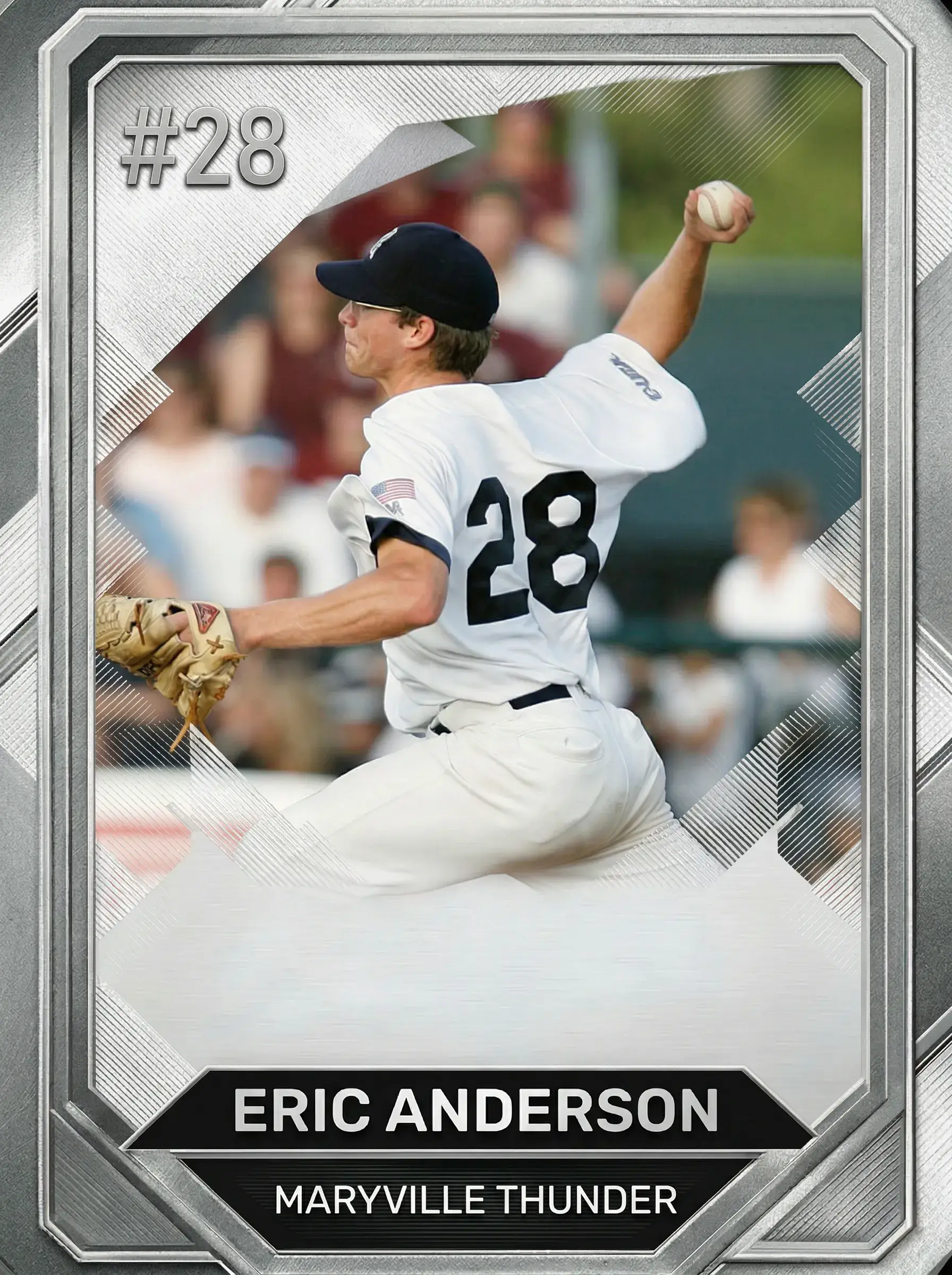
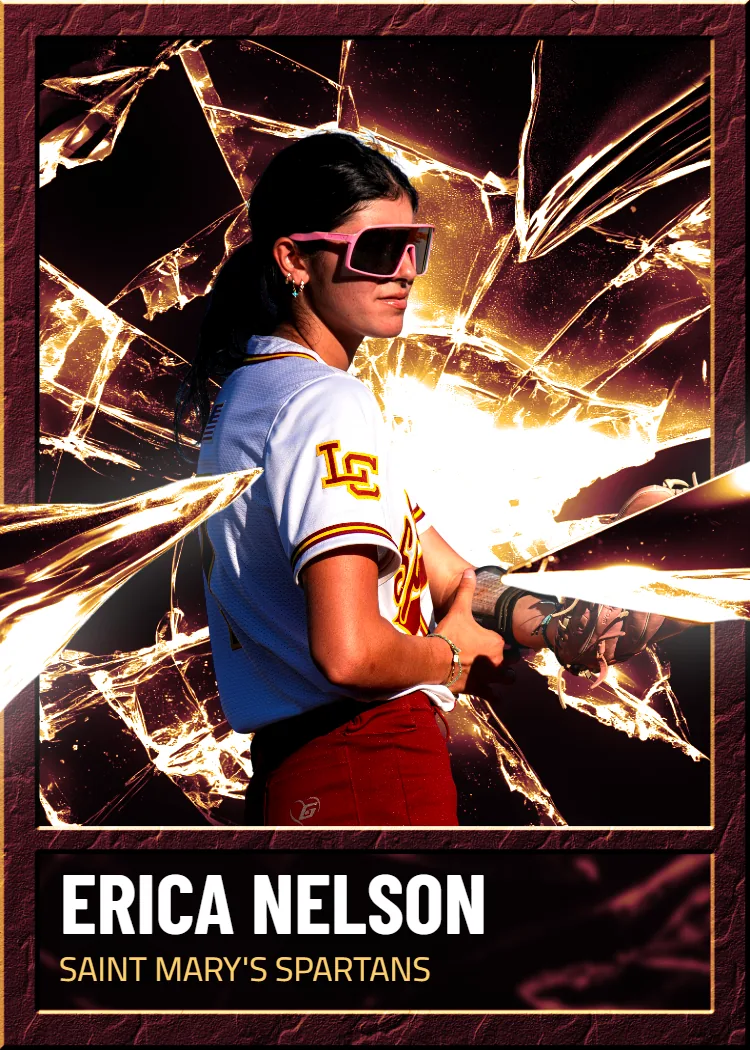



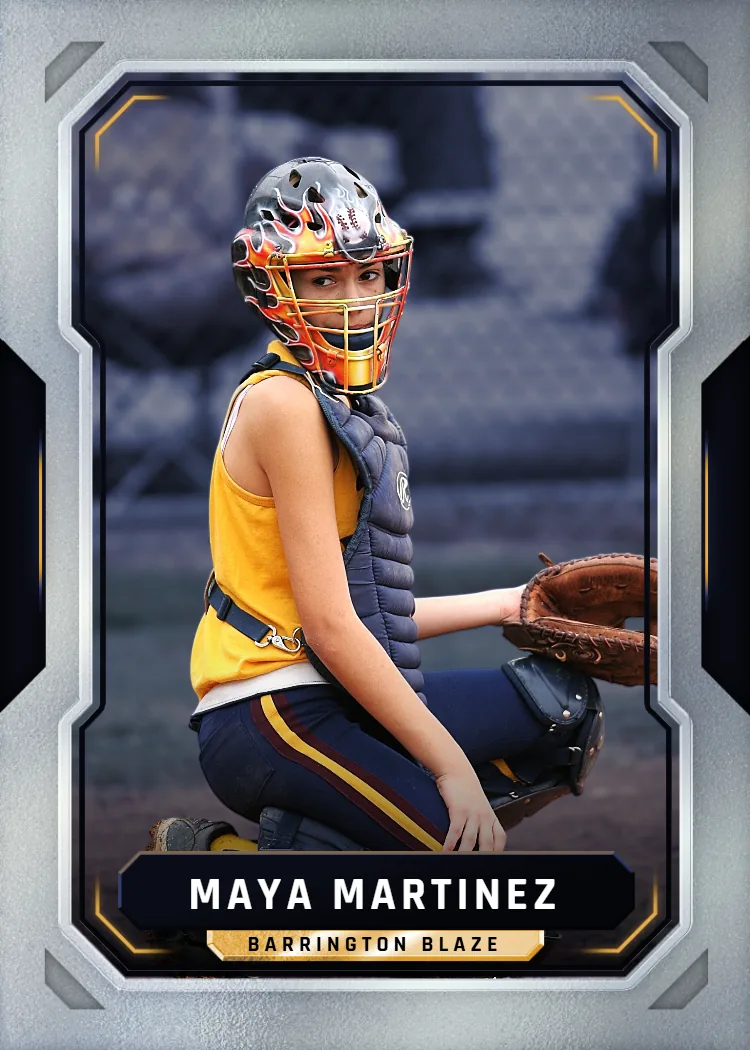
Get the Size of Trading Cards Right on Your First Try
Skip the guesswork. Upload a photo, pick a template, and Snapshot prints your card to the exact standard size — ready for a case, a binder, or a shelf — and ships it in 2-3 days, free.
Build My Card NowNo credit card required | Instant preview | Pro-quality designs
Explore More Card Options
Discover more custom trading card options for every sport and occasion