
Topps Release Dates 2026: What's Fact, What's Guesswork
Every January, collectors start guessing at topps release dates 2026 based on rumors, forum posts, and last year's calendar.
Upload a photo of your player, pet or team, choose an available template, and preview your design before ordering a printed card.
Here's the problem: Topps doesn't publish a full-year calendar in advance, and half of what circulates online is speculation dressed up as fact. Series 1 usually lands in late January or February, but exact dates shift year to year depending on print schedules and licensing timelines. Collectors waiting on a specific set for a birthday, holiday, or personal collection milestone often end up disappointed when a release slips two or three weeks with zero warning. That uncertainty is real, and it's worth separating what you can count on from what's just internet noise.
This page breaks down the myths versus the actual facts collectors can rely on for 2026 releases, using historical patterns Topps has followed for over a decade. We'll also show you a way to build a personal card collection right now, on your own timeline, using any photo you've got — no waiting on a shipping schedule from a card manufacturer.
Let's separate the rumors from the release patterns, then look at an option that doesn't require waiting at all.
We ship custom cards to collectors and families in all 50 states every week, and we hear the same release-date frustration constantly.
Frequently Asked Questions
When exactly will Topps Series 1 release in 2026?
Topps hasn't published an official confirmed date this far out, and that's normal — they typically announce specifics only a few weeks ahead of release. Based on the pattern from the last decade, Series 1 has consistently landed somewhere between late January and mid-February. Some years it's the last week of January, other years it slides into the second week of February depending on print and shipping logistics. If you're planning around this date for a gift or personal milestone, build in at least a two-week buffer on either side. Retailers like Target and Walmart sometimes get product a few days before or after hobby shops, which adds another layer of unpredictability. Preorders through major retailers usually open before the actual ship date, so watching preorder pages is often more reliable than waiting for an official press release. If a date matters to you for a specific event, don't bank on hitting it exactly. Treat any date you see online in late 2025 or early 2026 as a strong estimate, not a guarantee.
Is there an official Topps calendar for all of 2026?
No, Topps doesn't release a single master calendar covering every product for the entire year in advance. They typically confirm dates set by set, usually announced 30 to 60 days before each release actually ships. This means anything you see claiming to be a full-year 2026 schedule in late 2025 is almost certainly built from historical patterns and educated guessing, not confirmed information. That's not a criticism of the sources doing this — it's genuinely the best information available until Topps confirms things closer to each release. Series 1 gets the earliest buzz because it's the most anticipated release of the year. Series 2, Update Series, and specialty sets like Heritage or Chrome get announced later, often just a month or so before shipping. If you want accurate information, check Topps' official site and major hobby news outlets close to each expected window rather than trusting a full-year list published too early. Patience genuinely pays off here.
Why do release dates sometimes get delayed?
Delays usually trace back to print production timelines, paper supply issues, or licensing paperwork that takes longer than expected to finalize. Sometimes it's simpler than that — shipping and logistics bottlenecks at distribution centers can push a date back a week or two with little public explanation. Topps doesn't always announce delays loudly; sometimes the date just quietly moves on retailer preorder pages without a formal statement. This has happened with several releases over the past few years, frustrating collectors who'd planned around an earlier date. It's rarely anything dramatic — just the reality of manufacturing physical products at scale for a massive national audience. If you notice a preorder date moving on a retailer's site, that's usually more reliable than rumors floating around forums or social media. Building slack into your own plans, especially if a release is tied to a specific event or gift date, saves a lot of frustration. Assume the published date is a target, not a certainty.
Do hobby shops get products before big-box retailers?
Often, yes — hobby shops and local card shops frequently receive shipments a few days to a week before major retailers like Target or Walmart stock their shelves. This isn't universal though, and it varies release by release depending on distribution agreements Topps has in place. Some years retail actually gets product first, especially for widely popular releases where big-box volume matters more to Topps' distribution strategy. If you're trying to get your hands on a set as early as possible, checking with a local shop directly is often more useful than watching retail websites. Shops will usually know their expected delivery window even before it's publicly confirmed elsewhere. That said, don't assume every shop gets early access every single time — allocation from Topps varies by region and by specific product. Calling ahead is honestly the most reliable method here. It beats guessing based on what happened with a different release last year.
What's the difference between Series 1, Series 2, and Update Series?
Series 1 releases first, typically covering the base checklist with players from the prior season's rosters and offseason moves already finalized. Series 2 follows several months later, usually in summer, filling in additional players and correcting some roster changes that happened after Series 1 printed. Update Series comes last, typically in fall, and it's the set collectors care about most for capturing rookie debuts, midseason trades, and postseason storylines from that specific year. Each series has a different production timeline because each one needs different information locked in before printing. Update Series takes the longest to finalize because it needs an almost-complete season's worth of roster movement first. This staggered approach is intentional — it lets Topps capture player movement throughout the year instead of locking everything into one static checklist in January. Understanding this rhythm helps explain why dates spread out so much across the calendar instead of clustering together.
Can I preorder before an official release date is announced?
Yes, in many cases retailers open preorder pages before Topps makes a formal public announcement about the exact release date. These preorder listings sometimes appear with placeholder dates that shift slightly as the actual ship date firms up closer to production completion. It's common practice, and it's usually a decent early indicator, though not a guarantee the date won't move again. Some collectors watch these preorder pages specifically because they tend to be more current than fan forums or secondhand rumor threads. If a listing disappears or its date changes without explanation, that's often a sign the internal schedule shifted on Topps' end. Preordering early can also mean paying full price without knowing if a price drop is coming later. Weigh that tradeoff against how badly you want guaranteed stock versus flexibility on price. Either approach is reasonable depending on your priorities.
How much do prices spike right after a new release?
Prices on new releases often spike thirty to fifty percent above retail in the first 48 to 72 hours, especially for anything featuring a hot rookie or star player. That spike usually settles within two to three weeks as initial demand cools and secondary market supply catches up. Scalpers buy heavily in the first hours specifically to capture that early premium, which is exactly why patient buyers often do better waiting. This pattern holds fairly consistently across almost every major release, regardless of the specific set or year. If you're buying for personal enjoyment rather than investment, waiting even just ten days can save you real money on the same product. The exception is genuinely limited print runs, where scarcity keeps prices elevated longer rather than settling quickly. Knowing which category a release falls into helps you decide whether patience will actually pay off or not.
What happens if I want a card ready before any 2026 release ships?
That's exactly the gap a custom card fills — you're not waiting on any manufacturer's production or shipping schedule at all. Upload a photo from your own collection, whether it's a Little League game, a personal record-setting moment, or simply a favorite shot of a player, and choose a pro-style template. Cards print on premium card stock and ship within two to three days, arriving with a free magnetic case included at no extra cost. This means you can have a finished, professional-looking card in hand well before Topps even confirms an exact date for their next release. It's a solid option for gifts tied to specific dates, since you control the timeline completely instead of hoping a shipment arrives on schedule. Pricing starts at $17.99 for a single card, with packs and a large MEGA poster card available too. Shipping is free over $30 anywhere in the USA, and everything is printed domestically in Des Moines, Iowa.
Are Topps release dates the same every single year?
No, they shift year to year, sometimes by just a few days and other times by two or three weeks depending on production and licensing factors. Series 1 has the most consistent pattern historically, generally landing in late January or February, but even that window moves slightly each year. Series 2 and Update Series show more variability since their content depends on that season's actual roster movement and trade activity. Comparing a five-year history of release dates shows a general pattern rather than a fixed formula you can bank on exactly. This is precisely why so much online speculation about 2026 dates should be treated as an estimate rather than a confirmed fact. Topps itself typically doesn't lock in and announce exact dates until fairly close to release. Treating any early published calendar as a rough guide, not gospel, will save you frustration down the line.
Do specialty sets like Heritage or Chrome follow the same schedule as flagship?
No, specialty sets run on entirely separate schedules from flagship Series 1, Series 2, and Update Series releases. Heritage typically releases in spring, often close to Series 1 but not on an identical date, while Chrome usually lands in summer months, months after flagship Series 1 hits shelves. Each specialty product has its own production and design timeline since the card designs, inserts, and parallels differ significantly from the flagship checklist. Collectors focused specifically on Heritage or Chrome should track those product lines separately rather than assuming they'll ship alongside flagship sets. Announcements for specialty products also tend to come later and with less mainstream media coverage than flagship releases get. This makes them slightly harder to track unless you're specifically following dedicated hobby news sources. It's worth bookmarking a couple of hobby-focused outlets if a particular specialty set matters to you.
Why does it feel like release dates get harder to predict every year?
Supply chain and print production have both become less predictable industry-wide since 2020, and card manufacturing wasn't immune to that shift. Paper supply constraints, printing capacity, and shipping logistics all affect timelines in ways that didn't cause nearly as much disruption a decade ago. On top of that, collector demand has grown substantially, which means Topps balances allocation across more retail and hobby channels than before, adding complexity to distribution timing. Licensing negotiations also take time and occasionally shift release windows when terms aren't finalized as early as planned. None of this is unique to Topps specifically — most physical collectible and trading card companies have dealt with similar unpredictability across the past several years. It's a reasonable frustration for collectors who remember more consistent scheduling in earlier years. Building extra flexibility into your own planning is really the most practical response available right now.
Can I make a custom card of a player before their official rookie card releases?
Yes, absolutely — a custom card isn't tied to any official rookie designation or manufacturer checklist timing at all. If you've got a photo of a player, whether they're a professional rookie, a college standout, or a Little Leaguer on your own team, you can turn that photo into a card immediately. This works well for parents wanting to commemorate a season before an official trading card ever exists for that player. It also works for adult collectors who want a personal keepsake of a favorite moment that official card sets will never actually cover, like a specific game-winning play. The process takes just a few days from upload to delivery, with a magnetic case included. There's no need to wait on licensing, print schedules, or checklist inclusion at all. That flexibility is really the core advantage over official releases for personal, sentimental use cases.
Free to design, instant preview. Free US standard shipping on orders $30+. Review delivery options at checkout.
How Do Topps Release Dates 2026 Actually Get Set?
Release dates aren't random — they follow a production and licensing rhythm Topps has used for years.
Licensing and Print Scheduling
Topps locks its MLB and MLBPA licensing terms months ahead, which determines print windows for each set. This is why Series 1 almost always lands in a similar late-January-to-February window every single year. Print runs get scheduled around spring training buzz, since that's when collector interest and retail demand both spike.
Retail and Hobby Box Staggering
Retail versions (blaster boxes, hanger packs) and hobby boxes don't always ship the same week. Hobby shops sometimes get early access, while big-box retail rolls out a few days to two weeks later. That gap confuses a lot of first-time collectors who assume one release date covers every product format.
Mid-Year Adjustments
Once the season starts, Topps adjusts later releases (Series 2, Update Series) based on trade activity, rookie debuts, and postseason storylines. Update Series in particular gets pushed toward late fall so it can include rookies and trades from the full season, which is why its date moves more than Series 1's does.
None of this is guesswork once you know the pattern — but exact days still shift.
What You Actually Get by Tracking the Schedule Closely
Knowing the rough pattern still pays off, even without an exact date locked in.
Better Preorder Timing
Preordering too early ties up money for weeks; too late means missing low print-run variants. Knowing the historical window helps you preorder within a week or two of the real release.
Avoiding Scalped Pricing
Prices spike hard in the first 48 hours after any release. Understanding the pattern lets you wait out the initial rush and buy once prices settle back down.
Planning Around Personal Events
If you wanted a set for a birthday or holiday gift, knowing release timing helps you plan a backup instead of hoping a shipment arrives on time.
Reducing Frustration
Collectors who understand the licensing and print cycle stop refreshing forums every day. That knowledge alone cuts down the stress of the wait considerably.
Who's Actually Watching These Dates This Closely?
Not every collector tracks release schedules the same way — the reasons vary more than you'd think.
The Set Completionist
Some collectors build full sets year over year and need every series to drop on schedule to keep pace with checklist completion. A delayed Series 2 throws off their whole tracking spreadsheet, so they watch release chatter closely every spring.
The Gift-Giver on a Deadline
Parents and grandparents often want a pack ready for a birthday tied to a kid's favorite player's rookie season. When Topps release dates 2026 slip past that birthday, they're left scrambling for an alternative that still feels personal and timely.
The Budget-Conscious Buyer
Prices on new releases spike immediately, then cool off over several weeks. Buyers watching the calendar closely time their purchase to land after the initial rush, saving real money on the exact same product.
What Collectors Nationwide Are Actually Doing While They Wait
Across the country, collectors building personal collections aren't just sitting on their hands until a release date confirms itself. Many are turning family photos, Little League seasons, and personal home-run moments into their own custom cards while the official calendar sorts itself out.
What Does It Cost to Make Your Own Card Right Now?
A single custom card starts at $17.99, with multi-card packs running up to $49.99 and free shipping over $30 across the USA.
Rookie Box style single cards from $17.99, packs up to $49.99, MEGA 11"×15" poster card at $49.99, free US shipping over $30, printed in Des Moines, Iowa.
No release date to track, no scalper markup, no waiting on a manufacturer's calendar — just your photo, a template, and a card in your hands in days.
Box Options
Simple, collectible pricing. No subscriptions, no hidden fees.
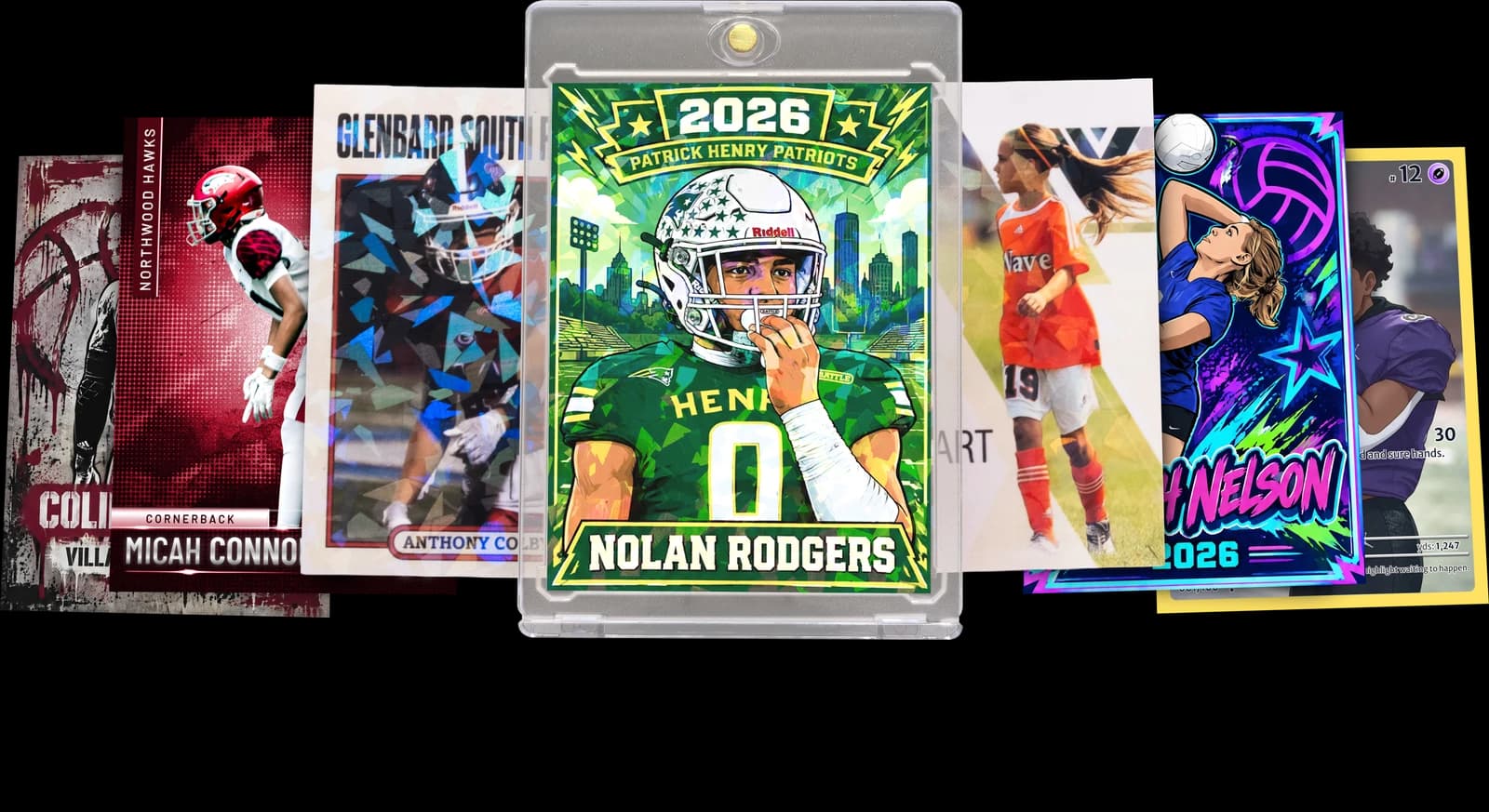
The Rookie Box
Perfect for those unforgettable moments
$17.99 - $49.99

MEGA Card
Their moment, bigger than ever
$49.99
Create for free • Ships the next business day • Made in Des Moines, IA, USA
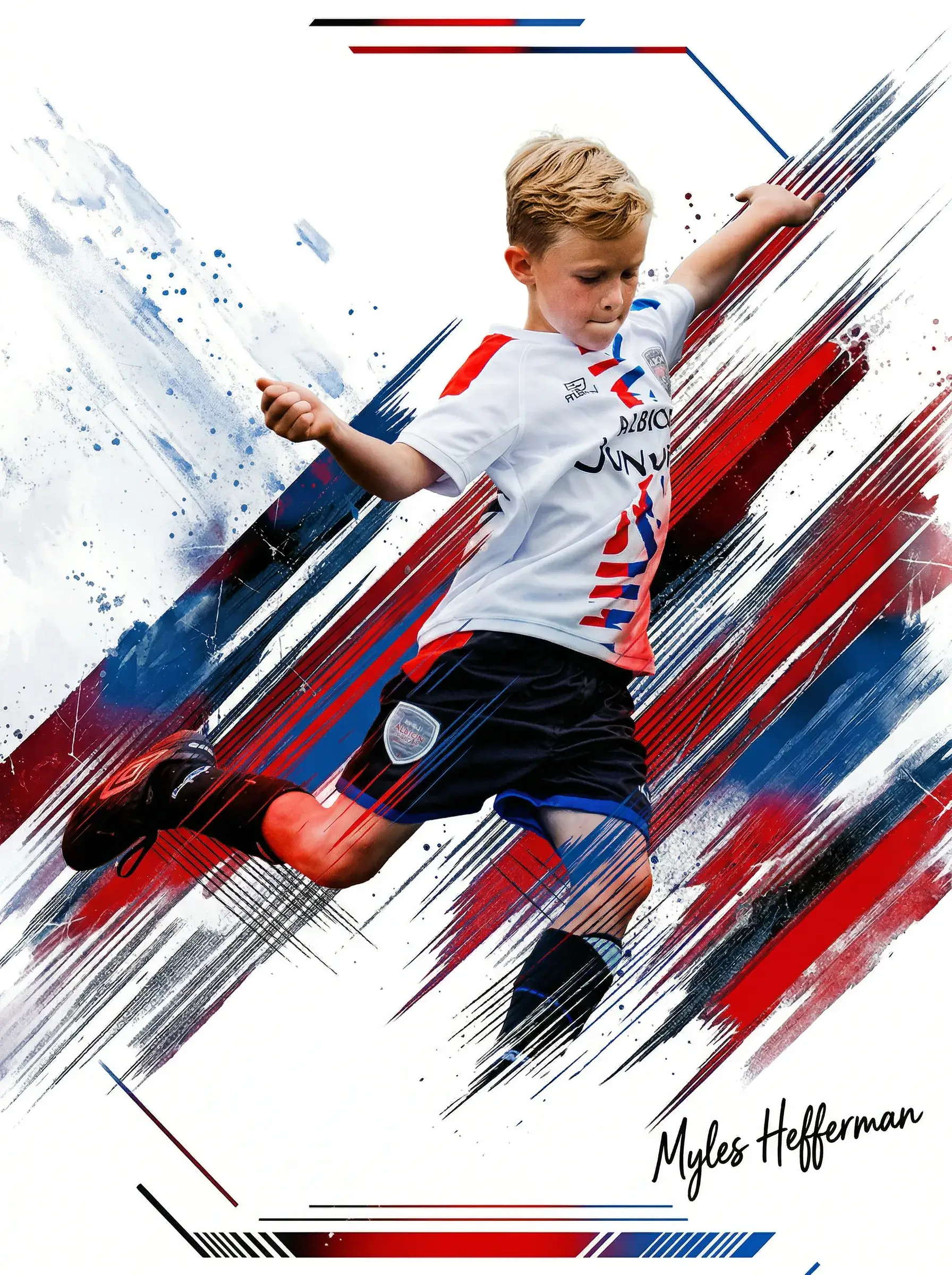
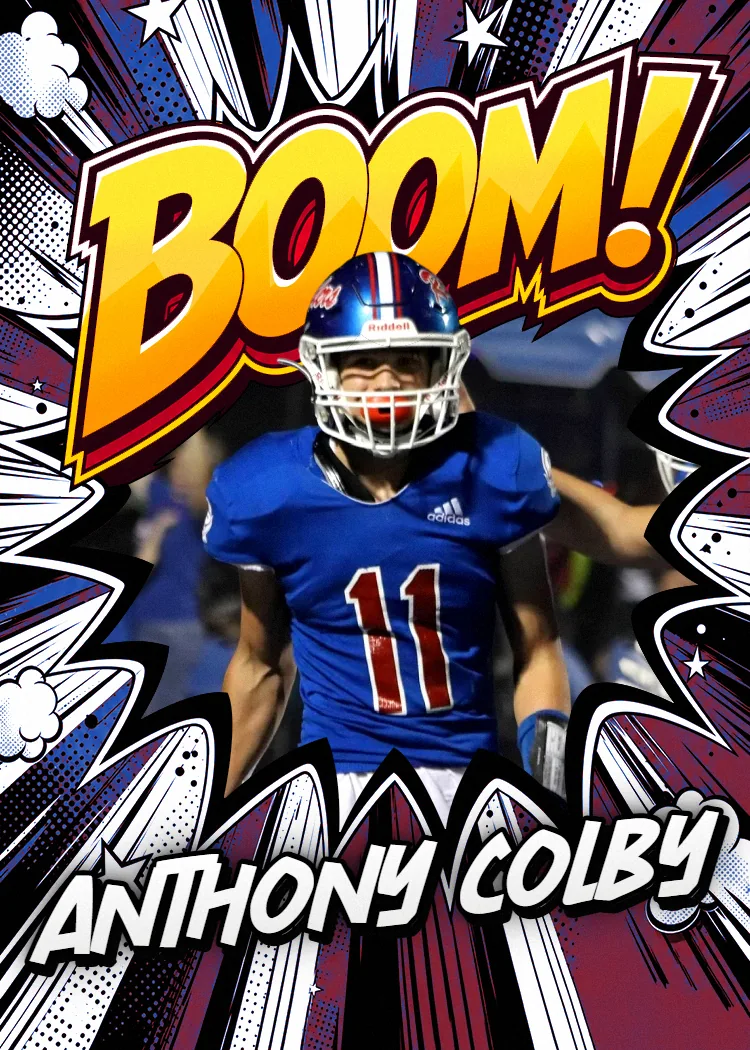
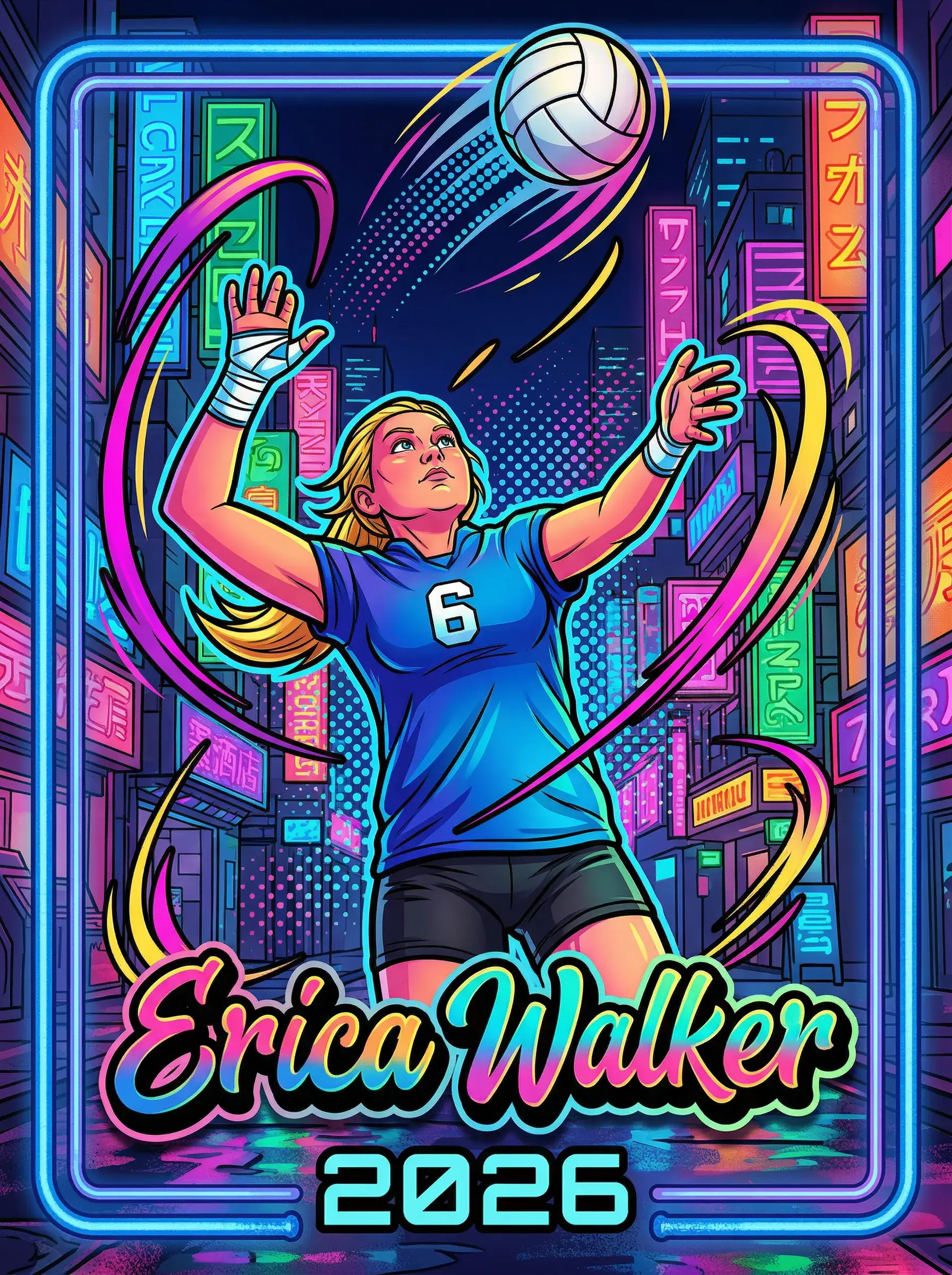


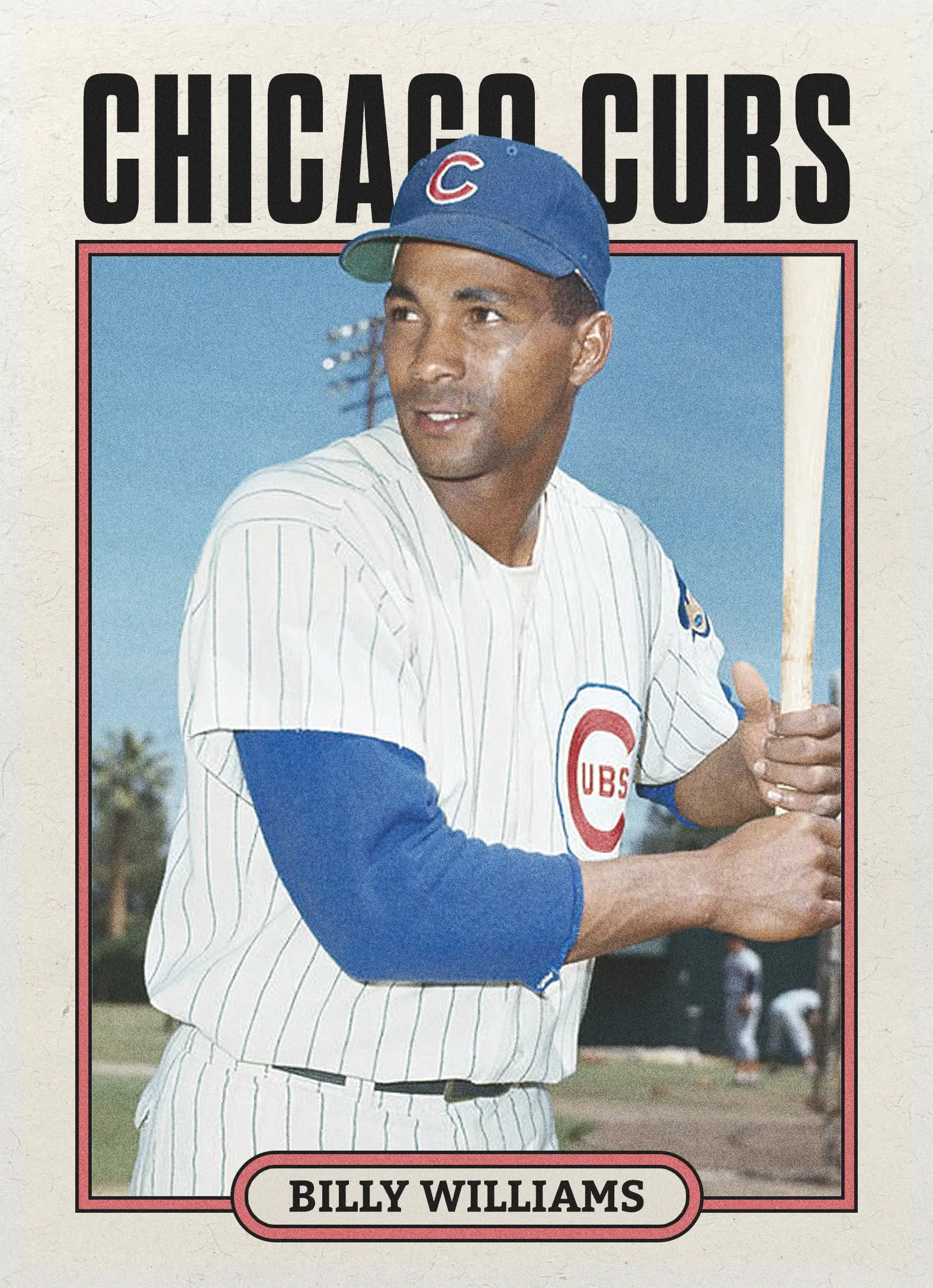
Don't Wait on Topps Release Dates 2026 — Build Your Own Card Today
Skip the guessing game entirely. Upload any photo, pick a pro-style template, and get a premium custom card shipped free over $30 in 2-3 days with a magnetic case included.
Create Your Card NowNo credit card required | Instant preview | Pro-quality designs
Explore More Card Options
Discover more custom trading card options for every sport and occasion