
Are Panini Cards Worth Anything? What Collectors Actually Find
You dug an old shoebox out of the closet, and now you're wondering if any of it means real money.
Upload a photo of your player, pet or team, choose an available template, and preview your design before ordering a printed card.
Here's the honest problem: most people asking are panini cards worth anything already suspect the answer is 'probably not much,' but they don't know why. Panini prints millions of cards a year across basketball, soccer, and dozens of licensed sets. Scarcity drives value, and mass production works against you. A base card of a bench player from a 2018 pack usually sells for pocket change, if it sells at all. That's frustrating when you remember paying real money for the pack.
The good news is value isn't the only reason to hold onto a card. Rarity, player performance, and condition move the needle for resale, but plenty of collectors keep cards purely for the memory attached to them. If your goal is sentimental rather than financial, you can build something worth keeping without gambling on a market. That's where custom cards come in — you control the subject, the design, and the reason it matters.
Let's break down what actually makes a Panini card valuable, then look at an alternative worth considering.
We ship custom cards to collectors and families in all 50 states every week, and we hear the 'is this worth anything' question constantly.
What You Gain By Checking Before You Toss Anything
A five-minute check can save you from a costly mistake in either direction.
You avoid underselling a real find
Rookie cards and low-numbered parallels sometimes hide in common boxes. Checking first means you won't hand over a $40 card for a dollar at a yard sale.
You stop overvaluing common cards
Not every card with a shiny foil finish is rare. Learning the difference between an insert and a true limited parallel keeps expectations realistic and honest.
You learn what actually drives price
Player performance, print run, and condition matter far more than age alone. Understanding this helps you evaluate any future card, not just the ones in your box.
You free up space with confidence
Once you know which cards are worth nothing on the resale market, tossing or repurposing them feels a lot less risky. Regret usually comes from guessing, not from knowing.
Free to design, instant preview. Free US standard shipping on orders $30+. Review delivery options at checkout.
What People Usually Discover When They Check
Most people who sort through a full box find that under five percent of it has any real resale value, and that's a completely normal result. It doesn't mean the hobby wasted their money — it means the fun was in collecting, not flipping. That realization is often what pushes people toward making their own meaningful cards instead of chasing resale numbers on someone else's.
Are Panini Cards Worth Anything? How Collectors Check Value
Checking value takes about ten minutes if you know where to look.
Identify the exact card details
Find the set name, year, card number, and any print run marking on the back. Panini often labels parallels and inserts with a number like '/99' or '/25' — that fraction tells you how many copies exist worldwide. A base card with no serial number is almost always the least valuable version in a set, no matter how good the player looks on it.
Search recent completed sales
Go to a marketplace like eBay and filter for 'sold' listings, not active ones. Active listings show wishful pricing; sold listings show what buyers actually paid. Compare at least five recent sales of the same card in similar condition, since one lucky auction doesn't set the market — it just gets one seller a good day.
Factor in condition and grading
A card with rounded corners, surface scratches, or a soft crease loses significant value even if the player and print run are desirable. Graded cards, meaning a service has certified the condition on a numeric scale, tend to sell for more than raw ungraded copies of the same card. If a card looks pack-fresh and sharp-cornered, it's worth getting a second opinion before you assume it's worthless.
Once you know the real number, you can decide whether to sell, hold, or just enjoy it.
Quick Checklist Before You Sell or Toss a Card
- Check the back for a serial number like '/99' or '/25'
- Compare against recent 'sold' listings, not active asking prices
- Inspect corners and surface for wear, creases, or fading
- Confirm the exact set name and year against an official checklist
- Separate autographs and rookies from base cards before deciding
Who's Actually Asking If Their Panini Cards Are Worth Anything
The question comes from a few different directions, and the answer changes depending on your situation.
The inherited collection
Someone passes down a shoebox of cards from decades of pack breaks, and now you're the one deciding what stays. Most of it will be common material with little resale value, but sorting through it is also a good excuse to learn who these players were and why someone cared enough to save them.
The nostalgic collector clearing space
You're not trying to get rich, you just want to know if it's fine to donate or recycle the bulk of a collection. Once you've pulled anything with a serial number or a star rookie, the rest is usually fair game to let go of without guilt.
The parent with a kid's binder
Your kid has been collecting for a year and asks if any of it is 'worth money.' It's a good moment to explain that most cards are worth keeping for the fun of the hobby, not the resale price, and that a favorite player's card can matter more than a rare one.
What It Costs to Make a Card That's Worth Something to You
Instead of gambling on whether a pulled card holds value, you can build one that's guaranteed to mean something.
Single custom card $17.99, packs up to $49.99, and a MEGA 11"×15" poster card for $49.99. Free shipping over $30 across the USA on every order.
You skip the randomness of packs entirely and print exactly the photo and moment you want, on professional card stock, shipped in 2-3 days.
Box Options
Simple, collectible pricing. No subscriptions, no hidden fees.
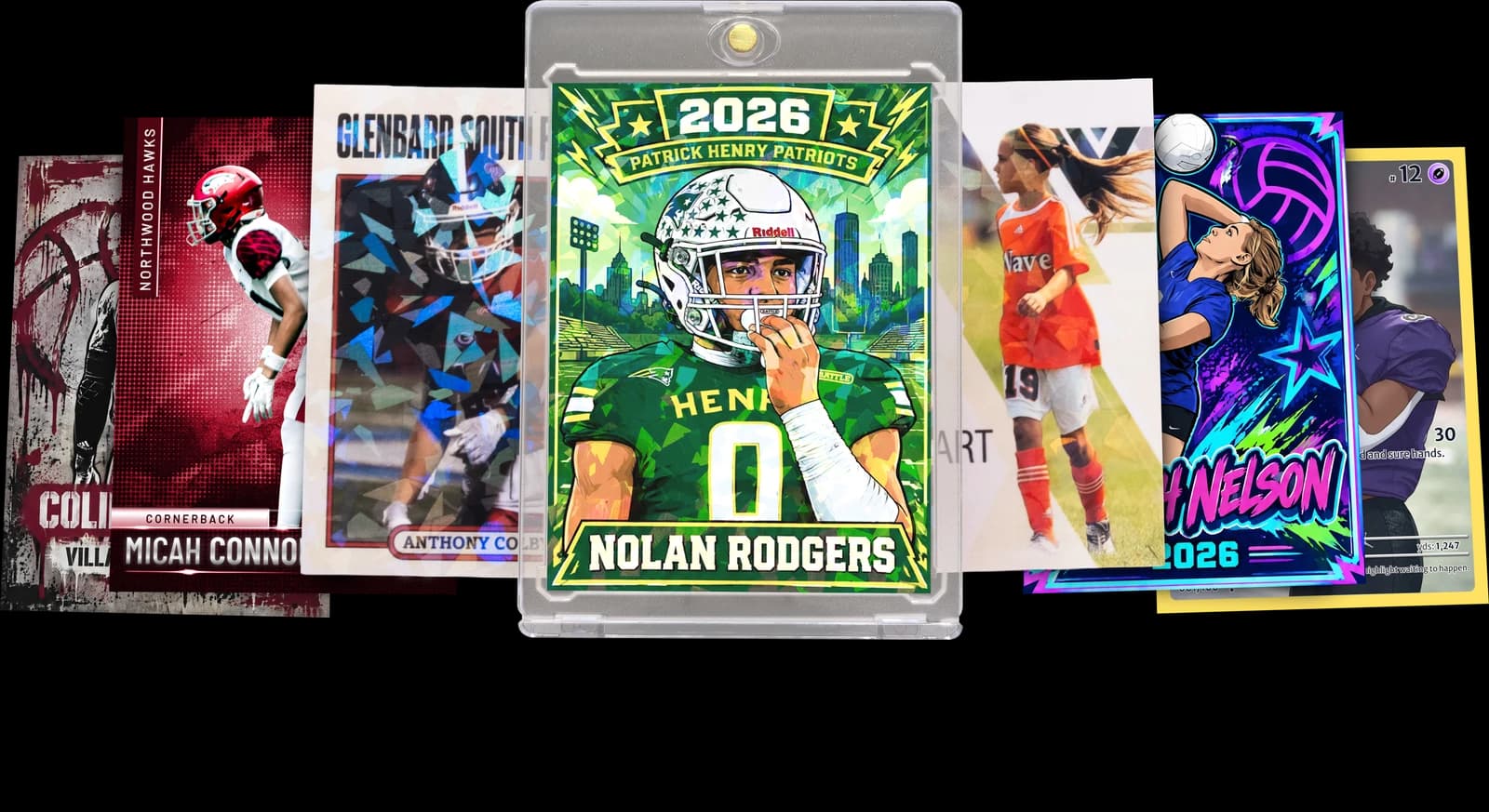
The Rookie Box
Perfect for those unforgettable moments
$17.99 - $49.99
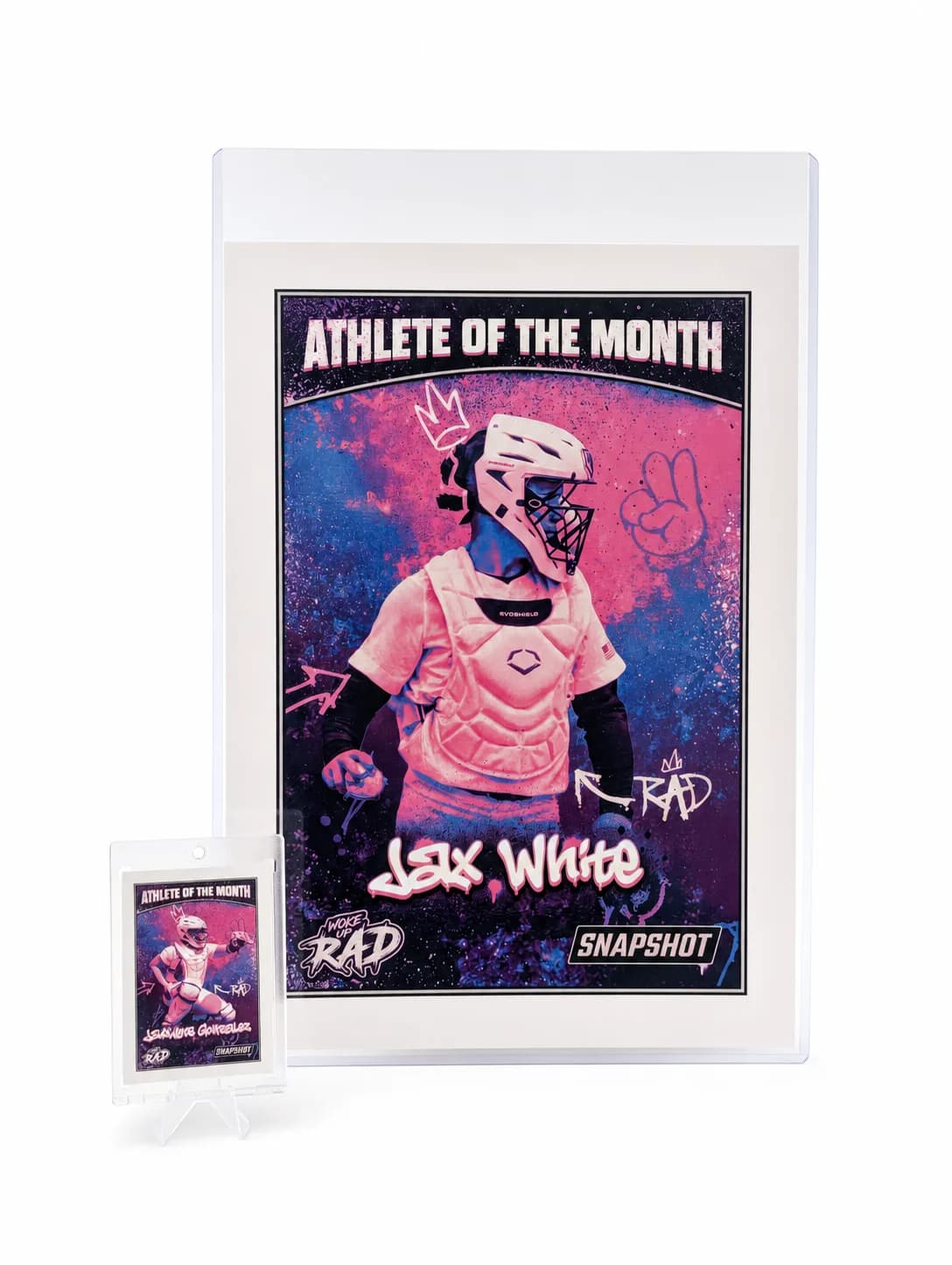
MEGA Card
Their moment, bigger than ever
$49.99
Create for free • Ships the next business day • Made in Des Moines, IA, USA
Frequently Asked Questions
Are Panini cards worth anything if they're from a basic retail pack?
Most basic retail pack cards are worth very little on the resale market, and that's true across nearly every sport Panini covers. Retail packs are produced in huge quantities specifically for wide distribution, which means the base cards inside rarely carry any scarcity value. You might occasionally pull an insert or a numbered parallel from a retail pack, and those can carry some value depending on the player and print run. But the plain base cards, even of well-known players, typically sell for under a dollar unless there's something unusual about them. The exception is a rookie card of a player who later becomes a major star, since early cards of breakout players can gain value over time. If you're holding retail pack cards and wondering whether to keep them, check for serial numbers on the back first. No serial number and no special foil treatment usually means it's a common. That doesn't make the card worthless to you personally, just limited in resale terms.
How do I know if my Panini card is a rare parallel?
Rare parallels almost always have a printed serial number on the back, something like '15/99' that tells you exactly how many copies were made. If you don't see a number like that, it's likely a base card or a common insert rather than a true limited parallel. Some parallels also use distinct colored borders, refractive foil patterns, or unique backgrounds that differ from the standard base design, which is a visual clue worth checking. The lower the print run number, the more collectors typically want it, especially if the player is popular or performing well. A card numbered to 10 or fewer copies is considered quite scarce, while one numbered to 199 or more is still limited but far more common in the resale market. It also helps to check the specific set name against a checklist online, since Panini reuses similar design language across multiple products each year. Comparing your card side by side with official set images is the fastest way to confirm what you actually have.
Do Panini cards need to be graded to have value?
No, grading isn't required for a card to have value, but it can meaningfully increase what a rare or high-demand card sells for. Grading involves sending a card to a professional service that inspects it under strict criteria and assigns a numeric condition score, usually on a 1 to 10 scale. A high grade, especially a perfect or near-perfect score, can multiply the price a buyer is willing to pay compared to the same card ungraded. For common cards worth a few dollars or less, grading usually isn't worth the cost, since fees can run higher than the card's actual value. It only makes financial sense for cards you already suspect are valuable, like low-numbered rookies or cards of star players in strong condition. If a card has visible wear, creases, or rounded corners, grading won't help much since the condition itself caps the score. Think of grading as a tool for confirming value on cards that already look promising, not a way to create value out of nothing.
Why are most modern Panini cards worth so little?
Modern Panini cards are produced in extremely high volume across dozens of products every year, and that volume directly limits scarcity. When millions of copies of a base card exist, there's simply too much supply for demand to push prices up in any meaningful way. Licensing also plays a role, since Panini has produced sets for multiple major sports simultaneously, spreading collector attention and money across a wider pool of products. Another factor is that player performance can be unpredictable, so a rookie card that looked exciting on release day might lose value if that player's career doesn't pan out. Even star players often have several different card versions released in the same year, which dilutes how special any single one feels. The cards that do hold or gain value tend to be low-numbered parallels, autographs, or rookie cards of players who become genuine stars. Everything else exists mostly for the enjoyment of collecting and completing a set, not for resale profit.
Can I sell common Panini cards at all, even for a small amount?
Yes, you can sell common cards, though don't expect much per card individually unless you sell them in bulk lots. Many sellers group large stacks of commons together and sell them as a lot to other collectors or to people restocking dollar bins. Individual listings for single common cards often don't sell at all, since buyers can usually find the same card cheaper elsewhere or bundled with others. Local card shops sometimes buy bulk commons for a flat rate per pound or per hundred cards, which is a quick way to clear space even if the payout is modest. Online marketplaces work better for anything with actual scarcity, like a numbered parallel or a notable rookie. If your goal is just decluttering rather than maximizing profit, donating commons to a youth sports program or a local collector group can feel more worthwhile than the small amount you'd earn from selling them piece by piece.
What's the difference between an insert and a base card?
A base card is the standard, most common version of a player in a set, usually with a simple design and no special numbering. An insert is a separate subset within the same product, often built around a theme, a special design treatment, or a specific achievement, and it's printed in smaller quantities than the base set. Inserts often have foil accents, unique borders, or artistic treatments that make them visually distinct from base cards at a glance. Some inserts are further divided into parallels with their own print runs, meaning an insert can have several rarer versions layered underneath it. Generally speaking, inserts hold more value than base cards because fewer of them exist, but that's not a guarantee, since insert value still depends heavily on the player and design demand. If you're sorting a collection, separating inserts from base cards first is a smart move, since it narrows down which cards deserve a closer look for potential value.
Does the player's current performance affect my card's value?
Yes, and often significantly, especially for rookie cards and cards from a player's early seasons. A player having a breakout year, winning an award, or getting traded to a bigger market can cause demand for their older cards to spike almost overnight. The reverse is also true — injuries, poor performance, or retirement can cause values to flatten or decline over time. This is why timing matters if you're thinking about selling; checking current market prices right before a big game or season milestone can make a real difference. Long-retired players usually have more stable values since their careers are complete and their legacy is settled, for better or worse. Active players carry more risk and more potential upside, which is part of what makes tracking a player's career interesting for collectors beyond just the financial angle. It's worth checking recent news about a player before assuming an old value estimate still holds true today.
Are older Panini cards from the 1990s worth more than newer ones?
Not automatically — age alone doesn't create value, and plenty of 1990s cards are just as common and low-value as recent ones. What matters more is the print run size at the time and whether the specific card has become scarce or historically significant since then. Some 1990s sets were massively overproduced, which actually pushed values down over time since supply vastly outpaced long-term demand. Meanwhile, certain rare inserts or low-print parallels from that same era can be worth a lot precisely because so few were made compared to base cards. Condition also becomes a bigger factor with older cards, since they've had more time to accumulate wear, sun fading, or storage damage. A 1990s card in pristine condition can be worth noticeably more than the same card with visible wear. So age is really just one factor among several, not a reliable shortcut to assuming value on its own.
What should I do if I can't find my exact card online?
Start by double-checking the set name and year printed on the card back, since Panini sometimes uses very similar naming across different products in the same season. Searching the player's name alongside the set name usually turns up a checklist or database that confirms card numbers and parallel types. If the exact card genuinely isn't listed anywhere, it might be a very limited regional release or a promotional card not widely tracked by major pricing sites. In that case, checking recent auction results for similar cards from the same set, even different players, can give you a rough sense of the value range. Card collecting forums and communities are also useful, since experienced collectors often recognize obscure releases that don't show up in standard databases. Patience helps here — some cards take a little digging before you find a comparable sale. If after all that you still can't find pricing information, it likely means demand is low enough that formal tracking hasn't developed for it yet.
Free to design, instant preview. Free US standard shipping on orders $30+. Review delivery options at checkout.




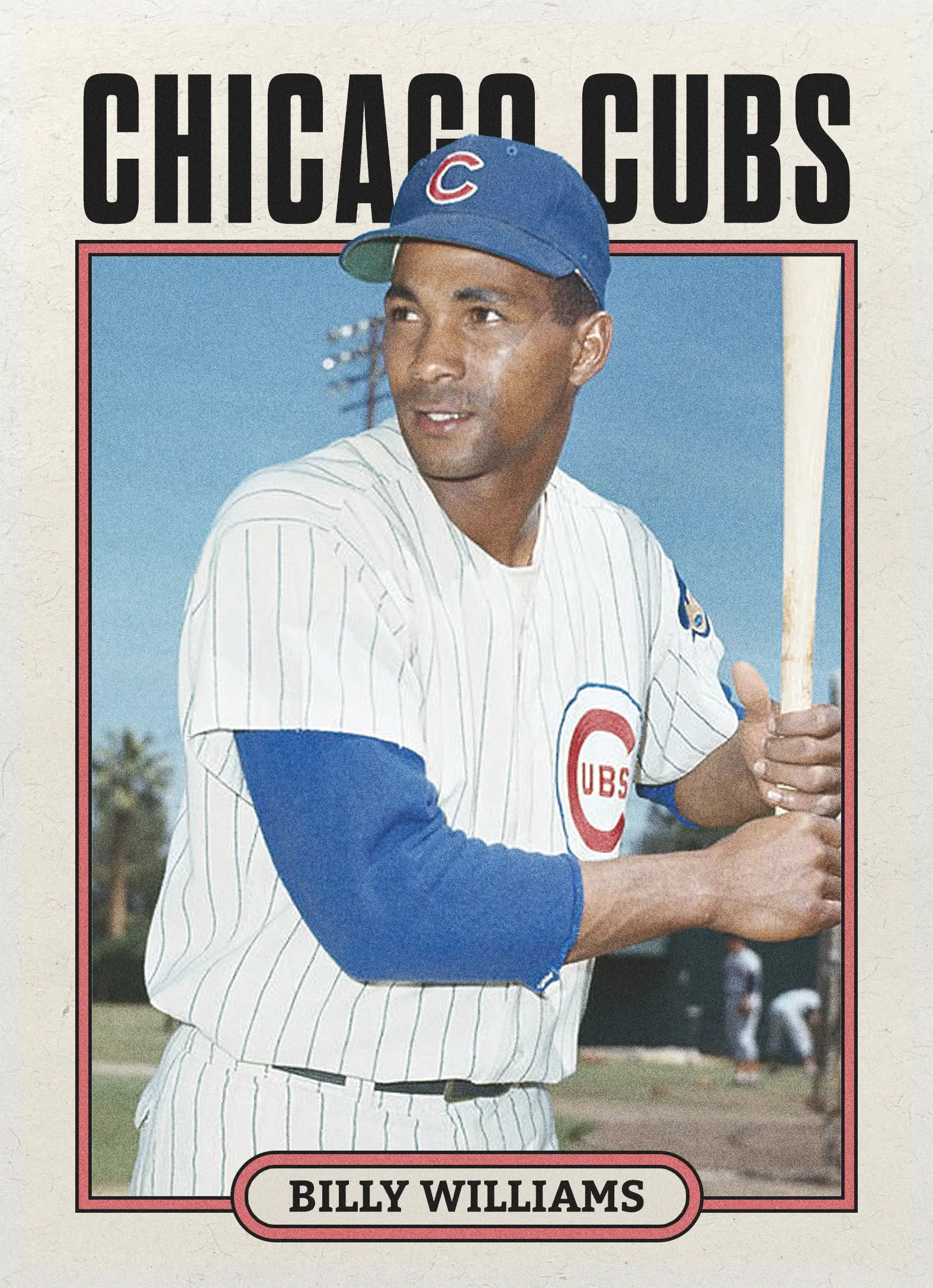
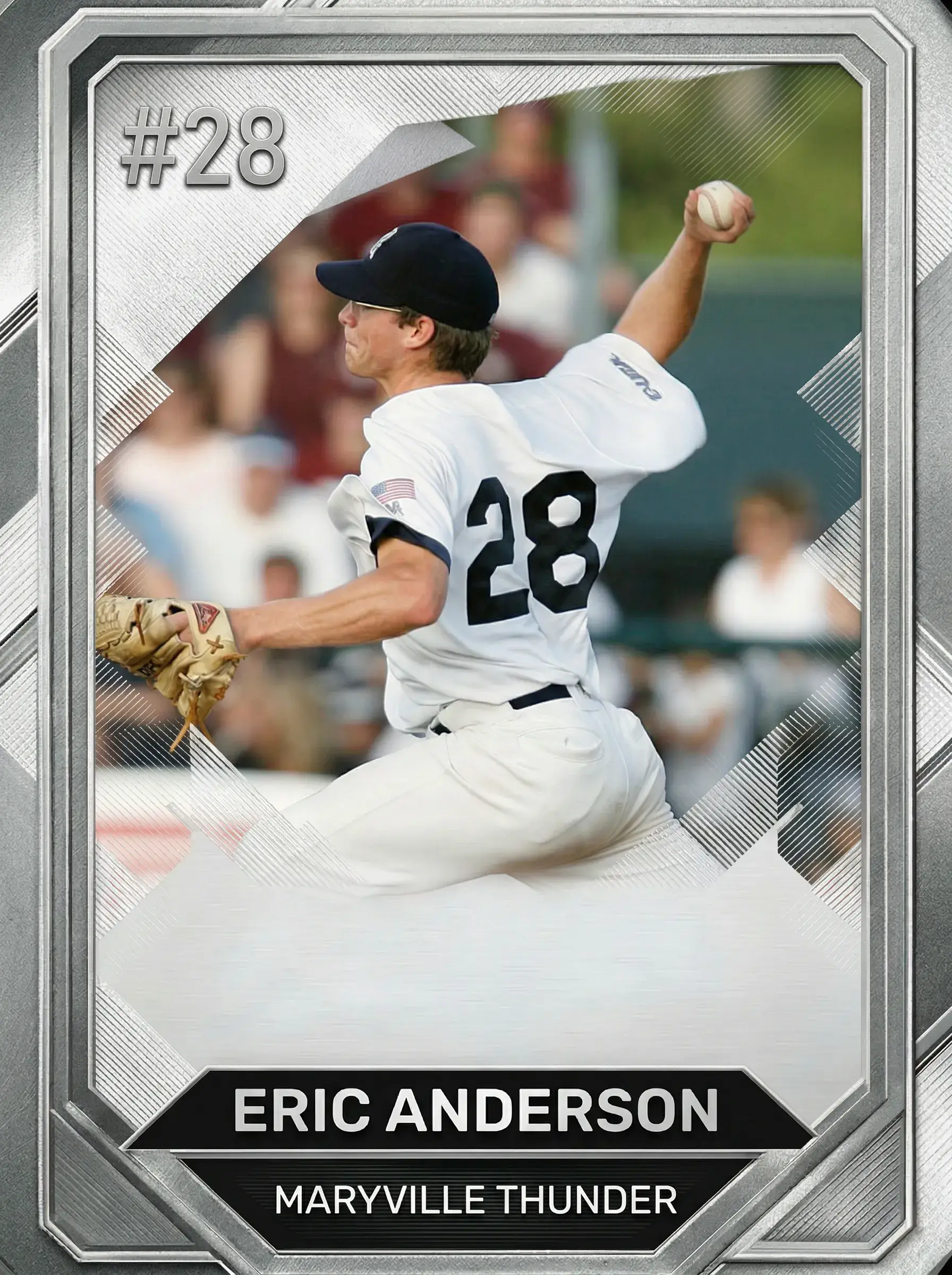
Still Wondering If Your Panini Cards Are Worth Anything?
Check your collection using the steps above, then build something guaranteed to matter. Upload a photo, pick a template, and get a custom card printed on professional card stock, shipped in 2-3 days with a free magnetic case.
Create Your Custom CardNo credit card required | Instant preview | Pro-quality designs
Explore More Card Options
Discover more custom trading card options for every sport and occasion