
Pokemon Card Size Template: Get the Exact Dimensions Right
You searched for a pokemon card size template because the file you downloaded last week printed blurry, crooked, or the wrong size entirely.
Upload your own artwork or photo, choose an available template, and preview your design before ordering a printed card.
Here's what usually happens. Someone grabs a free pokemon card size template from a random forum, drops in their artwork, and sends it to a home printer or a print shop that has no idea what bleed or trim lines mean. The corners come out square instead of rounded. The image shifts half an inch. The card stock feels like printer paper, not something you'd actually want to hold, sleeve, and protect. It's frustrating because the math should be simple — 2.5 inches by 3.5 inches, right? — but templates online vary wildly in bleed area, resolution, and safe zone markings, and most people don't know which one to trust.
The standard pokemon card size template measures 2.5" x 3.5" (63mm x 88mm) with roughly a 0.125" bleed on all sides for print safety. That part's consistent across most legitimate templates. What varies is what happens after you download it — the print quality, the finish, and whether your photo actually looks like a real trading card or a home-printed cutout.
Let's break down the real specs, the common mistakes, and a faster way to get a card that actually looks pro.
We print and ship custom cards to customers in all 50 states every week, and we've seen just about every template mistake there is.
DIY Template vs. Custom Printed Card
| Category | Diy | Snapshot |
|---|---|---|
| Setup time | 30-60 minutes building/checking a template | Under 5 minutes to upload a photo |
| Print material | Home printer paper or basic cardstock | Professional card stock |
| Bleed/safe zone accuracy | Varies by free template source | Built in automatically |
| Protective case | Sourced separately | Free magnetic case included |
| Turnaround | Depends on your printer/shop | 2-3 days, shipped free over $30 |
Free to design, instant preview. Free US standard shipping on orders $30+. Review delivery options at checkout.
Why Getting the Dimensions Right Actually Matters
It's not just about avoiding a bad print — the right specs affect how a card feels, displays, and holds up over time.
Fits Standard Sleeves and Cases
A true 2.5" x 3.5" card slides into standard card sleeves, toploaders, and magnetic cases without gaps or overhang. Off-spec templates create cards that jam sleeves or rattle around loosely.
No Awkward Cropping
Correct bleed and safe zones mean your photo or artwork doesn't get chopped at the edges. Faces stay centered, text stays readable, and nothing important lands in the cutting margin.
Consistent Look Across a Set
If you're making more than one card, matching dimensions keep the whole batch uniform. Nothing looks more amateur than a stack of cards that are all slightly different sizes.
Print Quality That Holds Up
Correct resolution paired with real card stock means the print won't fade, smear, or feel flimsy after a few months of handling. That matters if the card's going in a case for display.
How Does a Pokemon Card Size Template Actually Work?
A pokemon card size template is just a digital guide — a blueprint that tells your design software or printer exactly where to place images, text, and borders.
Set Your Canvas to 2.5" x 3.5"
Every legitimate pokemon card size template starts with a 2.5-inch by 3.5-inch canvas at 300 DPI minimum. Anything lower and your print looks soft or pixelated once it's out of a digital file and onto physical card stock. If you're using a free template from a design site, double-check the DPI setting before you upload your photo — a lot of them default to 72 DPI, which is fine for screens but terrible for print.
Add Bleed and Safe Zones
Bleed is the extra 0.125" of image that extends past the trim line so you don't get white edges after cutting. Safe zone is the inner margin where your important text and images should stay, usually another 0.125" inward from the trim. Skip this step and you risk a card where the border cuts through someone's face or a caption gets sliced in half.
Export and Print on Real Card Stock
Once your file's built correctly, the last step is printing it on actual professional card stock — not photo paper, not cardstock from a craft store. This is where most DIY projects fall apart. The template can be perfect and the print will still feel cheap if the material underneath isn't built for handling, sleeving, and displaying.
Get all three steps right and you've got a card that looks store-bought. Miss one, and it looks like a school project.
What People Notice Once the Sizing Is Right
Customers consistently tell us the difference between a home-printed attempt and a properly sized, professionally printed card is obvious the moment you hold it. The weight, the finish, and the way it sits in a magnetic case — none of that comes through on a DIY template alone, no matter how carefully it's built.
Who's Actually Using a Pokemon Card Size Template Right Now
This isn't just for trading card game fans anymore — the format's become a go-to for all kinds of personal projects.
Custom Pet and Family Cards
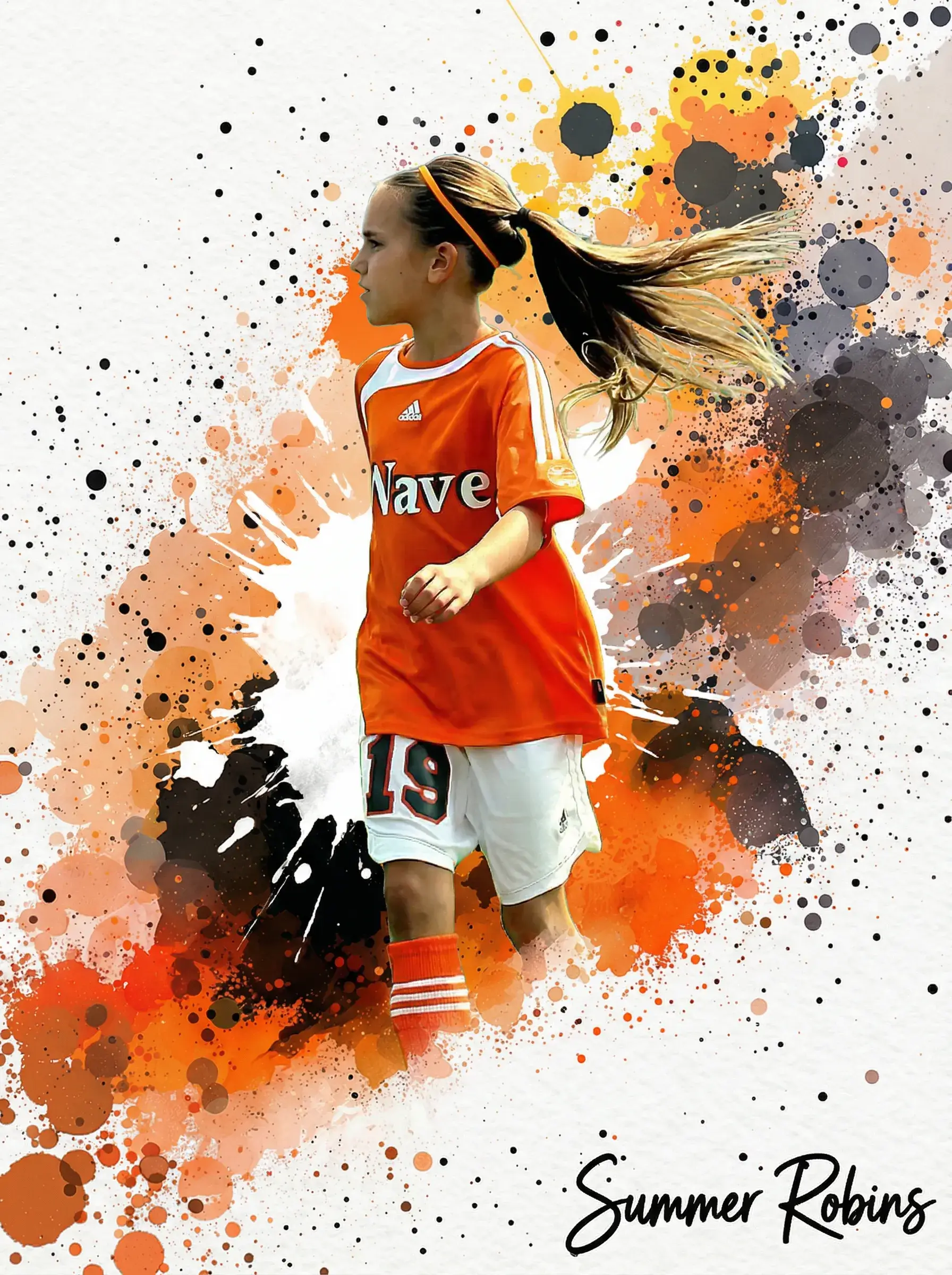
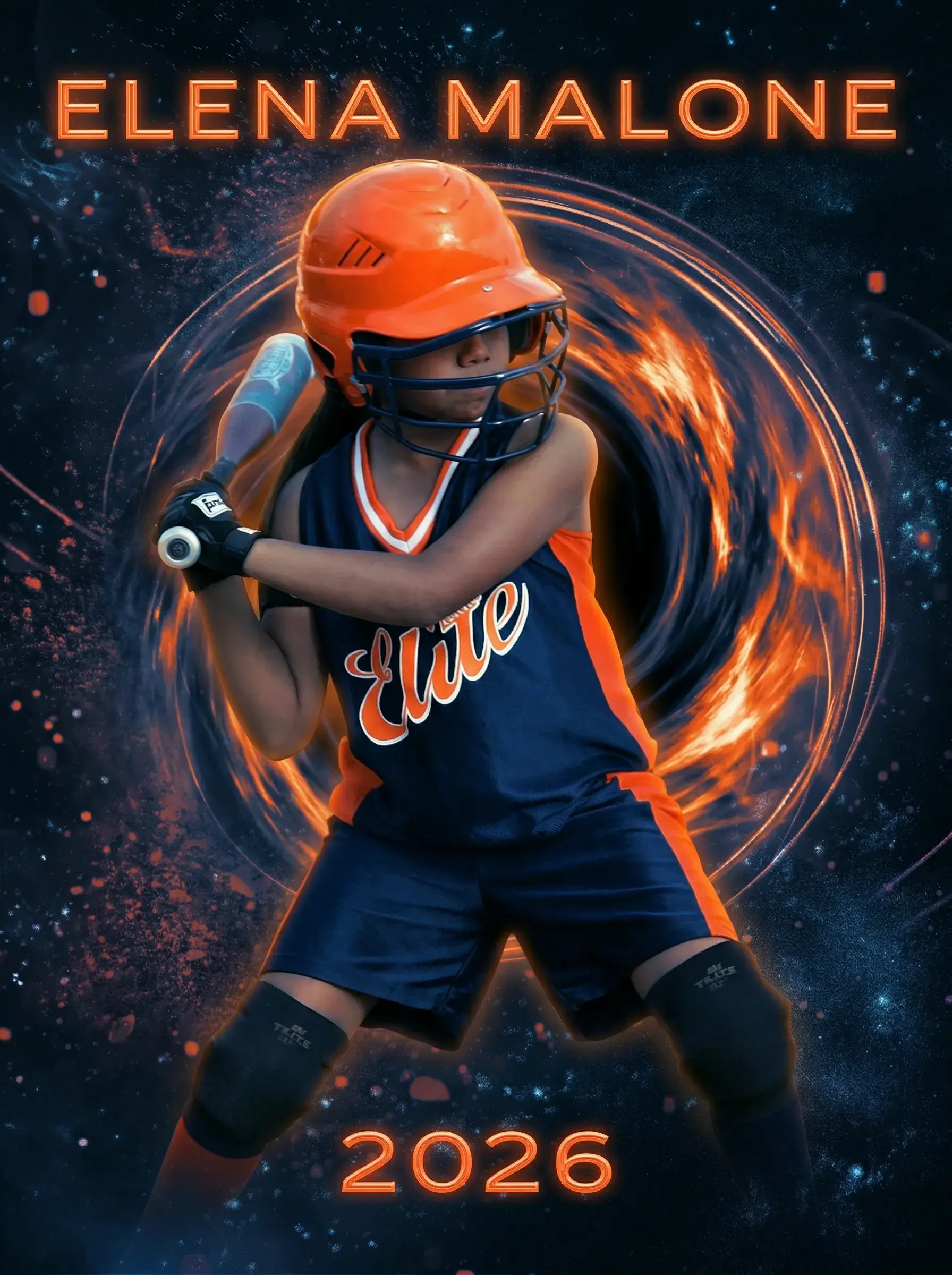
People are turning dog photos, baby pictures, and family portraits into trading-card-style keepsakes using the same 2.5" x 3.5" format. It's a fun, novel way to print a photo that feels more special than a standard 4x6 — something you'd actually display in a case rather than tuck in a drawer.
Gag Gifts and Novelty Cards
A birthday card designed like a rare pokemon card, complete with stats and a custom border, makes for a memorable gift. People use the exact dimensions so the final product feels authentic rather than like a printed meme.
Personal Collectibles and Fan Art
Artists and hobbyists recreate the format for original characters or fan art projects, using the standard size so their pieces slot into existing binders, boxes, and display cases built for standard trading cards.
What It Costs to Skip the Template Headache
Instead of wrestling with bleed lines and DPI settings, you can upload a photo directly and get a professionally sized card back in days.
Single custom card: $17.99. Packs: up to $49.99. MEGA 11"x15" poster card: $49.99. Free shipping over $30 across the USA.
You skip the template guesswork entirely — upload a photo, pick a design, and get a properly sized, professionally printed card shipped free over $30.
Box Options
Simple, collectible pricing. No subscriptions, no hidden fees.
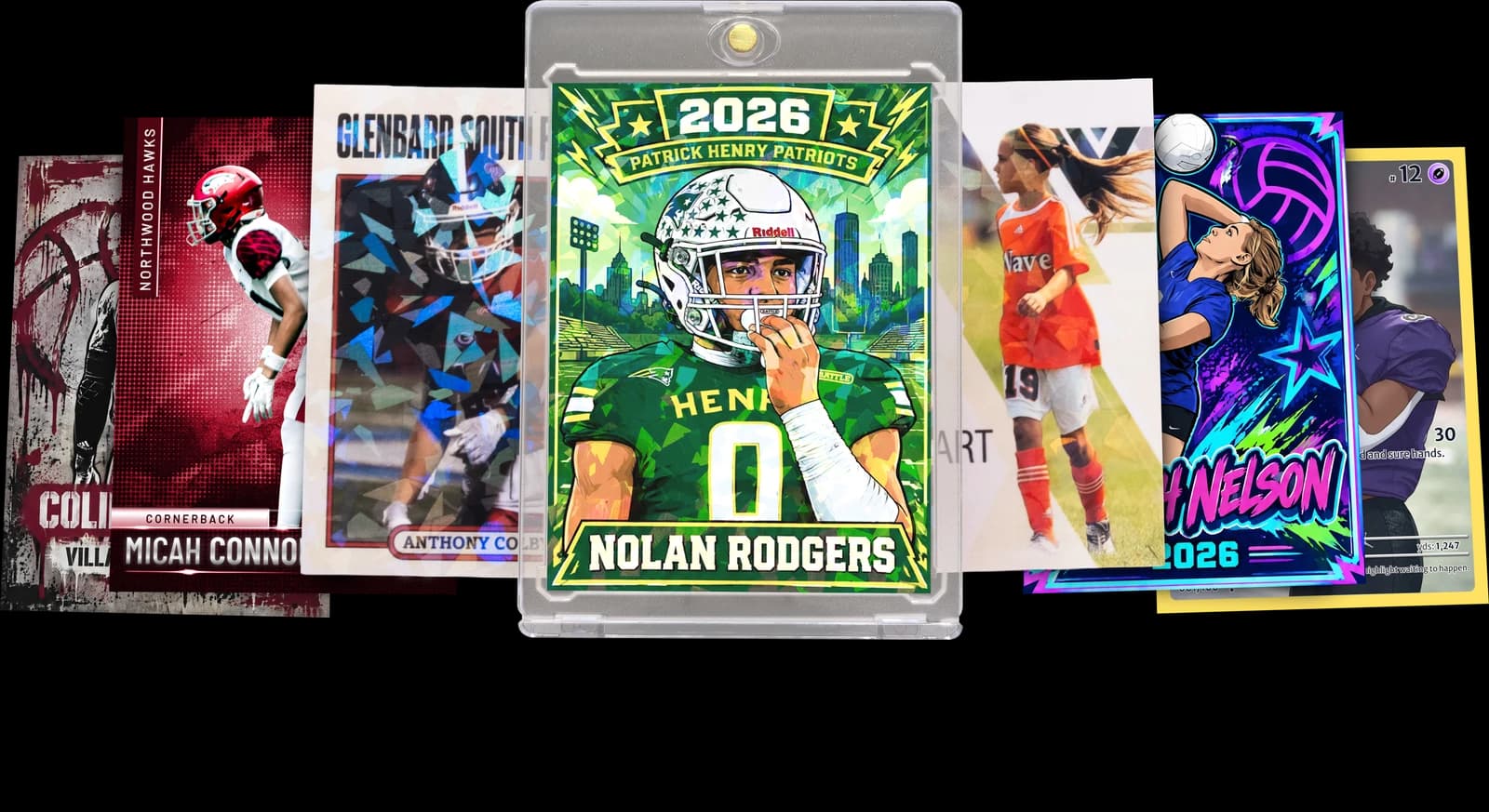
The Rookie Box
Perfect for those unforgettable moments
$17.99 - $49.99
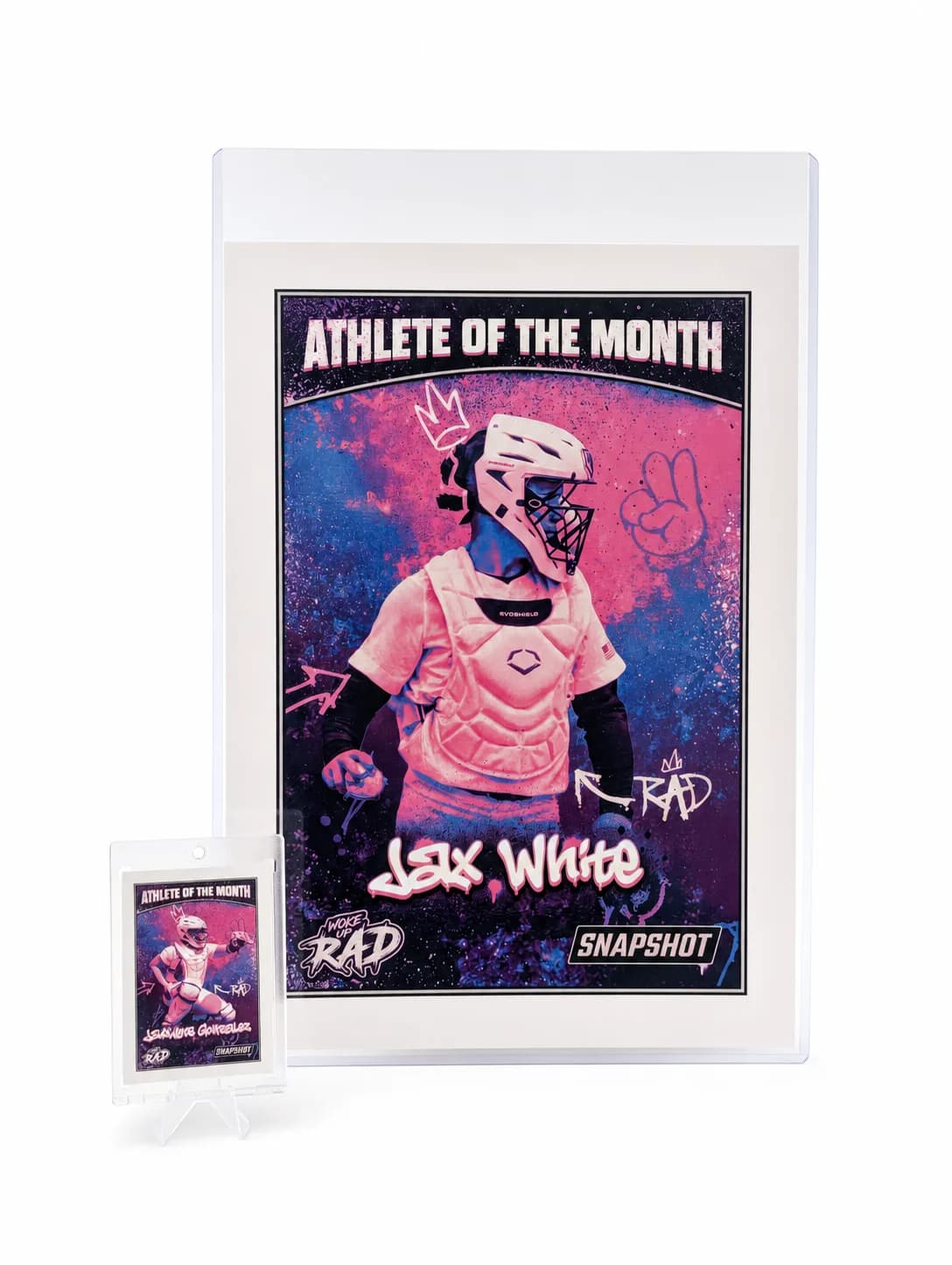
MEGA Card
Their moment, bigger than ever
$49.99
Create for free • Ships the next business day • Made in Des Moines, IA, USA
Frequently Asked Questions
Do free pokemon card size templates online actually work?
Some do, and some really don't, which is exactly why so many people end up frustrated after downloading one. The better free templates include clearly marked bleed lines, safe zones, and are set to the correct 300 DPI resolution at 2.5 by 3.5 inches. The worse ones are just a plain rectangle with no bleed markings at all, which works fine until you actually print and trim it, at which point you notice thin white borders or cropped text. Another issue is file format — some templates are locked into specific software like Photoshop or Illustrator, and if you don't have access to that program, you can't easily edit the layers. It's worth spending a few extra minutes checking reviews or comments on a template before committing your time to it. If you'd rather skip that vetting process entirely, uploading your photo to a service that's already built the template correctly on their end saves you from guessing whether the free download is actually accurate.
How much bleed does a pokemon card size template need?
Most standard templates use 0.125 inches of bleed on all four sides, which is the industry norm for small-format printing like trading cards. That means your actual working file, before trimming, ends up closer to 2.75 by 3.75 inches once you account for bleed on both sides of the card. The bleed exists because cutting machines, even precise ones, have a small margin of error, and without extra image bleeding past the trim line, you'll end up with thin white slivers on the edges of your finished card. Some templates get this wrong by using too little bleed, like 0.0625 inches, which can still result in visible edges depending on the printer's calibration. Others overdo it and push important content too far into the bleed zone, cutting it off. If you're building your own file, always keep essential details like faces, logos, or text within the safe zone, roughly an eighth of an inch inside the trim line, so nothing critical gets clipped during cutting.
Can I fit a full family photo onto a card-sized template without cropping badly?
You can, but it takes a bit more planning than just shrinking the photo to fit. Because a pokemon card size template is a tall, narrow rectangle at 2.5 by 3.5 inches, wide group photos often get squeezed or need significant cropping on the sides to fit properly. The better approach is choosing a photo that's already portrait-oriented or has your main subjects centered vertically, since that naturally works with the card's proportions. If you're set on a specific wide photo, you might need to zoom in on the most important part, like faces, rather than trying to preserve the whole background. Some printing services offer multiple template styles with different framing options, which gives you more flexibility than a single rigid template file. It's also worth previewing your image with the safe zone overlay before finalizing anything, so you can see exactly what will and won't survive the trim, rather than being surprised after the cards arrive.
Is a pokemon card size template the same as a standard trading card template?
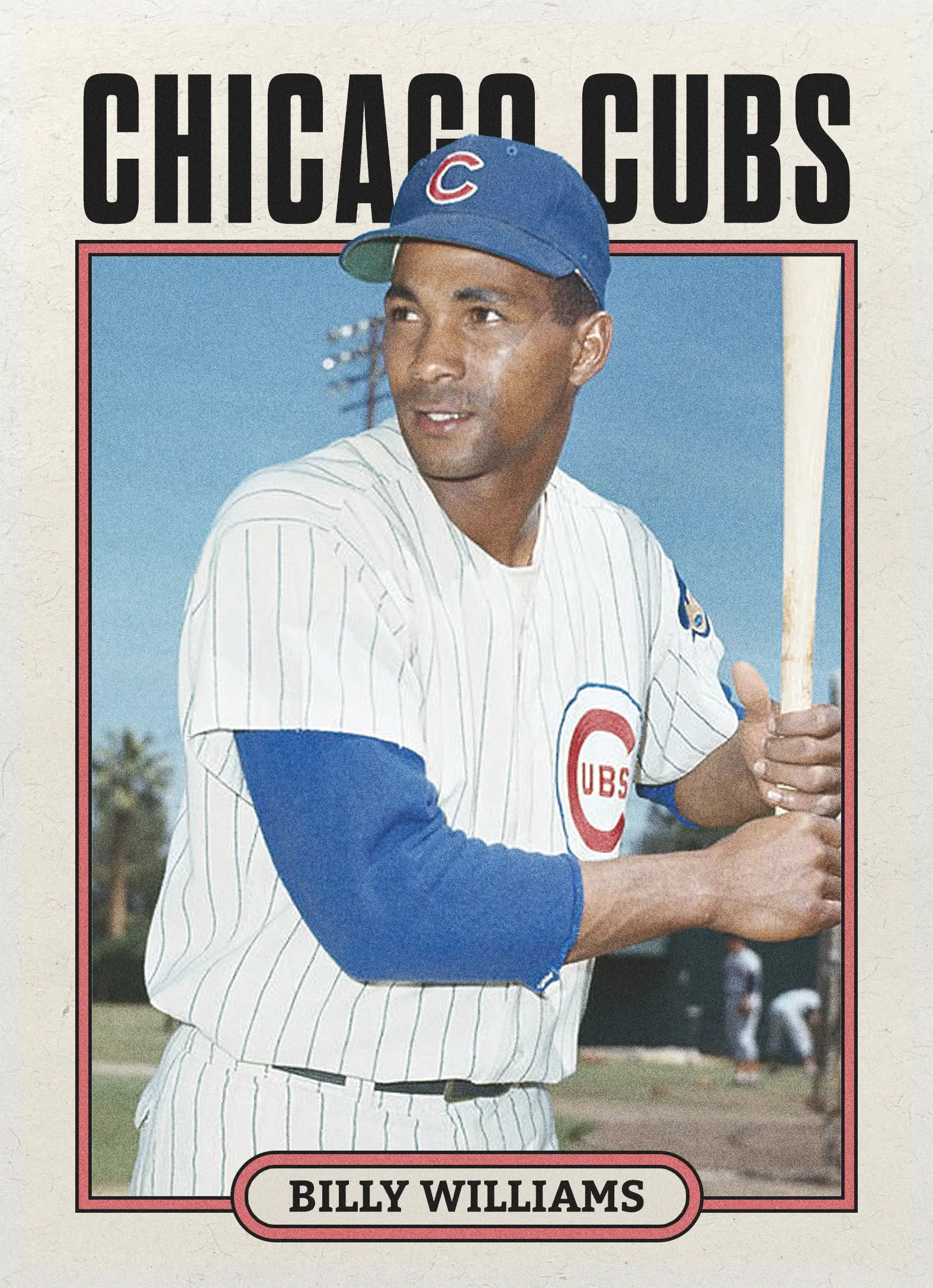
In terms of pure dimensions, yes — 2.5 by 3.5 inches is the standard size across nearly all modern trading card games, sports cards included. What differs between templates is usually stylistic: border designs, color schemes, foil accents, and layout elements like stat boxes or team logos. A pokemon-style template might include energy symbols or HP boxes, while a sports card template includes team branding or player stats. But the underlying size, bleed, and safe zone specifications are essentially identical across the board. That's actually good news if you're customizing a card, because it means you can use a sports-card-style layout with the same physical dimensions and it'll still fit in the same sleeves, boxes, and display cases as any other standard trading card. The design on top is just aesthetic — the format underneath is universal.
What file format should I use when submitting a photo for a custom card?
High-resolution JPEG or PNG files work best for most print services, and you'll generally want the original file straight from your camera or phone rather than a screenshot or a copy that's been through several rounds of texting and re-saving. Each time an image gets compressed or resent through messaging apps, it loses a bit of quality, and that loss becomes obvious once it's blown up to fill a card-sized print. If you're working with a professional design file, like a PSD or AI file, those preserve the most detail and give the most control over cropping, but they're not necessary for a simple photo upload. What matters most is starting resolution — aim for a photo that's at least 1000 pixels on its shortest side, though higher is always safer. If you're unsure whether your file will print sharp, most printing services will flag low-resolution uploads before printing, which saves you from an unpleasant surprise when the card arrives blurry.
How long does it take to get a custom card printed and shipped?
With Snapshot, cards are printed on professional card stock and shipped within 2-3 days, with free US shipping over $30 anywhere in the USA. That timeline covers everything from the moment your photo and template choice are finalized to the point your order leaves production in Des Moines, Iowa. It's a lot faster than sourcing your own template, printing at home or through a generic print shop, trimming it yourself, and then trying to source a magnetic case separately. Because the process is streamlined specifically for card-sized prints, there's no back-and-forth over file specs or bleed settings — that part's already handled. If you're ordering for a specific date, like a birthday or holiday, it's smart to place the order at least a week ahead just to build in a buffer for shipping transit time, even though production itself moves quickly. Rush situations do come up, and generally the 2-3 day production window still leaves enough room for most last-minute gifts.
Do custom cards come with any kind of protective case?
Yes, every custom card from Snapshot ships with a free magnetic case included, so you're not left figuring out where to source a toploader or sleeve separately. This matters more than people expect, because a properly sized card printed on professional card stock can still get dinged, scratched, or bent if it's shipped loose in an envelope. The magnetic case keeps the card protected in transit and gives you something you can immediately display or hand off as a gift without extra steps. It's a small detail, but it's often the difference between a card that feels like a finished product and one that feels like a print you have to go finish yourself. If you're ordering for a gift, this also means there's no last-minute scramble to find a case that fits a non-standard size, since everything's built around the same 2.5 by 3.5 inch trading card format from the start.
Can I order more than one card at a time, and does it cost less per card?
Yes, packs are available up to $49.99, which generally works out to a lower cost per card compared to ordering single cards individually at $17.99 each. This is a common choice for people making a set — like multiple pet photos, a handful of family portraits, or several joke cards for different friends. There's also a MEGA option, an 11 by 15 inch poster-sized card priced at $49.99, for anyone who wants a large-format display piece rather than a standard pocket-sized card. Ordering in a pack doesn't mean sacrificing quality or resolution requirements — each card in the pack still needs its own properly sized, high-resolution image to print sharp. If you're mixing multiple photos into one order, it helps to double check each individual image's resolution rather than assuming the whole batch will print evenly, since quality really does vary photo to photo depending on the original source.
Free to design, instant preview. Free US standard shipping on orders $30+. Review delivery options at checkout.
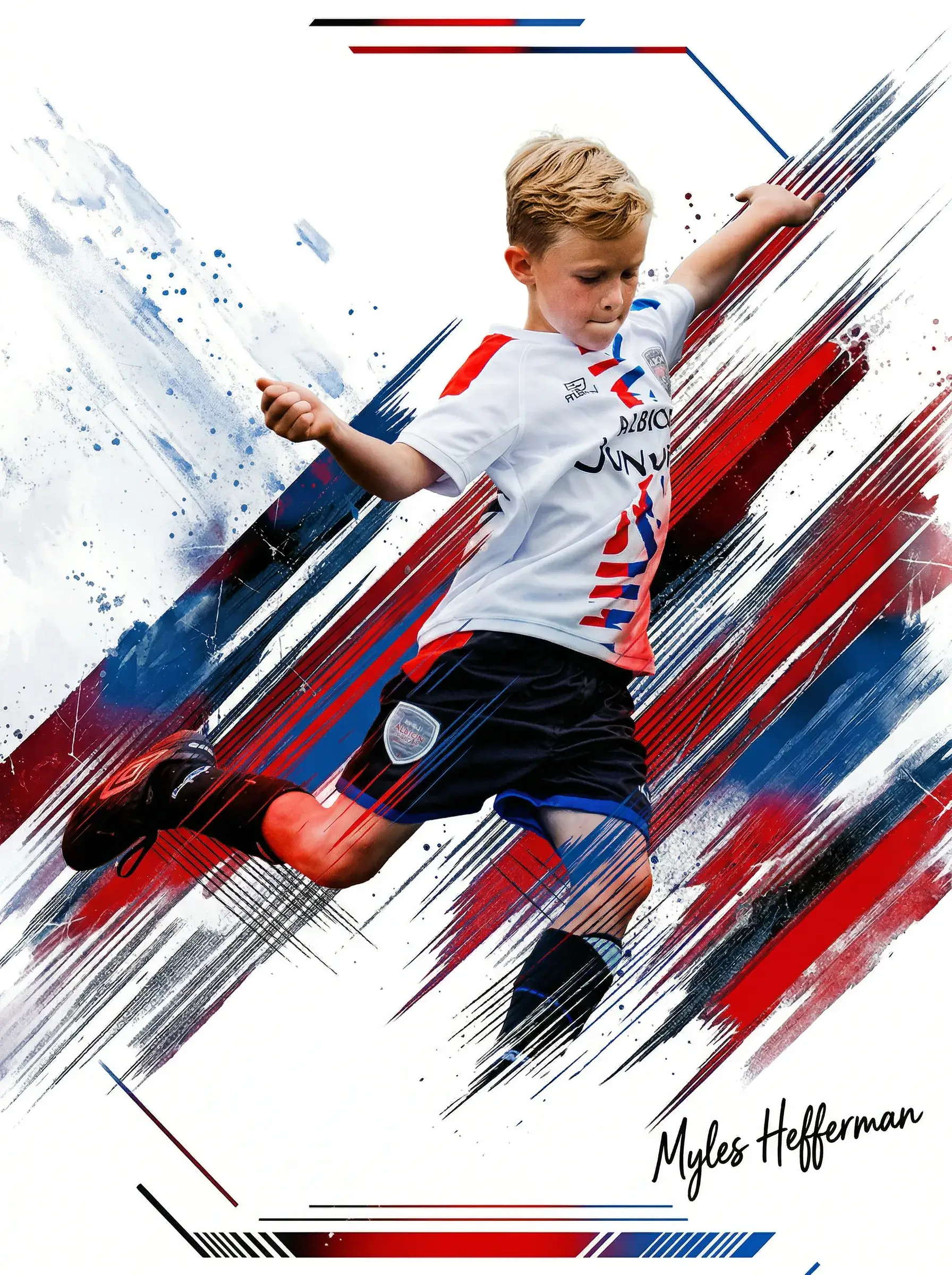

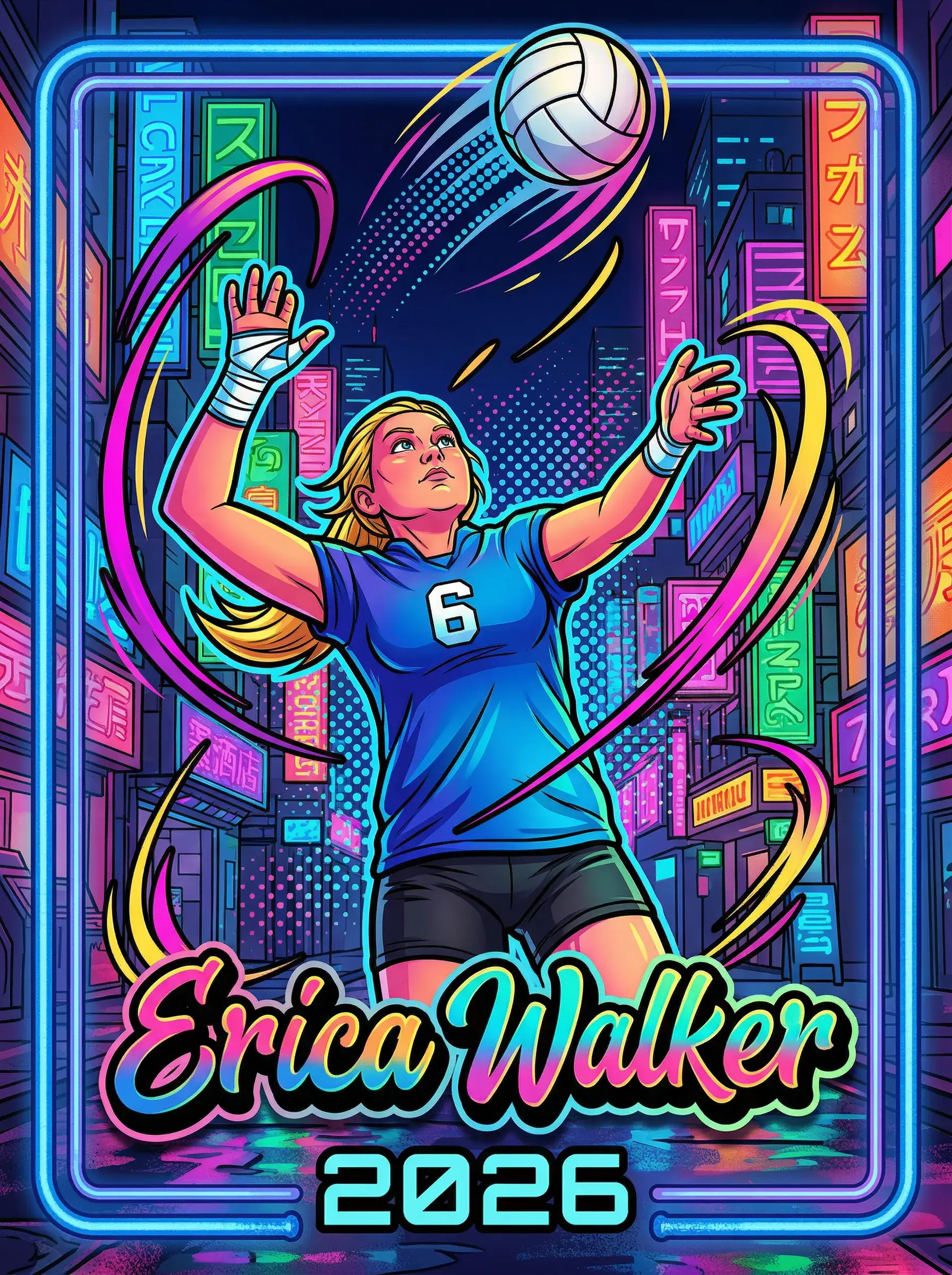
Skip the Pokemon Card Size Template Guesswork
Upload your photo, pick a design, and let us handle the bleed lines, resolution, and printing on professional card stock. Your custom card ships in 2-3 days with a free magnetic case, anywhere in the USA.
Upload Your Photo NowNo credit card required | Instant preview | Pro-quality designs
Explore More Card Options
Discover more custom trading card options for every sport and occasion