
What Brand Baseball Cards Are Worth the Most in 2026?
A single 1952 Topps Mickey Mantle sold for $12.6 million. Most cardboard in your attic won't touch that number.
Upload a photo of your player, pet or team, choose an available template, and preview your design before ordering a printed card.
Everybody asks what brand baseball cards are worth the most, hoping there's a shortcut answer like 'buy Topps' or 'buy Bowman' and cash out later. It doesn't work that way. Value depends on brand, sure, but also on the player, the print run, the grade, and pure timing. You could own a full box of a supposedly 'valuable' brand and still end up with nothing but nostalgia. Meanwhile, a single rare insert from a brand nobody talks about can outsell an entire shoebox of the famous stuff.
Here's the honest breakdown: Topps, Bowman, and Panini dominate the resale conversation, with vintage Topps and modern Bowman Chrome prospect cards pulling the biggest numbers. But collecting for resale and collecting for yourself are two different games. If you want cards that matter to you — a card of your kid's walk-off homer, your beer-league team's championship season — Snapshot lets you build that value on your own terms.
Let's run through the real checklist collectors use before we get to the kind of card money can't replace.
We ship custom baseball cards to collectors and families in all 50 states every week, from Little League dugouts to men's league championships.
What the Data Actually Shows About Brand Value
Auction records consistently show pre-1980 Topps and rare Bowman Chrome prospect cards leading resale prices, while modern base sets from any brand rarely appreciate. Grading population reports back this up — the highest sale prices almost always trace back to low-population, high-grade cards, not to a brand name alone.
Who's Actually Searching for This, and What Do They Do Next?
Most people land on this question for one of three reasons — here's how each one plays out.
The Attic Collector
Found a shoebox of 1980s Topps and Donruss and wants to know if it's a retirement fund. Usually it's not, but the search leads to a fun rabbit hole of grading sites and player checklists, and often ends with printing a few favorite finds as fresh custom cards to actually display.
The Youth Baseball Parent
Wants to know what makes cards valuable so they can start a 'collection' for their kid the right way, then realizes the real win is a custom card of their own son or daughter's season, printed and framed, not a pack of random players from a store shelf.
The Adult Collector Building a Set
Already knows Topps and Bowman lead the resale market and is researching specific years and parallels. This shopper often supplements a serious vintage collection with custom cards of personal milestones — a men's league title, a fantasy draft trophy, a favorite ballpark trip.
Free to design, instant preview. Free US standard shipping on orders $30+. Review delivery options at checkout.
How Do Collectors Figure Out What Brand Baseball Cards Are Worth the Most?
Serious collectors don't guess — they run every card through the same three filters before deciding it's worth anything.
Check the Brand and Era
Topps held the exclusive MLB license from 1956 to 1980, which is why vintage Topps dominates auction results. Bowman took over as the top prospect brand once Topps bought it in 1991, so early Bowman rookies of future Hall of Famers carry huge premiums. Panini prints college and international sets since it lost the MLB license, which actually makes some Panini rookies scarce and collectible in their own weird way.
Confirm the Player and the Print Run
Brand only matters if the player panned out. A 1990 Topps set is basically worthless in bulk because Topps printed millions of them, but a low-numbered rookie parallel from that same brand can be worth real money. Scarcity plus a Hall of Fame career is the actual formula — not the logo on the front.
Grade the Condition
A PSA 10 gem mint card can sell for ten times what a PSA 7 brings, even from the same pack. Corners, centering, and surface wear all get scored, and collectors won't pay serious money without that third-party grade backing it up. This is the step most casual sellers skip, and it's why their 'valuable' cards don't sell for what they expect.
Run any card through those three filters and you'll know within minutes if it's a keeper or a shoebox filler.
Why Building Your Own Card Collection Still Beats Chasing Resale Value
Chasing the brand with the biggest resale number is a gamble. Building cards around your own baseball memories is a sure thing.
You Control What Gets Immortalized
No waiting on a rookie season to pan out. Upload the photo from last Saturday's no-hitter or your daughter's first home run and turn it into a card today, printed on premium card stock.
Every Card Ships Fast
Snapshot cards print and ship in 2-3 days nationwide, with free US shipping over $30. You're not waiting on a card show or an eBay auction to close.
Real Pro Templates, Real Presentation
Choose from templates styled after the sets collectors already recognize, then get your card in a free magnetic case that protects it like a graded slab would.
It's Personal, Which Is Its Own Kind of Valuable
A 1979 Ozzie Smith rookie means something because of who Ozzie became. A custom card of your own player means something because you were there. That's a value no auction house can price.
What Does It Cost to Make a Card Worth Something to You?
Forget auction prices for a second — here's what it actually costs to print a card that means something today.
Single custom card: $17.99. Packs: up to $49.99. MEGA 11"x15" poster card: $49.99. Free shipping over $30 across the USA, printed and shipped from Des Moines, Iowa in 2-3 days.
No auction bidding, no grading fees, no waiting years to see if it's worth anything — just a premium card that's already worth it.
Box Options
Simple, collectible pricing. No subscriptions, no hidden fees.
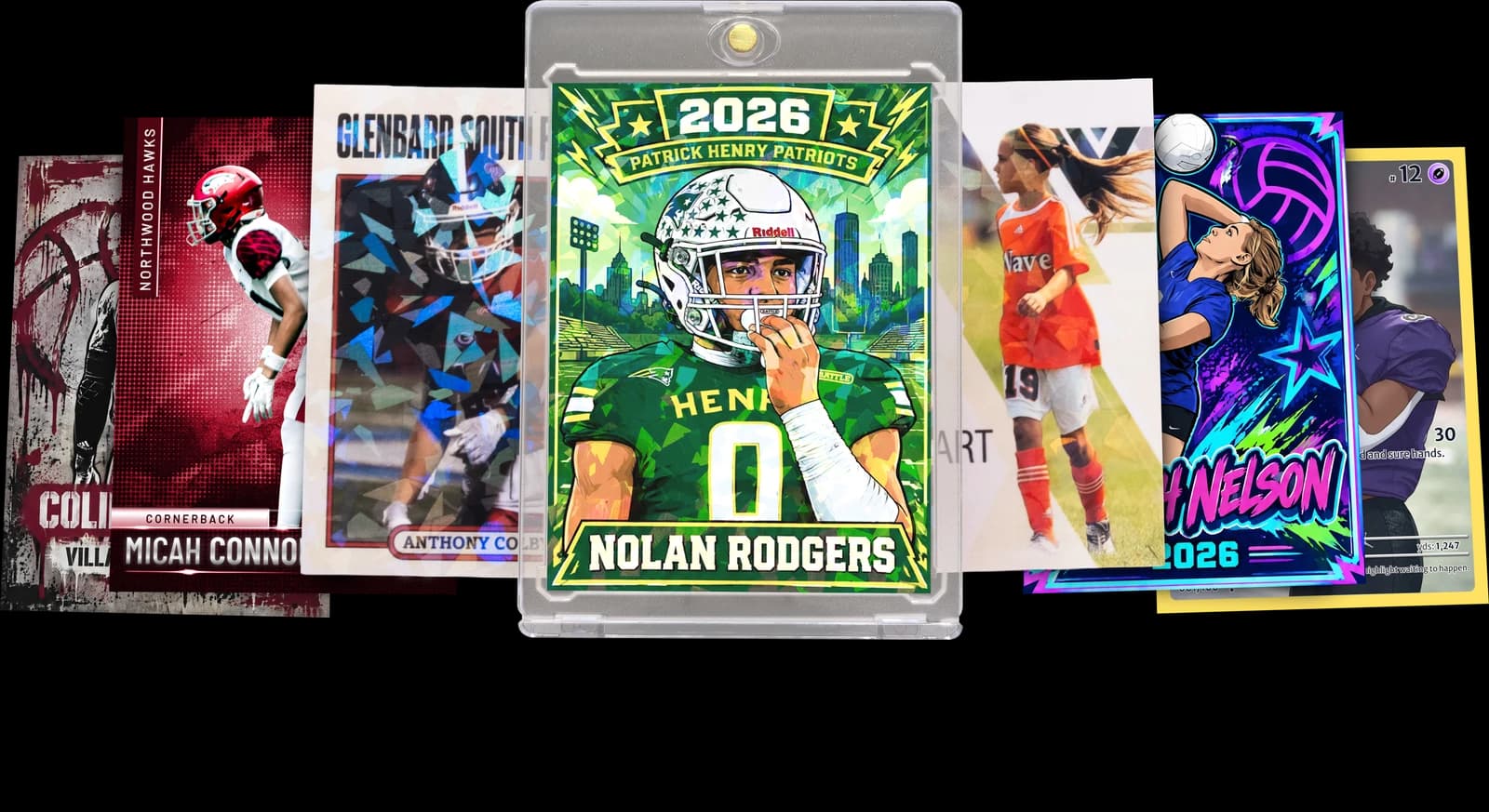
The Rookie Box
Perfect for those unforgettable moments
$17.99 - $49.99
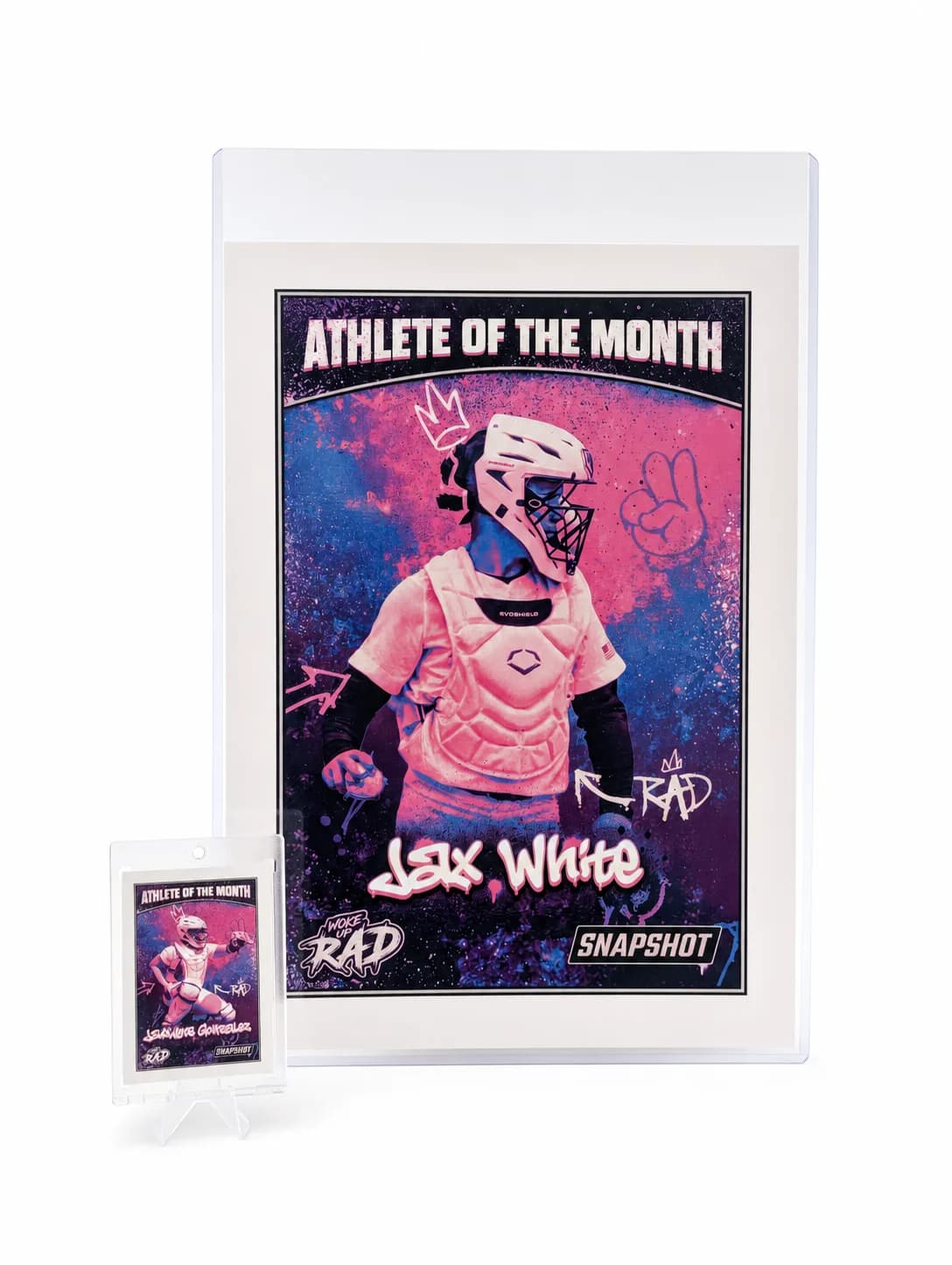
MEGA Card
Their moment, bigger than ever
$49.99
Create for free • Ships the next business day • Made in Des Moines, IA, USA
Frequently Asked Questions
Are Topps cards always worth more than other brands?
No, and that's a common misconception. Topps has the longest history and the most name recognition, which drives demand, but 'more recognizable' doesn't automatically mean 'more valuable.' Cards from the junk wax era of the late 1980s and early 1990s were printed by the millions, and Topps was one of the biggest offenders, so most of those cards are worth next to nothing today even in mint condition. Meanwhile, a scarce Bowman Chrome refractor or a limited Panini National Treasures autograph can sell for far more than a common Topps card from the same year. What actually drives Topps value is scarcity combined with era — pre-1980 cards, especially rookies of Hall of Famers, are genuinely rare because fewer people saved them and fewer survived in good shape. So the honest answer is that Topps often leads at the very top of the market, but plenty of Topps cards from any given year are worth less than a cup of coffee. Check the specific card, not just the brand name on the front.
Why do Bowman cards get so much attention from collectors?
Bowman built its reputation as the brand that prints a player's first licensed card, usually while they're still a minor league prospect, sometimes years before they ever step onto a major league field. That timing matters enormously, because if the player becomes a star, collectors who bought that early Bowman card cheap suddenly own something worth a fortune, and the story of getting there first is part of the appeal. Bowman Chrome, in particular, with its shiny refractor parallels and autograph versions, has become the standard for prospecting in the hobby. It's essentially a bet on a player's future, which makes it more volatile than a veteran star's established card but also gives it more upside if the bet pays off. The catch is that most prospects never make it big, so a stack of random Bowman rookies is mostly speculation, not guaranteed value. Collectors who do well with Bowman usually study minor league performance closely and buy before the hype builds, not after a player's already a household name.
Does a card's brand matter more than the player on it?
Honestly, the player usually matters more. A common brand card of Mike Trout's rookie year will outsell a rare parallel of a player who never made the majors, every single time. Brand affects things like print quality, scarcity by design, and collector trust, but it doesn't create value out of nothing. Think of brand as the packaging and the player's career as the actual product. A well-known brand can amplify value when the player is genuinely great, because collectors trust the grading consistency and the card's place in a recognized checklist. But no brand, no matter how prestigious, can make a mediocre career's cards worth much. If you're trying to predict future value, spend more time studying player potential, health, and team situation than you do memorizing which brand printed the card. The two factors work together, but player performance is the engine, and brand is just the vehicle it's riding in.
How much does card condition affect resale value compared to brand?
Condition can swing value more dramatically than brand ever will. Take the same card, same player, same year, and same brand, then compare a heavily creased copy to a pristine one — the price difference can be ten times or more, especially once third-party grading gets involved. A PSA 10 gem mint copy of a card might sell for thousands, while a PSA 6 version of the identical card sells for a fraction of that, sometimes barely more than a common card. Corners, centering, edges, and surface scratches all get scrutinized by graders, and collectors have learned to trust those grades more than raw condition claims from a seller. This is exactly why so many attic collections turn out disappointing — the cards were handled, stacked, or stored without sleeves for decades, and that wear tanks the value regardless of how rare or desirable the brand and player are. If you're storing cards you actually want to preserve, invest in sleeves, top loaders, and a stable environment from day one.
What makes a custom baseball card different from a store-bought brand card?
A store-bought brand card is mass produced, meaning thousands or millions of copies exist of the exact same image and design, and you have zero control over who's on it. A custom card built through a service like Snapshot flips that entirely — you choose the photo, you choose a pro-style template, and the result is a one-of-one card built around a real moment from your own baseball life. That could be a Little League championship, a high school senior night, or a beer-league softball team's playoff run. It won't carry resale value on the secondary market the way a licensed rookie card might, and that's honestly not the point. The value is emotional and personal rather than speculative. You're not betting on a prospect's future career; you're capturing something that already happened and already matters. Plenty of collectors do both — they chase brand-name rookies for potential profit and build custom cards of their own memories for something a spreadsheet can't calculate.
Can a custom baseball card ever be worth money someday?
It's unlikely to sell for real money on the open market the way a licensed rookie card could, since custom cards aren't part of an official checklist that graders and databases track. But 'worth' doesn't have to mean resale price. Think about old family photos — nobody expects to sell them, yet families protect them for decades because of what they represent. A custom card of your son's first home run or your rec league team's undefeated season works the same way; the value is sentimental, not speculative. Some families do end up treasuring these cards for generations, passed down the same way an old photo album might be, which is its own kind of appreciation even without a dollar sign attached. If you're looking for a financial investment, stick to graded, licensed rookie cards from recognized brands. If you're looking for something that'll matter to you and your family in twenty years regardless of market trends, a custom card checks that box in a way no investment card ever could.
What's the fastest way to check if an old card I own is valuable?
Start by identifying the brand, the year, and the player, then search recent sold listings on major auction sites rather than just asking prices, since asking prices are often inflated. Compare your card's condition honestly against grading standards — sharp corners, centered image, no creases or surface wear are all good signs. If the card looks genuinely sharp and features a well-known player from a scarce or early print year, it might be worth getting professionally graded before you sell, since a graded card almost always sells for more than a raw one. Watch out for common traps: cards from the late 1980s and early 1990s are almost always low value no matter how nice they look, because print runs were massive during that era. Also be skeptical of price guide numbers that seem too high; those are often outdated or reflect a single outlier sale. When in doubt, a quick check with a local card shop or an online grading community can save you from either overselling a common card or underselling a genuinely rare one.
Free to design, instant preview. Free US standard shipping on orders $30+. Review delivery options at checkout.
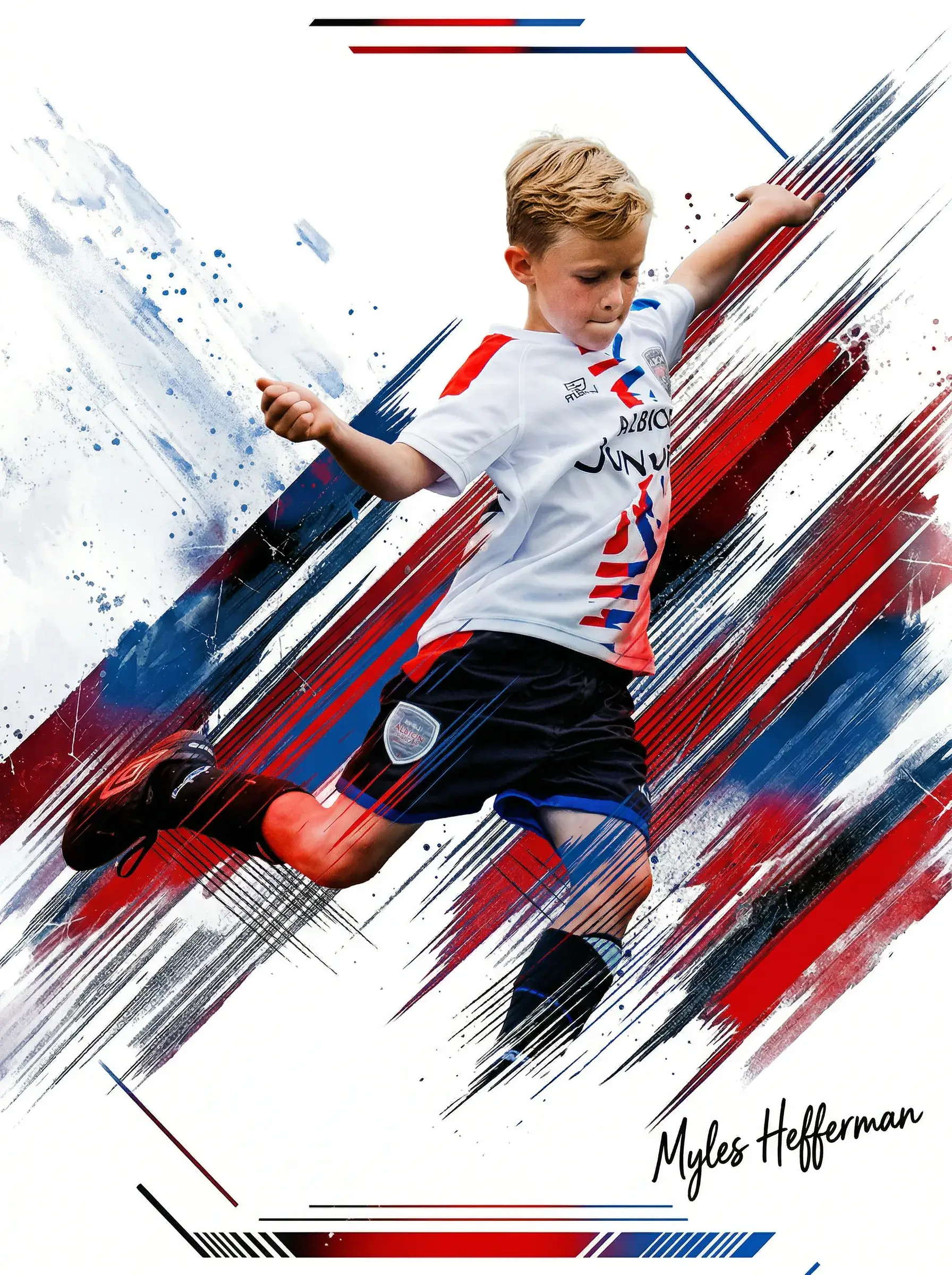

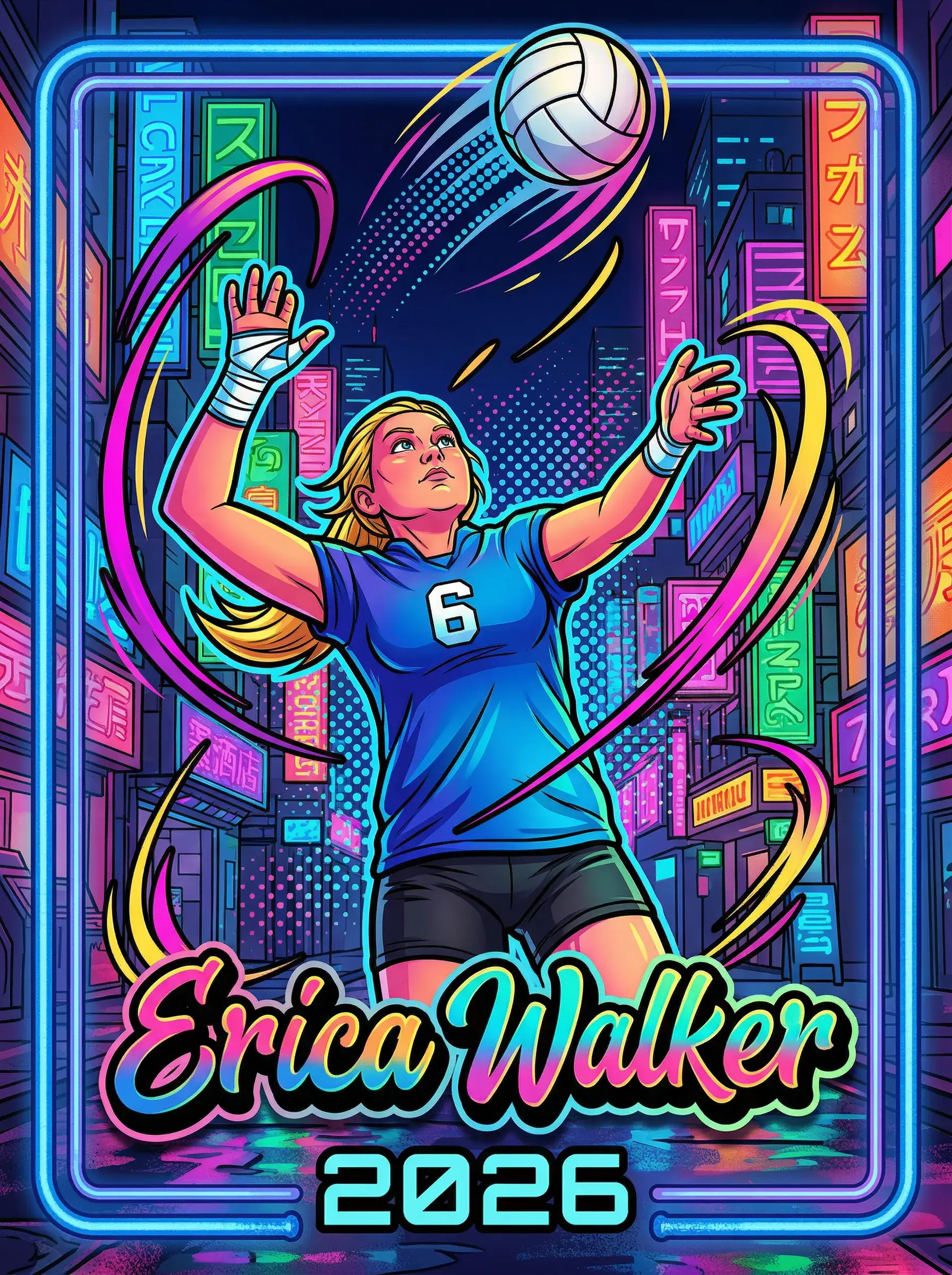

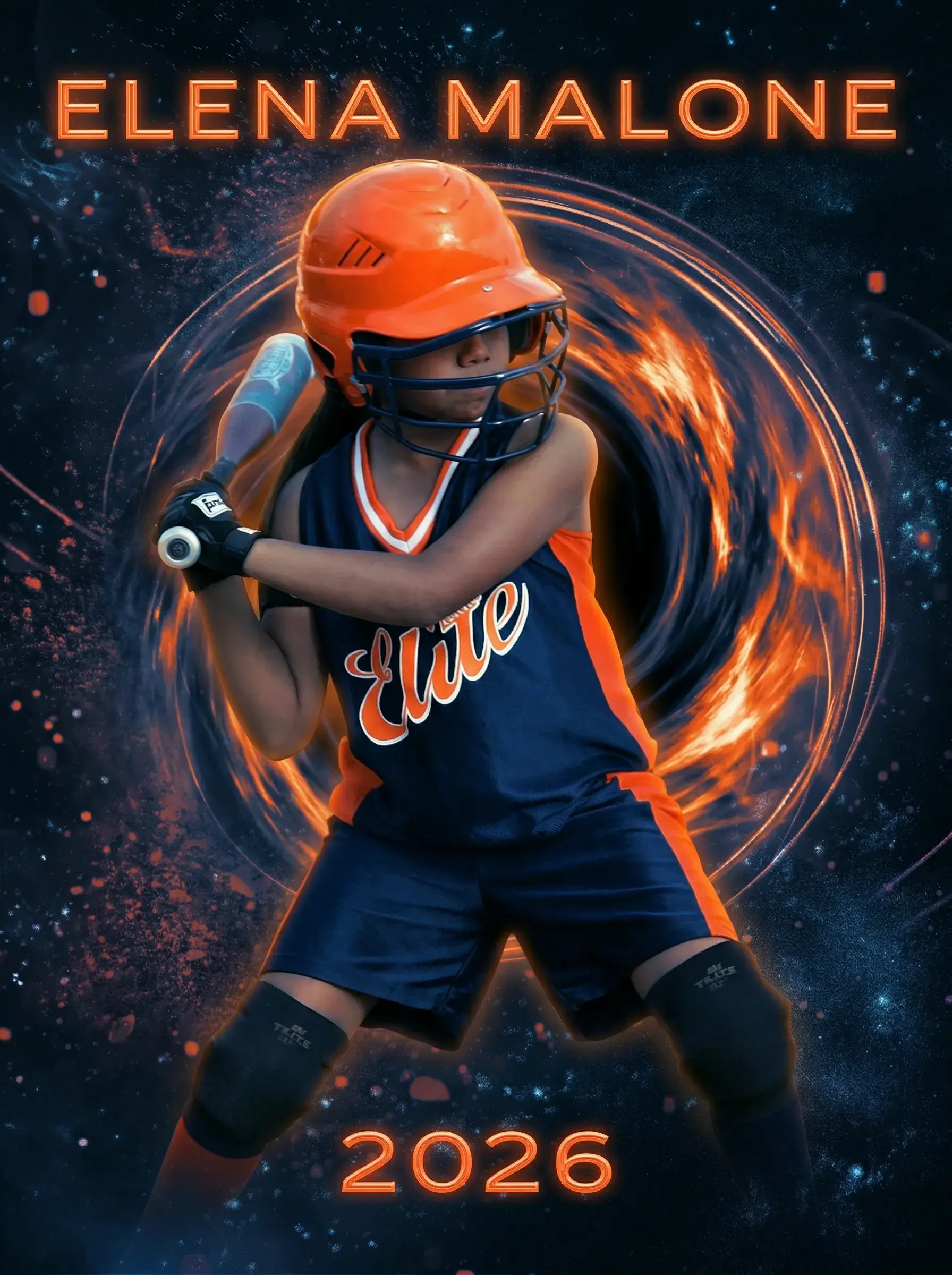
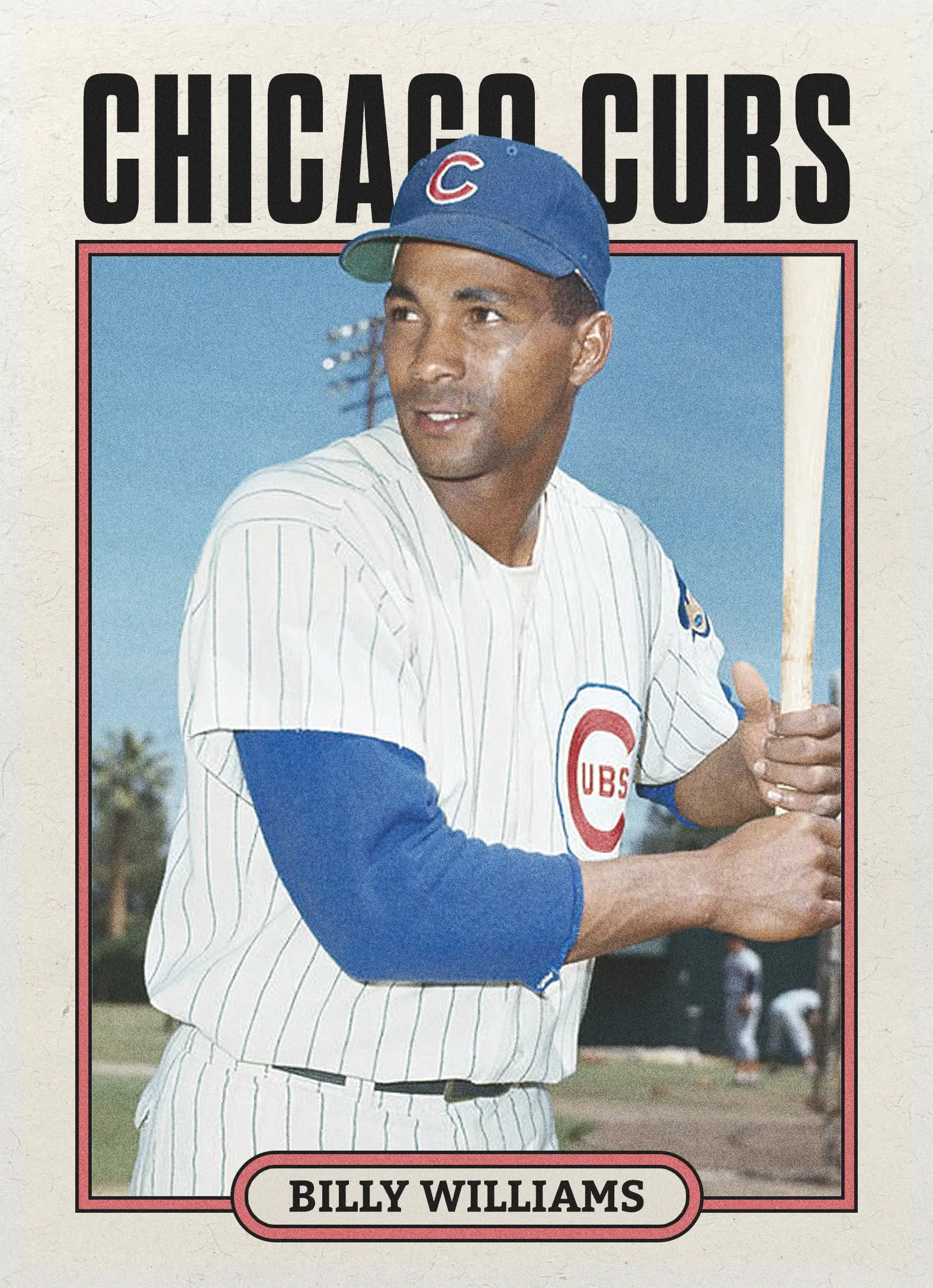
Skip the Guessing Game on What Brand Baseball Cards Are Worth the Most
Stop wondering which pack might pay off someday. Upload a photo from your own season, pick a pro-style template, and get a premium custom card shipped free over $30 in 2-3 days.
Create Your Card NowNo credit card required | Instant preview | Pro-quality designs
Explore More Card Options
Discover more custom trading card options for every sport and occasion