
What Are the Best Topps Cards to Buy? Myths, Facts & a Better Option
Everyone's got a theory on what are the best Topps cards to buy, and most of those theories are wrong more often than right.
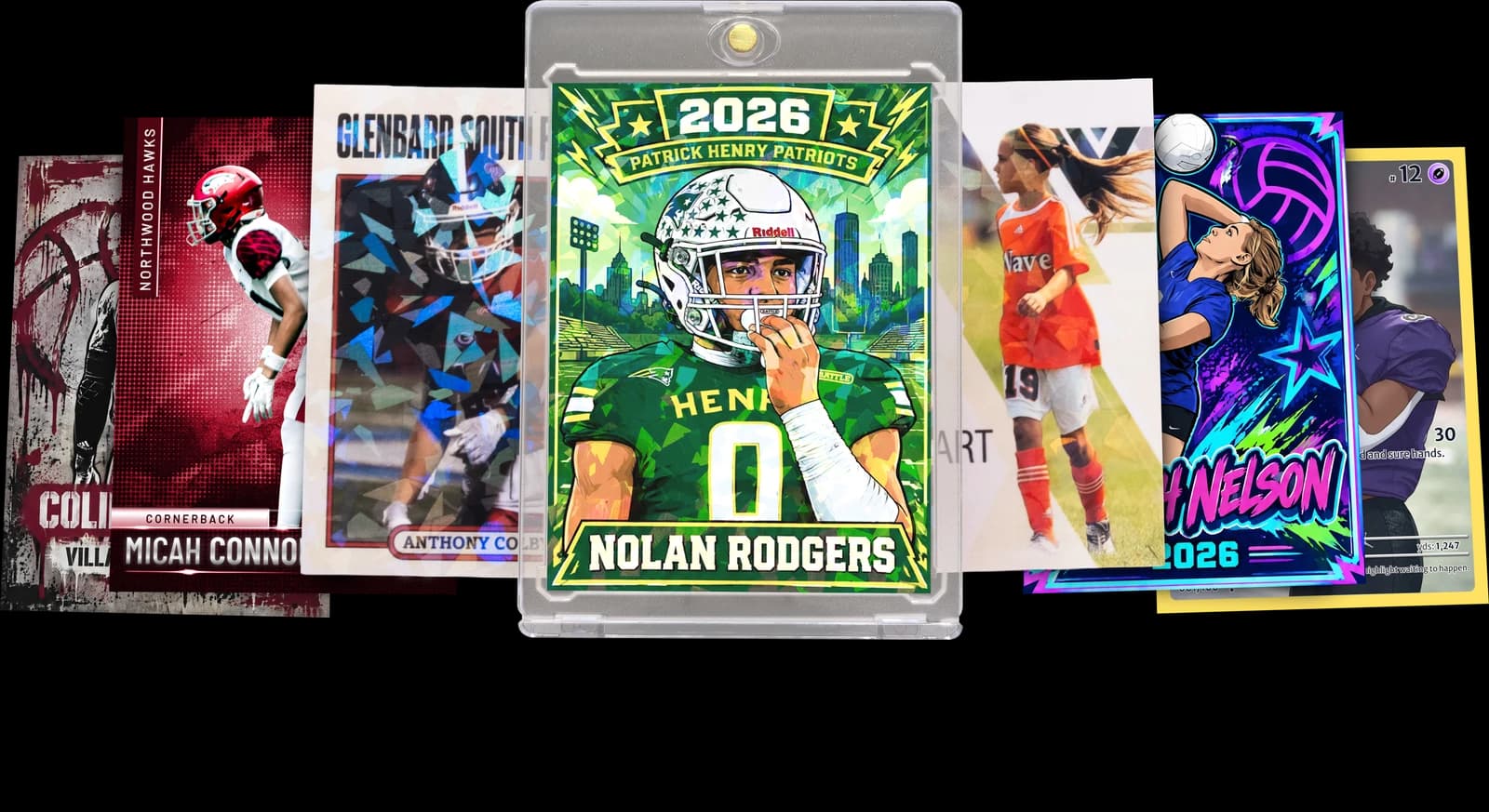
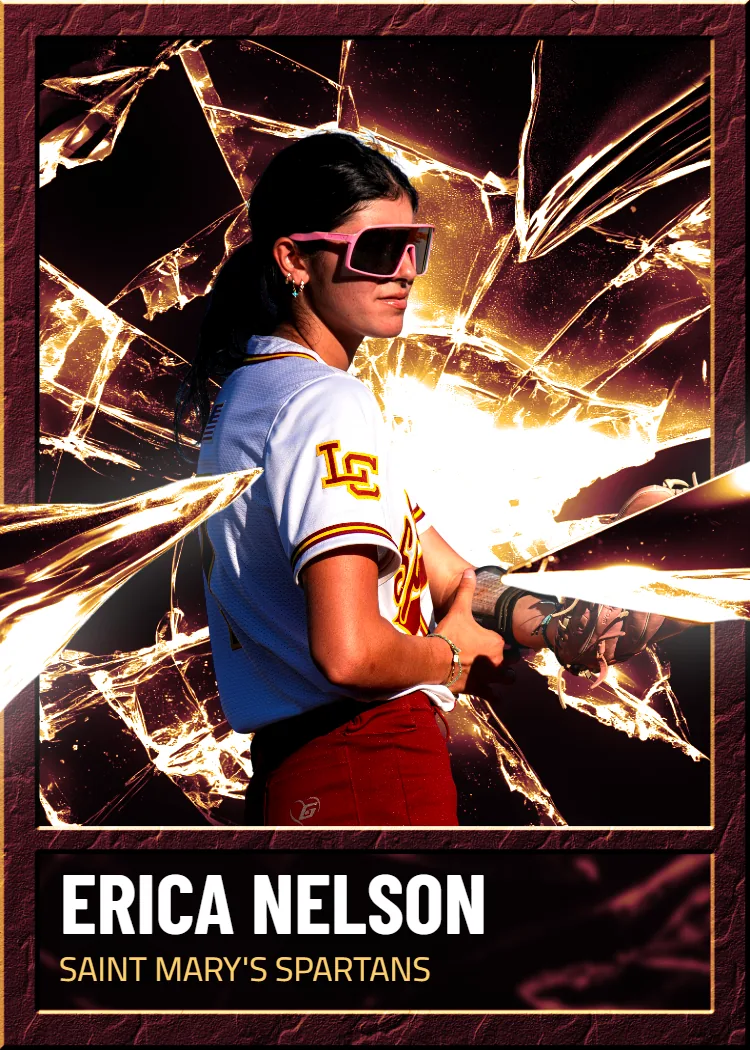
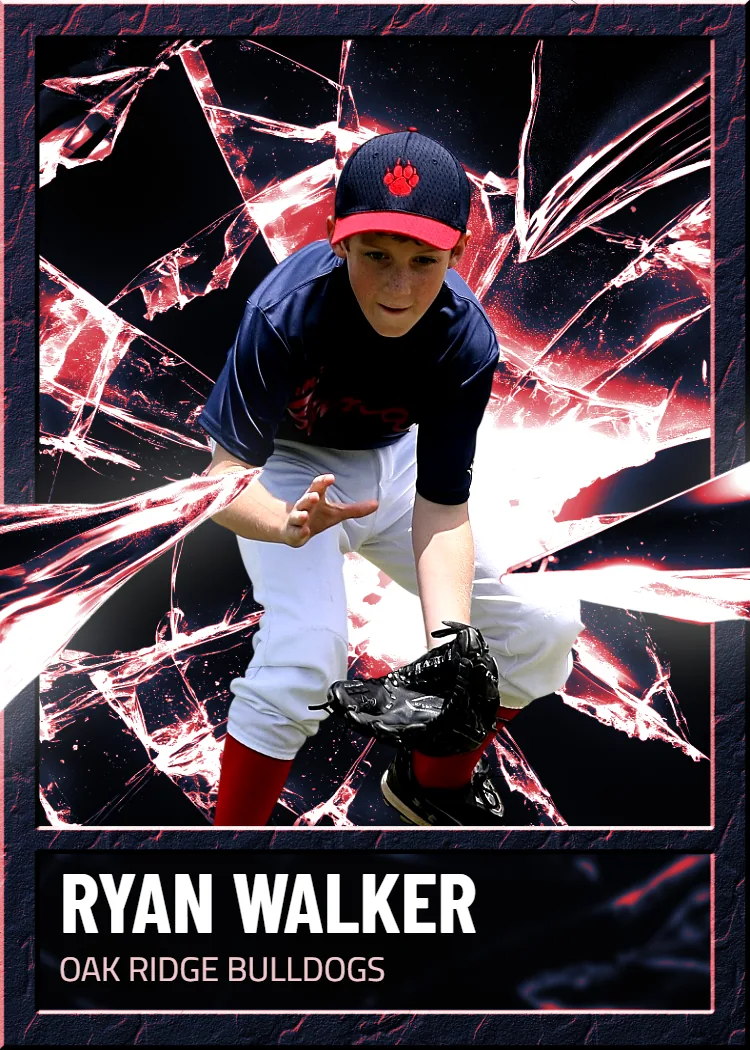
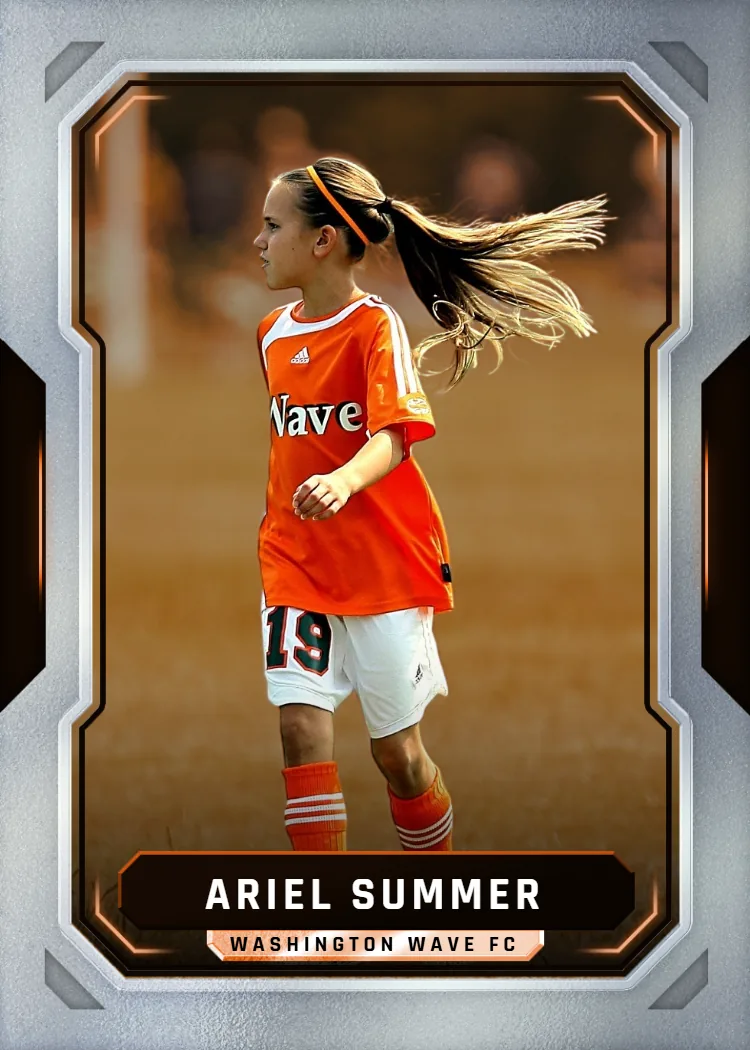
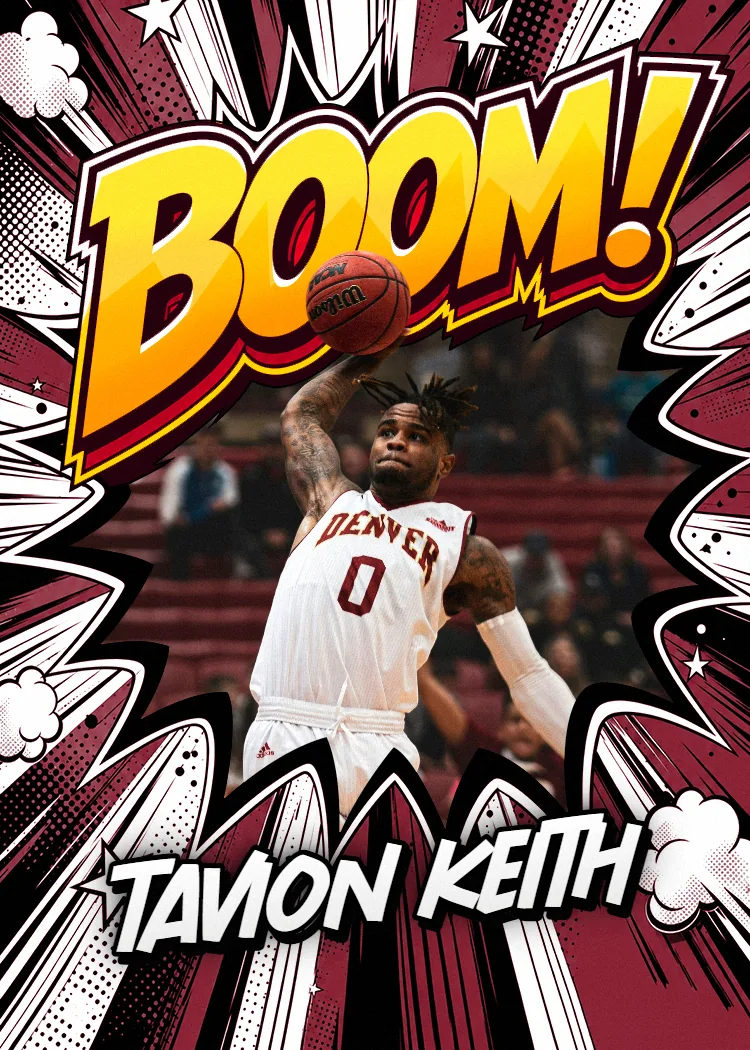
Upload a photo of your player, pet or team, choose an available template, and preview your design before ordering a printed card.
Search around long enough and you'll find three different people telling you three different things about which Topps cards are worth your money. One guy swears by rookie cards. Another says only graded cards count. A third insists it's all about print runs you can't verify anyway. Meanwhile you're just trying to figure out where to put your $40 without getting burned. The truth is most advice about buying Topps cards is built on outdated assumptions from a hobby that's changed a lot since the pandemic-era boom cooled off.
We're going to separate what's actually true about buying Topps cards from what's just repeated hobby folklore. Then we'll show you an alternative a lot of collectors overlook: making a custom card of a player, moment, or family member that actually matters to you, instead of gambling on a pack. It's printed on professional card stock, ships in 2-3 days, and costs less than most single graded rookie cards.
Let's walk through the myths first, then get into what actually works.
We ship custom baseball cards to families and teams in all 50 states every week, from tee-ball rosters to men's league championship squads.
Frequently Asked Questions
Are vintage Topps cards worth more than modern ones?
Generally, yes, but it's more nuanced than just 'older equals pricier.' A 1970s Topps card in rough condition can be worth less than a mint modern parallel, because condition and scarcity matter more than raw age. Vintage cards from the 1950s and 60s do carry a premium mostly because so few survived in good shape, not because Topps made fewer of them. Modern cards have print runs that are actually much smaller for certain parallels and autographs, which can make them scarcer in a real sense than a common vintage card that was printed by the millions. So when someone asks what are the best Topps cards to buy for long-term value, the honest answer is that condition, certification, and true scarcity matter more than the decade printed on the card. If you're buying for enjoyment rather than investment, none of this really applies — buy what you like looking at, vintage or modern, and don't worry about resale math.
Should I buy graded or ungraded Topps cards?
Graded cards cost more upfront because you're paying for a third party to verify condition and authenticity, and that verification adds real trust when you eventually sell. Ungraded cards are cheaper and give you more flexibility, but you're relying on your own judgment about condition, which is risky if you're new to spotting corner wear or centering issues. For casual buyers who just want a card to display, grading is often unnecessary expense — a raw card in a nice holder looks just as good on a shelf. For serious investment-minded buyers, though, grading is close to mandatory, since ungraded cards of real value are hard to sell for full price. If your goal is personal enjoyment rather than resale, you might skip both categories entirely and go with something like a custom card, since a personal keepsake was never going to be graded anyway and its value isn't tied to a slab in the first place.
What makes a Topps card valuable?
Four things drive value more than anything else: scarcity, player performance, condition, and demand timing. A rookie card of a player who later becomes a Hall of Famer is valuable because so few people were buying that player's cards before he broke out, which made the print run effectively scarce in hindsight. Autographed and memorabilia cards add value because they're physically limited, sometimes to under 100 copies. Condition matters enormously — a card with sharp corners and perfect centering can be worth five to ten times a beat-up copy of the exact same card. Demand timing is the wildcard nobody controls; a player having a big postseason run can spike card prices overnight, and a season-ending injury can crater them just as fast. That volatility is exactly why some collectors have moved toward personal keepsake cards instead, since a card's meaning to you doesn't crash when a player gets traded.
Is it better to buy Topps packs or singles?
Singles let you buy exactly the card you want, while packs are a bet that you'll pull something worth more than what you paid. Packs are fun if you enjoy the process — ripping wax, hoping for a hit, comparing pulls with friends — and that entertainment value is real even if the math doesn't favor you. But if you already know which player or card you want, buying a single directly is almost always cheaper than buying enough packs to have a real shot at pulling it. Hobby shops and marketplaces price singles based on actual demand, so you're not paying for the chance of getting nothing. If neither approach feels satisfying because you want a card of someone packs will never include — your own kid, your rec-league team, a specific memory — that's really the case where a custom-built card solves a problem packs and singles can't touch.
How much should I spend on Topps cards as a gift?
It really depends on the recipient's involvement in the hobby, but most gift-givers land somewhere between $20 and $50 for something that feels substantial without being reckless. A blaster box in that range delivers a handful of cards and a couple parallels, but there's no guarantee the recipient's favorite player shows up in the box at all. That's the risk with any pack-based gift — you're spending real money on a chance, not a guarantee. If the person you're buying for has a favorite player, team, or a personal baseball memory of their own, a custom card in that same price range gets you something guaranteed to hit, rather than a coin flip. A lot of gift-givers end up doing both: a pack for the fun of opening it, plus a custom card built around something personal, so the gift covers both the thrill and the meaning.
What's the difference between Topps Series 1, Series 2, and Update?
Topps splits its flagship base set across the year into three releases, and each one captures a different slice of the season. Series 1 typically drops in early spring and includes players based on the prior year's rosters, so brand-new call-ups usually aren't included yet. Series 2 arrives in the summer and starts to reflect trades and roster changes that happened after Series 1 was printed. Update, released in the fall, is the one collectors chase hardest because it includes rookies who debuted mid-season and postseason performers, making it the set most likely to contain a breakout rookie's first card. If you're trying to figure out what are the best Topps cards to buy from a given year, Update is usually the strongest bet for rookie value, though it's also the most competitively priced because everyone knows that already.
Can I make a custom baseball card that looks like a real Topps card?
You can get very close in look and feel, though we're careful not to claim it's an official Topps product, since it isn't. Snapshot's templates are designed with the same visual language collectors expect — clean borders, stat-box layouts, bold team-color accents — built from scratch rather than copying any single licensed design. You upload your photo, pick a template that matches the sport and style you want, and the card prints on professional card stock that feels substantial in hand, not like a printer-paper knockoff. A lot of customers use these for players or moments Topps will never cover — a Little League team, a high school senior night, a beer-league softball championship. It's less about mimicking a specific brand and more about getting a professional-grade card of something that actually matters to you, shipped in 2-3 days with a free magnetic case included.
Do rookie cards always go up in value?
No, and this might be the single biggest myth in the hobby. For every rookie card that skyrockets, there are dozens that quietly fade because the player never developed as expected, got hurt, or simply plateaued. Hype around a prospect can push rookie card prices up before that player has proven anything at the major league level, which means you're often paying a premium based on projection rather than performance. Smart, patient collectors tend to wait a season or two before buying rookies, letting the hype settle so they're not overpaying for potential that doesn't materialize. That said, waiting means you might miss the lowest price point if the player does break out immediately. There's no formula that removes the risk entirely. If the unpredictability bothers you, that's exactly why some collectors put their money into cards with guaranteed personal value instead — a custom card of a player, or better yet a family member, doesn't depend on a stat line to stay worth something to you.
Where's the safest place to buy Topps cards online?
Established marketplaces with buyer protection and seller ratings are generally the safest bet, since they give you recourse if a card arrives damaged or misrepresented. Buying directly from Topps' own site guarantees authenticity but often sells out fast for popular releases, especially limited print runs. Local card shops are worth checking too, since you can inspect a card in person before buying, which online marketplaces don't allow. Whatever platform you use, look for sellers with a long history of transactions and clear return policies before spending real money on anything above $30 or so. Scams do happen, particularly around highly hyped rookie cards where demand outpaces supply and buyers get careless. If you'd rather sidestep all of that entirely, ordering a custom card directly from a company like Snapshot removes the authenticity question altogether, since you're not buying a secondhand product from an unknown seller in the first place.
Are Topps cards a good investment in 2026?
Some are, but treating the hobby purely as an investment vehicle is riskier now than it was during the 2020-2021 boom, when prices for nearly everything spiked and then corrected hard. Cards tied to established stars with long track records tend to hold value more reliably than speculative rookie cards. Sealed wax boxes of popular sets have historically appreciated over long time horizons, but that requires patience measured in years, not months, and storage in stable conditions. If you're buying purely to flip cards quickly, you're competing against people who track the market full-time, and that's a tough game for a casual buyer to win consistently. Most people asking what are the best Topps cards to buy for investment purposes would be better served treating it as a long-term hobby rather than a short-term strategy. And if the goal is genuinely personal enjoyment rather than portfolio growth, a custom card sidesteps the investment question completely, since its value was never meant to be financial in the first place.
What condition should I look for when buying Topps cards?
Sharp corners, even centering, and a clean surface without scratches or print defects are the big three things to check before buying any card in person or from photos. Centering, meaning how evenly the image sits within the card's border, is one of the most overlooked factors and can tank a grade even when everything else looks perfect. Corners should be crisp, not soft or rounded, since even slight wear there gets flagged hard by grading companies. Surface scratches are easiest to miss in photos, so if you're buying online, ask sellers for close-up shots under good lighting before committing to anything above $20 or so. Edges matter too — chipping along the card's border is common in older cards and reduces value even if the front looks fine at a glance. None of this applies if you're building a custom keepsake card instead, since those are freshly printed on professional card stock specifically for you and arrive in a protective magnetic case, with no wear to worry about.
How long does it take to get a custom baseball card made?
Snapshot prints and ships custom cards in 2-3 days, which is considerably faster than waiting on a specific Topps release, tracking down a reseller, or bidding on an auction that might not even end in your favor. You start by uploading a photo, choose from sports-card style templates built for baseball, and the card goes to print on professional card stock shortly after you confirm the design. Shipping is free over $30 anywhere in the USA, and every card arrives with a free magnetic case so it's ready to display the moment it lands. This turnaround matters most for time-sensitive moments — end-of-season banquets, birthdays, holiday gifts — where waiting weeks for a marketplace order isn't practical. A lot of customers order right after a big game or a championship win specifically because they know the card will show up within days, not weeks, while the moment's still fresh.
Free to design, instant preview. Free US standard shipping on orders $30+. Review delivery options at checkout.
What Are the Best Topps Cards to Buy — And How Does a Custom Card Compare?
If you'd rather skip the guessing game entirely, here's how making your own card actually works, step by step.
Upload Your Photo
Instead of hoping a wax pack hands you a card worth keeping, you start with a photo you already know matters — your kid's home run swing, a Little League championship, a father-son catch at the ballpark. Any image works, and there's no rookie-card lottery involved.
Pick a Pro-Style Template
Snapshot offers templates modeled after the same sports-card aesthetics collectors already love — the borders, the stat boxes, the foil-style accents. You choose the layout, drop in the photo, and the card takes shape in minutes instead of requiring a search through checklists and price guides.
We Print and Ship It
Your card gets printed on premium card stock and shipped with a free magnetic case in 2-3 days. No opening ten packs hoping for a decent parallel. No guessing whether the card you bought will hold value next year. You get exactly what you wanted, guaranteed.
It's a different question than what are the best Topps cards to buy — it's about which card actually means something to you.
Why Collectors Are Rethinking the Pack-and-Hope Approach
Buying packs has always carried risk. Here's what changes when you take the guessing out of it entirely.
No Wasted Money on Base Cards
A typical Topps blaster box runs $20-$30 and mostly delivers commons you'll never look at twice. A custom card costs $17.99 and guarantees a keeper every single time, with zero duplicates you don't want.
Personal Value Doesn't Fluctuate
A rookie card's value can crash if a player gets injured or traded. A card of your own kid's championship season never loses meaning, no matter what happens to the secondary market.
Turnaround You Can Actually Plan Around
Waiting for the right Topps release, then waiting for a reseller to ship it, can take weeks. Snapshot cards print and ship in 2-3 days, so birthdays and end-of-season banquets don't sneak up on you.
You Control What's On It
Topps decides who gets a card and what set they land in. With a custom card, you decide — any player, any moment, any level from tee-ball to varsity, printed exactly how you want it.
Who's Actually Asking What Are the Best Topps Cards to Buy?
The people searching this question usually fall into a few clear groups, and each one has a different real solution.
Parents Chasing a Meaningful Keepsake
A parent searching for the best Topps cards to buy is often just trying to capture a season before it's over — a kid's first year of travel ball, a walk-off single, a last game before high school. Topps doesn't make cards for rec-league players. A custom card does, using the actual photo from that actual game.
Casual Collectors Building a Personal Set
Some people aren't chasing resale value at all — they just want a card of their favorite current player or a nostalgic throwback. Rather than spending on packs hoping to pull the right player, they build exactly the card they wanted from a photo they already had, cutting out the randomness entirely.
Gift-Givers Looking for Something Better Than a Pack
Buying a box of Topps as a gift is a gamble on someone else's taste in players. A custom card built around the recipient's own highlight, team, or memory lands differently — it reads as thoughtful, not generic, and costs about the same as a mid-tier blaster box.
What People Actually Order Once They See the Alternative
Most Snapshot orders for baseball come from families documenting a single standout season rather than collectors chasing a specific Topps insert. Requests spike every year in late spring and again after fall ball wraps up, right when teams are looking for something to mark the year. The most common single order is one card per player on a roster, delivered as a keepsake set rather than a pack of random hits.
What Do the Best Topps Cards to Buy Actually Cost Compared to a Custom One?
A single graded Topps rookie card can run anywhere from $15 to several hundred dollars, with no guarantee of future value. Here's what a custom card costs instead.
Rookie Box style single card: $17.99. Packs available up to $49.99. MEGA 11"x15" poster card: $49.99. Free shipping over $30 across the USA on every order.
One flat price, no bidding war, no waiting on a grading company. You know exactly what you're paying and exactly what you're getting before you check out.
Box Options
Simple, collectible pricing. No subscriptions, no hidden fees.
The Rookie Box
Perfect for those unforgettable moments
$17.99 - $49.99
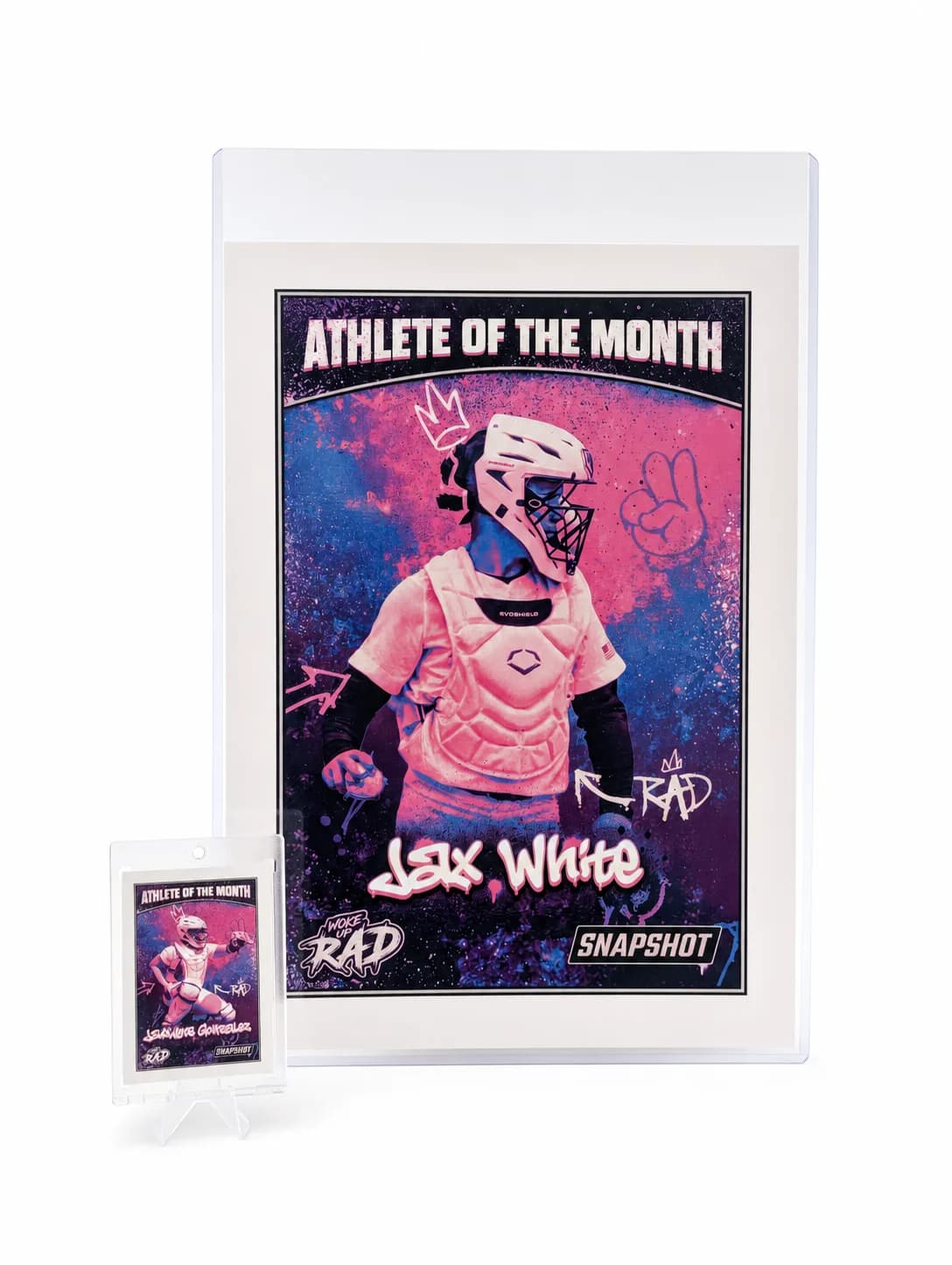
MEGA Card
Their moment, bigger than ever
$49.99
Create for free • Ships the next business day • Made in Des Moines, IA, USA
Skip the Guessing Game on What Are the Best Topps Cards to Buy
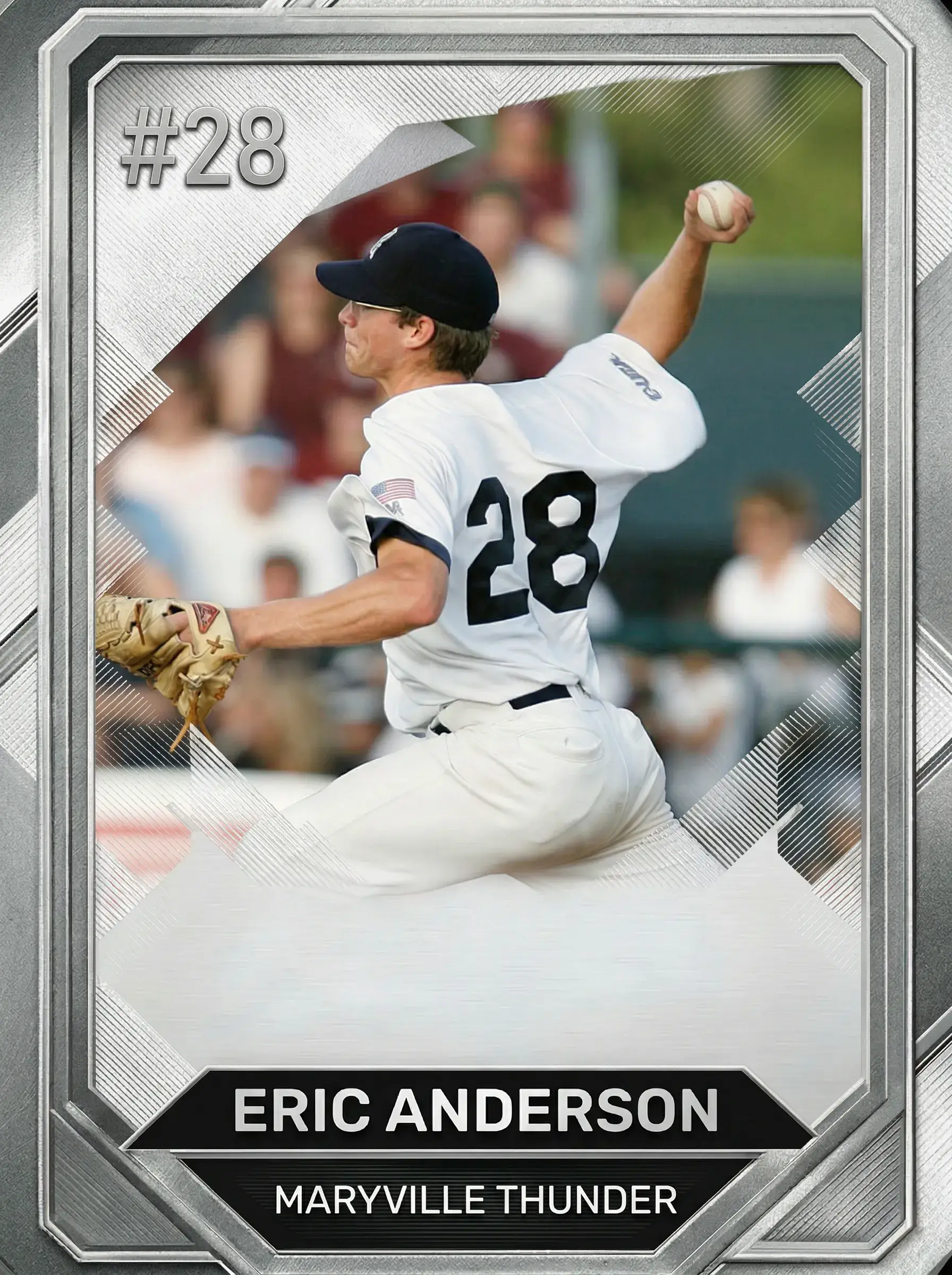
Stop betting on packs and start with a card guaranteed to matter. Upload a photo, pick a template, and get a premium custom card shipped in 2-3 days with a free magnetic case.
Build Your Card NowNo credit card required | Instant preview | Pro-quality designs
Explore More Card Options
Discover more custom trading card options for every sport and occasion